A6 vs Happy Planner: Which Fits Your Life?
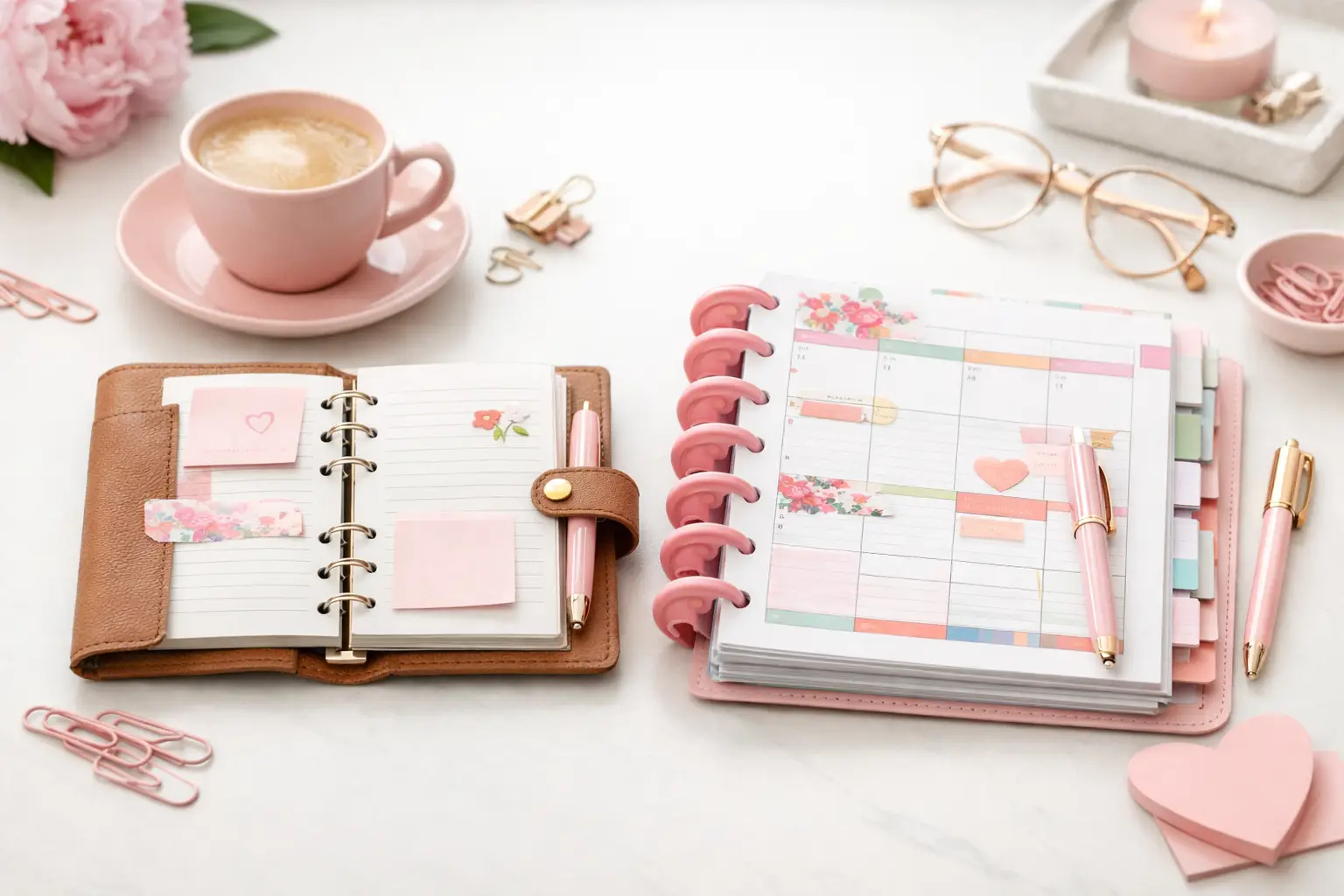
A6 vs happy planner: compare size, space, portability, and page options to choose printable inserts that make your everyday planning feel easier with purpose.
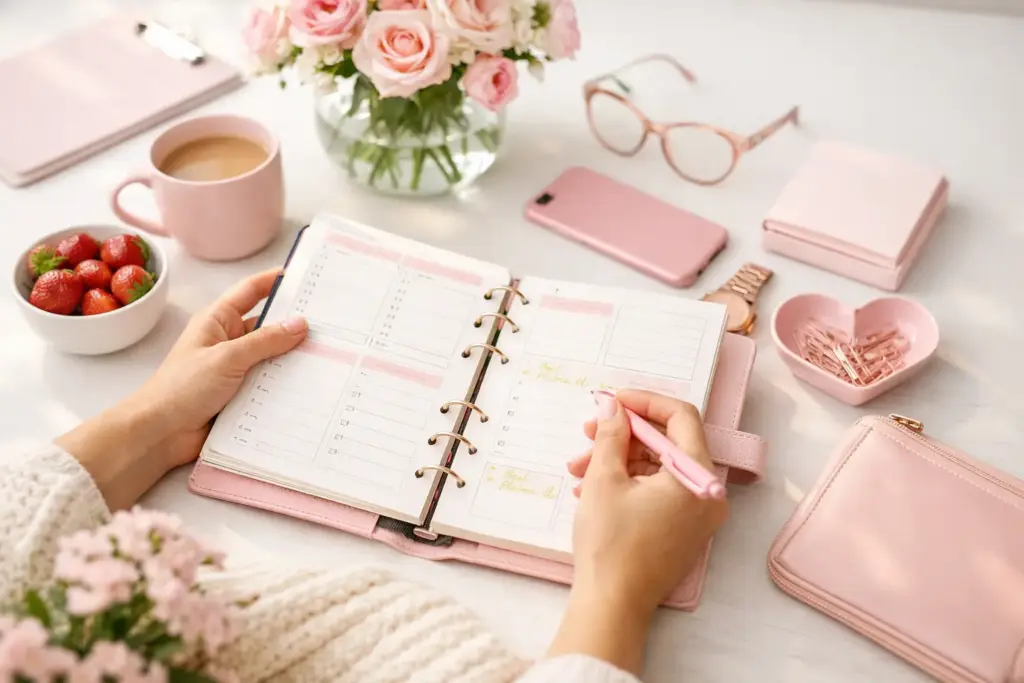
One missed pickup, one forgotten grocery item, and one school email you swear you already handled – that is usually all it takes to realize your planner needs to work harder. The best planner pages for moms are not the prettiest pages in theory. They are the ones that help you hold family life together without making planning feel like another chore.
If your current setup feels crowded, repetitive, or just not built for real motherhood, a few smart page swaps can change everything. The right inserts give you space for appointments, meals, routines, lists, and the mental notes that keep a household moving.
A useful planner page earns its spot. It needs to help you make decisions faster, remember what matters, and see your week clearly. For moms, that usually means balancing personal plans with family logistics, household tasks, and the constant stream of little details that never seem to land in one place.
That is why the best planner pages for moms usually share three traits. First, they are easy to scan. Second, they give enough structure without boxing you in. Third, they support repeat tasks – the kind you handle every week, every month, and every season.
A page can be beautiful and still not fit your life. That trade-off matters. Some decorative layouts leave too little room for real planning, while some highly structured pages feel too rigid if your schedule changes every day. The sweet spot is a layout that feels supportive, not bossy.
For most moms, the weekly spread is the heart of the planner. It is where school events, work tasks, appointments, activities, errands, and home life all meet. If this page is wrong, the whole system feels off.
A vertical weekly layout works well if you like to block your day by categories such as family, work, meals, or to-dos. It gives a clean overview and helps you separate responsibilities at a glance. This can be especially helpful if your days move fast and you need visual order.
A horizontal weekly layout often feels more open and relaxed. If you prefer writing short notes, keeping flexible plans, or using your week as a running overview instead of a timed schedule, this style can feel easier to live with.
Some moms need extra writing room more than anything else. In that case, a week-on-two-pages layout with a strong notes section may work better than a tightly boxed design. If your child has spirit week, your partner changes shifts, and your grocery list keeps growing, that extra space matters.
Weekly pages help you react. Monthly pages help you prepare.
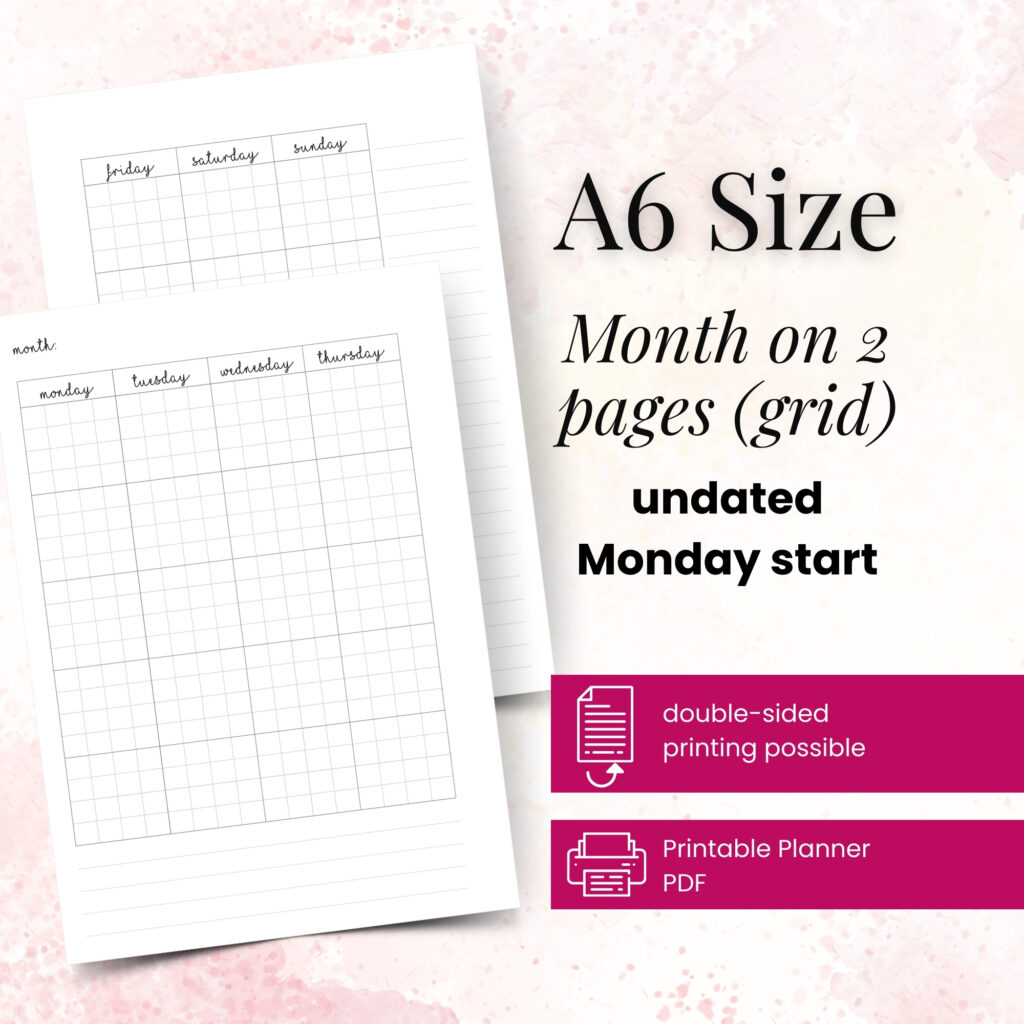
A monthly calendar gives you the wide view you need for school breaks, birthdays, appointments, bill due dates, sports schedules, and family events. When life gets busy, this page helps you spot conflicts before they become problems.
It also works as a planning bridge. You can mark recurring events at the start of the month, then move details into your weekly spreads as the days get closer. That one habit cuts down on last-minute surprises.
If your family calendar gets full quickly, choose a monthly layout with generous boxes and a sidebar or notes area. Tiny date boxes might look neat, but they can become frustrating by the second week of the month.
Not every mom needs a daily page every day. That is one of the biggest mistakes people make when building a planner. They print a full stack of daily inserts, then feel guilty when they do not use them.
Daily pages shine during busy or demanding seasons. Think newborn life, back-to-school, holiday prep, travel weeks, exam weeks, or any period when your schedule needs more detail than a weekly layout can hold.
A good daily page can hold appointments, top priorities, meals, errands, reminders, and even a short gratitude note if that helps you reset. But if your days are usually steady, you may only want to print these when you truly need them. That flexibility keeps your planner useful instead of bulky.
Meal planning pages do much more than answer the daily question of what is for dinner. They reduce mental clutter, support grocery shopping, and make busy evenings smoother.
A simple weekly meal page lets you map out breakfast, lunch, dinner, and any prep notes. Pair that with a shopping list page and you create a mini system that cuts repeat store trips and forgotten ingredients.
This section works best when it matches how you really cook. If you meal prep heavily, include a prep area. If your family rotates the same ten dinners, use a page with enough room for quick repeats and pantry notes. If you tend to shop in phases, keep a master grocery list insert behind your weekly meal plan.
A lot of motherhood runs on loose ends. You need a gift idea for one child, a pharmacy reminder for another, a running home project list, and maybe a note about forms that need signatures by Friday. That is where list pages become essential.
These pages do not always look exciting, but they often become the hardest-working inserts in the planner. A clean lined list, categorized to-do page, or master task sheet helps you keep track of the invisible labor that rarely fits inside a calendar box.
You might use one list page for school admin, another for household tasks, and another for seasonal projects. Or you may prefer one rolling catch-all list that you update daily. Both approaches work. It depends on whether you like category-based structure or one central brain-dump page.
Routine pages help with the tasks you never want to rethink from scratch. Morning flows, evening resets, cleaning rhythms, school prep checklists, and childcare handoff notes all fit here.
This type of page is especially helpful if you are trying to make family systems more consistent. Instead of rewriting the same steps every week, you keep them on a dedicated insert and refer back to them as needed.
For example, a school morning routine page might include lunch packing, water bottles, homework checks, shoes, and pickup reminders. A home reset routine might cover dishes, laundry, counters, backpacks, and next-day prep. Simple pages like these reduce decision fatigue because they turn repeated chaos into repeatable structure.
Every solid planner setup needs space for the things that do not fit anywhere else. Notes pages catch the details that show up between appointments and to-do lists.
This could be a doctor question you want to remember, a teacher comment from pickup, a packing idea for an upcoming trip, or a small goal you want to revisit next month. Without a notes section, those details end up on scraps of paper, your phone, or the back of an envelope.
Blank, lined, or grid notes pages each serve a different style. Lined pages work well for quick written thoughts. Grid pages help if you like neat sections or tracking small lists. Blank pages give the most freedom if you sketch plans or map ideas visually.
The best planner pages for moms depend on your actual life, not the life you wish looked good on paper. A mom with toddlers may need daily pages, meal planning, and routine checklists. A mom with teens may lean more on monthly calendars, activity tracking, and list pages. A work-from-home mom might need stronger weekly structure than a stay-at-home mom managing a household rhythm.
Start small. Pick one monthly layout, one weekly layout, one notes page, and one support page such as meal planning or lists. Use that set for two weeks before adding more.
Next, notice what you keep rewriting. If you write meals on sticky notes every week, add a meal page. If school reminders keep floating around, add a dedicated list or dashboard. If your week feels too cramped, test a new format with more writing space.
Planner size matters too. A compact size works well if you carry your planner everywhere, but you may need simpler layouts or fewer categories per page. Larger sizes give you more writing room, which many moms appreciate once family planning gets layered.
Print flexibility is what makes this process so practical. You can test layouts, swap sections, and reprint the pages that truly work instead of settling for a fixed setup. That kind of freedom is a big reason printable inserts have become such a trusted part of this creative corner of planning possibilities.
A planner should support your life with clarity, not pressure. When your pages match the way you really think, plan, and care for your family, even busy days feel more manageable – and your successful planning story begins with a single print.

€4,24
€4,24
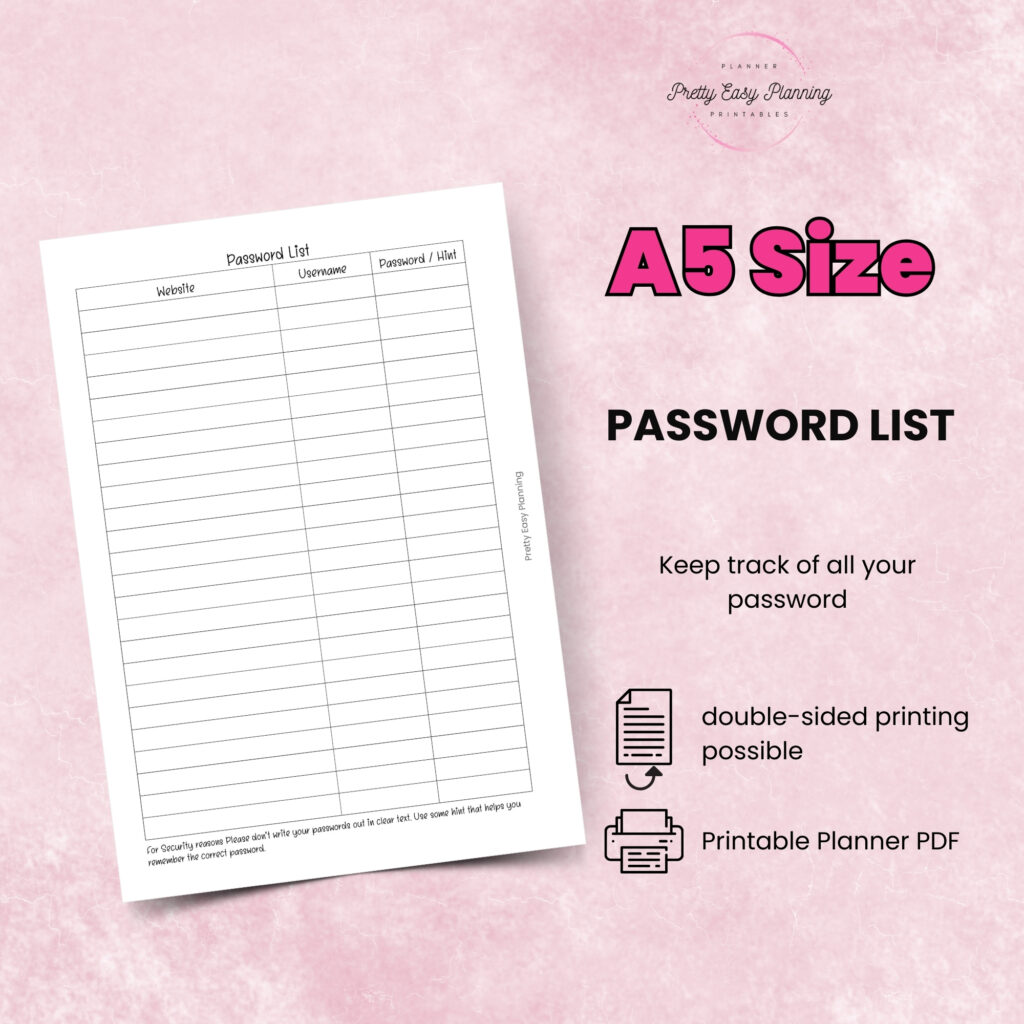
€4,24
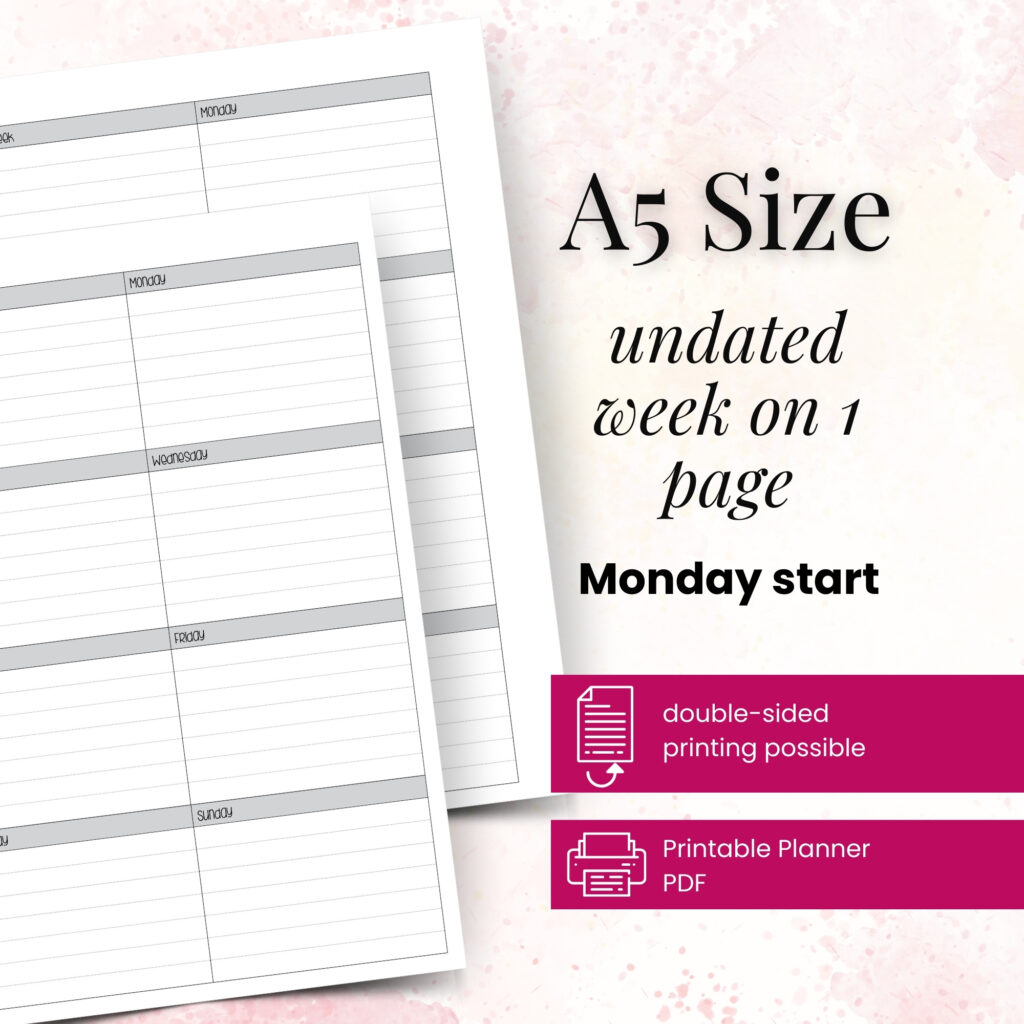
€4,24
A6 vs happy planner: compare size, space, portability, and page options to choose printable inserts that make your everyday planning feel easier with purpose.
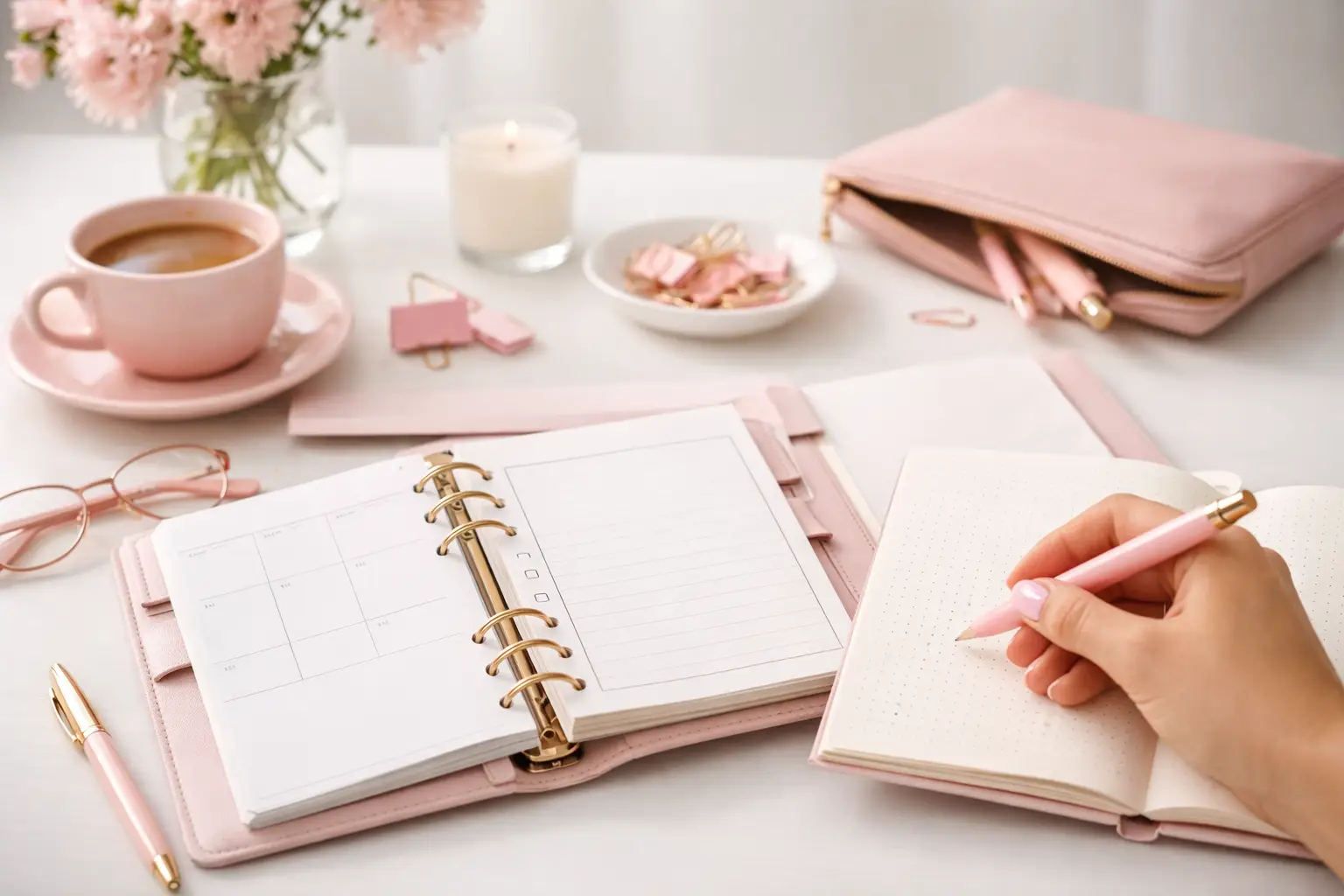
Wondering which planner pages do i need? Build a practical paper planner with only the inserts that support your real routines, goals, and plans daily.
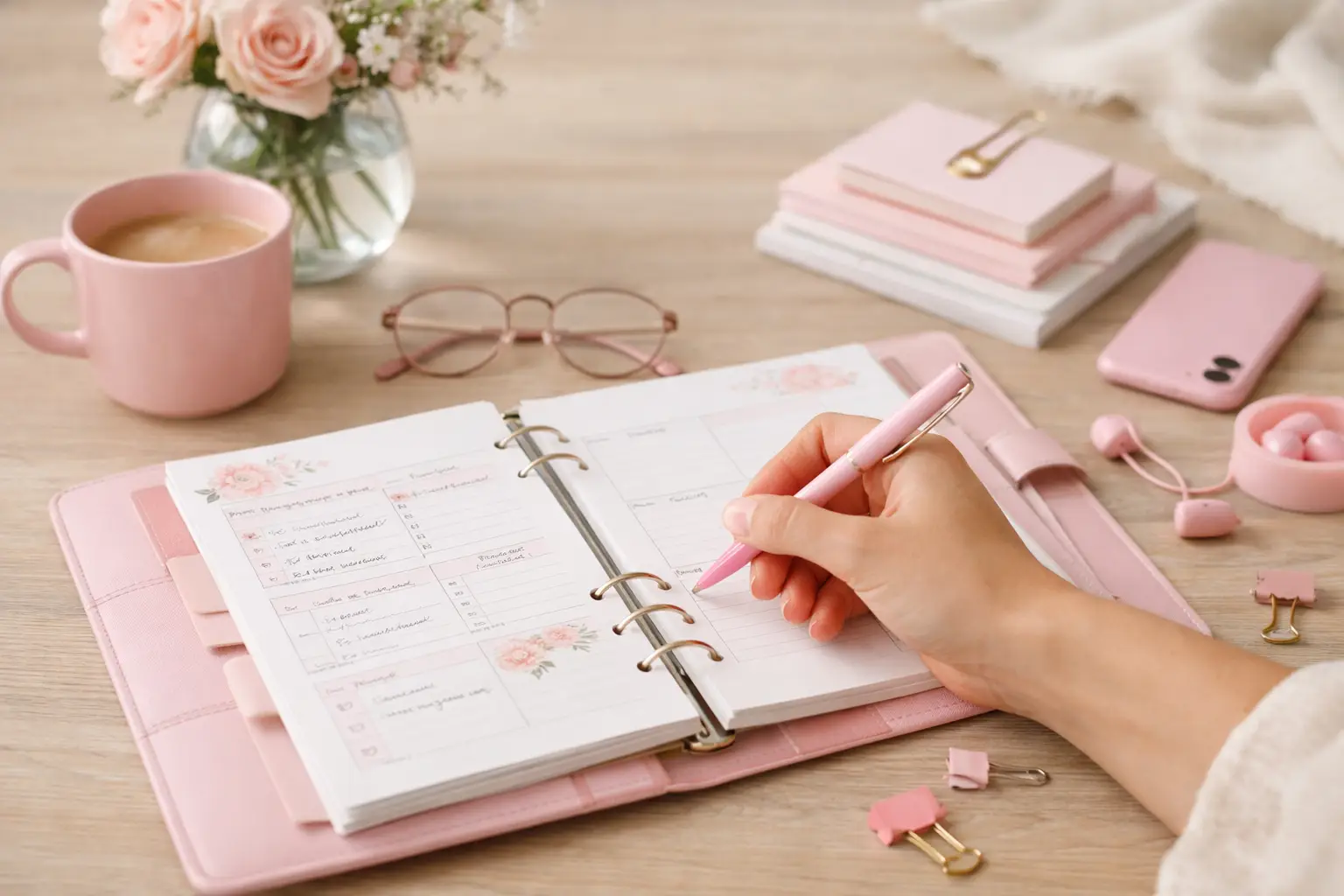
The future of printable planners favors flexible, beautiful systems: print what fits your week, refresh routines, and keep every page useful for life.