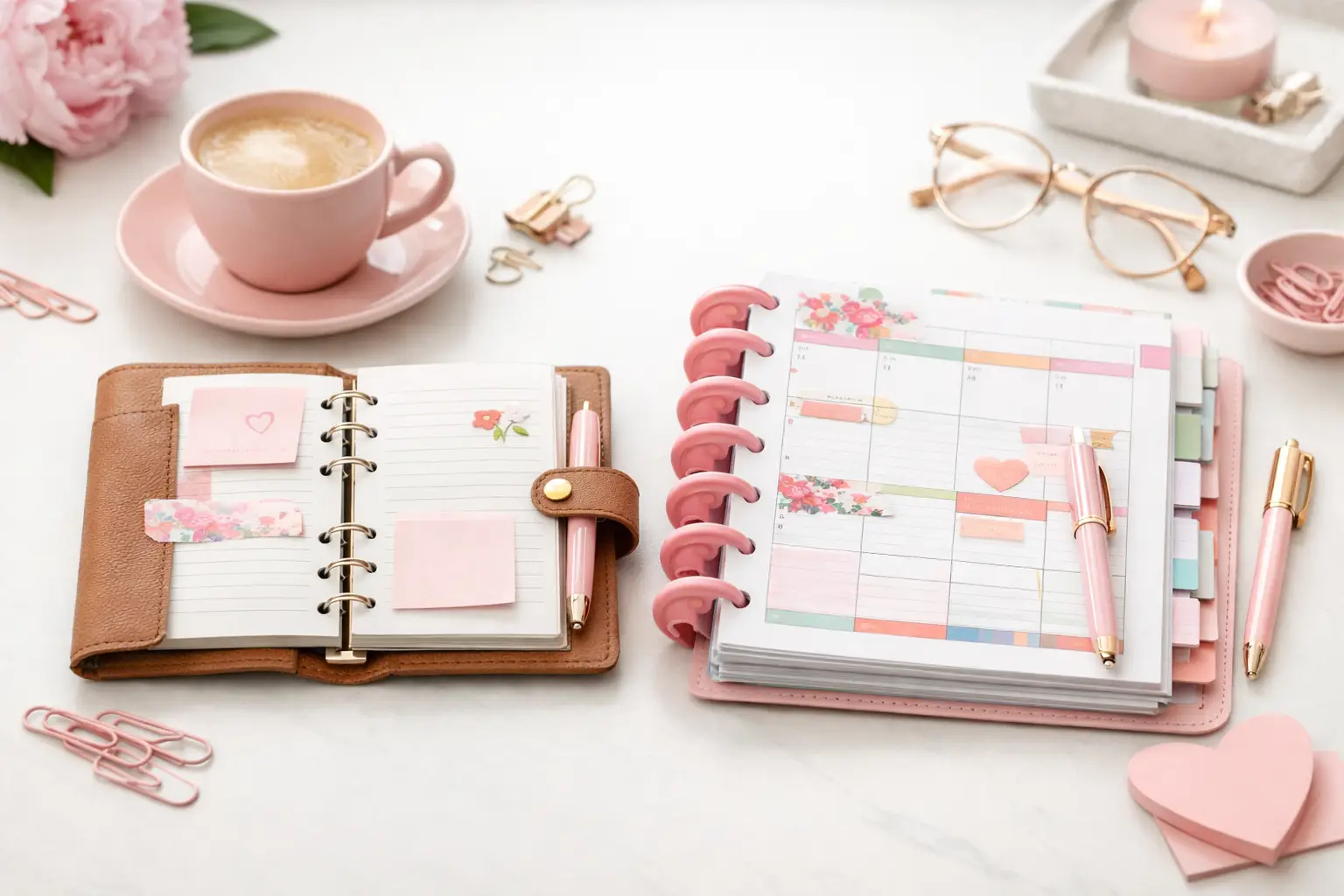
A6 vs Happy Planner: Which Fits Your Life?
A6 vs happy planner: compare size, space, portability, and page options to choose printable inserts that make your everyday planning feel easier with purpose.

Three months is long enough to see real progress and short enough to stay motivated. That is why quarterly habit tracker ideas work so well in a paper planner. You get more breathing room than a weekly page, but you still have a clear finish line that helps you stay honest about what is actually happening.
A quarter also gives you a better view of patterns. You can spot the habits that support your routine, the ones that need a simpler setup, and the ones that looked good on paper but never fit your real life. In this creative corner of planning possibilities, a quarterly tracker can become one of the most useful pages in your whole setup.
Monthly trackers are useful, but they can feel a little choppy. You fill one out, turn the page, and suddenly the story resets. Quarterly tracking fixes that. It lets you watch a habit build across 12 or 13 weeks, which makes it easier to notice consistency instead of chasing perfection.
That longer view matters most for habits that take time to settle in. Think strength training, meal prep, reading, budgeting check-ins, or going to bed on time. These habits usually do not become automatic in ten days. They need repetition, adjustment, and a layout that shows the bigger picture.
A quarterly page also cuts down on setup fatigue. Instead of drawing or choosing a new tracker every month, you make one strong page and use it for a full season. If you love functional planning with a polished look, that balance feels especially satisfying.
Before you pick a design, decide what kind of habit you want to track. Some habits happen daily. Some happen a few times a week. Others depend on timing, energy, or a specific season. A tracker should support the habit, not force it into a shape that makes no sense.
If you want to track hydration, a simple daily grid works beautifully. If you want to track workouts, you may need a layout with room for different types of movement. If your goal is less screen time before bed, a yes-or-no check box may work better than a detailed log.
Try to keep your quarterly tracker focused. Most people do better with four to eight habits on one page than with a giant list of fifteen. A crowded tracker often turns into background noise. A smaller one gives each habit enough attention to matter.
This is the easiest place to start. Put your habits in rows and your days in columns. Then mark each completed habit with a dot, check, or color block.
This layout works best for clear yes-or-no habits like taking vitamins, stretching, reading, or no-spend days. It gives you a clean visual record and makes streaks easy to spot.
Some habits do not need a daily mark. A weekly rhythm tracker gives each week a small section where you note how many times you completed the habit. For example, you might write 3 workouts, 2 meal prep sessions, or 5 evenings without takeout.
This setup feels less rigid and works well if daily tracking makes you feel boxed in.
If your mornings set the tone for your day, track that routine as one focused category. Include a few anchor habits such as making the bed, taking supplements, reviewing your schedule, and eating breakfast.
You can keep each step separate or track the full routine as complete or incomplete. Both versions work. It depends on whether you need detail or just a quick reality check.
Quarterly habit tracker ideas often focus on productivity, but an evening reset page can make a bigger difference than another work goal. Track habits like kitchen reset, next-day prep, skincare, lights out by a target time, or thirty minutes without your phone.
This kind of tracker supports your home life and your energy at the same time.
Instead of one row for exercise, break movement into categories. You might track walking, strength, yoga, mobility, or classes. Over a quarter, this layout shows whether your routine has balance or whether one type of movement keeps disappearing.
That is especially helpful when your goal is not just to move more, but to move better.
Self-care means different things to different people. On a quarterly page, keep it practical. Track habits like drinking water, taking lunch away from your desk, journaling, getting outside, or keeping one appointment with yourself each week.
A grounded self-care tracker works better than a vague one because you can actually measure it.
If household routines tend to slip, use a quarterly tracker for recurring home tasks. You might include laundry catch-up, bathroom reset, meal planning, fridge clean-out, paperwork sorting, or changing bed linens.
This setup is helpful because many home habits repeat weekly or biweekly, not daily. A quarterly view lets you keep up without overcomplicating your planner.
Tracking spending totals matters, but tracking budget habits often helps more. Use your quarter to follow actions such as checking your account balance, logging purchases, having a money date, reviewing subscriptions, or packing lunch instead of buying it.
These small behaviors often shape the result long before the numbers do.
If you want to read more or stay consistent with a course, track the habit instead of the outcome. Mark days you read, study, practice a language, or review notes. You can also add a tiny space for titles or topics if that keeps you motivated.
This layout works nicely for anyone who wants steady progress without turning learning into pressure.
A quarter usually lines up with a season, so lean into that. In winter, you might track sleep, water, supplements, and movement indoors. In summer, maybe sunscreen, walks, meal prep, and earlier wake-ups make more sense.
Seasonal habits often stick better because they match your actual life right now.
Sometimes one big goal needs a few support habits. If your goal is to feel less rushed in the morning, your support habits might be outfit prep, packing your bag, cleaning the kitchen, and setting your top three priorities.
This type of quarterly tracker keeps your page aligned with one meaningful result instead of scattering your energy everywhere.
If you love a planner page that feels both useful and beautiful, use color coding by area of life. For example, green for health, blue for home, pink for personal growth, and yellow for work.
This layout makes patterns stand out fast. If one color disappears halfway through the quarter, you know exactly which area needs attention.
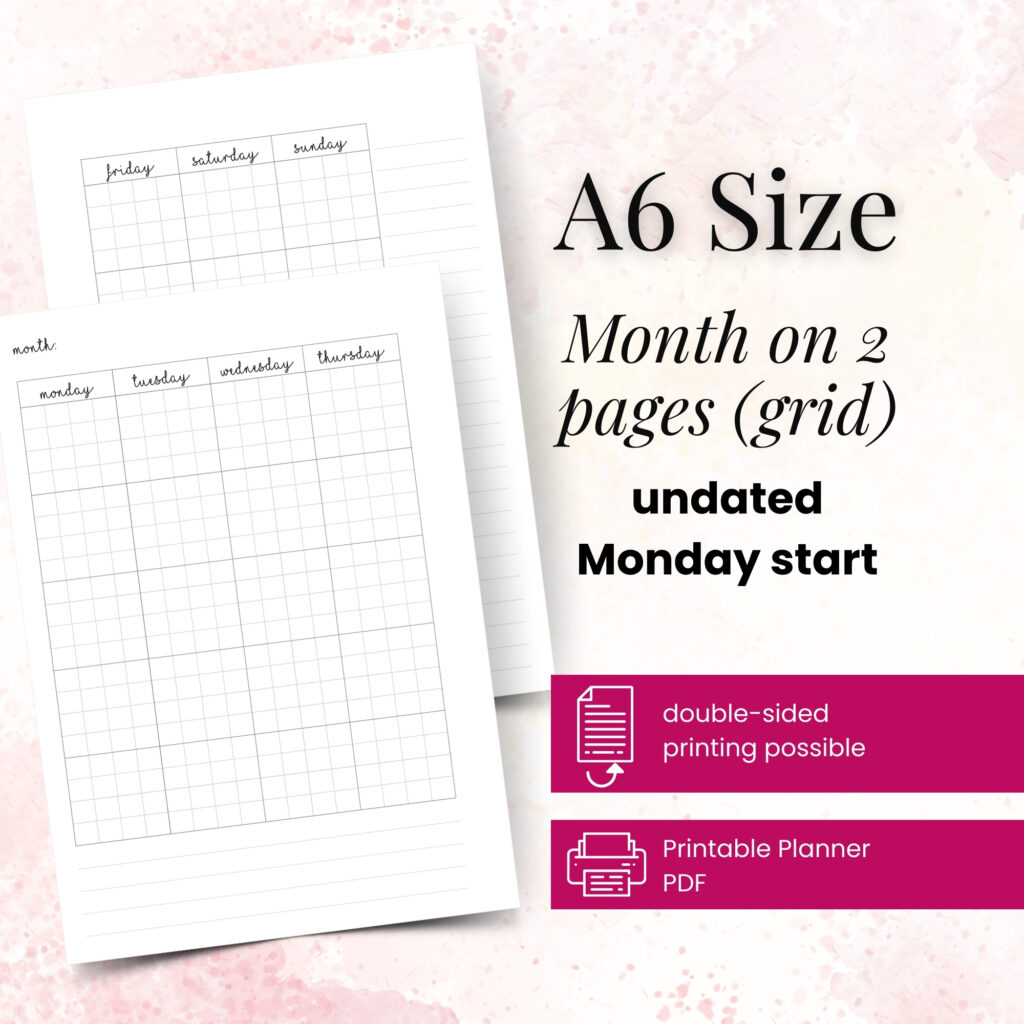
Start by choosing the quarter. Then decide whether you want one full-page tracker or a two-page spread. In smaller planner sizes, a two-page layout usually gives you better writing space and cleaner visual balance. In larger sizes, one page can work well if you keep the habit list tight.
Next, choose habits that feel specific and realistic. “Be healthier” is too broad. “Walk 20 minutes” or “prep lunch for tomorrow” gives you something clear to mark. That clarity matters because vague habits create vague results.
After that, think about how you want to mark progress. Some people love color blocks. Others prefer dots, checks, or simple circles. Pick the option that feels quick. If updating the page takes too much effort, you will stop using it.
Finally, add a small review area. Leave space for a few notes at the end of each month or at the end of the quarter. Write what worked, what felt annoying, and what needs to change. Those notes turn a pretty page into a useful planning tool.
The biggest mistake is tracking too many habits at once. A quarterly layout can hold a lot, but that does not mean it should. Too much detail usually creates guilt, not insight.
Another common problem is choosing habits based on fantasy instead of routine. If you hate elaborate morning rituals, do not track six of them for three months. Build around your real schedule, your real energy, and the season you are in.
Layout choice matters too. Tiny boxes may look neat, but they can be frustrating if you write with larger pens or want to add notes. This is where printable inserts feel especially helpful. You can choose the format and size that actually suits your planner instead of making do with a fixed page that almost works.
Pretty Easy Planning understands that kind of flexibility well. When your pages match your routine, tracking feels smoother and more personal.
Your quarterly tracker does not need to look flawless by day ten. It needs to keep telling the truth. Missed days belong on the page too. They show where life got busy, where a habit needs a simpler version, or where your priorities changed.
That honesty is what makes a quarterly spread so valuable. You are not just decorating your planner. You are building a record of what supports your days and what does not.
If you have been stuck in a cycle of setting habits and forgetting them, try giving yourself a full quarter instead of a fresh start every Monday. Sometimes the most helpful planning page is the one that gives your routine enough time to become real.

€4,24
€4,24
€4,24
€4,24
A6 vs happy planner: compare size, space, portability, and page options to choose printable inserts that make your everyday planning feel easier with purpose.

Wondering which planner pages do i need? Build a practical paper planner with only the inserts that support your real routines, goals, and plans daily.
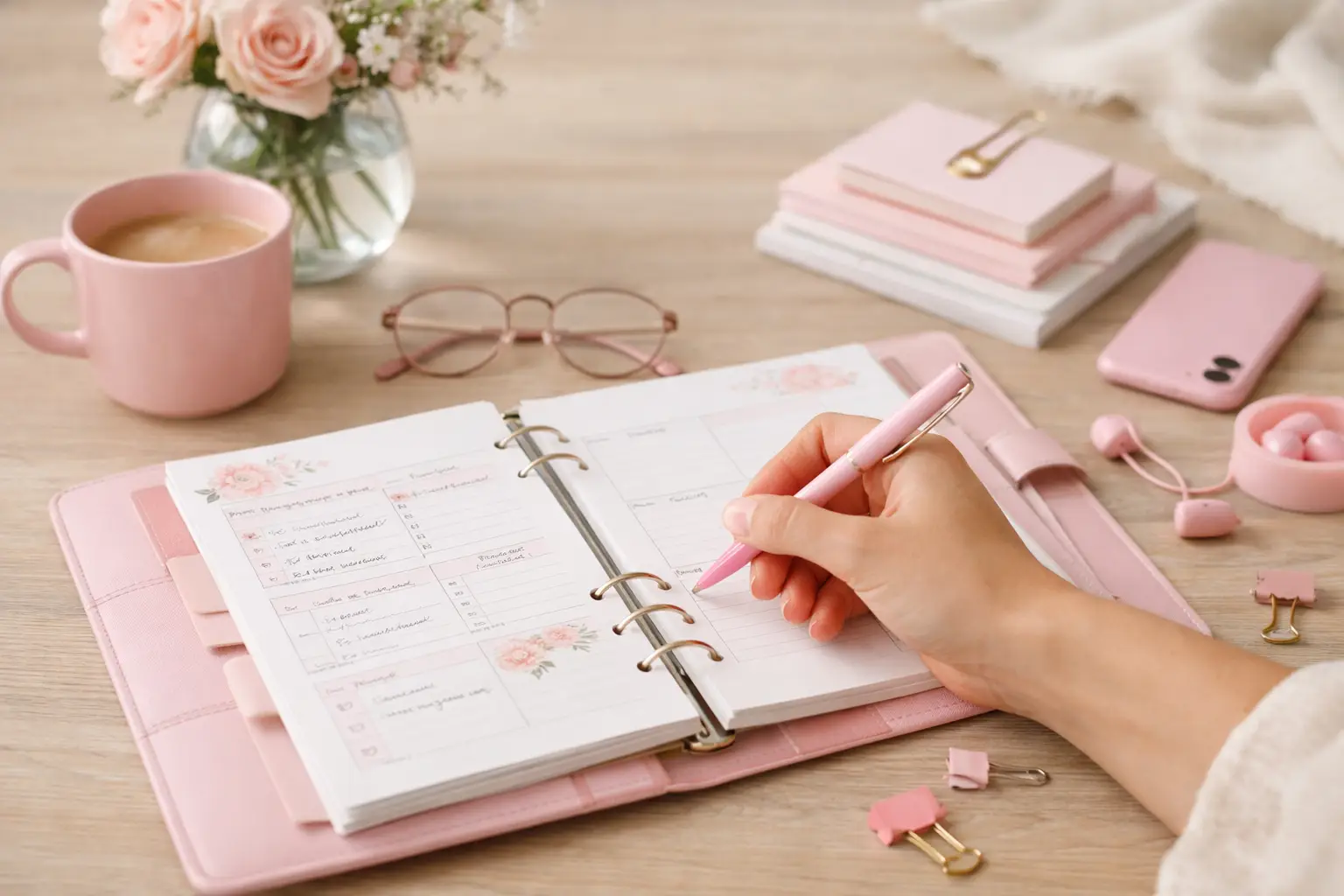
The future of printable planners favors flexible, beautiful systems: print what fits your week, refresh routines, and keep every page useful for life.