A6 vs Happy Planner: Which Fits Your Life?
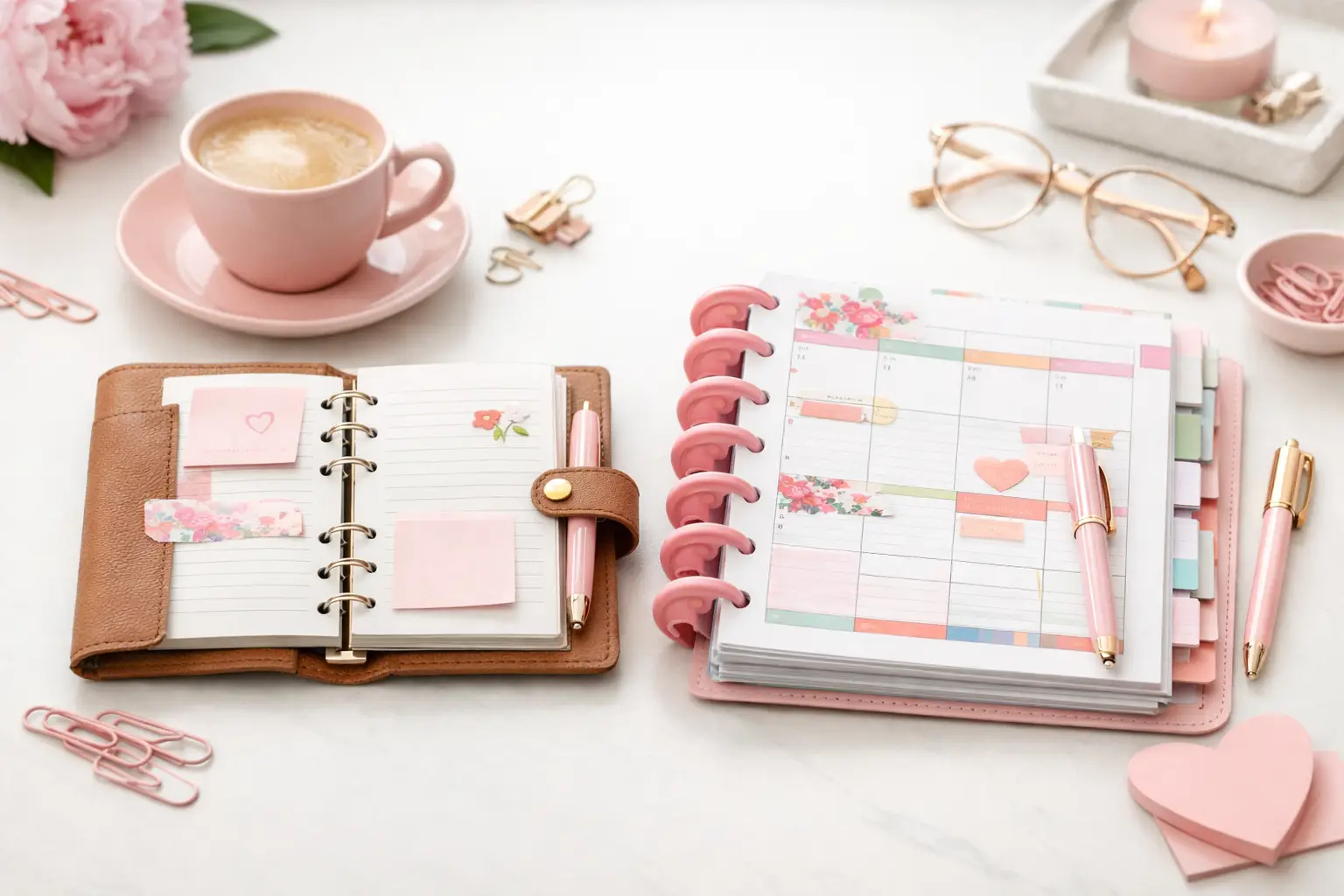
A6 vs happy planner: compare size, space, portability, and page options to choose printable inserts that make your everyday planning feel easier with purpose.

A fresh quarter always feels full of promise. You pick your focus, map out a few meaningful goals, and imagine how good it will feel to stay on track for the next three months. Then real life shows up. Work gets busy, routines shift, and even the prettiest planner pages can sit untouched for a week.
If you have ever wondered how to stay consistent with quarterly goals without turning your planner into a source of guilt, the answer is usually not more pressure. It is better structure, clearer checkpoints, and a planning setup you actually want to use. In this creative corner of planning possibilities, consistency comes from making your goals visible, manageable, and easy to return to after an off week.
Most people do not struggle because they lack motivation. They struggle because quarterly goals live too far away from daily life. A goal like organize the house, grow your side business, or improve your health sounds great in a quarterly overview, but it stays vague unless you translate it into pages you use every week.
Another common problem is overloading the quarter. Three months feels long, so it is tempting to cram in five major goals, a new routine, and a long list of projects. That looks exciting at the start, but it usually creates decision fatigue by week three. Your planner should reduce friction, not add more of it.
There is also the perfection trap. Many planner users love a clean setup, coordinated sections, and neat progress trackers. That can be a real strength, but if you believe one missed week ruins the system, consistency becomes fragile. The strongest planning routines leave room for messy weeks.
The best paper planning setup keeps your big picture close to your everyday pages. You should not have to flip through half your planner to remember what matters this quarter.
Start by choosing one to three quarterly goals. That limit matters. It gives each goal enough space to move forward. If you have more priorities, create a parking lot page for later ideas instead of forcing everything into the same season.
Next, give each goal a clear outcome and a clear next step. For example, instead of write more, define the goal as draft 12 newsletter issues this quarter. Instead of get healthier, define it as prep lunch four days a week and walk three times a week. Specific goals create specific planner actions.
Then place those goals where you will see them often. A dashboard page at the front of the quarter works well. You can also add a compact goals box to your monthly spread or a notes section in your weekly layout. The point is simple: if your goals stay visible, you are more likely to act on them.
A quarter gets easier when you break it into smaller planning layers. Think of it as a map. Your quarterly page shows the destination, your monthly pages mark milestones, and your weekly pages show the next few steps.
Write each goal on a dedicated quarterly planning page. Under it, add why it matters, what done looks like, and what could slow you down. This helps you spot weak goals early. If you cannot explain why a goal matters or how to measure progress, refine it before the quarter starts.
For example, if your goal is refresh your home routines, your page might include outcomes like set up a weekly cleaning rhythm, create a meal planning routine, and declutter one small area each week. That is much easier to work with than simply write be more organized.
Each month should carry part of the quarter, not the whole weight of it. If your goal is to complete 12 workouts in a month, that is measurable. If your goal is to finish a home project, define what part belongs in month one, month two, and month three.
This is where many people lose momentum. They keep writing the same quarterly goal on every monthly spread without deciding what success looks like this month. A milestone gives the month a job.
Weekly planning is where consistency lives. Each week, choose two or three actions that move a quarterly goal forward. Keep them practical. Call the contractor, print the project checklist, prep meals on Sunday, or outline chapter two. Those are planner-friendly actions. They fit into real schedules.
When your weekly steps stay small and clear, you protect your momentum. You also make it much easier to pick back up after a disrupted week.
A beautiful planner can do more than hold information. It can guide your attention. That matters when you are trying to stay consistent with quarterly goals.
Create one page or section that acts like your quarter-at-a-glance command center. Include your top goals, monthly milestones, and a short progress check area. If you enjoy decorating your planner, this is a great place to add color coding, tabs, or visual markers that make the section easy to find. Function comes first, but good design helps you return to the page.
You can also repeat your top priorities in small ways throughout your planner. Add a tiny quarterly focus box to each weekly spread. Use a sticky note for the week’s most important goal task. Mark goal-related tasks with a symbol so you can quickly see whether your week reflects your priorities.
These visual cues matter because they shorten the gap between intention and action. You do not need to remember your goals perfectly if your planner keeps gently reminding you.
If you only check in with your goals at the end of the quarter, you will usually notice problems too late. A weekly review fixes that.
Set aside a regular time, even if it is just 10 to 15 minutes. Flip through the current week, note what moved forward, and decide what needs attention next. Keep this simple. Ask yourself three questions: What worked? What stalled? What is the next best step?
This review is not a performance test. It is a reset point. Maybe your workload exploded and you only touched one goal. Fine. Use your review to scale the next week appropriately instead of copying an unrealistic plan again.
A monthly review helps too, but the weekly rhythm does most of the heavy lifting. It catches drift early and keeps one rough week from turning into six.
Consistency does not mean doing the same amount every week. It means staying connected to the goal across the quarter.
Some seasons support big progress. Others only allow maintenance. If you are traveling, caring for family, or handling a packed work period, your planner should reflect that reality. You may shift from three weekly actions to one. That still counts.
This is why flexible inserts and customizable layouts help so much. You can give more room to project planning during a busy launch month, then switch back to a simpler weekly format when life feels full. A good planner system supports your routine as it changes. It does not punish you for needing to adjust.
At Pretty Easy Planning, that kind of flexibility sits at the heart of a useful paper planning routine. You can print what fits this quarter, not force yourself into pages that no longer match your life.
Almost everyone falls behind at some point during a quarter. The difference between people who stay consistent and people who quit is what they do next.
Do not try to backfill every missed task. That usually creates a second wave of overwhelm. Instead, open to your current week and restart from where you are. Review the goal, choose one next action, and write it into your schedule.
If a goal keeps slipping, look for the real problem. Maybe the goal is too vague. Maybe the weekly tasks are too big. Maybe the quarter is crowded with competing priorities. Adjust the system before you blame yourself.
You can also ask whether the goal still belongs in this quarter. Sometimes letting go of a poorly timed goal is the smartest move. Consistency gets stronger when your plan reflects your actual capacity.
If you want a practical approach, use this rhythm. At the start of the quarter, choose up to three goals and define success clearly. At the start of each month, assign milestones to that month. Each week, pick a few specific actions and place them directly in your planner. At the end of the week, review, adjust, and carry only what still matters.
That is not flashy, but it works. It keeps your goals close, your pages useful, and your expectations realistic.
Your successful planning story begins with a single print, a clear next step, and the willingness to keep showing up even when the quarter does not go perfectly.

€4,24
€4,24
€4,24
€4,24
A6 vs happy planner: compare size, space, portability, and page options to choose printable inserts that make your everyday planning feel easier with purpose.

Wondering which planner pages do i need? Build a practical paper planner with only the inserts that support your real routines, goals, and plans daily.
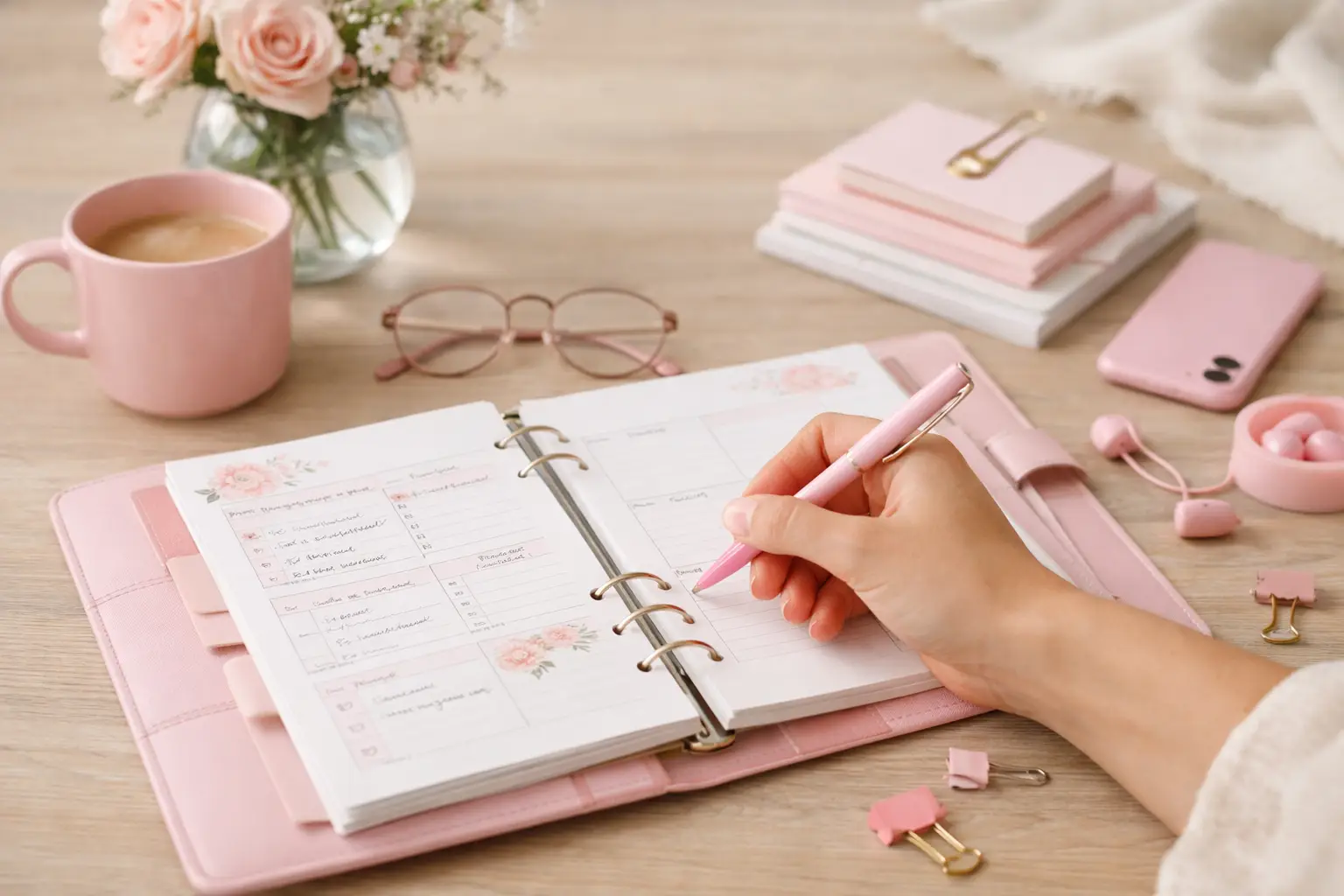
The future of printable planners favors flexible, beautiful systems: print what fits your week, refresh routines, and keep every page useful for life.