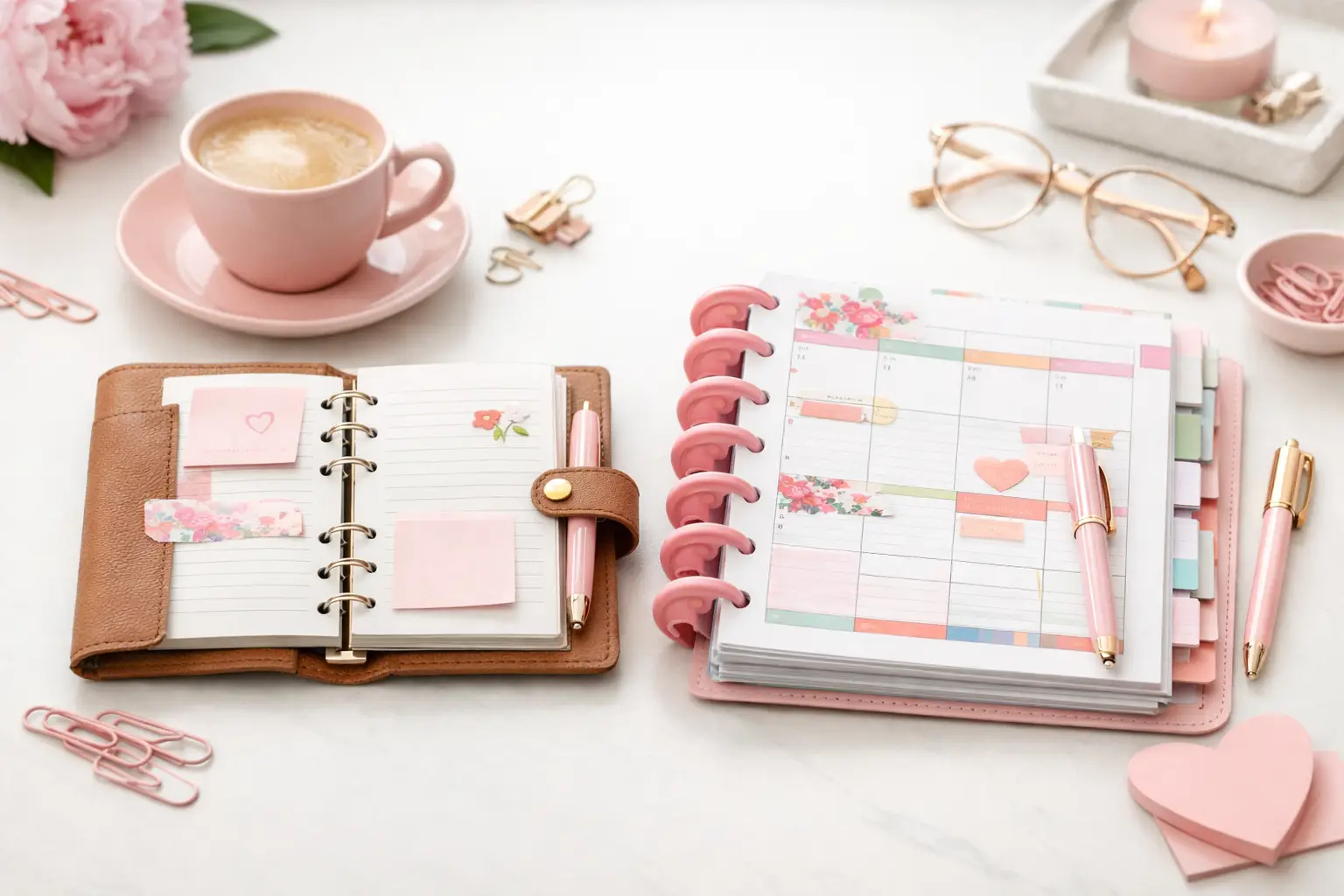
A6 vs Happy Planner: Which Fits Your Life?
A6 vs happy planner: compare size, space, portability, and page options to choose printable inserts that make your everyday planning feel easier with purpose.

Three months feels manageable on paper, but it can still get messy fast. You start a quarter feeling clear and motivated, then life piles on – work deadlines, family logistics, appointments, and the random errands that somehow eat an entire Saturday. That is exactly why quarterly goal setting for beginners works so well in a paper planner. It gives you enough room to make meaningful progress without asking you to predict your whole year.
If yearly goals feel too big and monthly planning feels too short, a quarter often lands in the sweet spot. You can choose a few priorities, map out realistic steps, and actually see how your daily pages connect to something bigger. For planner lovers, this creates a satisfying bridge between vision and action.
A quarter is long enough to build momentum and short enough to stay relevant. That balance matters. When you set a goal for the full year, it can feel inspiring at first, then vague by February. On the other hand, a single month might not give you enough time for bigger changes like building a routine, finishing a project, or organizing a major area of your life.
Three months creates a clear planning window. You can look ahead without overwhelming yourself. You can also pair your goals with seasonal reality. A quarter that includes school breaks, travel, or a busy work period should look different from a quieter one. Good planning always works better when it respects your actual life instead of pretending every week has the same capacity.
This is especially helpful for beginners because it cuts down on overplanning. You do not need a perfect yearly roadmap. You just need a solid next step.
Before you write goals, pause and think about your season of life. Not in a vague, dreamy way – in a practical one. Ask yourself what needs support right now. Maybe your home feels chaotic. Maybe you want a more reliable work routine. Maybe you need to take better care of your energy instead of packing every page with tasks.
That question helps you choose goals that fit your reality. It also keeps you from copying someone else’s planning priorities. A beautiful planner setup only helps if the goals inside it belong to you.
Try writing a short focus statement for the quarter. Something like, “I want this quarter to feel calmer and more consistent,” or, “I want to finish what I start.” That one sentence gives your planning pages direction.
Most beginners make the same mistake right away. They confuse enthusiasm with capacity.
You might have ten things you want to improve, but your quarter will go better if you choose one to three real goals. That does not mean you ignore everything else. It means you decide what gets your best planning space, your most consistent attention, and your follow-through.
A good quarterly goal usually has a clear outcome and a reason behind it. For example, “get healthier” is too fuzzy to plan well. “Walk four times a week and prep weekday lunches for two months” gives you something you can actually schedule.
The trade-off is simple. Fewer goals mean more focus, but they also force you to make choices. That can feel uncomfortable at first. Still, clear priorities beat a crowded dashboard every time.
Once you choose your goals, the next step is turning them into something your planner can hold. This is where paper planning shines. You can build a layout that matches the way you think, instead of squeezing your plans into a format that never quite fits.
You can use a goal planning insert or start with a blank page.
Start with one page or dashboard for the whole quarter. Write each goal at the top and leave space underneath for milestones. Think of milestones as checkpoints you can reach within the three-month period. If your goal is to organize your home office, your milestones might be clear the desk, sort paperwork, set up storage, and create a weekly reset routine.
Next, move those milestones into your monthly pages. Ask yourself what makes sense for month one, month two, and month three. Keep it simple. The goal is not to schedule every tiny action yet. You just want a rough map.
Then bring your plan into weekly pages. This is where your goal starts to become real. A milestone like “sort paperwork” turns into tasks such as gather all paper piles, shred outdated items, file tax documents, and label folders. Weekly planning gives your goal traction.
Finally, pull small actions into your daily pages when needed. If your quarter goal lives only on a big-picture insert, it stays inspiring but inactive. Once it shows up on a Tuesday task list, it becomes part of your life.
Let’s say your goal is to create a better morning routine. That sounds manageable, but it still needs structure.
On your quarterly page, your goal might read: “Build a weekday morning routine that helps me leave the house on time without feeling rushed.” Your milestones could be wake up at a consistent time, prep the night before, simplify morning tasks, and track what actually works.
In month one, you might focus only on your wake-up time and evening prep. In month two, you test a shorter routine and adjust what slows you down. In month three, you aim for consistency and review your progress each week.
Inside your weekly inserts, that could look like setting out clothes on Sunday, packing your bag each evening, and checking off your morning routine four days a week. Notice how practical that is. You are not just hoping to become more organized. You are giving yourself repeatable steps.
A quarterly plan needs check-ins. Otherwise, even a well-designed setup can turn into pretty paper with no follow-through.
Set aside a short review at the end of each week and a slightly deeper one at the end of each month. During your weekly review, look at what moved forward, what got skipped, and what needs to roll over. During your monthly review, ask whether the goal still fits, whether your timeline makes sense, and whether you need to scale up or simplify.
This matters because life changes mid-quarter. A work project may suddenly demand more time. Family responsibilities may shift. Your energy may drop. Adjusting your plan does not mean you failed. It means you are paying attention.
Many planner users do especially well with a dedicated review insert or notes page for this. Keeping your reflections in one place helps you spot patterns faster. You may notice that a goal keeps stalling because it lacks a next action, or because you placed it in a season where you simply do not have the bandwidth.
Sometimes a goal sounds right at the start of the quarter and falls apart a few weeks later. That is normal.
When that happens, resist the urge to scrap the whole planning system. Instead, ask a better question. Is the goal wrong, or is the method wrong? Maybe you chose too much. Maybe the task breakdown was too vague. Maybe the goal still matters, but it belongs in the next quarter instead of this one.
Give yourself permission to edit. Your planner should support your life, not trap you in an outdated plan. This is one reason customizable inserts matter so much. You can rework your pages, print what you actually need, and keep refining your system until it feels natural and useful.
At Pretty Easy Planning, that flexibility sits at the center of the process. When your layouts match your routine, quarterly planning gets easier to maintain and much more enjoyable to use.
You do not need a flawless quarterly spread. You need a plan you will return to.
That may mean using clean, simple inserts instead of filling every section. It may mean choosing one meaningful goal instead of three. It may mean leaving white space for the unexpected. Good planning is rarely about packing in more. Most of the time, it is about making better decisions with the space you have.
If you are new to this, keep your first quarter light. Let yourself learn what kind of goals motivate you, how much weekly space you need, and which review habits actually stick. Your planner can grow with you. That is part of the fun in this creative corner of planning possibilities.
Your successful planning story begins with a single print, a realistic goal, and one honest next step.

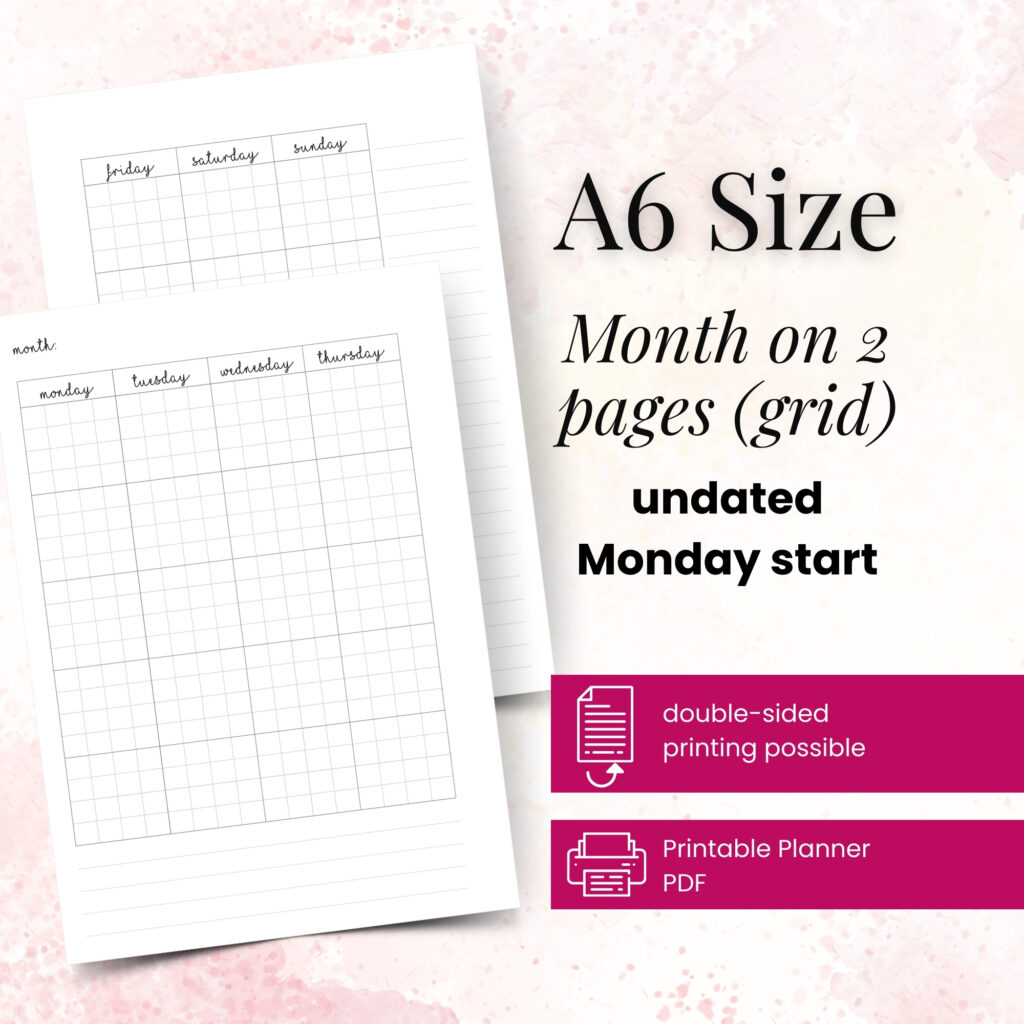
€4,24
€4,24
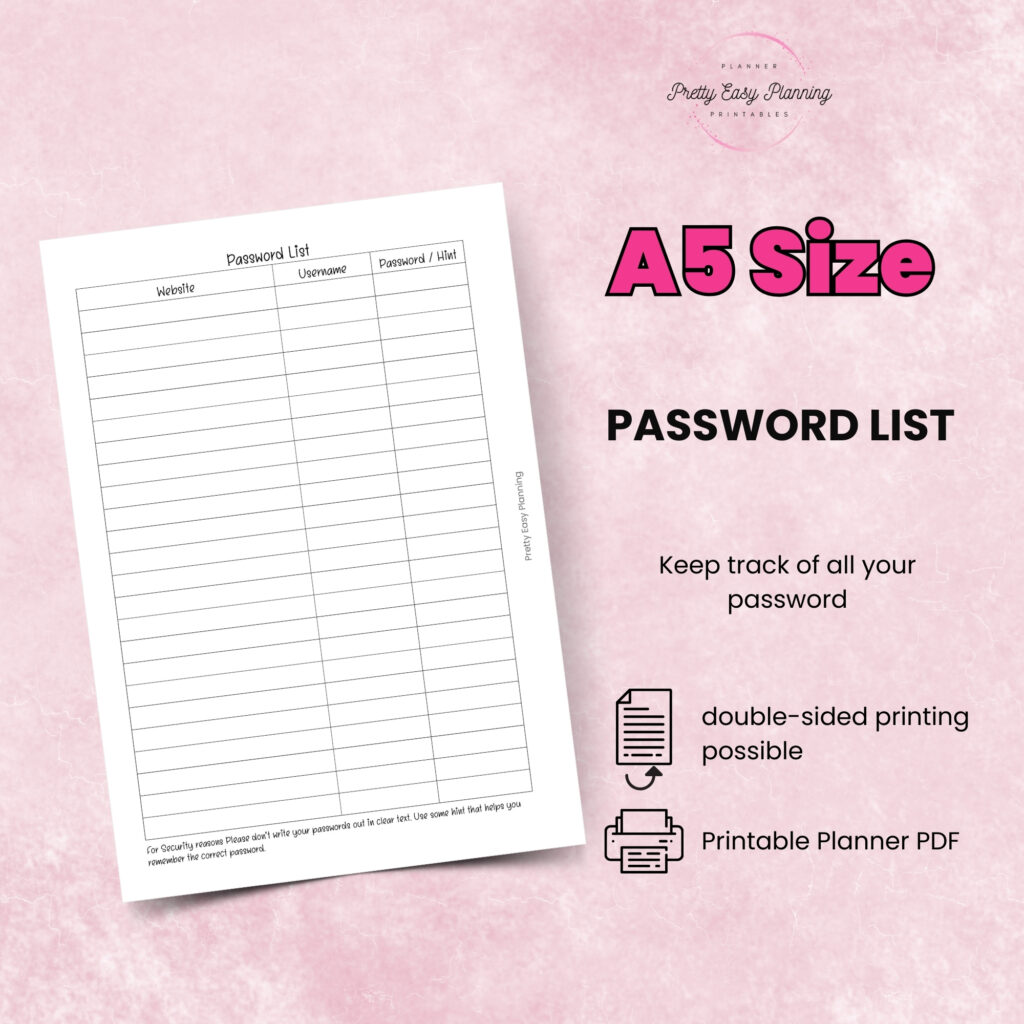
€4,24
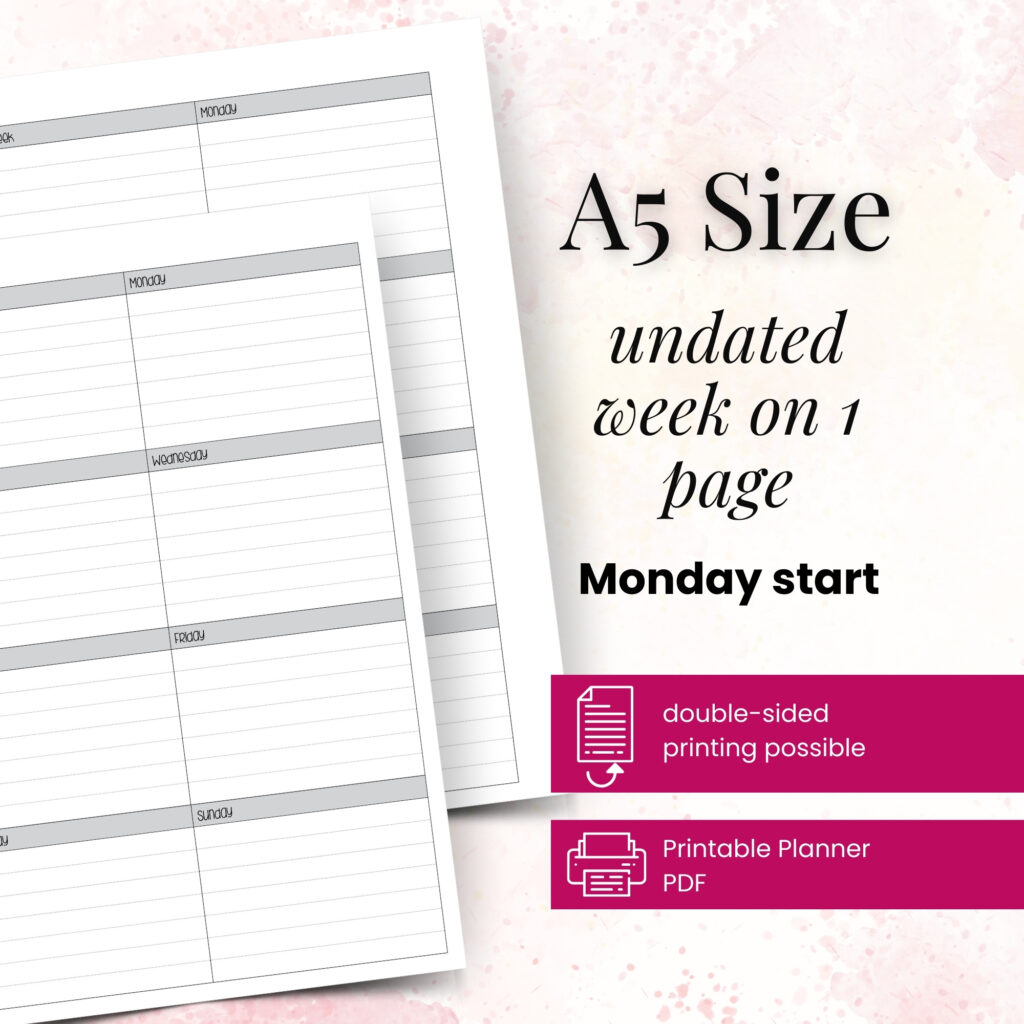
€4,24
A6 vs happy planner: compare size, space, portability, and page options to choose printable inserts that make your everyday planning feel easier with purpose.

Wondering which planner pages do i need? Build a practical paper planner with only the inserts that support your real routines, goals, and plans daily.
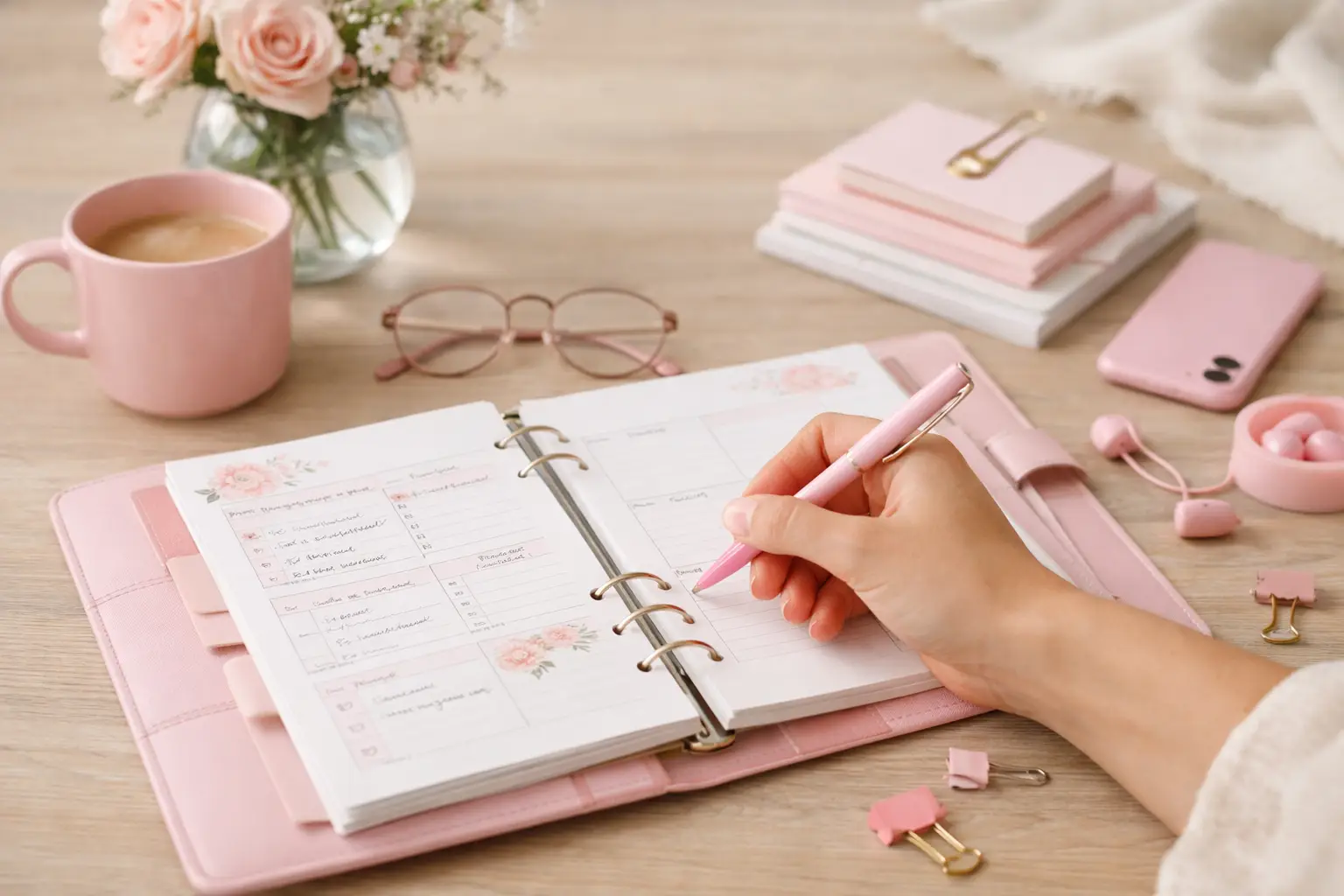
The future of printable planners favors flexible, beautiful systems: print what fits your week, refresh routines, and keep every page useful for life.