A planner page earns its place when you reach for it again tomorrow. That simple test shapes the future of printable planners more than any passing color trend or clever productivity promise. Paper planners remain meaningful because they give you a quiet, visible place to make decisions, notice patterns, and create a routine that feels like your own.
The next chapter will not look like one perfect planner that works for everyone. It will look like more choice with less fuss: layouts that fit real schedules, sizes that fit favorite rings, and pages you can refresh when life changes. For paper planners who want beauty and function in the same binder, that is very good news.
Key Takeaways
-
Printable planners will keep moving toward smaller, more personal systems instead of one-size-fits-all yearly books.
-
Flexible routines matter more than rigid productivity rules, especially during busy seasons and life changes.
-
Thoughtful layouts, clear printing options, and reusable page libraries will make customization easier.
-
Paper planning will stay valuable because writing by hand creates focus that a crowded screen often cannot offer.
The Future of Printable Planners Centers on Choice
A dated planner can feel wonderfully fresh on January 1 and surprisingly restrictive by March. Maybe a new job changes your work hours. Maybe a child starts a new activity, a health goal needs more attention, or a project suddenly takes over your week. Pre-printed pages cannot always keep up.
Printable inserts solve that problem by letting your planner grow with you. You might use a detailed daily page during a demanding work season, then switch to a simpler weekly overview when life calms down. A meal-planning insert can join your household section for a few months, while a goals dashboard can move front and center during a focused quarter.
This does not mean every planner needs dozens of sections. In fact, the most useful systems often use fewer pages with a clear purpose. The real advantage lies in choosing those pages yourself and printing them when they make sense. You stop storing layouts that no longer serve you.
Smaller print runs will become the norm
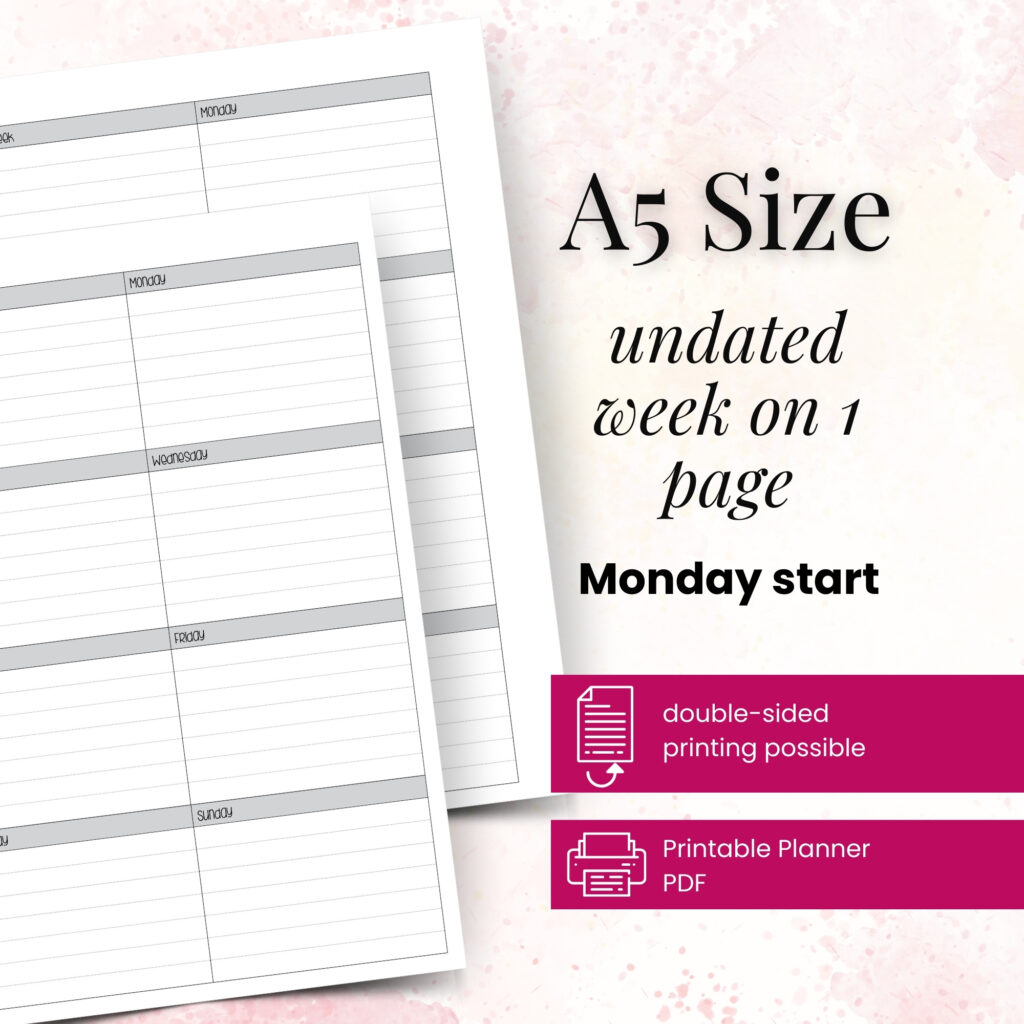
Many planner users already print a month, quarter, or season at a time. That habit will likely become even more common. Instead of committing to 12 months of identical pages, you can test a weekly layout for four weeks and decide whether it supports your actual routine.
For example, a busy parent may print weekly vertical pages for family appointments, two notes pages for school reminders, and a running grocery list. A freelancer may prefer a weekly dashboard with project deadlines, client notes, and an invoice tracker. Both planners can use the same ring size while building completely different planning stories.
Short print runs also reduce waste. If a layout misses the mark, you have only printed a few pages, not an entire planner you feel guilty about abandoning.
Better Design Will Matter More Than More Decoration
Pretty pages can make planning feel inviting, and that joy has real value. Still, the future belongs to designs that understand how people use their planners on a Tuesday afternoon when they have three minutes and a long to-do list.
Creator-tested layouts will stand out because small details matter. Is there enough writing room for an appointment? Can you quickly find the current week? Does the notes area support a real brain dump, or does it look nice but feel too cramped to use? Does the page remain readable after you add stickers, highlights, and hand-written changes?
A beautiful insert should support your handwriting rather than compete with it. Soft colors, intentional spacing, useful labels, and clean margins create an attractive page without making planning feel like a craft project you must complete perfectly.
Expect modular pages that work together
The strongest printable collections will feel coordinated without becoming repetitive. A monthly calendar, weekly insert, task list, notes page, and dashboard should look at home in the same planner while serving distinct jobs.
That coordination makes it easier to build sections over time. You could begin with monthly and weekly pages, then add a reading log, travel checklist, or project planner when you need it. Matching design details help your binder feel considered, even when you build it one useful page at a time.
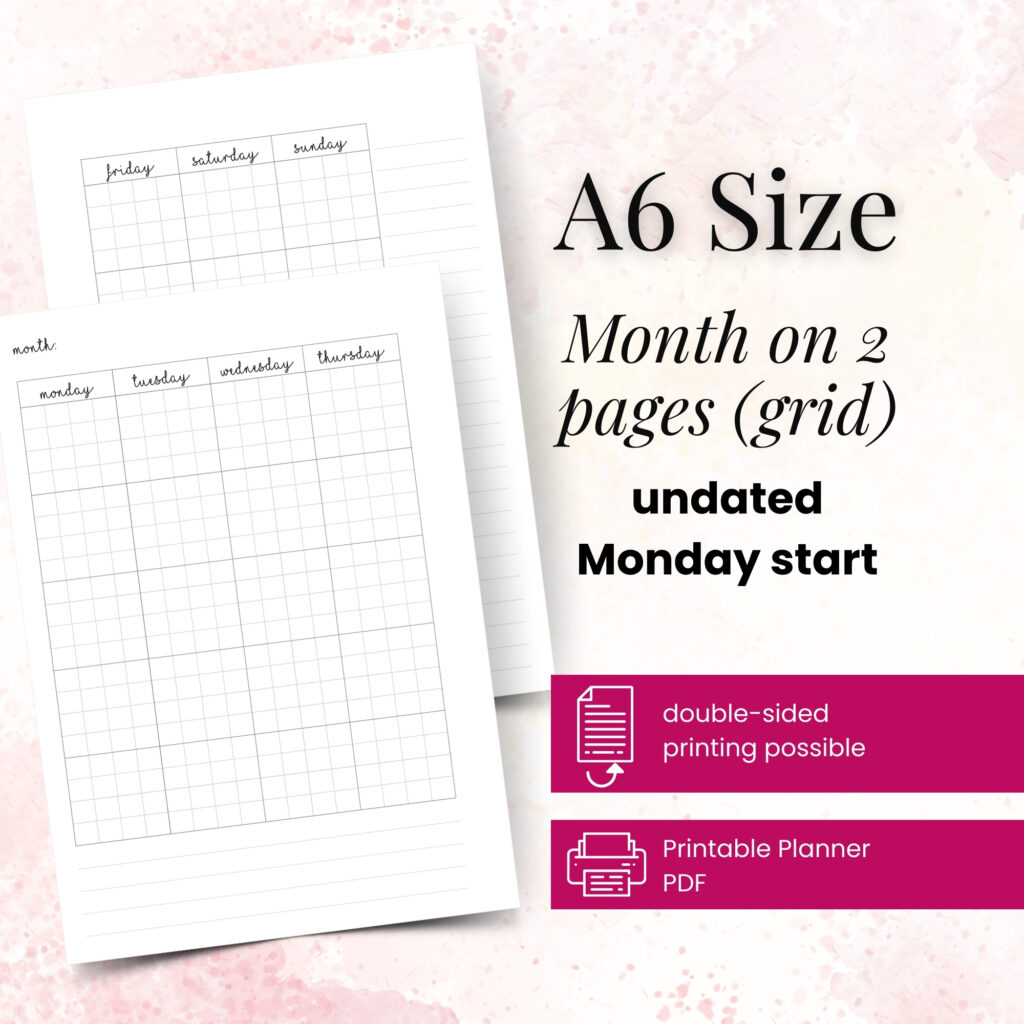
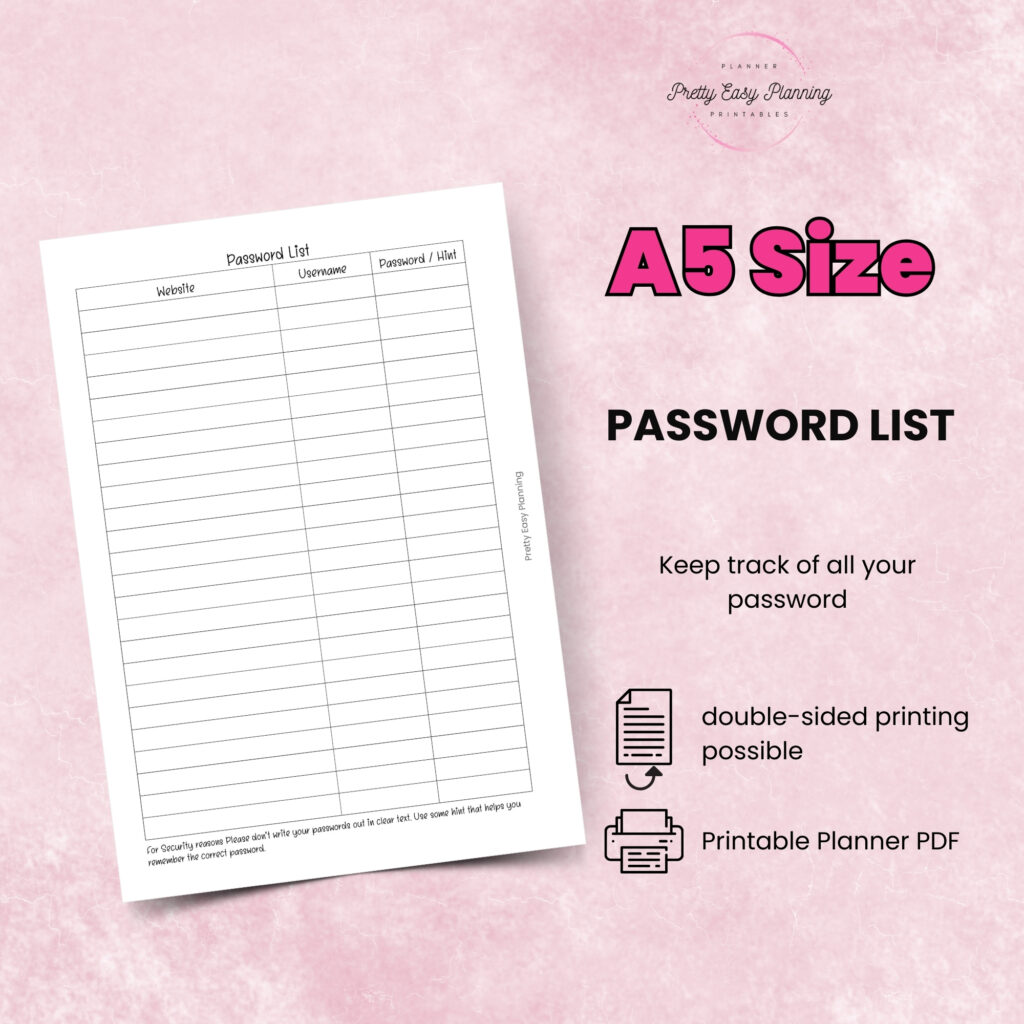
Format-specific design matters here, too. An A5 page has different space than a Personal insert, and a Happy Planner Classic layout needs different proportions than an A6 page. Simply shrinking a page rarely creates a satisfying result. Well-designed inserts account for the space you actually have, including punch areas and room to turn pages comfortably.
Paper Will Keep Its Place in a Screen-Heavy Life
The future will include smarter tools and more automated reminders, but paper does something different. A paper planner does not buzz, refresh, or pull your attention toward another tab. It asks you to pause long enough to decide what matters.
Writing plans by hand can make your schedule feel more tangible. When you move an appointment, cross off a task, or add a note beside a goal, you see the shape of your week. That physical interaction gives many people a stronger sense of ownership than a list that disappears behind a notification.
Paper also supports creative thinking. A blank notes page can hold a messy idea, a quick sketch, a packing list, and a phone call note without asking you to sort them first. That freedom works especially well for people who need structure but do not want every thought to fit into a rigid field.
Of course, paper is not the best tool for every task. Shared schedules, last-minute changes, and complex team coordination may require other systems. Your planner does not need to replace every tool in your life. It can become the place where you bring your priorities together and decide what deserves your energy next.
Customization Needs to Stay Easy
More options only help when they do not create decision fatigue. The future of printable planners should make personalizing your system feel approachable, not like a complicated design assignment.
Start with the planning problem, not the product category. If you keep forgetting small tasks, choose a weekly layout with a clear task area. If appointments dominate your days, look for timed space. If you feel scattered, add one simple dashboard that shows your current priorities. Let each page solve a real problem before adding another one.
Then follow a simple three-step test:
- Print enough pages for two to four weeks.
- Use them without trying to make them look perfect.
- Notice where you run out of room, skip sections, or need more support.
After that, adjust one element at a time. You may discover that your preferred layout works beautifully but needs a separate notes insert. Or perhaps you love a weekly overview but need daily pages only on high-pressure workdays. These small changes create a planner that feels custom because it reflects your life, not because it contains everything.
At Pretty Easy Planning, that kind of flexibility sits at the heart of the experience. Choosing your size, printing on paper you enjoy, and returning to a favorite layout whenever you need it turns planning into a system you can keep refining.
The Most Sustainable Planner Is One You Continue Using
Sustainability in paper planning does not require perfection. It starts with avoiding pages that sit unused in a drawer. When you print only the inserts you need, you can use both sides of appropriate pages, choose paper that suits your pens, and avoid buying a new full planner simply because one section stopped working.
You can also give a planner a longer life by refreshing it instead of replacing it. New monthly pages, a fresh set of weekly inserts, or a different dashboard can make an existing cover and ring system feel useful again. That approach supports your budget as well as your planning habits.
The trade-off is that printing takes a little preparation. You need to check page size, orientation, and duplex settings before making a larger batch. Once you create a simple printing routine, though, that extra minute often saves frustration later. A test sheet costs less than correcting a stack of misaligned pages.
Your successful planning story begins with a single print. Choose a page that helps you see the next week clearly, give it an honest try, and let your planner change as your life does.