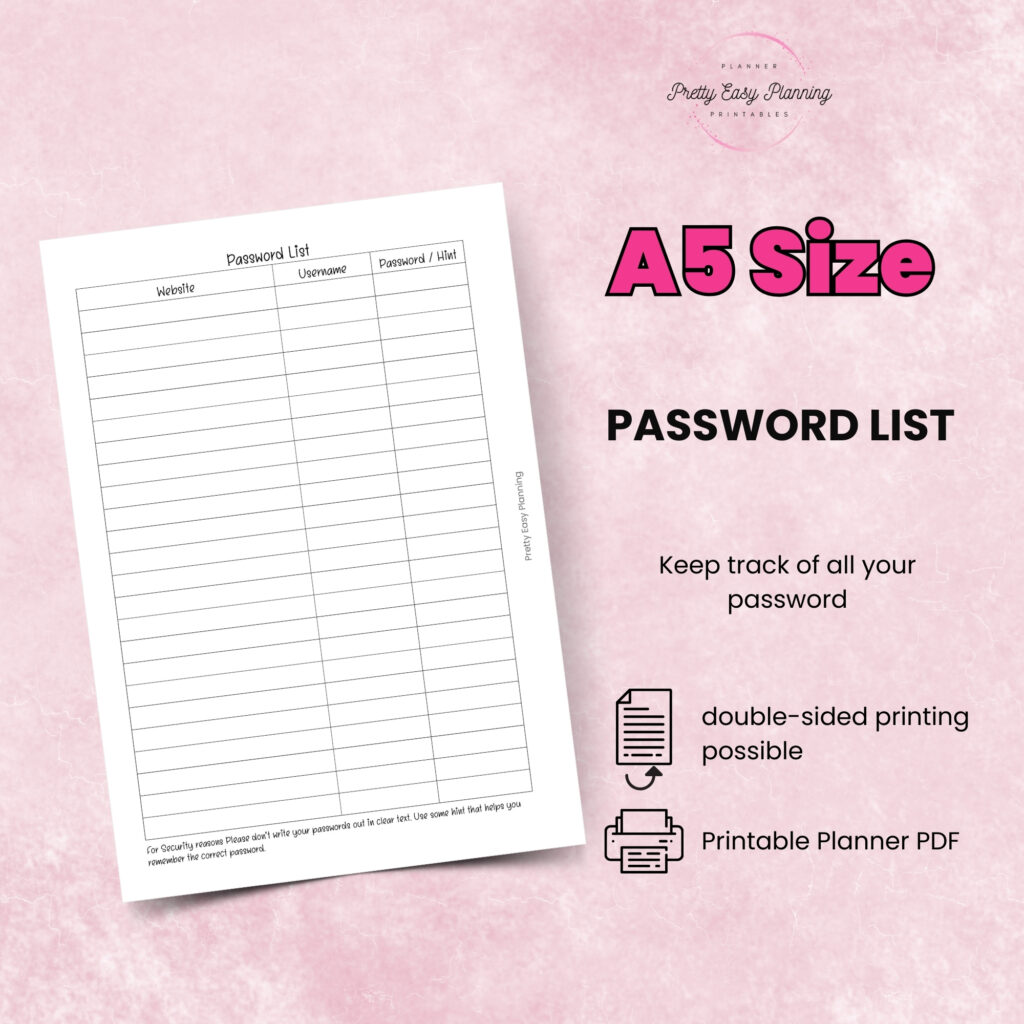
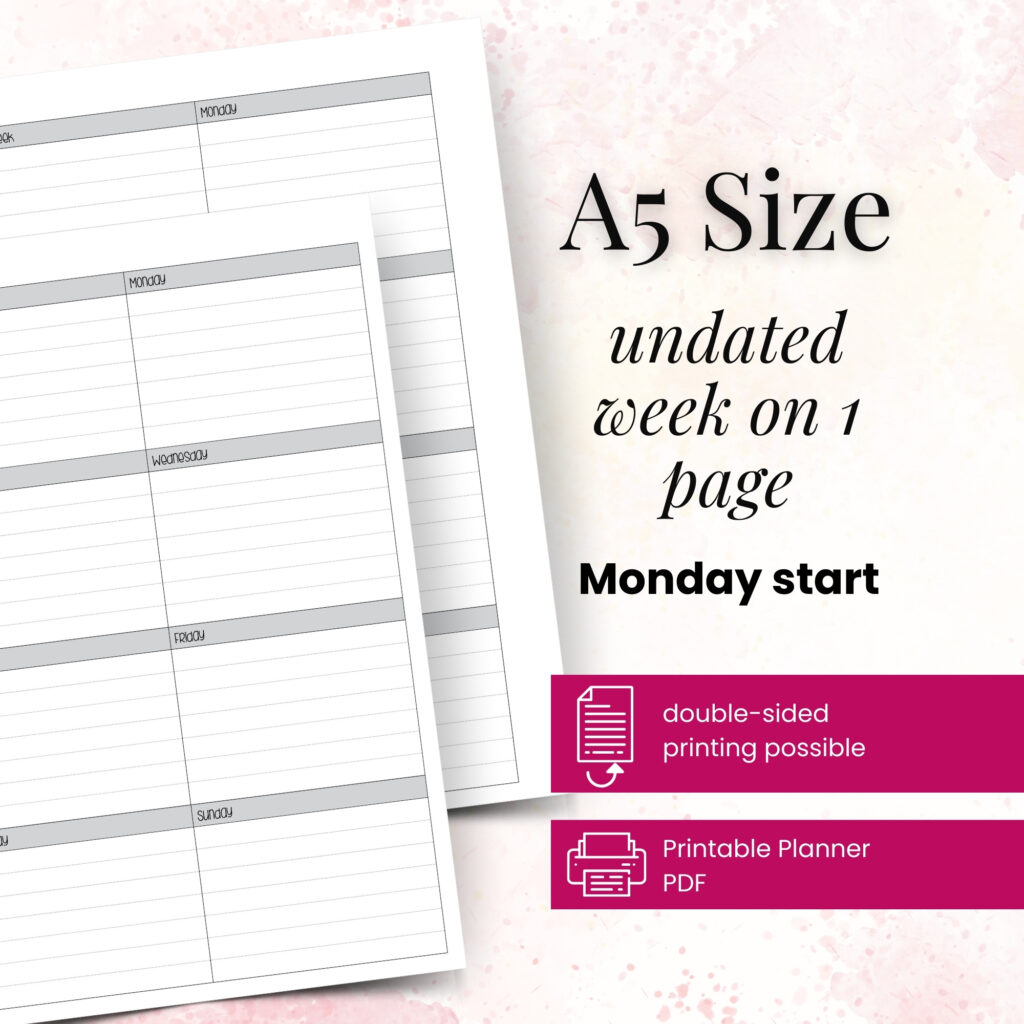
You realize your weekly layout is wrong on Tuesday. The boxes feel cramped, your meal plan needs more room, and the notes section you thought you wanted sits empty again. That is exactly where instant download planner pages make planning feel easier instead of more frustrating. You do not need to wait for shipping, settle for a fixed format, or keep using pages that do not fit the way you actually plan.
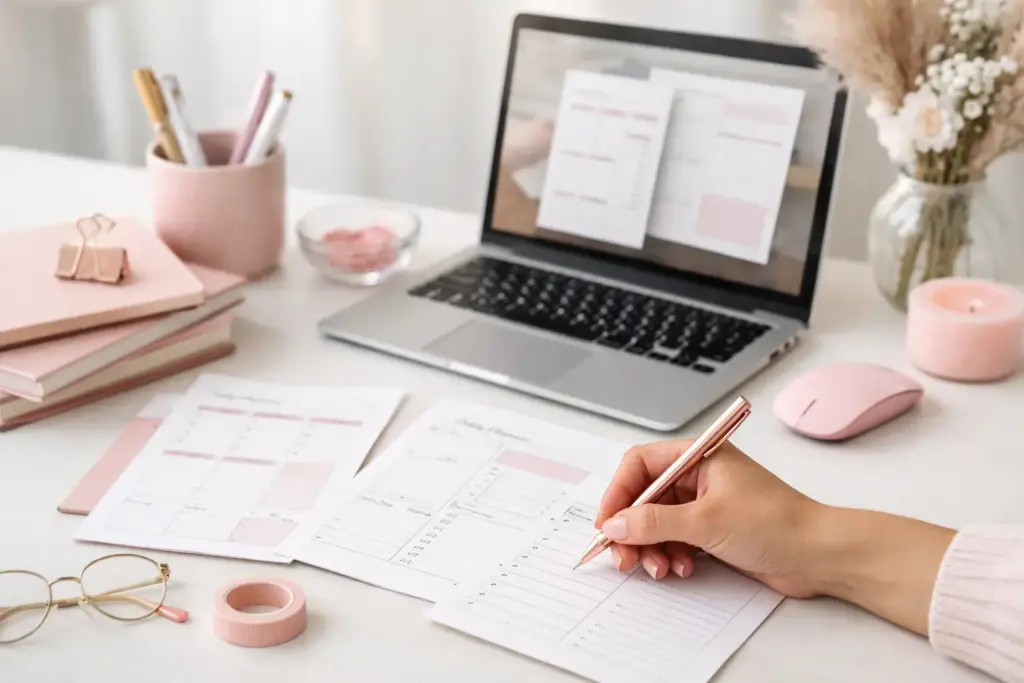
For paper planners, speed matters, but flexibility matters even more. When you can print the pages you need, in the size you use, on the paper you prefer, your planner starts working like a real tool instead of a compromise. That is why so many planner users move from pre-printed books to printable inserts once they want more control over their routine.
Key Takeaways
-
Instant download planner pages give you access right away, so you can fix a planning problem the same day.
-
They help you avoid wasted pages because you print only what you will actually use.
-
You can build a planner around your life, whether you need daily pages, lists, dashboards, or monthly planning.
-
Format matters, so choosing inserts made for your planner size makes setup much easier.
-
The best pages balance function and style, so your planner feels useful and enjoyable to use.
What makes instant download planner pages so useful?
The biggest advantage is simple: you can start now. If your current setup is not working, you can switch layouts tonight, print tomorrow morning, and move forward without losing momentum. That kind of speed makes a real difference when you plan for work, family, appointments, projects, or home routines.
The second advantage is customization. Pre-printed planners ask you to adapt to them. Printable pages let you build around your own habits. Maybe you want monthly pages for long-range planning, weeklies for structure, and extra notes pages for projects. Maybe you need more list space during busy seasons and more daily detail during goal-focused months. You can adjust as your life changes.
That flexibility also reduces waste. If you only use meal planning inserts during the school year, print them then. If you go through a season where daily pages help you stay on top of everything, add them. When your routine shifts, your planner can shift with it.
Instant download planner pages vs. pre-printed planners
A bound planner can feel convenient at first. You buy it, open it, and start writing. For some people, that is enough. But if you have ever crossed out unused sections week after week, you have already felt the downside.
Instant download planner pages give you more control over layout, quantity, and timing. You do not pay for pages you will never use, and you do not get stuck with a format that looked good online but feels awkward in real life. You can test a weekly horizontal layout, switch to a vertical version, and see which one fits your writing style better.
There is a trade-off, though. Printable planning asks for a little setup. You need a printer, paper, and a basic routine for cutting or punching pages if your planner requires it. For many planner users, that small effort feels worth it because the finished system fits so much better. If you want complete grab-and-go convenience, a pre-printed planner may still appeal to you. If you want a planner that reflects how you actually live, printable inserts usually win.
How to choose the right pages for your planner
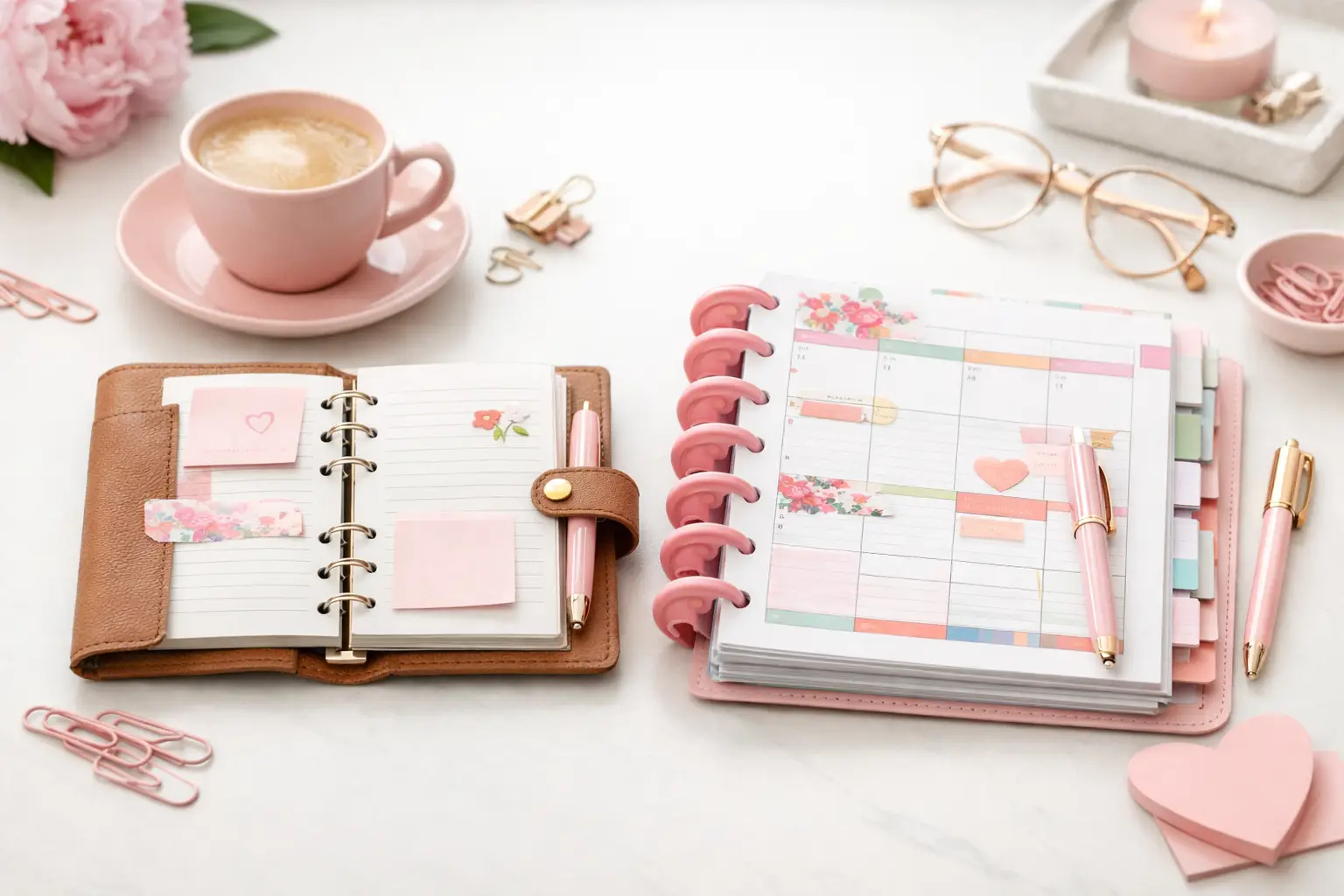
Start with size. This sounds obvious, but it saves a lot of frustration. A page that works beautifully in A5 may feel crowded in Personal or too sparse in Happy Planner Classic. Choosing the correct format first helps everything else fall into place.
Next, think about planning type before decoration. Ask yourself what you need the pages to do. Do you need your week at a glance? Do you manage several categories each day? Are you tracking habits, work tasks, household tasks, or appointments? A pretty layout only stays useful if it supports your routine.
Then consider your planning rhythm. Some people thrive with structured daily inserts. Others need monthly overviews and flexible note pages. A practical setup might include a monthly calendar, a weekly spread, and a few list pages for ongoing tasks. A busier season might call for dashboards, routines, or project pages.
If you are new to printable planning, start small. Pick one monthly layout, one weekly layout, and one notes page. Print a short trial set and use it for a week or two. You will learn more from real use than from staring at product images for an hour.
The layouts that solve the most common planning problems
When planners stop working, the problem usually comes down to space, structure, or flow. The right printable pages can fix all three.
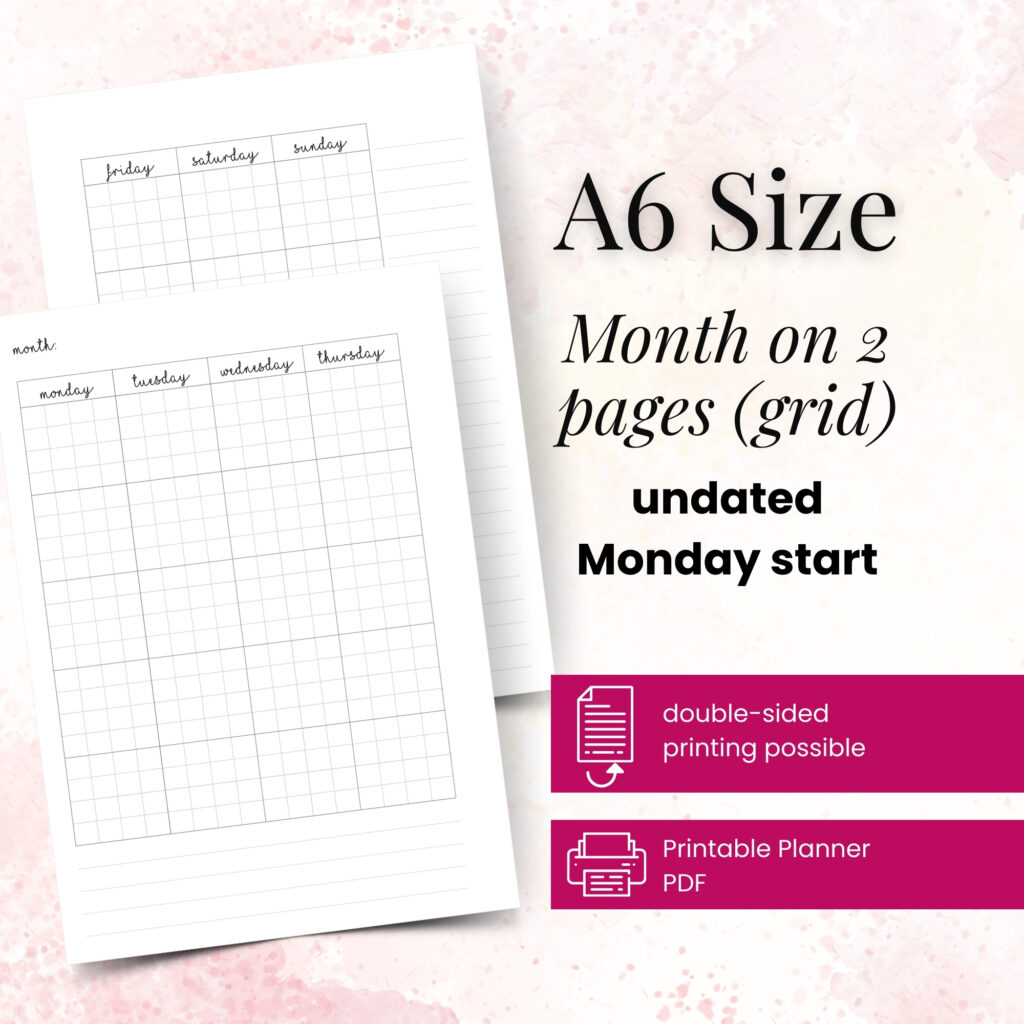
Monthly pages help when you need a clear overview of appointments, deadlines, birthdays, or seasonal plans. They give you a bigger picture and make it easier to spot busy weeks before they sneak up on you.
Weekly inserts work best when you want balance. They help you map out tasks, meetings, home responsibilities, and personal priorities in one place. If you often feel scattered, a strong weekly layout creates the backbone of your planner.
Daily pages add detail. They are especially helpful during busy work periods, travel weeks, school seasons, or times when you need tighter time management. You may not need them every month, and that is one of the best things about printable inserts. You can use them only when they serve you.
Notes pages, lists, and dashboards fill the gaps. They support brain dumps, shopping lists, project steps, reading notes, packing plans, and all the little categories that do not fit neatly into a standard calendar page. These supporting inserts often turn a decent planner into one you truly rely on.
How to use instant download planner pages without feeling overwhelmed
Too many options can slow you down. The easiest way to avoid that is to build your planner in layers.
Start with your core pages. For most people, that means monthly and weekly inserts. Use those first and notice where your planner still falls short. Maybe you keep writing random notes in the margins. That tells you notes pages would help. Maybe your weekly spread gets overloaded on Mondays and Thursdays. That may mean you need dailies for certain days.
Print in small batches. You do not need six months of inserts on day one. Print one month, test it, then adjust. That approach keeps your planner current and helps you refine it without wasting paper.
Keep your setup realistic. If you love decorative planning, leave room for that. If you prefer clean and functional pages, lean into simplicity. Your successful planning story begins with a single print, not a perfect planner stack assembled all at once.
Why tested layouts matter more than trendy ones
A layout can look beautiful and still fail in daily use. Maybe the writing spaces are too small, the sections feel forced, or the page includes decorative elements that crowd out function. That is why creator-tested inserts matter.
Good planner pages come from real use. They reflect the fact that people need room for changing priorities, messy handwriting, unexpected errands, and actual life. A strong insert design feels balanced on the page, but it also guides your planning in a way that makes sense at 7 a.m. on a busy Wednesday.
This is where experienced planning brands stand out. At Pretty Easy Planning, that practical testing mindset shows up in layouts that feel polished without losing usability. For planner users who want both beauty and function, that combination matters.
The real value: control, not just convenience
It is easy to focus on the instant part of instant download planner pages, and yes, getting access right away is a huge benefit. But the bigger value is control. You control the format, the paper, the quantity, and the mix of inserts in your planner.
That control helps you respond to real life. You can print extra weekly pages during a demanding month. You can add list inserts before the holidays. You can refresh your planner after a routine change without starting from scratch. Instead of forcing yourself to fit a fixed planner, you shape your planner around your actual needs.
That is what makes printable planning feel so satisfying. It supports both structure and creativity. You get the practical benefit of pages that truly work, plus the freedom to make your planner feel personal.
If your current setup keeps asking you to compromise, this might be your sign to stop adjusting to the planner and start choosing pages that adjust to you.