A6 vs Happy Planner: Which Fits Your Life?
A6 vs happy planner: compare size, space, portability, and page options to choose printable inserts that make your everyday planning feel easier with purpose.
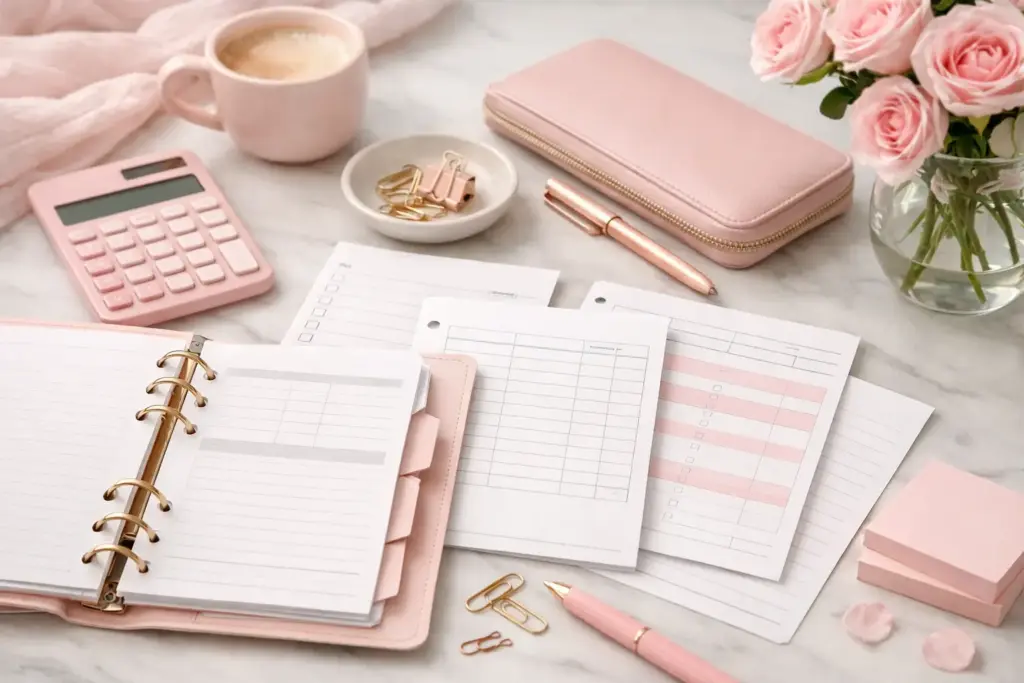
That moment when you realize your money looks fine in your head but messy on paper is exactly when budget planner inserts start earning their spot in your planner. A good budget setup gives every dollar a job, shows you where your habits drift, and helps you make smarter decisions without turning your planner into a finance textbook.
If you already love paper planning, budgeting inserts feel like a natural next step. They bring structure to spending, bills, savings goals, and everyday money decisions, but they still let you build a system that fits your life. That flexibility matters because a monthly paycheck, freelance income, family expenses, and sinking funds all need slightly different layouts.
The best budget planner inserts do more than hold numbers. They help you see patterns. Maybe groceries creep up every weekend, or subscriptions keep draining more than you expected. Maybe your savings goal sounds realistic until birthdays, school costs, or travel plans show up.
That is why functional budgeting pages matter. They create a place to plan ahead, track what really happened, and compare the two without guesswork. When your inserts work well, they reduce friction. You stop scribbling random totals in empty notes pages and start using a layout that guides your next step.
For most planner users, that means tracking bills, managing variable spending, checking progress on savings, and keeping financial goals visible. Some people want a full household budget. Others only need a clean monthly overview and a spending log. It depends on how detailed you like to be and how often you plan to check in.
It is easy to choose inserts because the design looks beautiful. That matters, of course. You should enjoy opening your planner. Still, budgeting pages need to suit your routine first.
If you check your finances once a week, a weekly spending tracker and monthly budget page may be enough. If you manage multiple categories, shared expenses, or irregular income, you may need more structure. In that case, dedicated bill trackers, cash envelope pages, sinking fund sheets, or debt payoff trackers can make your system easier to maintain.
Be honest about your attention span too. Some people love detail and happily fill in every category. Others need broad sections and quick totals or they stop using the pages altogether. A planner setup only works when you want to return to it.
A strong money section usually starts with a few reliable basics. You do not need every finance page at once. In fact, too many inserts often create more pressure than progress.
This is the anchor page for many planners. It lets you map expected income, fixed bills, savings, and spending categories before the month begins. If you only use one money insert regularly, this might be the one.
A monthly budget page works especially well if your bills follow a predictable cycle. You can set your plan, then review actual spending at the end of the month and adjust the next one.
Expense trackers show where your money goes between planning sessions. They are useful for categories that tend to blur together, like groceries, dining out, household extras, kids’ activities, or impulse purchases.
If your spending feels hard to control, this insert adds visibility fast. You can spot small leaks before they turn into a frustrating monthly surprise.
Bills rarely feel complicated until one slips through the cracks. A bill tracker gives you one clear place to list due dates, amounts, and payment status. That sounds simple, but it saves a lot of mental energy.
This page helps if you manage several recurring payments or want a quick monthly check before payday. It is also helpful when expenses hit on different dates instead of all at once.
Savings goals stay abstract until you break them into smaller milestones. Inserts for sinking funds or savings tracking help you plan for holiday shopping, annual fees, vacations, home projects, or emergency reserves without wrecking your regular budget.
These pages work best when they stay visible. Tucking them behind a divider and never checking them defeats the point.
A budget page can be perfectly designed and still annoy you if it does not fit your planner well. Size changes how much writing room you get, how much detail feels comfortable, and how portable your setup stays.
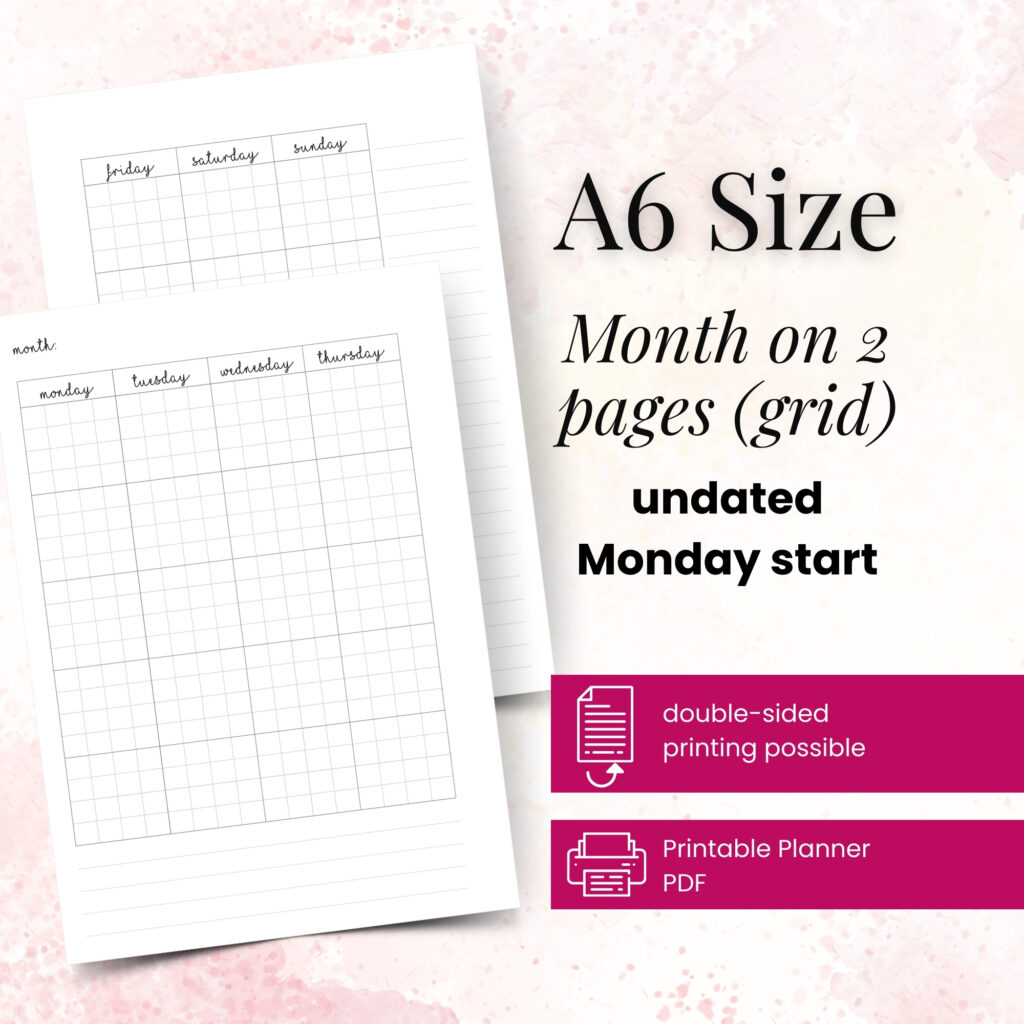
If you use A5, you can usually handle fuller budgeting pages with more categories and notes. Personal and Personal Wide often balance portability with enough room for practical tracking. A6 works well for simpler money planning or on-the-go expense logging, but detailed monthly budgets can feel cramped if you write large.
Happy Planner Classic gives you more space for broader overviews and roomy trackers. That is great if you like to see everything at a glance. Still, bigger pages can tempt you to overcomplicate your layout. More room does not always mean better results.
Think about how your inserts will sit beside the rest of your planner too. If your finance section feels disconnected from your monthly planning, you may not use it consistently. Budgeting often works best when it supports your actual schedule, not when it lives in a separate universe.
Start small and test before you expand. Print one month of inserts and use them as they are. Notice what you fill in, what you skip, and what information you wish you had.
For example, maybe you discover that a monthly budget page and bill tracker cover most of your needs, but you keep needing extra space for grocery spending. That is your sign to add an expense tracker, not five more inserts you may never touch.
You can build your section in layers. Begin with planning pages, then add tracking pages, then add goal pages if they support a clear purpose. This keeps your system clean and helps you avoid binder bulk from pages that look useful but do not earn their place.
If you enjoy coordinating sections, match your budget pages with notes inserts or dashboards that highlight your top financial goals for the month. That creates a money section that feels intentional, not patched together.
The biggest mistake is choosing complexity over consistency. A detailed layout can look impressive, but if it takes too long to update, you will start postponing it. Then one missed week turns into a month of guessing.
Another common issue is printing too much at once. When your needs change, those extra pages become waste. It is usually smarter to print what you need for the current month or quarter, especially while you fine-tune your setup.
Some planner users also mix too many tracking styles. If you track spending by category on one page, by store on another, and by payment method somewhere else, reviewing your finances gets confusing fast. Keep your system simple enough that you can understand it at a glance.
Finally, do not ignore aesthetics entirely. Function comes first, but if a page feels cluttered or unpleasant, you may avoid it. The sweet spot is a layout that feels clear, attractive, and easy to reuse.
Money planning is never static. A new job, school season, family change, travel plan, or savings goal can shift the way you budget. Reprintable inserts give you room to adapt without replacing your whole planner system.
That flexibility matters when you want to test a fresh layout, switch categories, or print only the pages you actually use. It also helps when one section needs more attention than another. You might need several expense trackers in December but only one in February. You stay in control of the setup instead of working around pages that no longer fit.
Brands that understand real planner use build inserts with this kind of repeat use in mind. Pretty Easy Planning, for example, focuses on layouts tested through actual planning routines, which makes a difference when you want pages that feel both polished and practical.
If you are setting up a budget section from scratch, start with three pages: a monthly budget, a bill tracker, and an expense log. Use them for one full month. During that time, ask yourself where you hesitate, what feels crowded, and what information you keep rewriting.
From there, adjust with purpose. Add savings tracking if you need stronger goal visibility. Add sinking fund pages if seasonal costs keep surprising you. Keep what supports your decisions and let the rest go.
Your successful planning story begins with a single print, but the real win comes from building a system you trust. Choose budget planner inserts that make money feel clearer, calmer, and easier to manage – then give yourself permission to refine them as life changes.

€4,24
€4,24
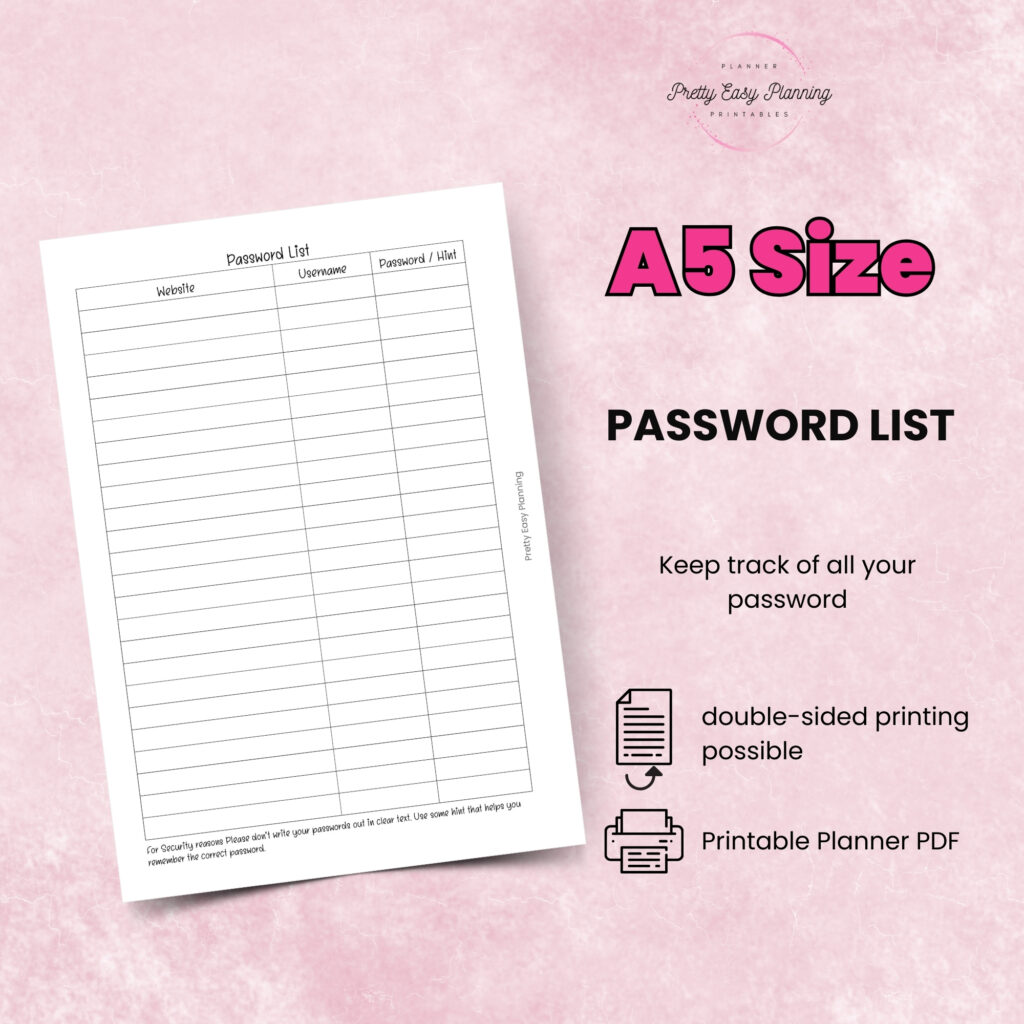
€4,24
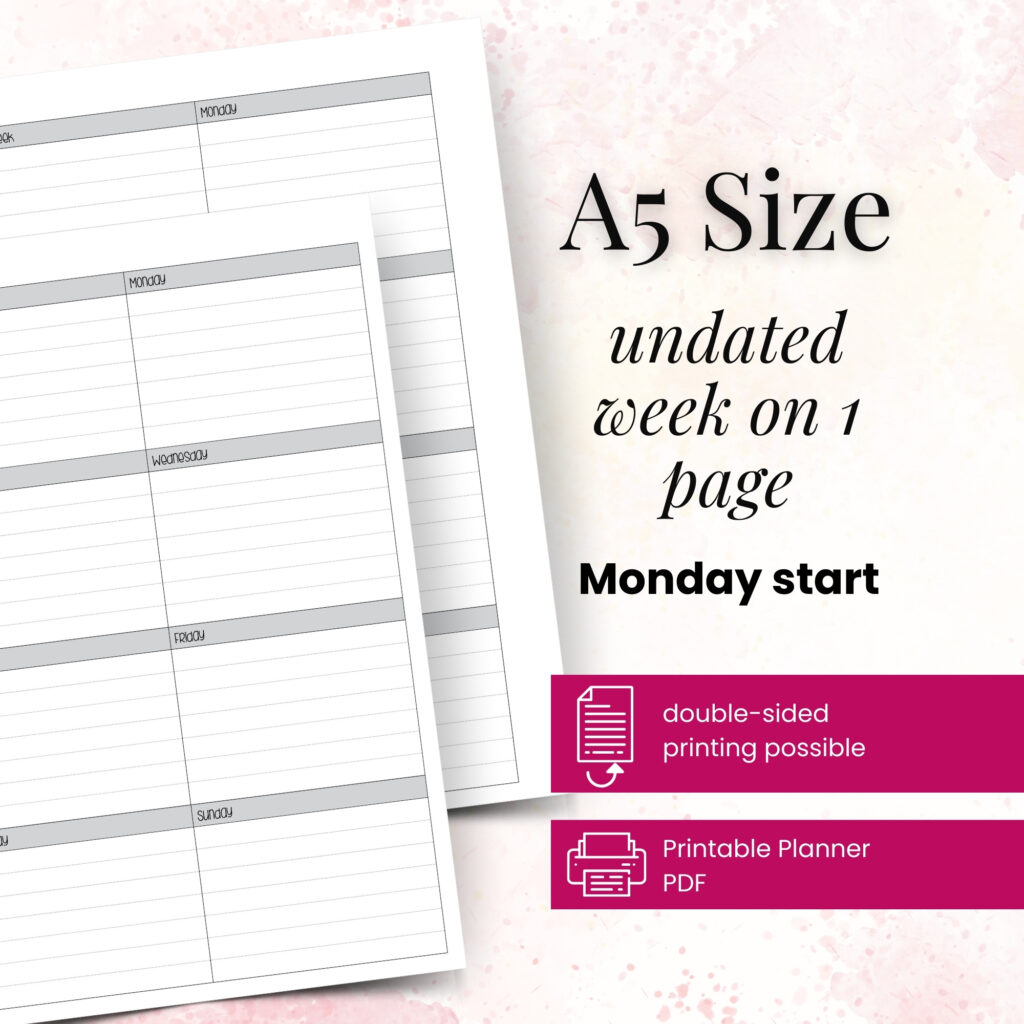
€4,24
A6 vs happy planner: compare size, space, portability, and page options to choose printable inserts that make your everyday planning feel easier with purpose.

Wondering which planner pages do i need? Build a practical paper planner with only the inserts that support your real routines, goals, and plans daily.
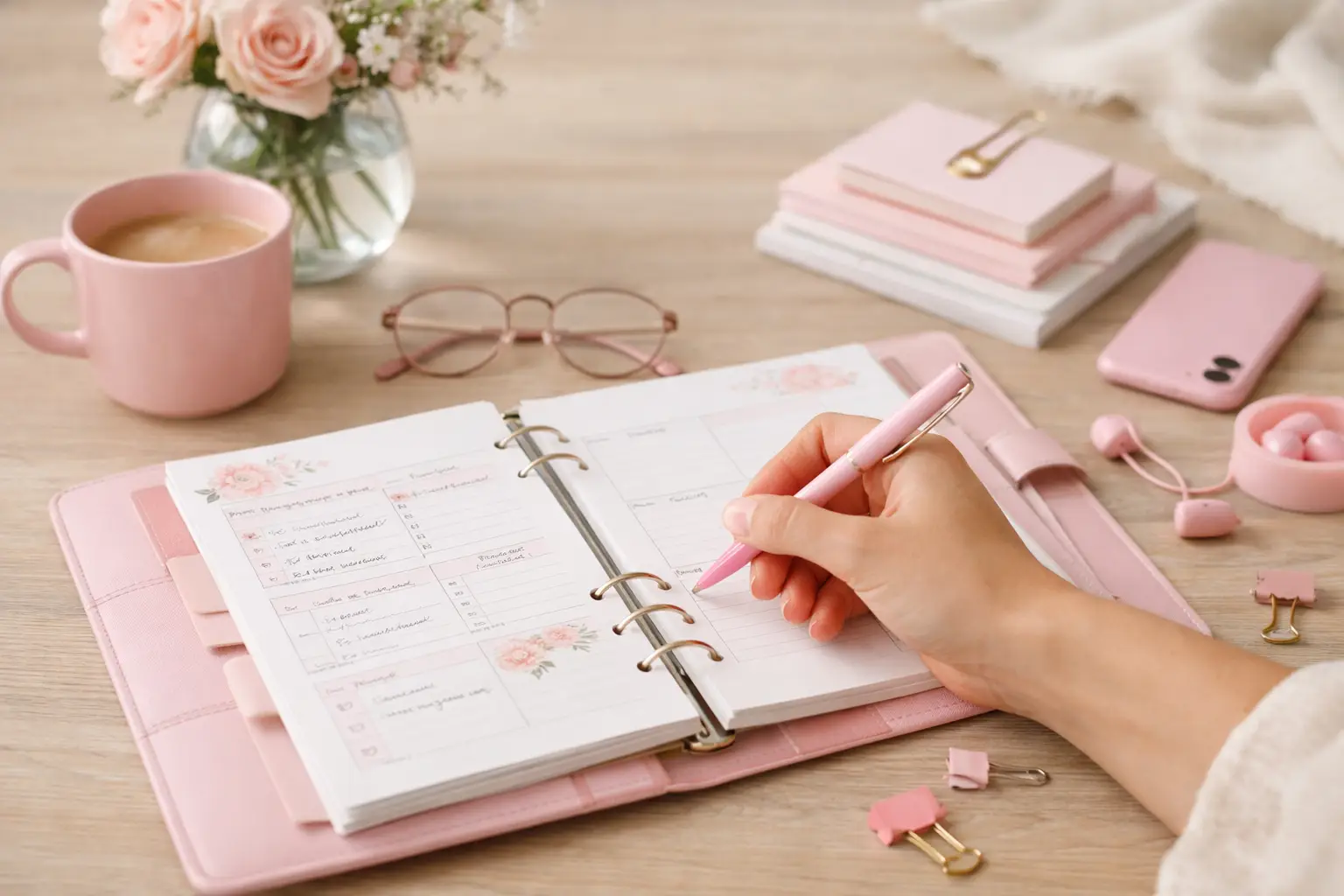
The future of printable planners favors flexible, beautiful systems: print what fits your week, refresh routines, and keep every page useful for life.