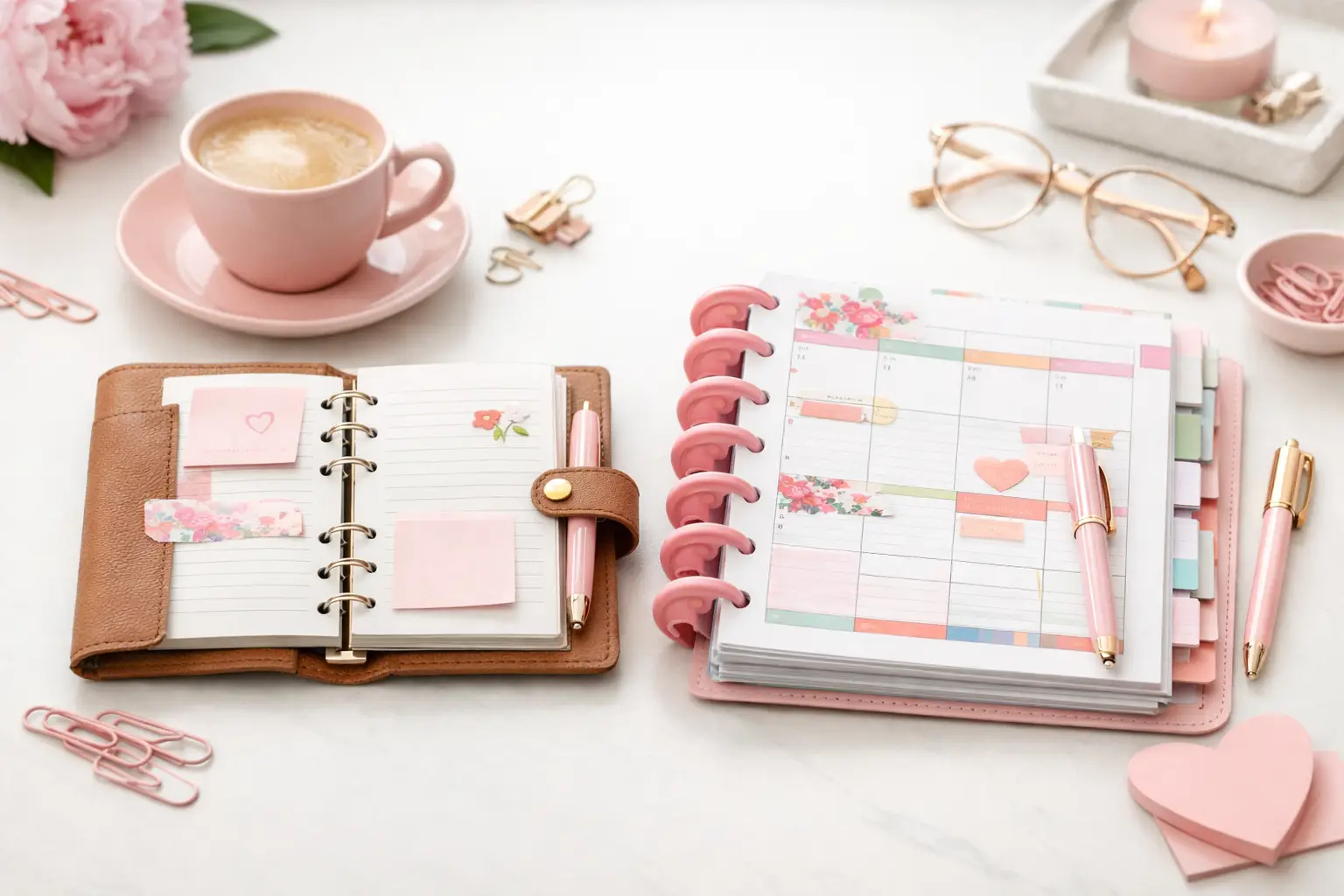
A6 vs Happy Planner: Which Fits Your Life?
A6 vs happy planner: compare size, space, portability, and page options to choose printable inserts that make your everyday planning feel easier with purpose.
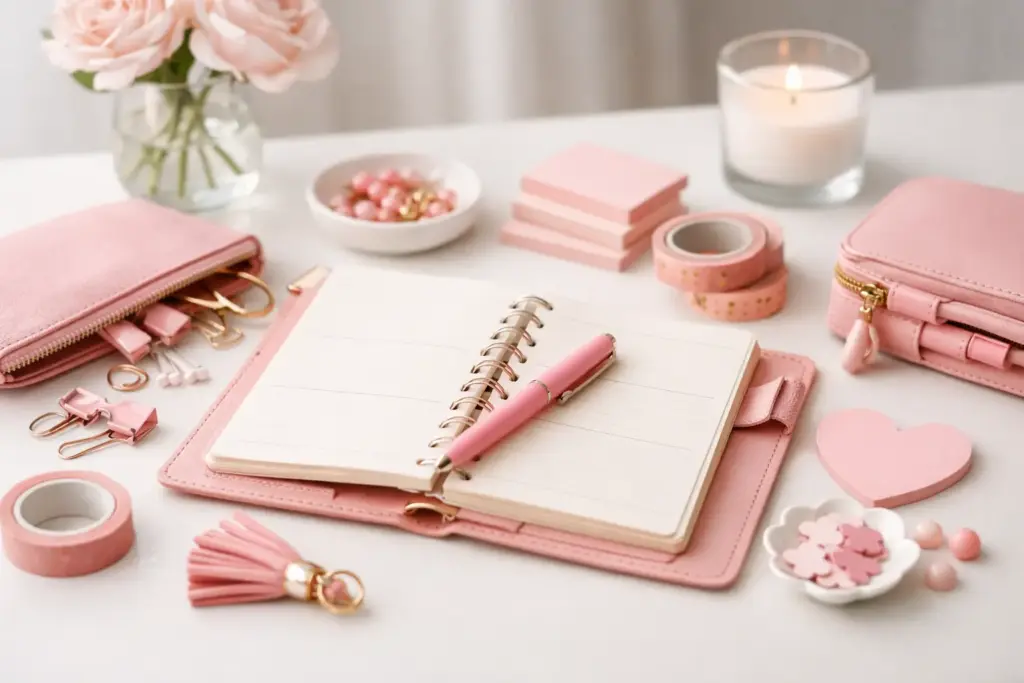
That moment when your planner starts feeling almost right can be more frustrating than having no system at all. The pages work, but the tabs annoy you. Your pen smears. Sticky notes fall out. A dashboard looks pretty, yet it does nothing for your routine. A good planner accessories guide helps you fix those small pain points so your setup feels smooth, personal, and actually useful.
Planner accessories should support the way you plan, not crowd it. The best ones make your pages easier to use, easier to find, and more enjoyable to keep up with. If you love customizing your planner, this is where the fun starts – but it also helps to know what adds value and what just adds bulk.
A useful planner setup does three things well. It helps you find information fast, capture details when life gets busy, and stay engaged enough to keep planning. Accessories matter because they shape all three.
For example, if you check your meal plan every evening, section tabs and a page marker save time. If you often think of tasks while cooking or commuting, sticky notes or a small notes insert help you catch them before they disappear. If your planner feels flat or uninspiring, vellum-style decorative pieces and dashboards can give it enough personality to pull you back in.
That balance matters. Too little support and your planner feels inconvenient. Too much and it turns into a chunky scrapbook you avoid carrying.
If you want a strong setup, start with the accessories that affect daily use. These pieces do the most work.
Tabs and dividers create structure at a glance. They help you move between monthly pages, weekly inserts, lists, notes, and reference sections without flipping endlessly.
If you manage home, work, and personal planning in one binder, dividers become even more important. You can split your planner into zones that reflect your real life. A5 users often have room for wider tabs and layered sections, while Personal or A6 users usually need a cleaner setup to avoid crowding the page edge.
Choose tabs based on how often you reach for a section. Daily-use categories deserve the easiest access. If you only check yearly goals once a month, that section does not need your most prominent tab.
Dashboards often get treated like decoration, but the best ones anchor your routine. A dashboard can hold your top priorities, current goals, habit reminders, or quick reference details that you need throughout the week.
This is where function and style meet nicely. A clean dashboard adds visual interest, but it also gives your planner a starting point. When you open your binder and see exactly what matters this week, planning feels lighter.
Sticky notes work best when your plans change often. They let you move temporary information without rewriting your inserts. That makes them ideal for errands, short-term reminders, brain dumps, and tasks you might reschedule.
Page flags are especially helpful if you switch between key pages all day. You might mark your current week, meal planning page, budget section, and master to-do list. That sounds small, but it removes friction fast.
A page marker keeps your current place visible and easy to grab. If you use weekly inserts as your main planning space, this may be the one accessory you touch most.
Some planners prefer one sturdy bookmark. Others like several markers for active sections. It depends on how your routine flows. If you track appointments, lists, and project planning separately, multiple markers make sense.
Your pen can make or break the whole experience. A beautiful setup loses its charm quickly if the ink feathers, smears, or skips.
Paper choice affects this more than many people expect. Since printable inserts let you choose your own paper, you can build a better writing experience from the start. If you love fine-tip pens for neat planning, test them on your preferred paper before committing to a big print batch. If you use highlighters, check for bleed-through first.
Not every accessory works equally well in every format. Size changes everything from visibility to bulk.
Smaller planners need discipline. Every accessory must earn its place. Slim tabs, compact sticky notes, and one or two focused dashboards usually work better than layered extras.
If you overload a smaller planner, writing space disappears fast. Choose accessories that improve navigation and quick capture first. Keep decorative elements lighter so the planner still closes comfortably and travels well.
These sizes give you more flexibility. You can build stronger sections, use larger dashboards, and add more reference pages without the planner feeling cramped.
This extra room helps if you manage several areas of life in one place. It also gives decorative pieces more breathing room. Still, more space does not mean you need more stuff. It just means you can customize with fewer compromises.
This format offers generous space, but accessories need to suit the disc system and page layout. Wider visual elements often look better here because the pages can carry them without feeling crowded.
If you love layered planning with notes, lists, and seasonal styling, this size handles it well. Just keep your most-used tools easy to remove or reposition so your system stays practical.
This is the part many planners learn the hard way. It is easy to buy the cutest accessories first and only later realize you still cannot find your monthly overview quickly.
Start with the tools that support your planning habits. Build your sections. Choose your markers. Add note space where your brain actually needs it. Then bring in personality through vellum-style pieces, decorative dashboards, and color coordination.
That order gives you a planner you will keep using. Beauty matters, especially in this creative corner of planning possibilities, but beauty works best when it sits on top of a strong system.
If you feel stuck, use this approach.
First, open your planner and notice where you hesitate. Maybe you waste time flipping to the right section. Maybe loose notes pile up. Maybe your weekly spread works, but your goals vanish because nothing highlights them. Those pain points tell you what accessory to add first.
Next, pick one accessory for navigation, one for flexibility, and one for motivation. For navigation, choose tabs or a page marker. For flexibility, use sticky notes or a notes insert. For motivation, add a dashboard or vellum-style piece that makes opening your planner feel inviting.
Then test your setup for a week or two. If something goes unused, remove it. If you keep wishing for easier access to a section, refine your tabs. If your planner feels too full, simplify before adding more.
That kind of slow editing creates a setup that reflects your real habits, not an ideal version of them.
One common mistake is buying accessories before deciding how the planner will function. If you do not know whether your planner is mainly for appointments, household management, work planning, or all of the above, it is hard to choose well.
Another issue is ignoring paper and pen compatibility. Since your inserts and accessories work together as a system, writing tools should support that system instead of fighting it.
Many planners also keep accessories that looked exciting but add no daily value. You do not need to use every category. If page flags never help you, skip them. If dashboards keep you focused, use more than one. Your successful planning story begins with a single print, but it grows through honest adjustment.
Refresh your accessories when your routine changes, not just when you get bored. A new season of life often needs a new setup. Work projects, school schedules, family commitments, travel, or goal tracking can all shift what your planner needs from you.
You might need stronger sectioning during busy months and a lighter, simpler setup during quieter ones. That flexibility is one of the best parts of a printable planner system. You can change the mix without wasting a stack of pages that no longer fit your life.
At Pretty Easy Planning, that kind of customization is the point. You print what serves you, build around your preferred format, and keep refining until the planner feels like it was made for your actual routine.
A well-chosen accessory does not just decorate the page. It saves time, reduces friction, and gives you one more reason to come back tomorrow.

€4,24
€4,24
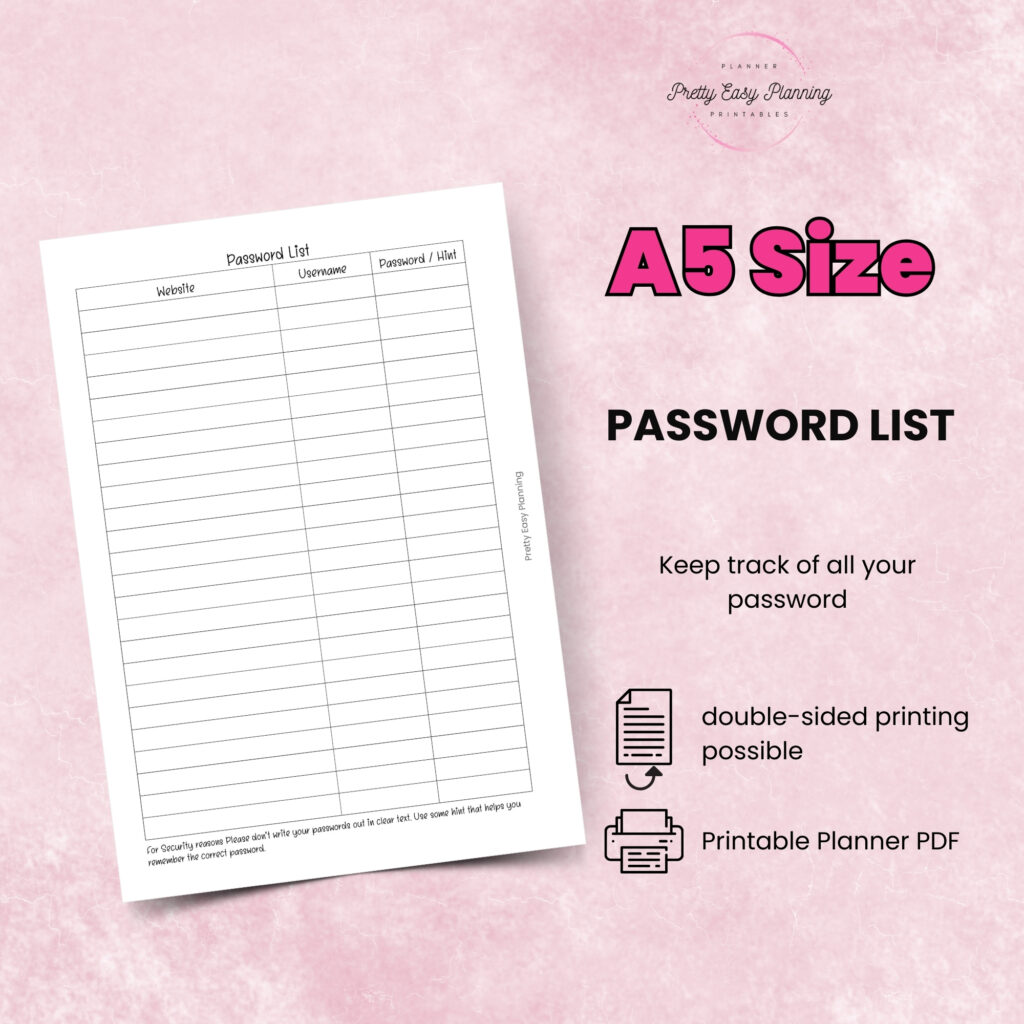
€4,24
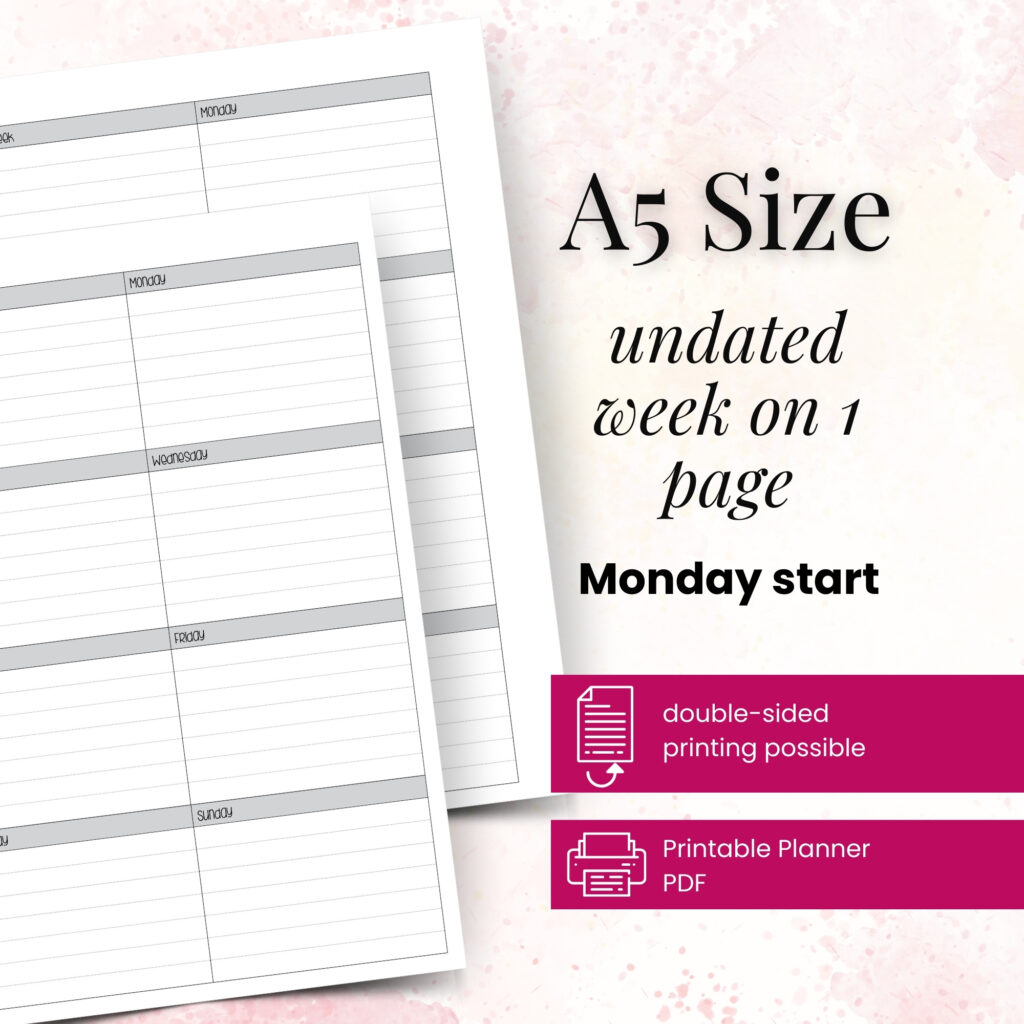
€4,24
A6 vs happy planner: compare size, space, portability, and page options to choose printable inserts that make your everyday planning feel easier with purpose.
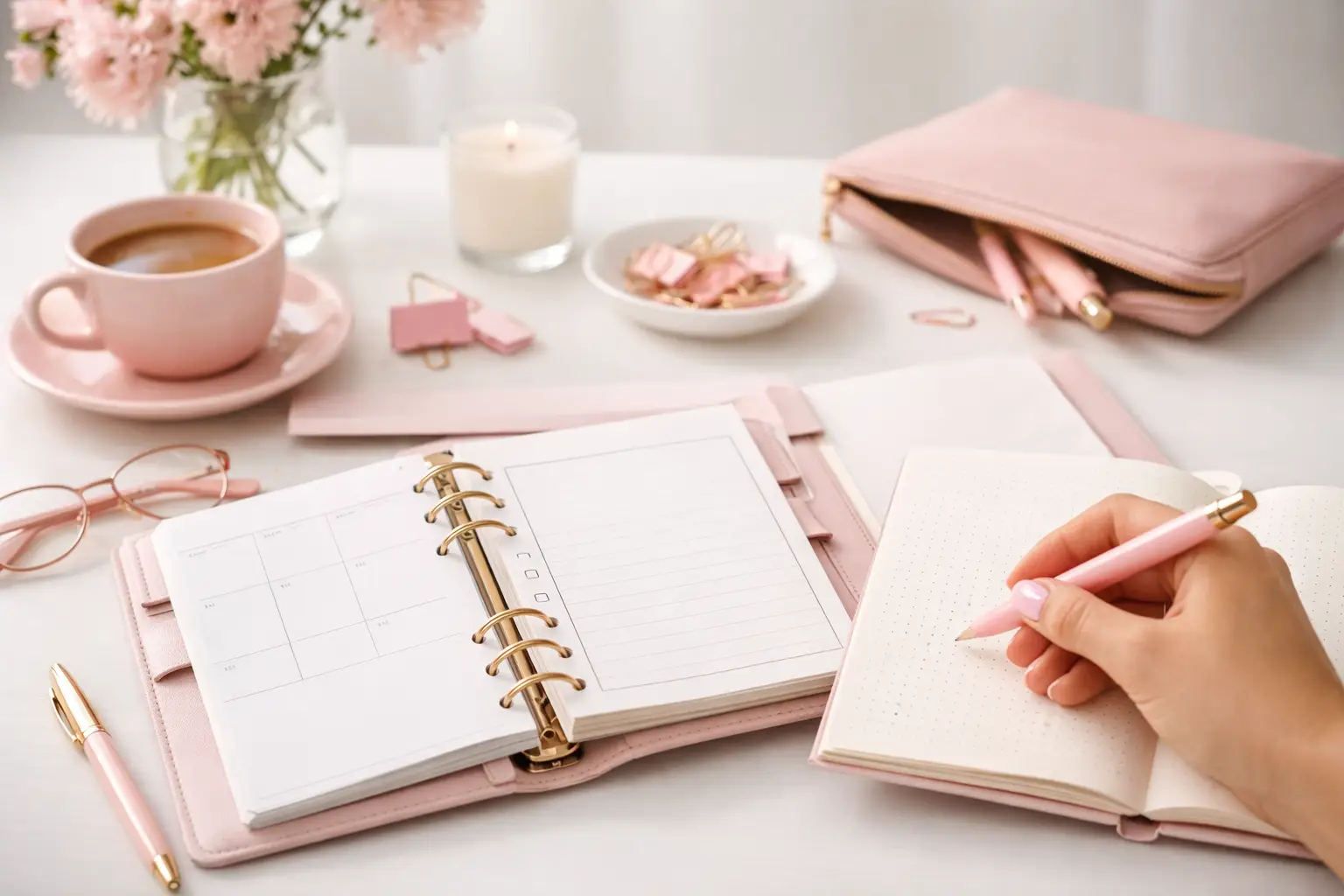
Wondering which planner pages do i need? Build a practical paper planner with only the inserts that support your real routines, goals, and plans daily.
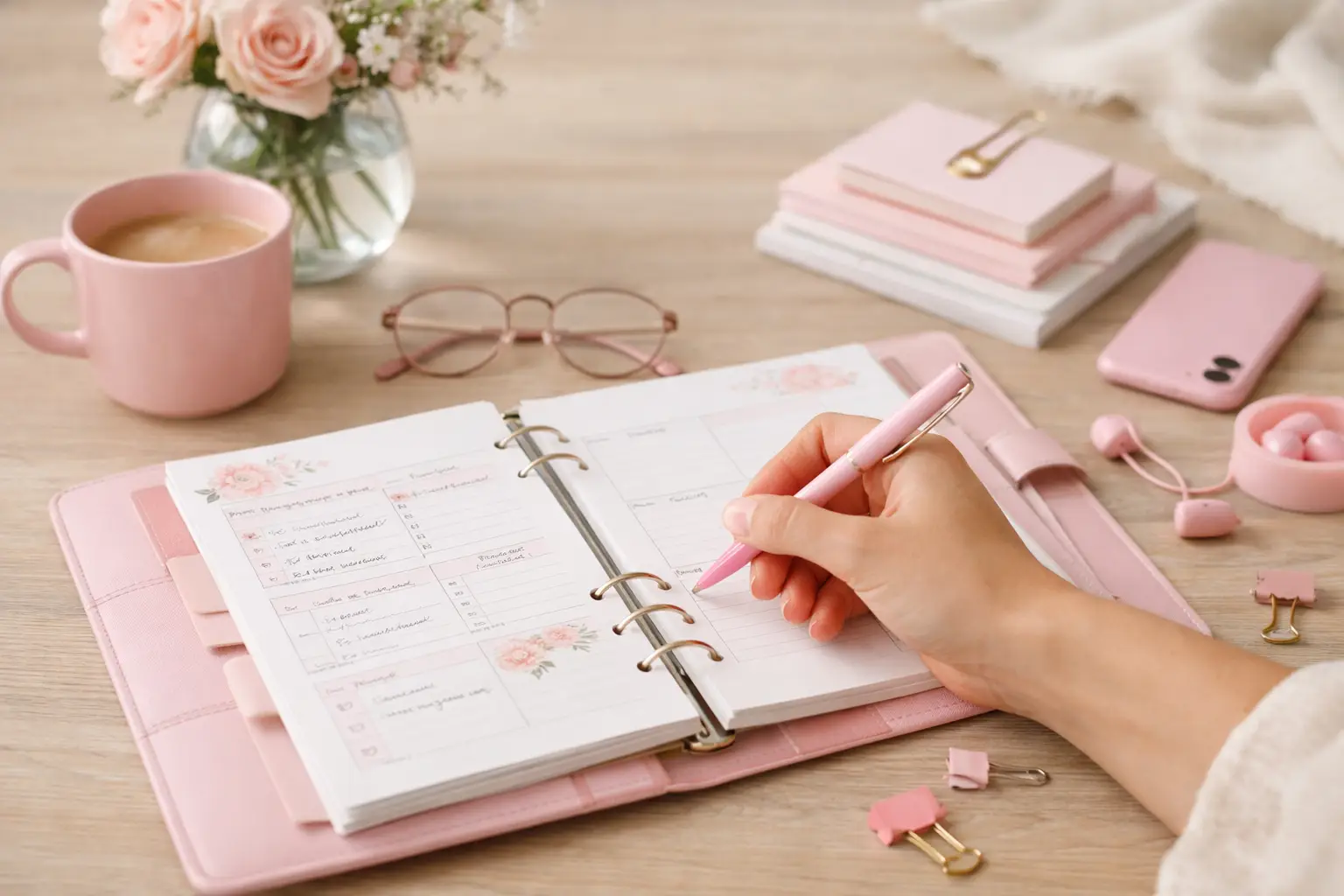
The future of printable planners favors flexible, beautiful systems: print what fits your week, refresh routines, and keep every page useful for life.