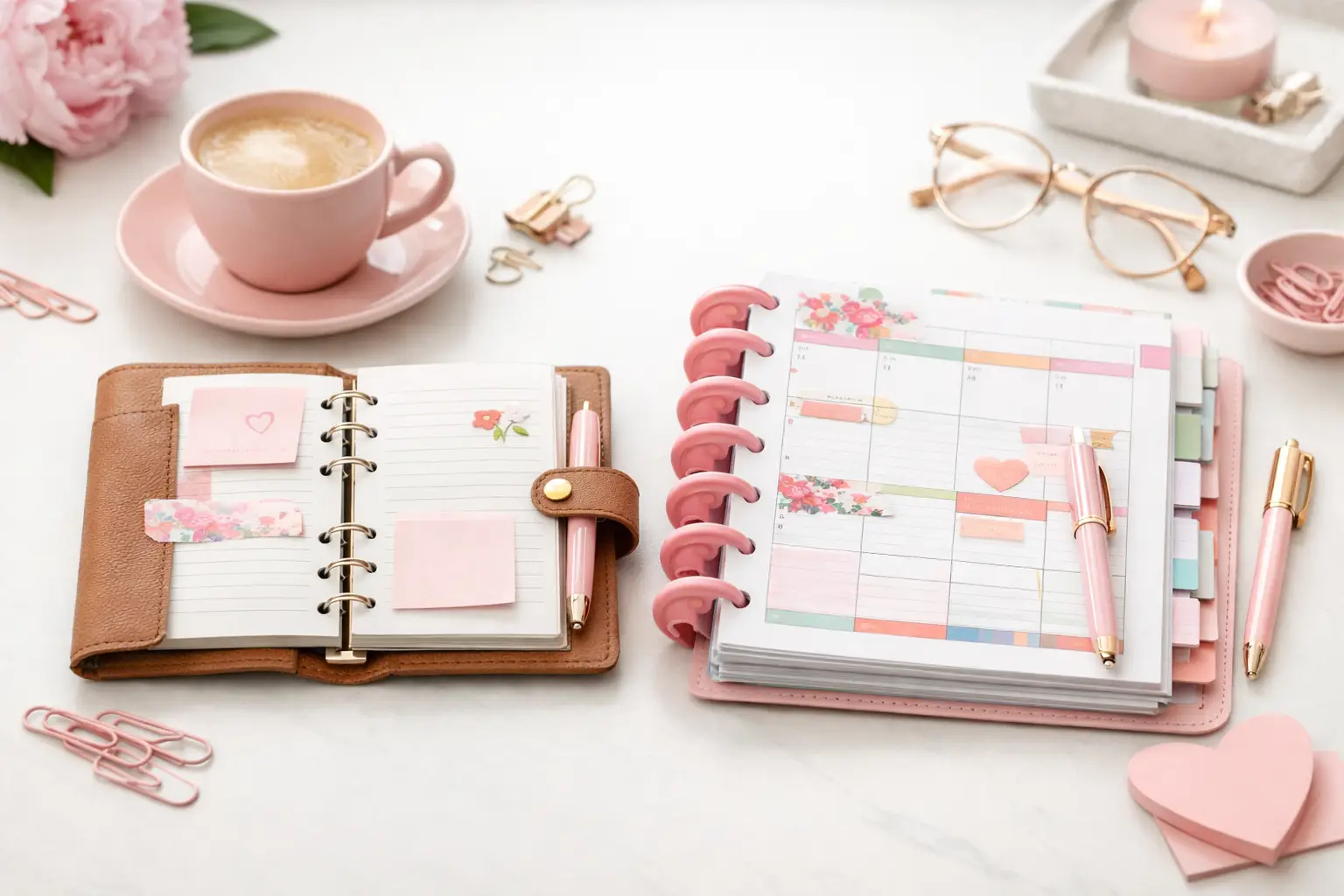
A6 vs Happy Planner: Which Fits Your Life?
A6 vs happy planner: compare size, space, portability, and page options to choose printable inserts that make your everyday planning feel easier with purpose.
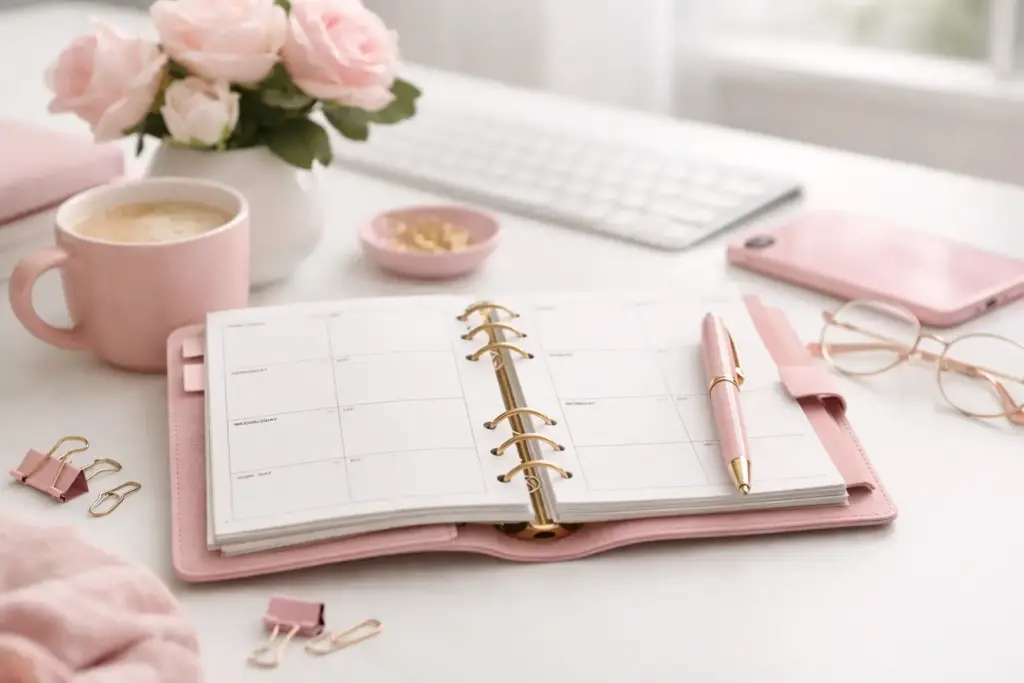
Some planner pages look beautiful but never earn their spot in your ring binder. Weekly inserts are not one of those pages. When they match your season of life, they become the layout you reach for again and again because they give you enough structure to plan ahead without crowding every hour.
If you have ever wondered when should you use weekly inserts, the short answer is this: use them when you need a clear view of your week, but you do not need the pressure or detail of a full daily page. They work especially well when you juggle appointments, work tasks, home routines, and personal goals all at once and want to see how everything fits together before the week starts.
Weekly inserts give you perspective. That is their biggest strength. A monthly spread helps you see dates and major events, but it rarely gives enough room to plan what actually needs to happen. A daily page gives lots of space, but it can keep you focused on just one day at a time.
A weekly layout sits right in the middle. You can map appointments, deadlines, errands, meal ideas, habits, and top priorities while still seeing the shape of the whole week. That wider view helps you make better choices. You notice that Tuesday already looks packed, so you move a task to Thursday. You see three evening commitments in a row, so you stop pretending Friday is the perfect deep-clean night.
That is why so many planner users return to weekly inserts even after trying every layout under the sun. They create structure without boxing you in.
Use weekly inserts when your days need guidance, not full scripting. If you do not fill an entire daily page most days, a weekly layout often feels more natural and less wasteful. You still get enough room to plan, but you print only what you know you will use.
This is especially helpful if your schedule has some appointments, some flexible tasks, and a lot of recurring life admin. Think school pickups, grocery runs, project deadlines, bill reminders, workout plans, and household chores. Those responsibilities do not always need a page per day. They need a home inside a realistic weekly plan.
Weekly inserts also shine when you plan ahead on weekends or at the start of the week. You can sit down with coffee, review what is coming, fill in your fixed commitments, and assign tasks where they actually fit. That simple routine can cut down on overbooking and last-minute scrambling.
If you run a very appointment-heavy schedule with detailed notes, daily pages may still serve you better. The same goes for seasons when you need careful time blocking, such as exam prep, a major launch, or travel. Still, for many planner users, those are temporary needs. Weekly inserts often make more sense for everyday life.
The clearest sign is this: you keep needing to flip between pages to understand your week. If your current setup makes planning feel scattered, weekly inserts can bring everything back into one view.
They are usually a strong fit if you like to see patterns. Maybe Mondays are meeting-heavy, Wednesdays work best for errands, and Sundays are your reset days. A weekly spread makes those rhythms visible. Once you can see them, you can build routines around them.
They also help if you tend to overestimate your time. A full weekly layout shows how much you already have going on. That makes it easier to stop stuffing ten major tasks into a two-day window. Planning gets kinder and more realistic.
You may also love weekly inserts if you enjoy creative but functional planning. There is room to highlight priorities, use color for categories, add a habit box, or track a few key goals without turning your planner into a decoration-only project. Beauty matters, but function should carry the page.
Weekly inserts are especially useful when your planner needs to hold more than one role. Many people are not just planning work. They are also managing meals, family schedules, appointments, cleaning tasks, and personal goals in the same planner.
A weekly layout makes that overlap easier to handle. You can divide each day by category, use symbols for different areas of life, or keep a running sidebar for tasks that need to happen sometime that week. That flexibility matters when life does not stay in neat boxes.
For example, if you work part-time, manage a household, and want to stay on top of fitness and admin tasks, a weekly insert can show the whole picture. You might schedule work deadlines on specific days, note appointment times, and keep a short list of home tasks in the margin. Instead of reacting to each day as it comes, you create a workable plan before the week begins.
That is also why weekly inserts suit seasonal planning changes. During calmer months, they may be all you need. During busier periods, you can pair them with extra notes pages or project inserts without rebuilding your whole system.
The best weekly spread is the one you actually return to. Start by planning the week in layers. First, write in fixed events such as appointments, meetings, and commitments. Next, add your top priorities. After that, place flexible tasks where they make sense.
Keep your energy in mind while you plan. If you know you feel focused in the morning, place your harder tasks earlier in the week or earlier in the day if your layout allows for that. If one day already includes commuting, errands, and appointments, do not load it with five extra goals just because there is blank space left on the page.
It also helps to leave a little breathing room. A weekly insert should guide your week, not trap it. White space is not wasted space. It gives real life somewhere to land.
Many planner users find it helpful to do a quick midweek check-in. On Wednesday or Thursday, look over what moved, what got done, and what still matters. Then adjust the rest of the week. That small habit keeps your inserts useful even when plans change.
Monthly pages are excellent for date-based planning. They help you see birthdays, travel, bills, and major deadlines. But they often stop right where real planning begins.
Weekly inserts carry the plan forward. They answer the practical questions. When will you prep for that appointment? Which day will you handle returns, meal prep, or admin work? Where does that goal fit among everything else already on your plate?
That is where weekly planning feels less like decoration and more like support. It turns intentions into action. It helps you break larger plans into doable steps across the week instead of leaving them floating on a monthly calendar.
If weekly pages are your anchor, build around them lightly. You do not need every insert type in your planner at once. In many cases, a monthly section, weekly inserts, and a few notes or list pages create a complete setup.
That approach works beautifully with printable planning because you can choose exactly what supports your routine. Print more weekly pages during busy months. Add project sheets when needed. Change formats if your season changes. In the creative corner of planning possibilities, flexibility is often what keeps a planner useful long term.
Pretty Easy Planning users often love this kind of setup because it gives structure without forcing them into pages they will not use. Your successful planning story begins with a single print, and often that print is a weekly layout that finally makes your week feel manageable.
Use weekly inserts when you want clarity, balance, and a realistic plan for the days ahead. Choose them when monthly spreads feel too broad and daily pages feel too demanding. Reach for them when you need to coordinate real life, not just admire a pretty layout.
They are not the perfect answer for every season, and that is part of their charm. You can use them consistently, or you can let them lead your planner only when life calls for a full-week view. The best planner system is the one that bends with your routine and still helps you show up for what matters next.

€4,24
€4,24
€4,24
€4,24
A6 vs happy planner: compare size, space, portability, and page options to choose printable inserts that make your everyday planning feel easier with purpose.
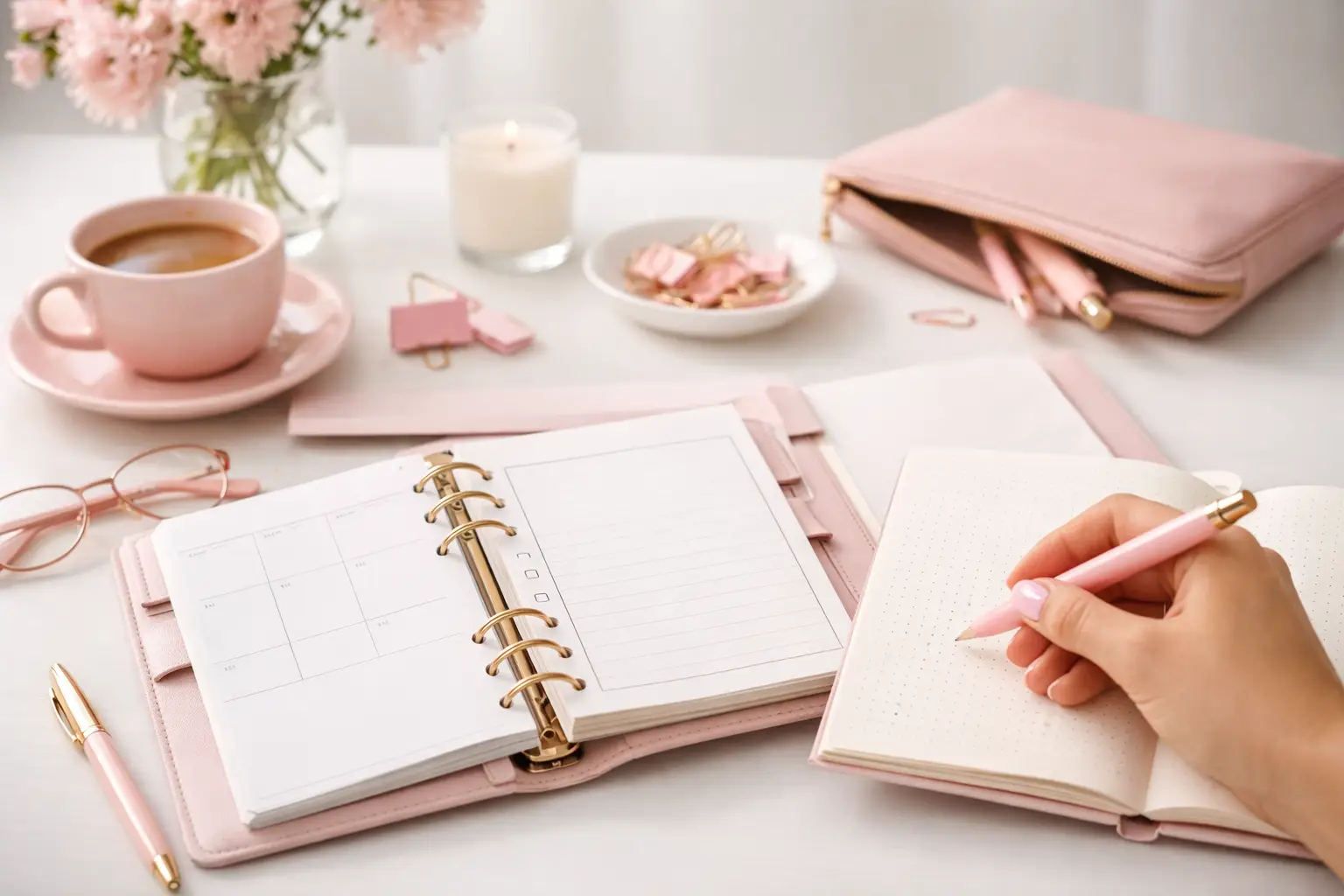
Wondering which planner pages do i need? Build a practical paper planner with only the inserts that support your real routines, goals, and plans daily.
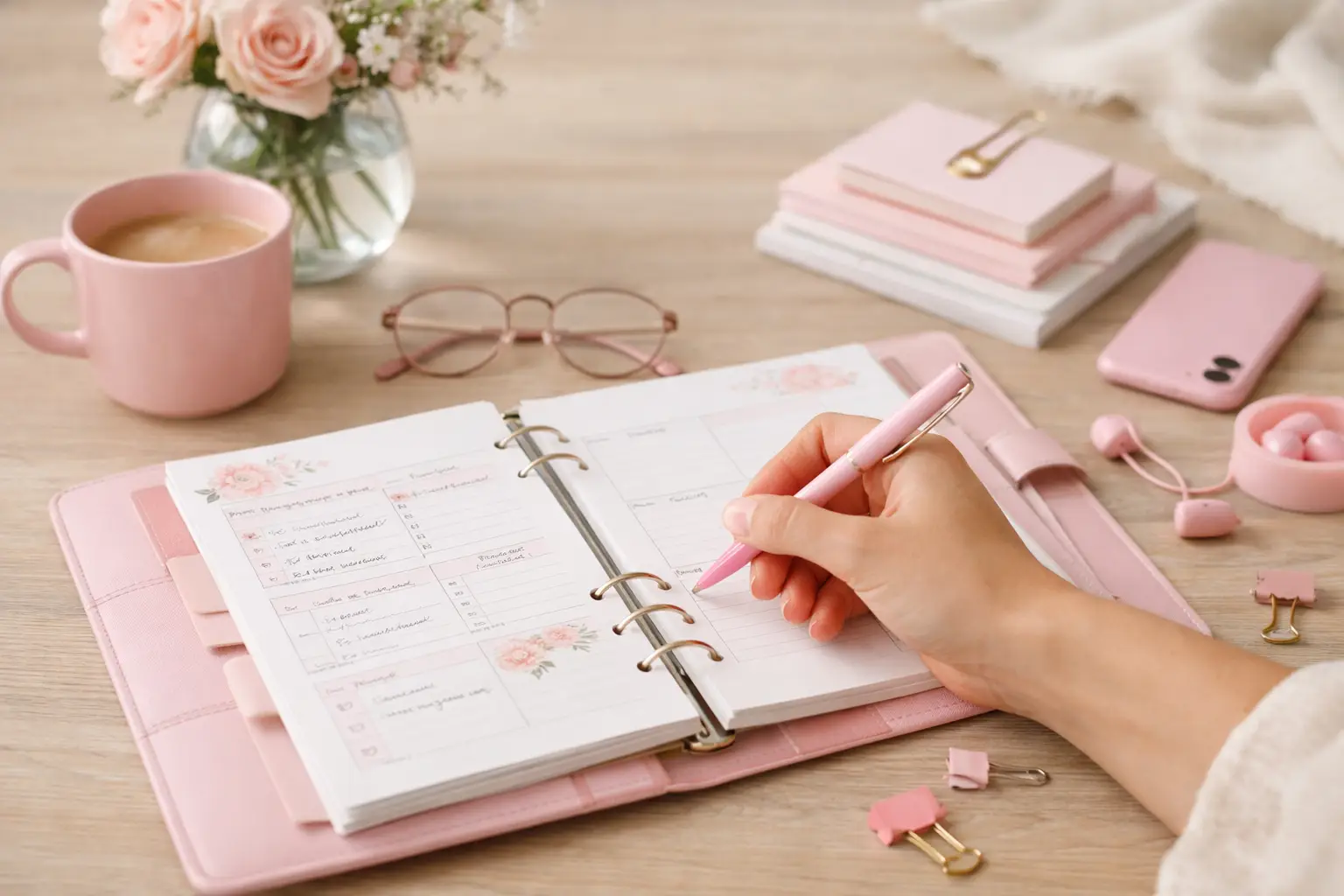
The future of printable planners favors flexible, beautiful systems: print what fits your week, refresh routines, and keep every page useful for life.