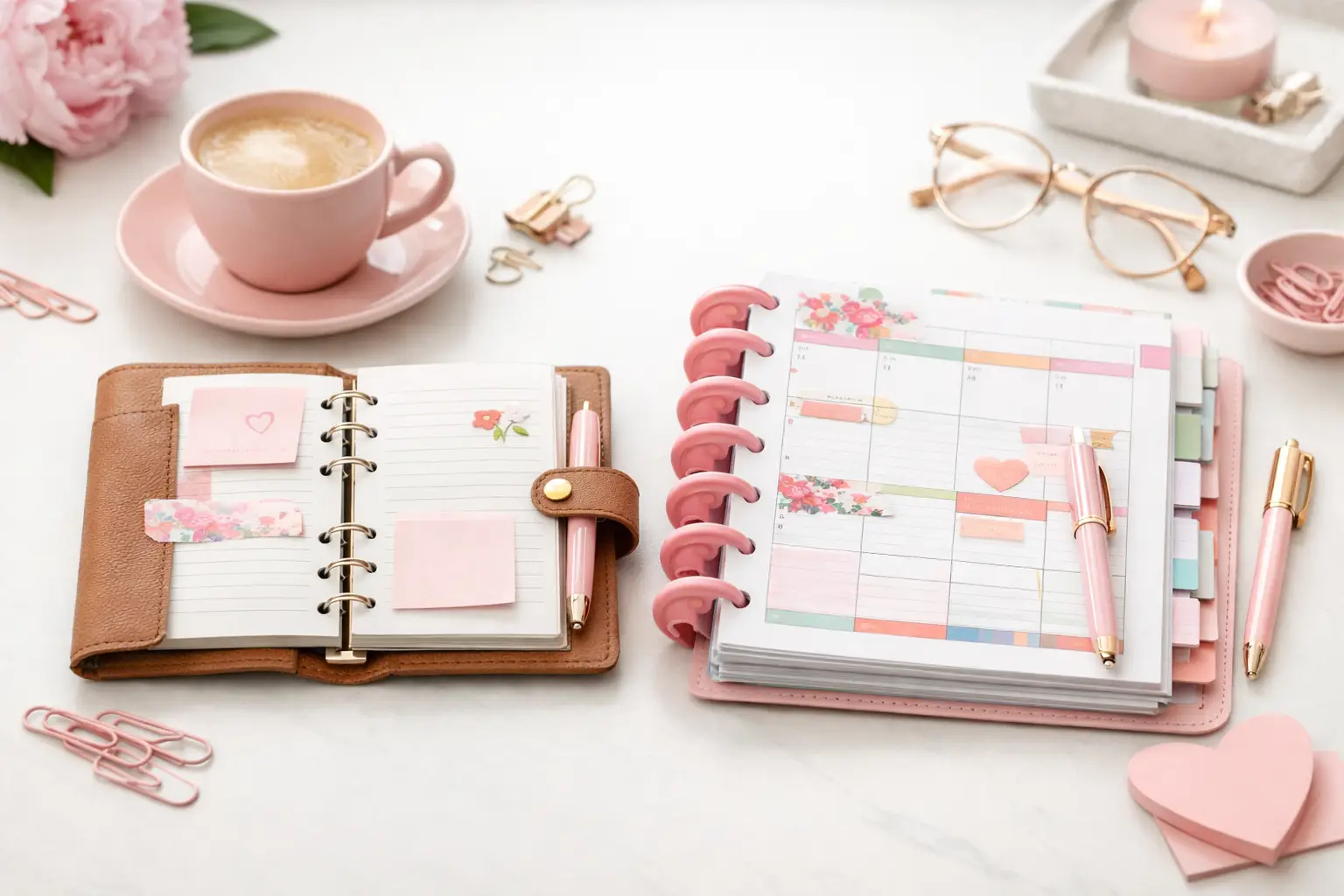
A6 vs Happy Planner: Which Fits Your Life?
A6 vs happy planner: compare size, space, portability, and page options to choose printable inserts that make your everyday planning feel easier with purpose.
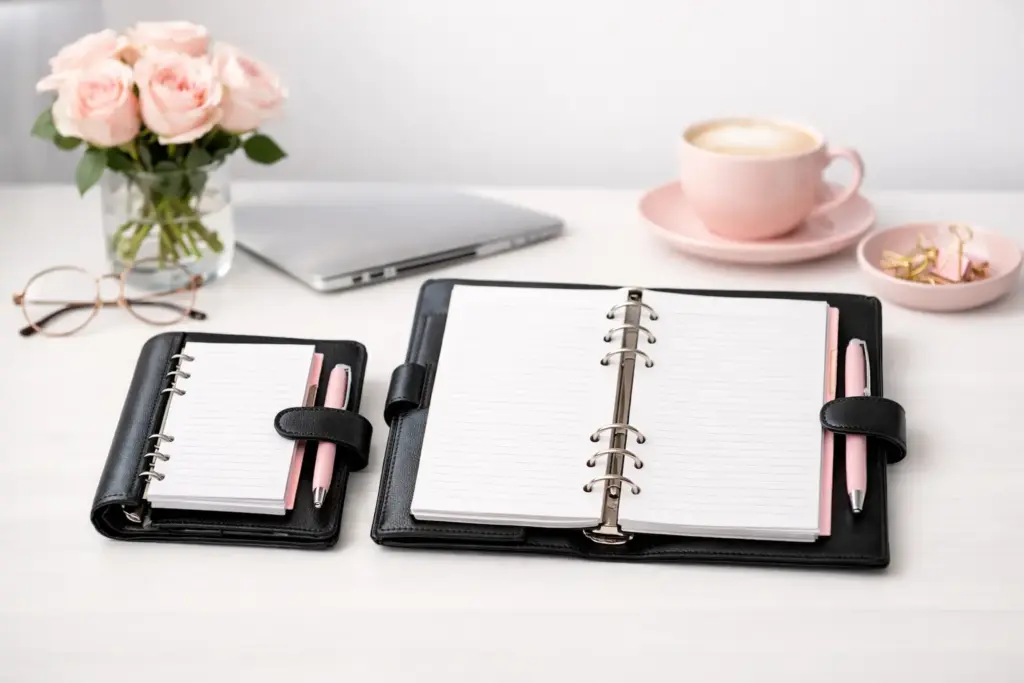
You usually know this decision is getting real when your current planner starts annoying you. Maybe your pages feel cramped and messy, or maybe your bag feels like it gained five pounds. If you’re stuck on filofax personal vs a5, the best choice comes down to how much writing room you need, how often you carry your planner, and how customized you want your setup to feel.
Both sizes can work beautifully. The difference is that they support different planning habits. One gives you a more compact, flexible everyday carry. The other gives you breathing room for fuller layouts, bigger handwriting, and more detailed planning pages.
The quickest way to understand filofax personal vs a5 is this: Personal favors portability, while A5 favors writing comfort.
Personal pages are narrower and more compact. That smaller footprint makes the planner easier to hold, carry, and tuck into a handbag. It also creates a certain charm. A Personal setup can feel focused and efficient because every insert has to earn its place.
A5 gives you much more usable page space. You can write larger, add more detail, and use layouts that would feel crowded in a smaller size. If you like seeing your week clearly without squeezing tasks into tiny boxes, A5 often feels like a relief.
Neither size is better in a universal way. The right one depends on the life you’re planning.
Personal is often the better choice for people who treat their planner like a daily companion. If you carry it to work, errands, appointments, and coffee shops, the smaller size simply asks less of you. It fits more bags, feels lighter in the hand, and takes up less table space.
It also suits a more streamlined planning style. If you mostly track appointments, short task lists, routines, meal ideas, or quick notes, Personal can do that very well. Many planner users love Personal because it encourages cleaner decisions. You won’t keep stuffing in pages you never use if ring space stays limited.
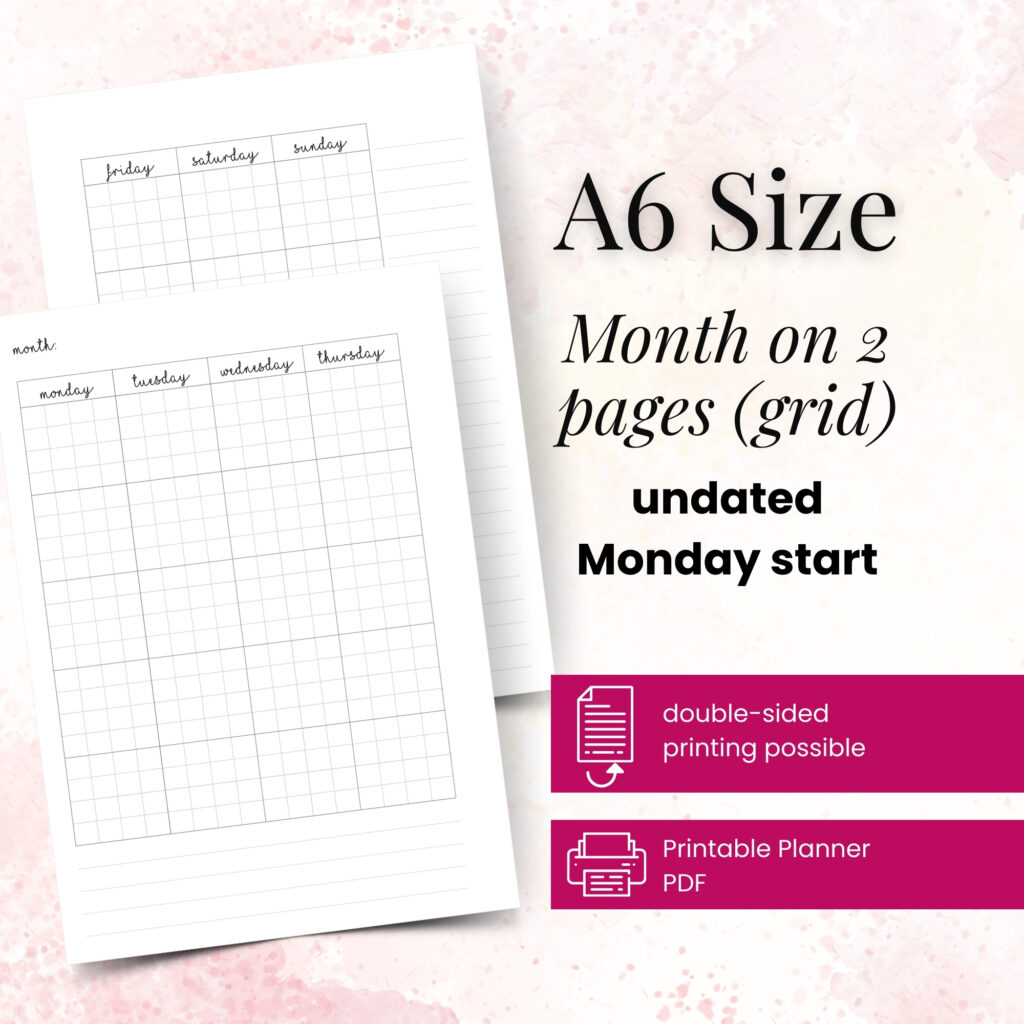
This size also shines when you like compact inserts such as short weekly layouts, simple month-on-two-pages spreads, habit trackers, finance check-ins, and note pages for lists that don’t need a lot of room. It can feel neat, efficient, and very personal in the best sense of the word.
The trade-off is writing space. If your handwriting runs large, or you tend to write full details instead of short prompts, Personal may start feeling tight fast. That gets even more obvious when you use stickers, layered dashboards, or decorative pages that take up ring space.
A5 usually wins for planners who want room to think on paper. If your weekly pages hold appointments, work tasks, home tasks, school reminders, project notes, and extra details, that larger page size makes planning smoother.
A5 feels especially comfortable on a desk. You can open it, see more at once, and write without working around narrow columns. For many people, that extra space improves consistency because planning feels easier, not cramped.
This size also works well for people building a fuller planner system. Maybe you want sections for weekly planning, meal planning, goals, routines, notes, budgeting, and household management. A5 can handle that with less compromise. Inserts have room to breathe, and your categories don’t have to fight for every inch.
The trade-off is portability. A5 is larger, heavier, and less likely to slip into a small bag without planning ahead. If you love a planner that comes everywhere with you, that extra size can become frustrating.
A lot of size debates sound technical until you actually write on the page. Then the answer gets clearer.
If you write in short phrases like “call vet,” “team meeting 2 PM,” or “pickup order,” Personal may feel completely fine. If you write details like agenda points, follow-up notes, or multi-step task lists, A5 gives you more freedom.
Handwriting matters too. People with compact handwriting can often make Personal work beautifully. If your letters naturally spread out, you may end up shrinking your writing just to fit the insert. That gets tiring. Planning should help you think clearly, not force you to cram your thoughts into corners.
A simple test helps here. Take a sheet of paper and sketch one typical day or week the way you naturally write. Don’t edit yourself. If it looks crowded in a smaller area, that tells you a lot.
Some planner users need one planner to do everything. Others prefer a lighter setup with only the essentials. That difference matters a lot when choosing between filofax personal vs a5.
If you keep your planner minimal, Personal often feels elegant and efficient. You can use monthly pages, a weekly overview, a few note sheets, and maybe a small section for routines or lists. It stays manageable and easy to carry.
If you plan in layers, A5 often feels more natural. For example, you might use monthly inserts for appointments, week-on-two-pages for daily structure, separate project pages for work, meal planning sheets for home, and extra note pages for brain dumps. That kind of setup usually feels more comfortable in A5 because the pages can support more detail.
Creative planning style also plays a role. If you like decorative dashboards, vellum accents, and section dividers, both sizes can look beautiful. Still, A5 gives those design elements more visual impact and more room to coexist with functional planning pages.
This is where many planner shoppers get stuck. They choose the size that fits their dream life instead of their actual habits.
If you picture yourself sitting at a tidy desk every evening, filling out spacious A5 weekly pages with color-coded sections, ask one more question. Do you really plan that way now? If most of your planning happens in the car before an appointment, during lunch breaks, or while standing in the kitchen, Personal may support your real routine better.
The opposite happens too. Some people choose Personal because it feels cute and convenient, then realize they constantly need extra sheets, sticky notes, or rewritten lists because the pages aren’t large enough. If that sounds familiar, A5 may save you time and frustration.
Try to notice where your planner lives most of the time. On your desk? In your tote bag? On the kitchen counter? In your hand while you move through the day? Your answer points toward the better size.
If you still feel torn, make the decision with a quick planning test instead of more guessing.
Start by listing the inserts you actually want to use every week. Think in practical terms: monthly calendar, weekly spread, daily pages, notes, lists, meal plans, finance trackers, project sheets, or routines. Next, picture how much writing each one needs. A weekly insert with short appointments needs far less room than a weekly insert that also tracks work tasks, home tasks, and follow-ups.
Then ask yourself how often you carry your planner outside the house. If the answer is almost every day, portability deserves more weight. If the planner mostly stays in one place, writing space should matter more.
Finally, think about ring capacity and comfort. A compact planner can become annoying if you overstuff it. A larger planner can become underused if it feels too bulky to bring along. The sweet spot is the size you will actually enjoy using.
For many planner users, the answer becomes obvious once they match the planner to their routine instead of their wishlist. That’s where printable inserts become especially helpful, because you can shape the system around your habits instead of settling for pages that almost work. At Pretty Easy Planning, that flexibility is part of what makes planning feel personal from the start.
Choose Personal if you want a planner that travels well, keeps your setup focused, and handles a lighter planning style with ease. Choose A5 if you want roomier pages, more detailed layouts, and a planner that supports bigger categories and fuller days.
If you’re between the two, pay attention to the problem you want to solve. When your current planner feels too heavy or awkward to carry, Personal is often the answer. When your current pages feel cramped and frustrating, A5 usually wins.
Your planner should make planning feel easier the moment you open it. Pick the size that supports the way you really live, and the rest of your setup becomes much simpler.

€4,24
€4,24
€4,24
€4,24
A6 vs happy planner: compare size, space, portability, and page options to choose printable inserts that make your everyday planning feel easier with purpose.
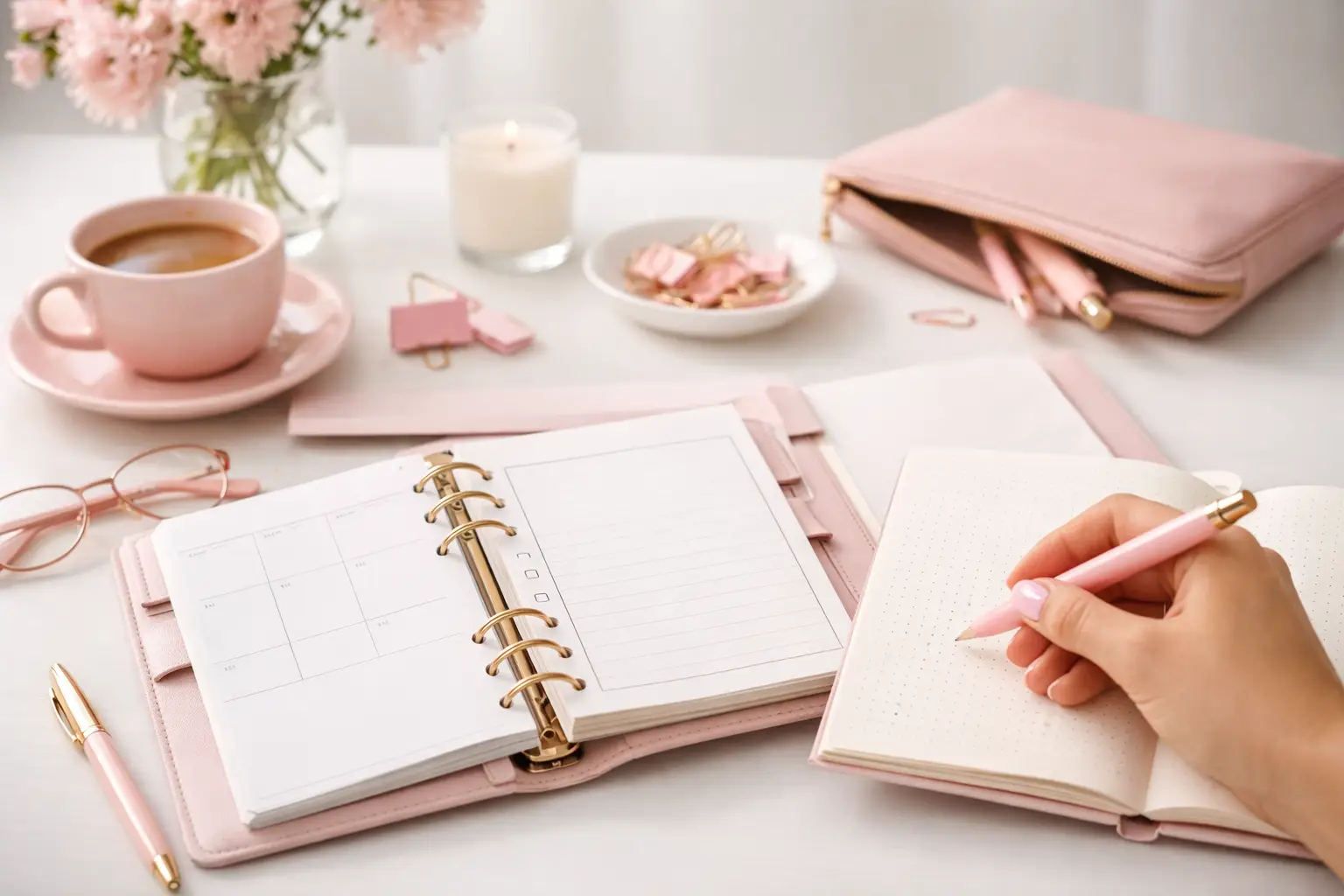
Wondering which planner pages do i need? Build a practical paper planner with only the inserts that support your real routines, goals, and plans daily.
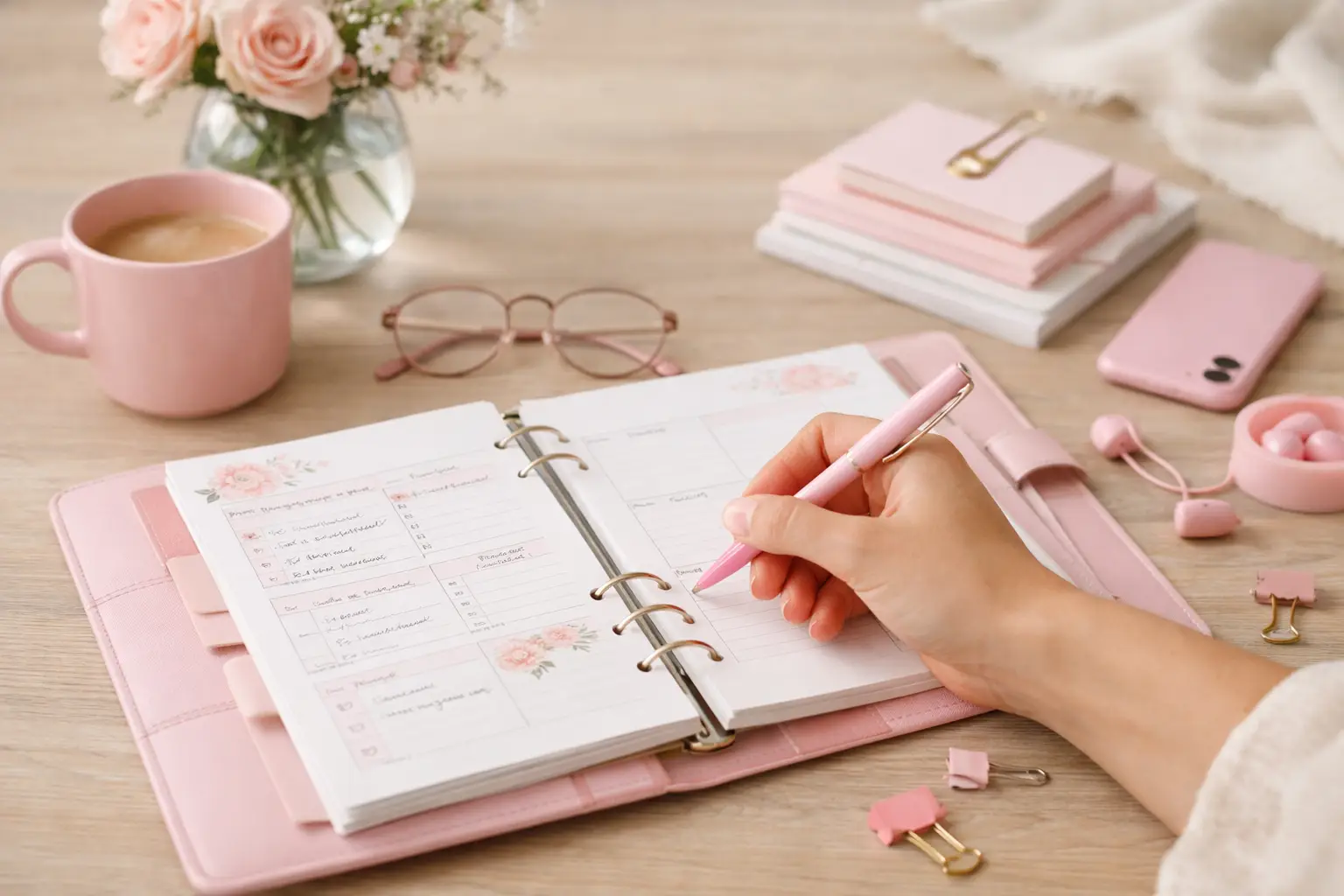
The future of printable planners favors flexible, beautiful systems: print what fits your week, refresh routines, and keep every page useful for life.