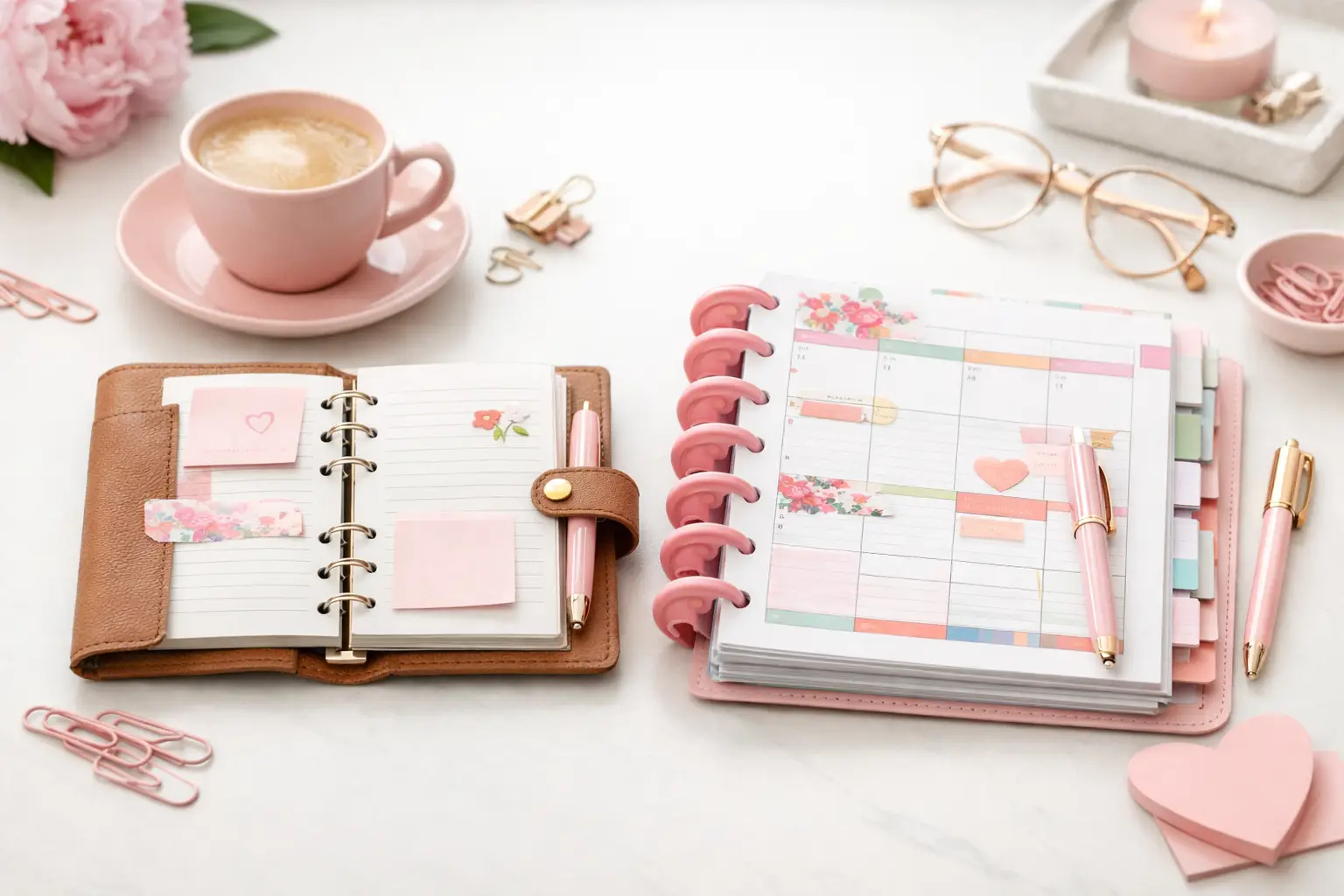
A6 vs Happy Planner: Which Fits Your Life?
A6 vs happy planner: compare size, space, portability, and page options to choose printable inserts that make your everyday planning feel easier with purpose.
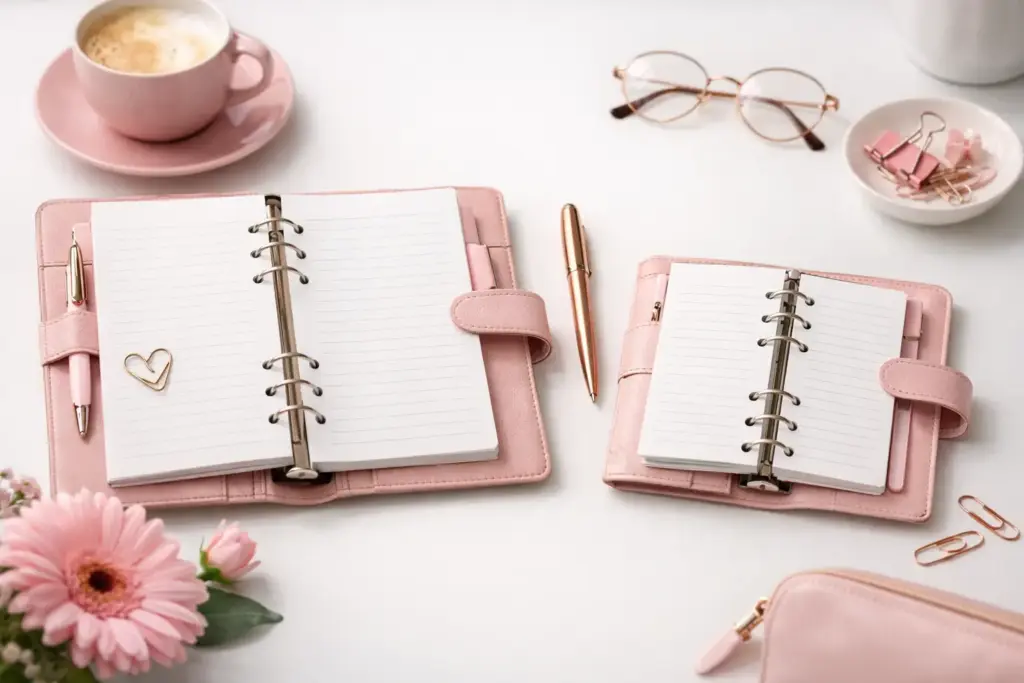
You usually know the planner size is wrong long before you admit it. Maybe your pages feel cramped by Wednesday, or your bag feels heavier than it needs to. That is why the A5 vs Personal planner decision matters so much – the size shapes how you write, what you track, and whether your planner feels helpful or annoying.
If you are building a planner that fits your real routines, this choice deserves more than a quick guess. A beautiful setup still has to work on busy mornings, during appointments, at your desk, and in the middle of everyday life.
At first glance, A5 and Personal can seem close enough that the choice does not matter. In real use, they feel very different.
A5 gives you more page space and a broader writing area. You can spread out your weekly plans, add meal plans, track habits, or keep detailed notes without squeezing everything into tiny sections. If you like seeing your week clearly and writing in full sentences, A5 usually feels easier.
Personal is narrower and more compact. It still gives you enough room for planning, but it asks you to be more selective. That can be a good thing. If you prefer short task lists, simple schedules, and a planner that slips easily into your everyday bag, Personal often feels more practical.
This is less about which size is better and more about which size makes planning feel natural.
A5 tends to win when planning is detailed, layered, or all-in-one. If your planner holds work tasks, family logistics, appointments, routines, project notes, and personal goals, extra space matters.
Think about a typical weekly spread. In A5, you can write appointments, add top priorities, keep a running task list, and still have room for notes. You do not have to shrink your handwriting or use abbreviations for everything. That alone can make planning feel calmer.
A5 also works well if you like customized sections. You might keep monthlies in the front, then weeklies, then note pages, then lists for cleaning, budgeting, or travel. The larger format gives each section a little breathing room.
It is also a favorite for desk planning. If you usually sit down with coffee, open your binder, and map out the week, A5 feels generous and comfortable. It supports longer planning sessions well.
The trade-off is portability. A5 is not huge, but it is noticeably bigger in your bag and in your hands. If you want to plan while standing in line, sitting in the car, or moving through errands, it can feel less convenient.
Personal shines when you want your planner to go everywhere. It feels more mobile, more compact, and easier to carry daily.
If your planning style is straightforward, Personal may give you exactly what you need without extra bulk. A weekly insert with appointments, a small to-do list, and a notes section can work beautifully in this size. It keeps the essentials close and encourages you to focus on what actually needs your attention.
Personal is especially useful if you already use separate notebooks or systems for detailed notes. In that case, your planner does not need to hold everything. It just needs to keep your schedule, tasks, and key reminders in one place.
It can also feel less overwhelming for newer ring-planner users. A smaller page can be easier to set up, easier to print, and easier to maintain. If you have ever looked at a big blank spread and wondered how to fill it, Personal can feel more approachable.
The compromise is obvious once your life gets fuller. If your days are packed or your planning categories multiply quickly, Personal can start to feel tight. That does not mean it stops working. It means you may need cleaner layouts and shorter entries.
Your planning style tells you more than any size chart will. Start there.
If you are a detailed planner, A5 usually makes more sense. Maybe you time block, keep category-based task lists, write reminders to yourself, and track goals throughout the week. That style needs room.
If you are a concise planner, Personal may be enough. Maybe you write three priorities per day, track appointments, and keep one short running list. That style does not always need a larger page.
Here is a helpful way to test yourself. Write out one normal day of planning on a sheet that matches each size as closely as possible. Include appointments, errands, notes, meal ideas, and anything you usually track. If one version feels cramped or wasteful, you have your answer.
Handwriting matters too. If you write large or like colorful headers, stickers, or layered sections, A5 gives you more freedom. If your handwriting is small and neat, Personal can hold more than you might expect.
People often focus on insert size and forget the binder. That is a mistake because binder bulk changes daily usability.
An A5 planner with full sections can become substantial, especially if you like dashboards, extra notes, and decorative pages. It feels lovely at home or on a desk, but less lovely if you carry it all day.
A Personal binder usually stays more manageable. Even when it is full, it tends to feel easier to grab and go. That makes it appealing for planners who want one book to move through workdays, appointments, and personal errands.
If you love chunky planners, this may not bother you. If you want a planner that slides into your bag without a second thought, pay close attention to overall bulk, not just page measurements.
If you feel torn, use real-life testing instead of guessing.
Write down the categories you use every week. Include appointments, work tasks, household planning, meal planning, budgeting, health tracking, or journaling notes. The more categories you need in one place, the more likely A5 will serve you well.
Do you mostly plan at a desk, kitchen table, or home office? A5 fits that rhythm beautifully. Do you check your planner in waiting rooms, at school pickup, or during errands? Personal may suit you better.
This part matters more than people think. Write a mock weekly spread in both sizes. Use your normal pen and normal handwriting. Do not write smaller just to make it work.
Some planners want everything with them at all times. Others are happy to keep archive pages, extra notes, or specialty sections at home. If you prefer a lighter everyday carry, Personal has a clear advantage.
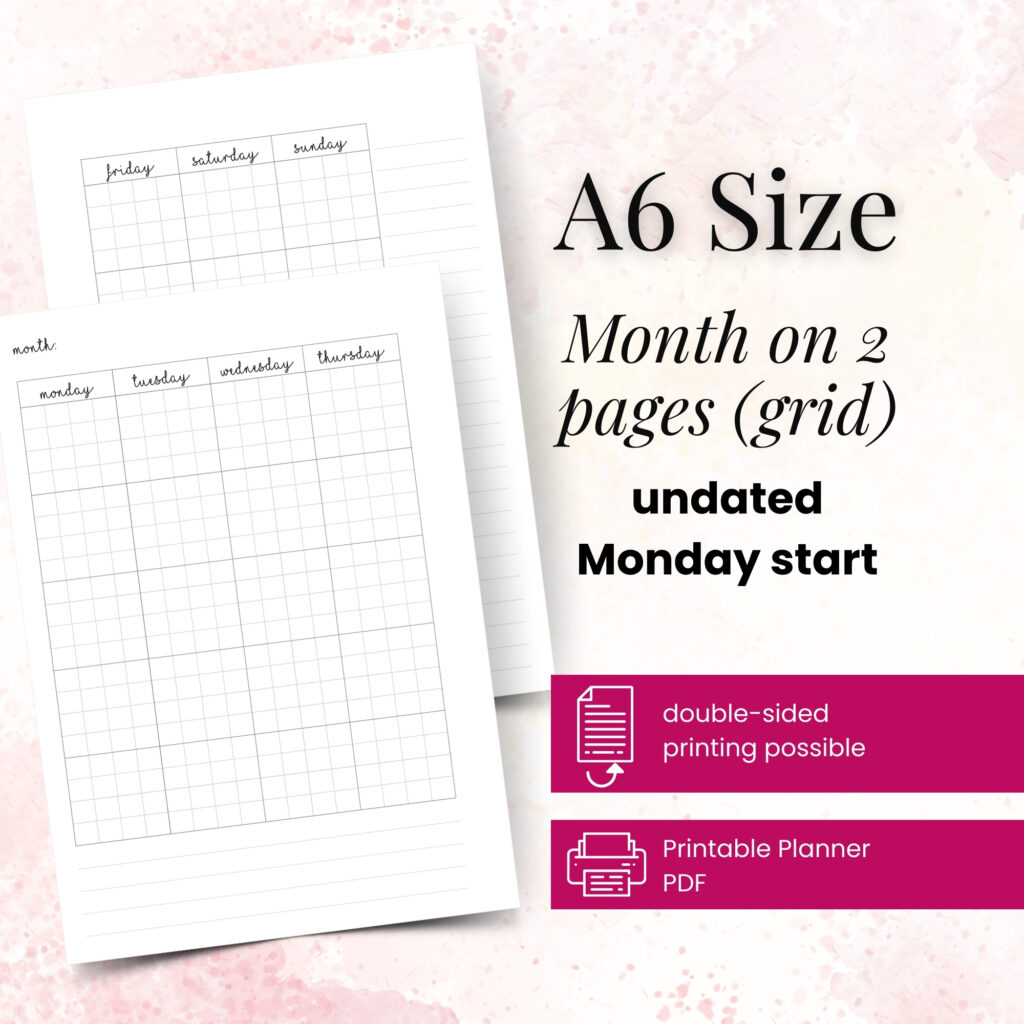
Not every insert style works equally well in every format. A roomy weekly dashboard can feel wonderful in A5 and too compressed in Personal. On the other hand, a clean vertical or simple weekly list can look polished and functional in Personal. Creator-tested printable inserts make this easier because you can choose layouts that actually suit the page size instead of forcing one style into every format.
The biggest mistake is choosing based on looks alone. A beautifully styled A5 setup can be tempting, and a sleek Personal planner can look wonderfully portable. But if the size does not support the way you plan, it will slowly become frustrating.
Another common mistake is choosing for your ideal life instead of your real one. If you imagine long planning sessions but actually jot things down between tasks, that changes your best fit. If you love compact planners but keep adding tip-ins, notes, and long lists, that matters too.
Your planner should support your routine, not ask you to shrink or stretch your life to fit the page.
Choose A5 if you want space, clarity, and flexibility across many parts of life. It gives you room to think, write, and organize with less compromise. Choose Personal if you want portability, simplicity, and an everyday planner that stays easy to carry and use.
If you are right on the line, lean toward the size that removes friction. The best planner size is the one you will print, set up, and reach for again tomorrow. Your successful planning story begins with a single print, and the right size makes that first step feel easy.

€4,24
€4,24
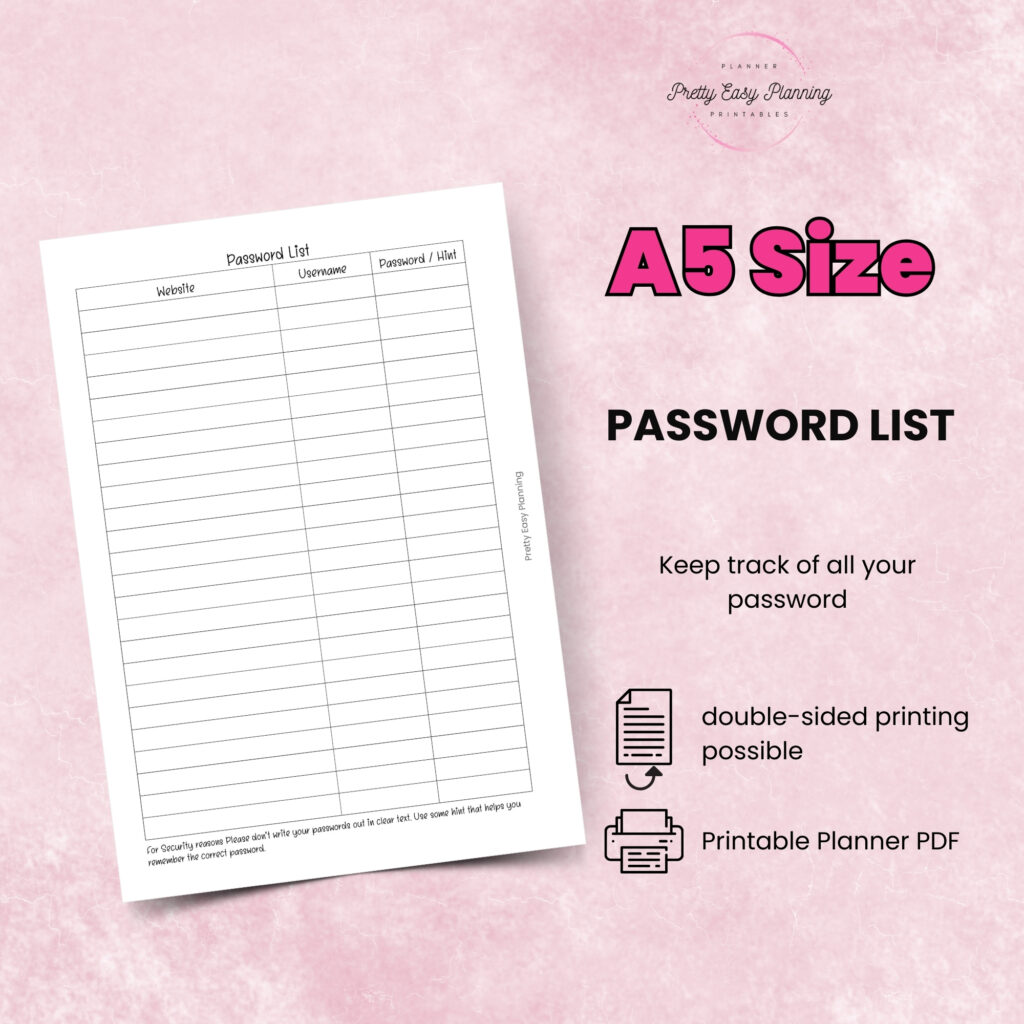
€4,24
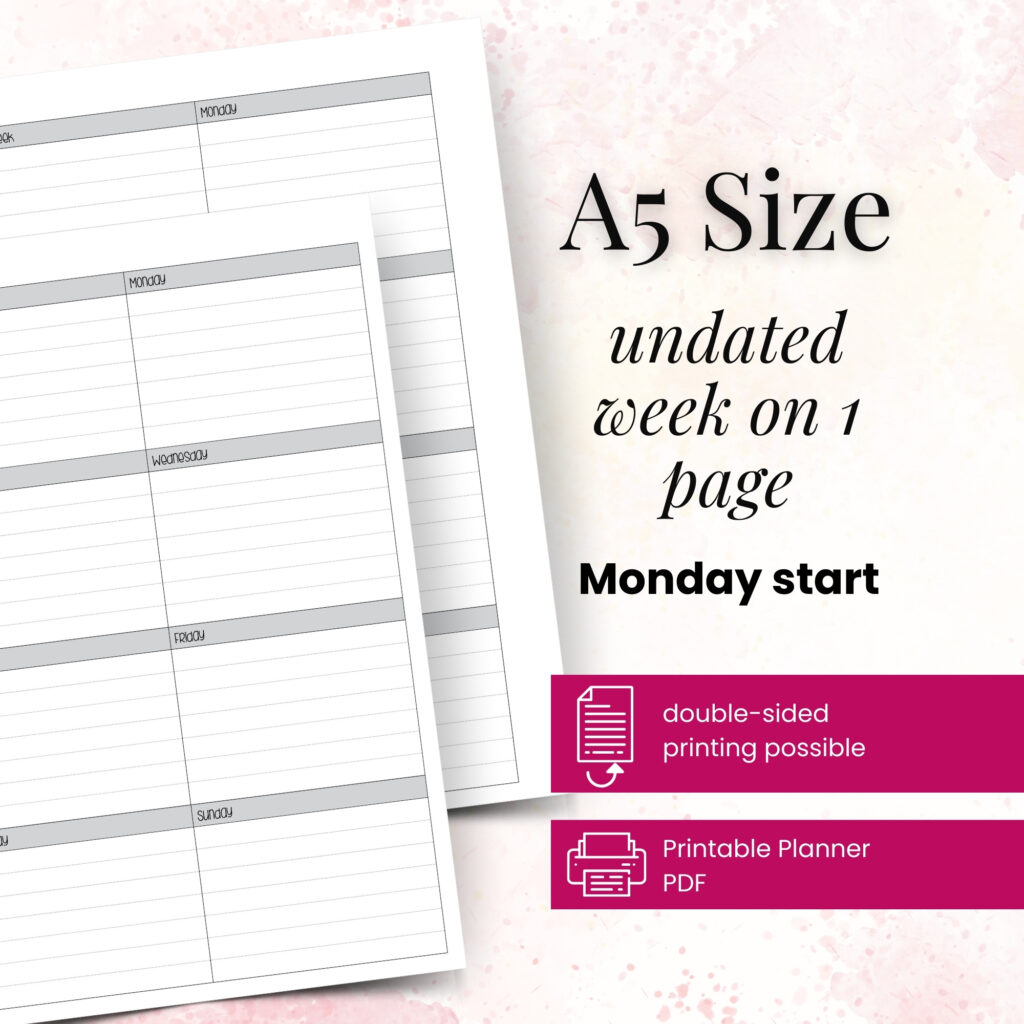
€4,24
A6 vs happy planner: compare size, space, portability, and page options to choose printable inserts that make your everyday planning feel easier with purpose.
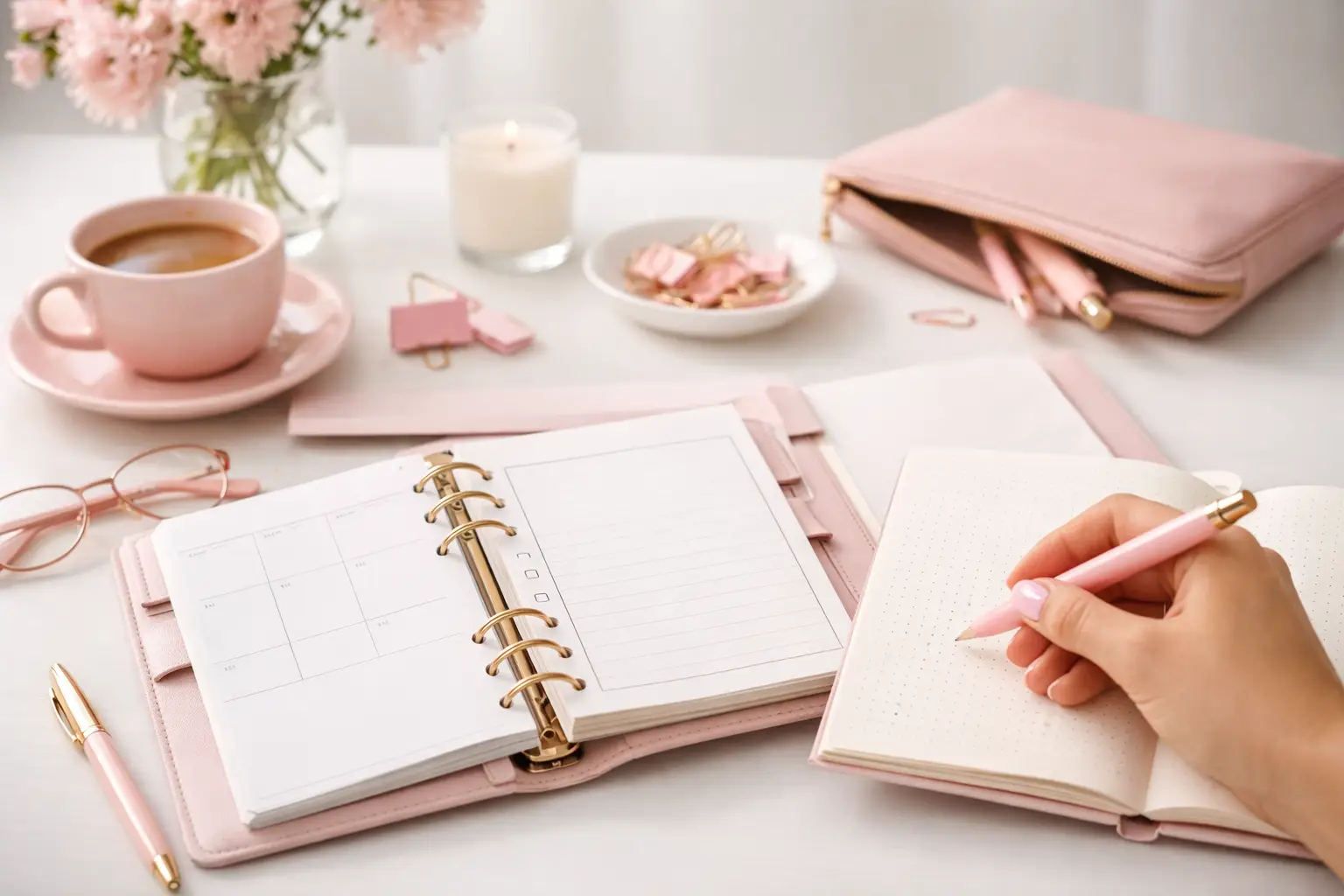
Wondering which planner pages do i need? Build a practical paper planner with only the inserts that support your real routines, goals, and plans daily.
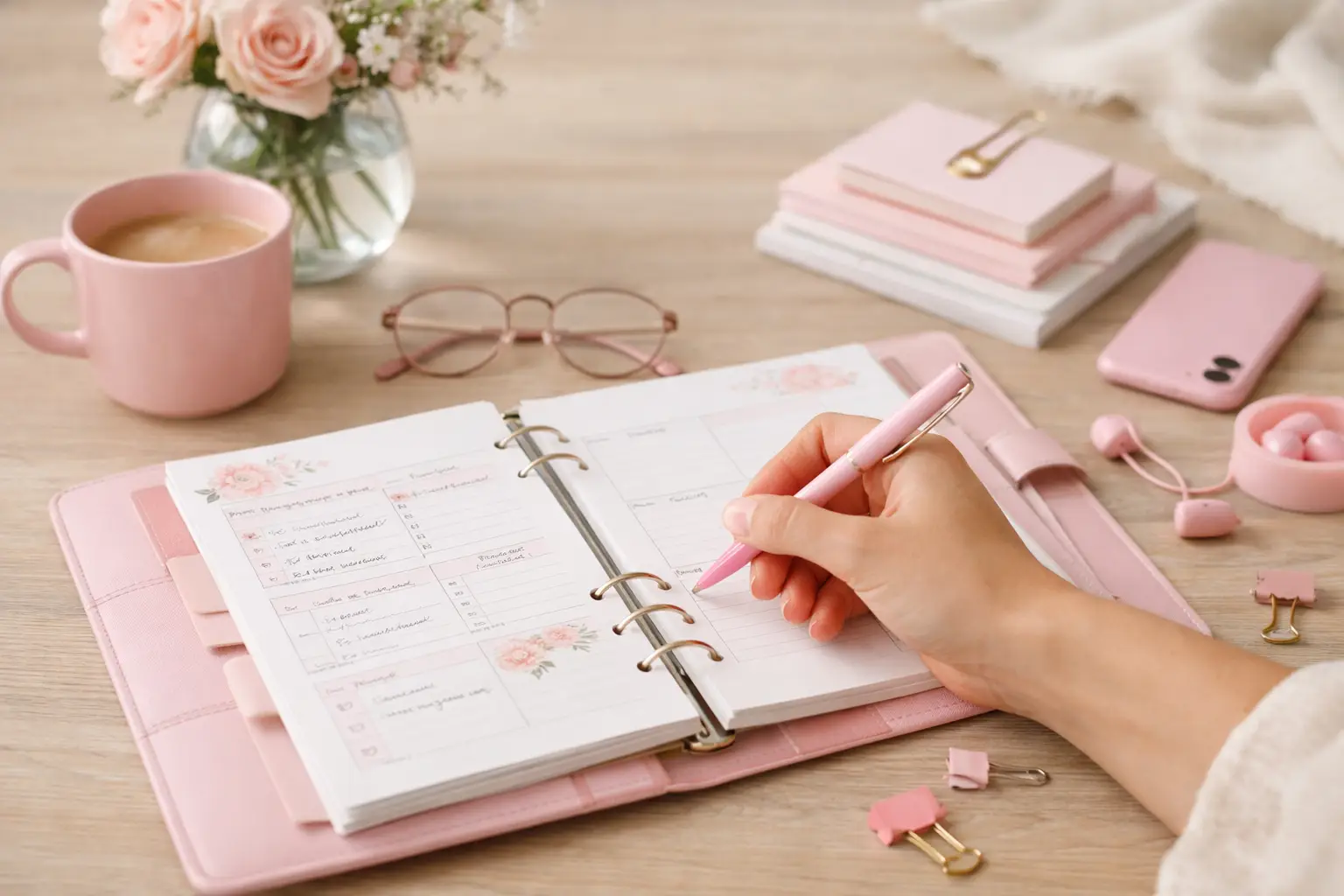
The future of printable planners favors flexible, beautiful systems: print what fits your week, refresh routines, and keep every page useful for life.