A6 vs Happy Planner: Which Fits Your Life?
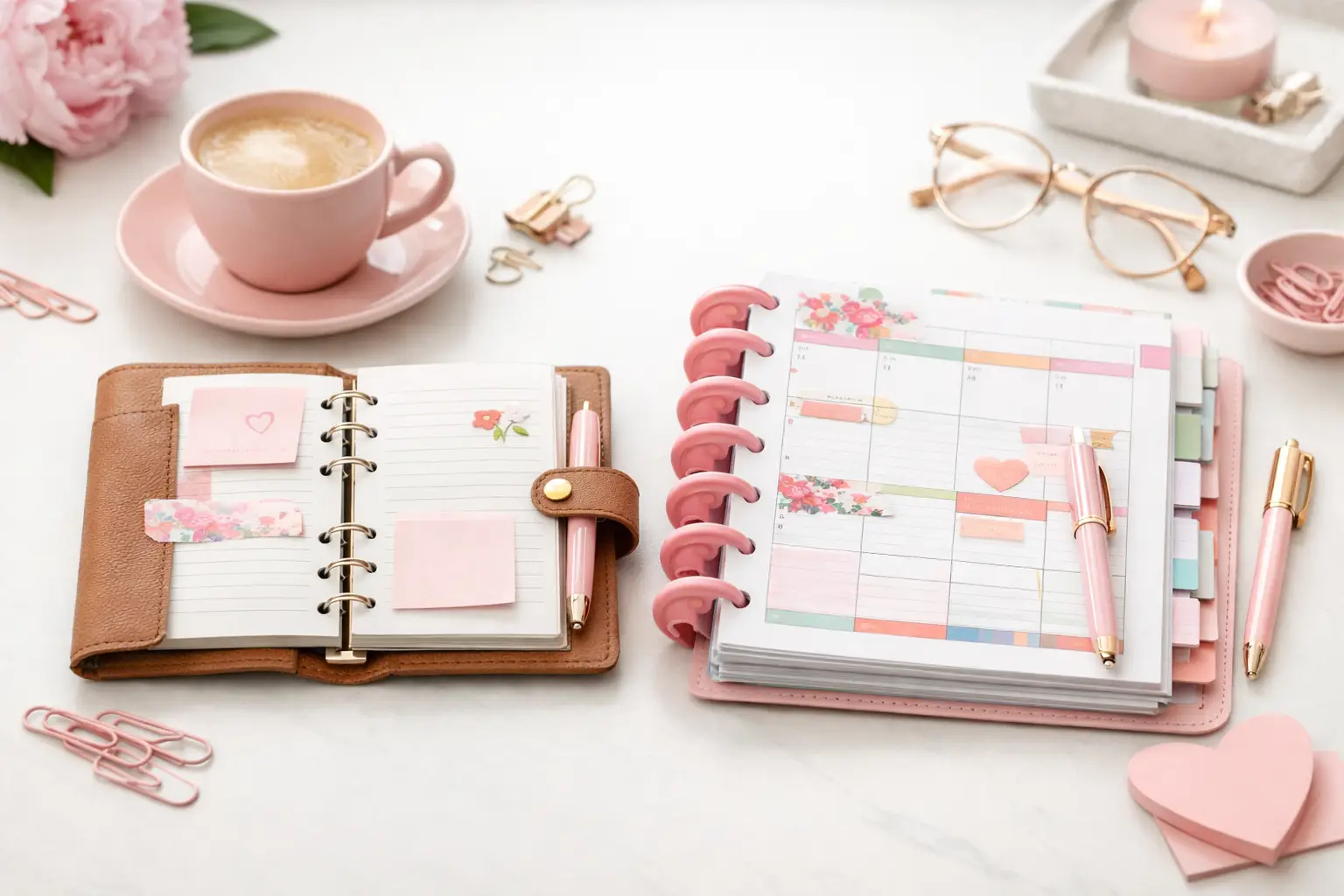
A6 vs happy planner: compare size, space, portability, and page options to choose printable inserts that make your everyday planning feel easier with purpose.
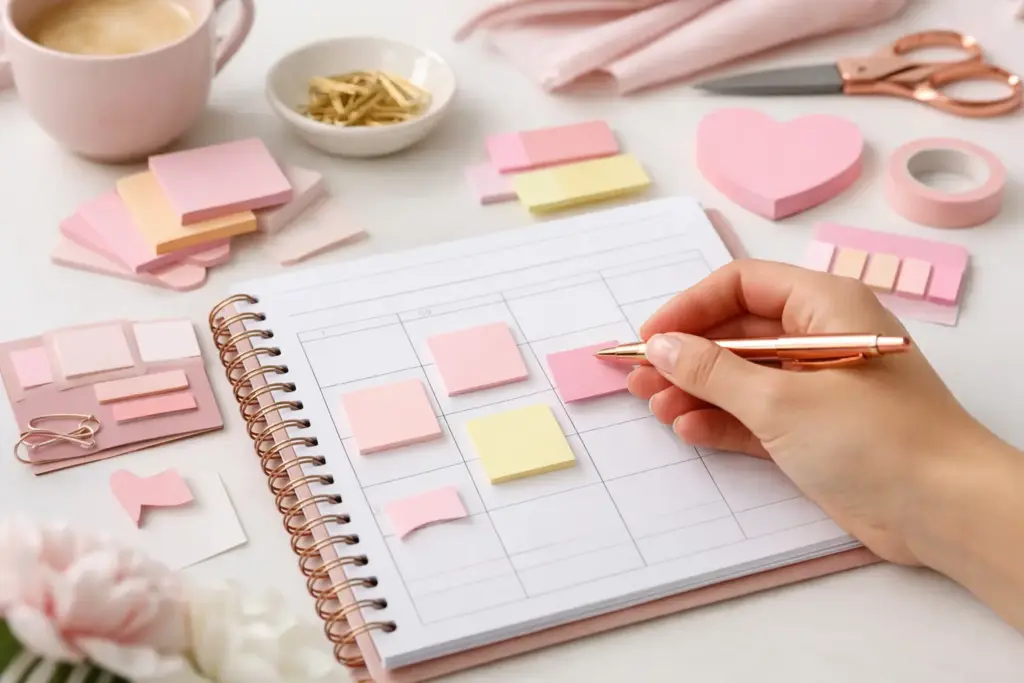
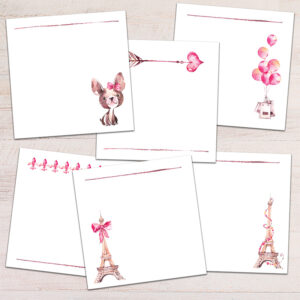
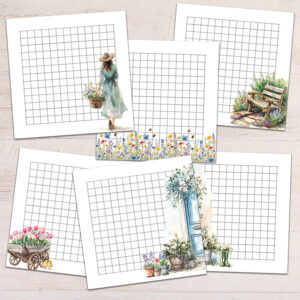
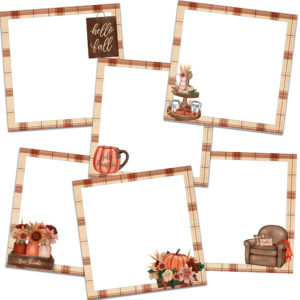
A good planner system usually falls apart in the same place: the stuff that changes. A meeting gets moved, a grocery list grows, a habit tracker needs a reset, or a reminder belongs in one week now and another week later. That is exactly where a planner sticky notes printable setup shines. You keep the structure of your inserts, but you add moveable space where life stays flexible.
If you already love paper planning, printable sticky notes feel like the practical extra that makes your pages work harder without looking messy. They help you test routines, catch temporary tasks, and add quick notes without rewriting an entire spread. They also give you more control over how much space you use and where you use it.
Sticky notes solve a very specific planning problem. Your main inserts hold the stable structure of your week, month, or routines. Sticky notes handle the moving pieces. When you print note designs made for planners, you get that flexibility without the random look of office supply sticky pads that do not quite fit your page style.
That matters more than it sounds. A note that fits your layout well is easier to use consistently. If a sticky note hangs over your weekly boxes, covers your time blocks, or feels too small for the task, you stop reaching for it. On the other hand, when the scale, shape, and style match your inserts, it feels natural to use them every day.
This is also where printables have a real advantage. You can choose the paper you like, print only what you need, and keep your system aligned with your planner size. That means less waste, faster refreshes, and more room to experiment until your setup feels right.
Some planner tools look cute but do not really earn their space. Sticky notes usually do. The key is using them for temporary or movable information instead of permanent planning details.
A weekly spread is a great example. You might use a small sticky note for a running errand list, then remove it once everything gets done. You could place a medium note over Saturday and Sunday for weekend plans that still feel undecided. If your work week changes often, you might use a sticky note for top priorities and move it forward when plans shift.
They also work beautifully in monthly layouts. A monthly page gives you the broad picture, but not every box has room for all the details. A planner sticky notes printable design can hold follow-up tasks, bill reminders, meal planning notes, or travel prep without crowding the calendar.
Project planning is another strong use case. Say you are preparing for a birthday party, a move, or a busy work launch. You can dedicate one sticky note to supplies, another to calls or emails, and another to deadlines. Then you can move those notes between your dashboard, weekly pages, and notes section as the project develops.
Not every sticky note should do the same job. One of the easiest ways to improve your setup is to assign each size a purpose.
Small sticky notes work best for single reminders, short flags, and tiny prompts. Think call the dentist, buy stamps, or check school form. Medium notes give you enough room for mini to-do lists, meal ideas, or next steps on a project. Larger notes make sense when you need a flexible catch-all area, especially on dashboards or notes pages.
Shape matters too. Square notes feel tidy and versatile, but rectangular notes often fit weekly columns better. Long narrow notes can act like movable sidebars for priorities or routines. If you use multiple planner sections, matching different shapes to different categories can save time. For example, use one shape for household tasks and another for work follow-ups.
It depends on your planning style, though. If you prefer a very clean spread, fewer sticky note sizes may feel calmer. If you love a customized system with layers and movable pieces, a mix of shapes gives you more options.
Printing sticky notes for planners gets much easier when you start with your planner size first, not the design first. Before you print, think about where the notes will live. Are they meant for A5 weekly pages, Personal inserts, or Happy Planner Classic spreads? That decision affects how large the writing area should be and how much page space you want each note to cover.
Next, consider your paper. Lighter paper can work well for decorative or occasional use, but a slightly sturdier sheet often feels better for repeated handling. If you like to move notes often, your finished result should stay neat after lifting and replacing. Many planner users also prefer paper that matches the look and feel of their inserts so the whole setup stays cohesive.
Then test one sheet before printing a full batch. This step saves frustration. Place a printed note on the page where you plan to use it most. Check if it covers key headings, leaves enough writing room, and works with your handwriting size. A note that looks perfect on screen can feel too cramped once pen hits paper.
The most useful planner accessories earn repeat use. Sticky notes become clutter when they do not have a clear role, but they become incredibly helpful when you build simple habits around them.
Start with just two or three repeating functions. You might use one note style for this week, one for later, and one for waiting on. Or you might assign them to meal planning, task overflow, and appointment changes. Once those categories feel natural, you can add more if needed.
Keeping sticky notes near the front of your planner also helps. If you tuck them into a pocket, clip them onto a dashboard, or store them in a dedicated section, you will actually use them. If they live in a stack across the room, they become another supply you forget you own.
A coordinated printable system makes this easier because everything already works together visually. At Pretty Easy Planning, that creator-tested approach matters. Your planner should feel beautiful, yes, but it should also support real life on busy weekdays, overloaded weekends, and all the in-between moments when plans change.
The biggest mistake is using sticky notes as a fix for poor layout choice. If your weekly page never has enough task space, you may need a different weekly insert, not six notes layered on top of each other. Sticky notes should support your planner, not rescue it every day.
Another issue is overdecorating notes that need to stay functional. A pretty sticky note still needs enough room to write. If the design takes over the space, you lose the benefit. Balance matters here. Attractive layouts make planning more enjoyable, but function has to come first.
Some planner users also print too many styles at once. That sounds productive, but it often creates decision fatigue. Start small, test what you reach for, and reprint the winners. One of the best parts of printables is that you can refine your system without getting stuck with a huge pile of unused accessories.
Pick one area of your planner that changes often. That might be your weekly priorities, your meal plan, or a rotating task list for home. Print one planner sticky notes printable sheet that fits that need. Use it for seven days and pay attention to what happens.
Did you move the notes around? Did you need more writing space? Did one shape fit better than another? Those small observations tell you far more than printing a dozen designs all at once. Planning gets easier when you build from real use, not guesswork.
Your successful planning story begins with a single print, and sometimes that single print is not a full insert at all. Sometimes it is one well-placed sticky note that gives your pages the flexibility they were missing.

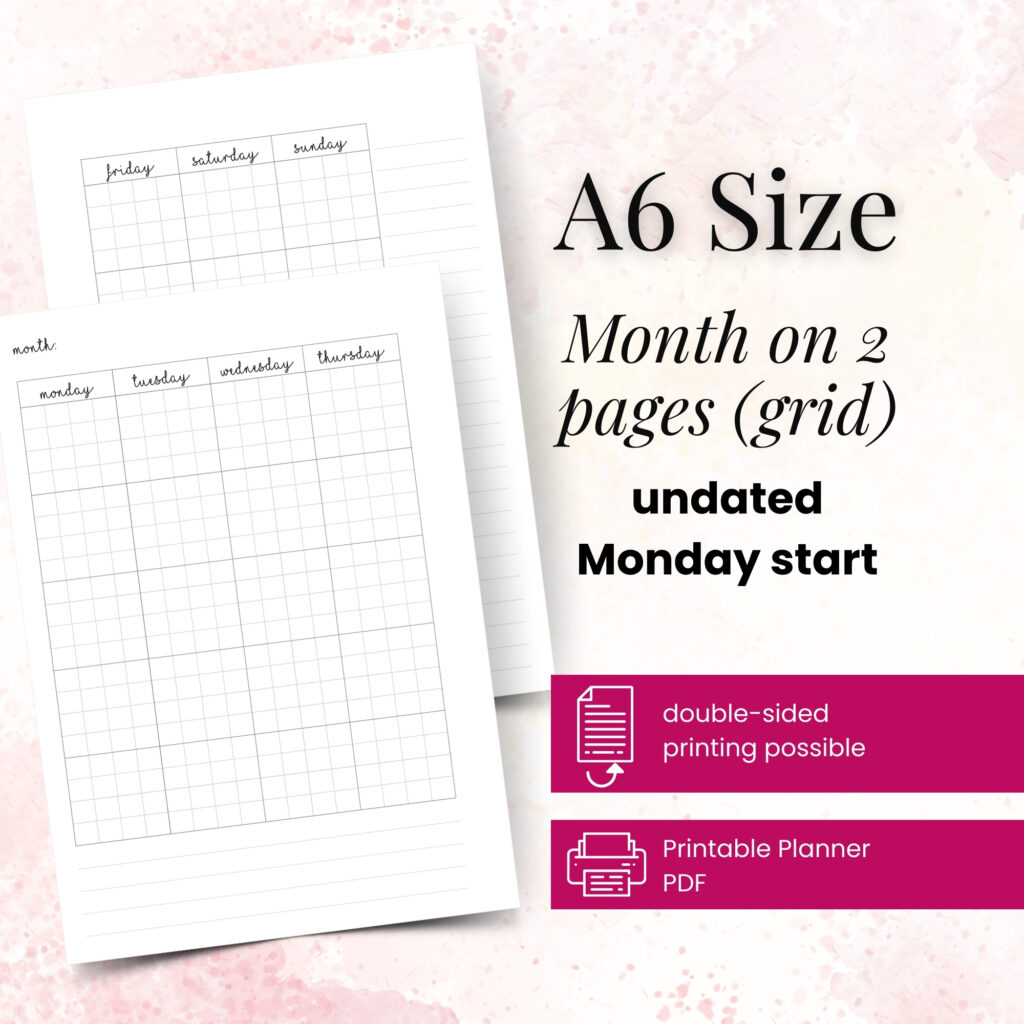
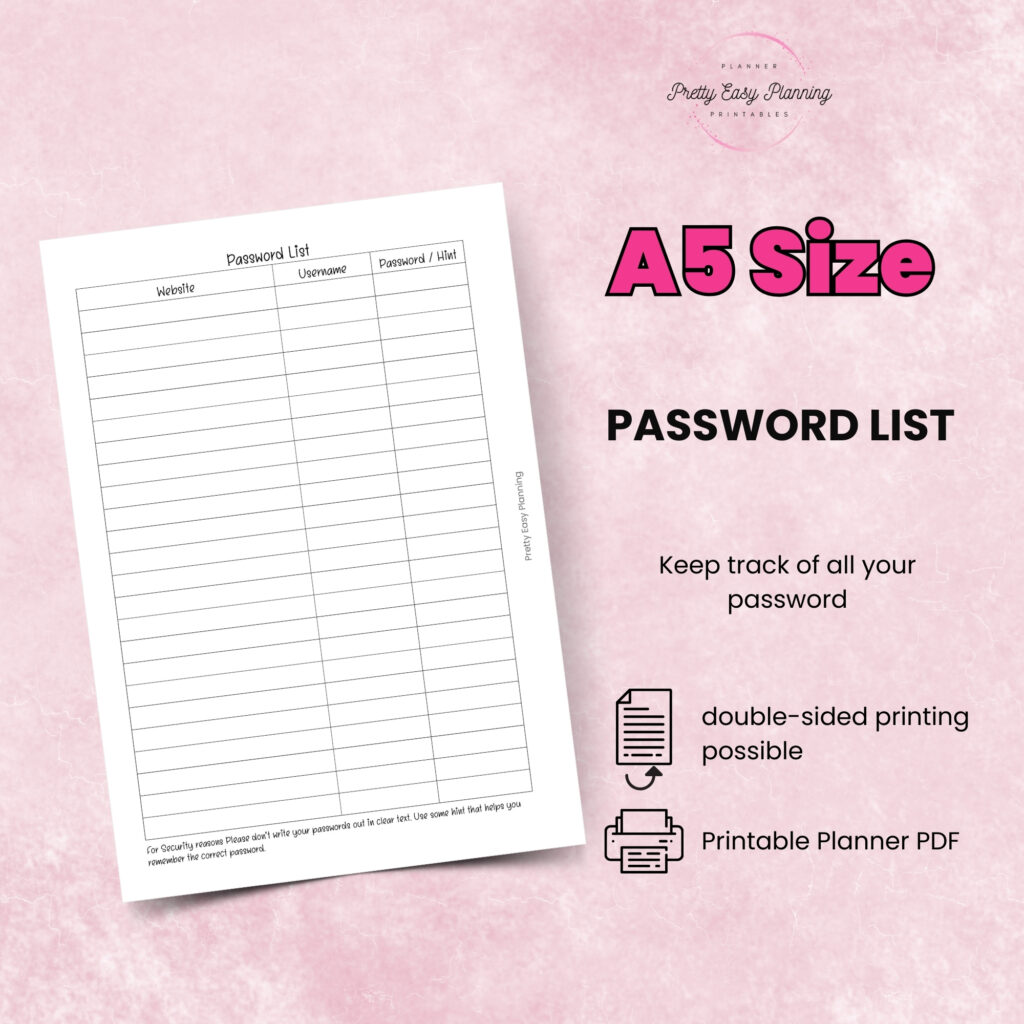
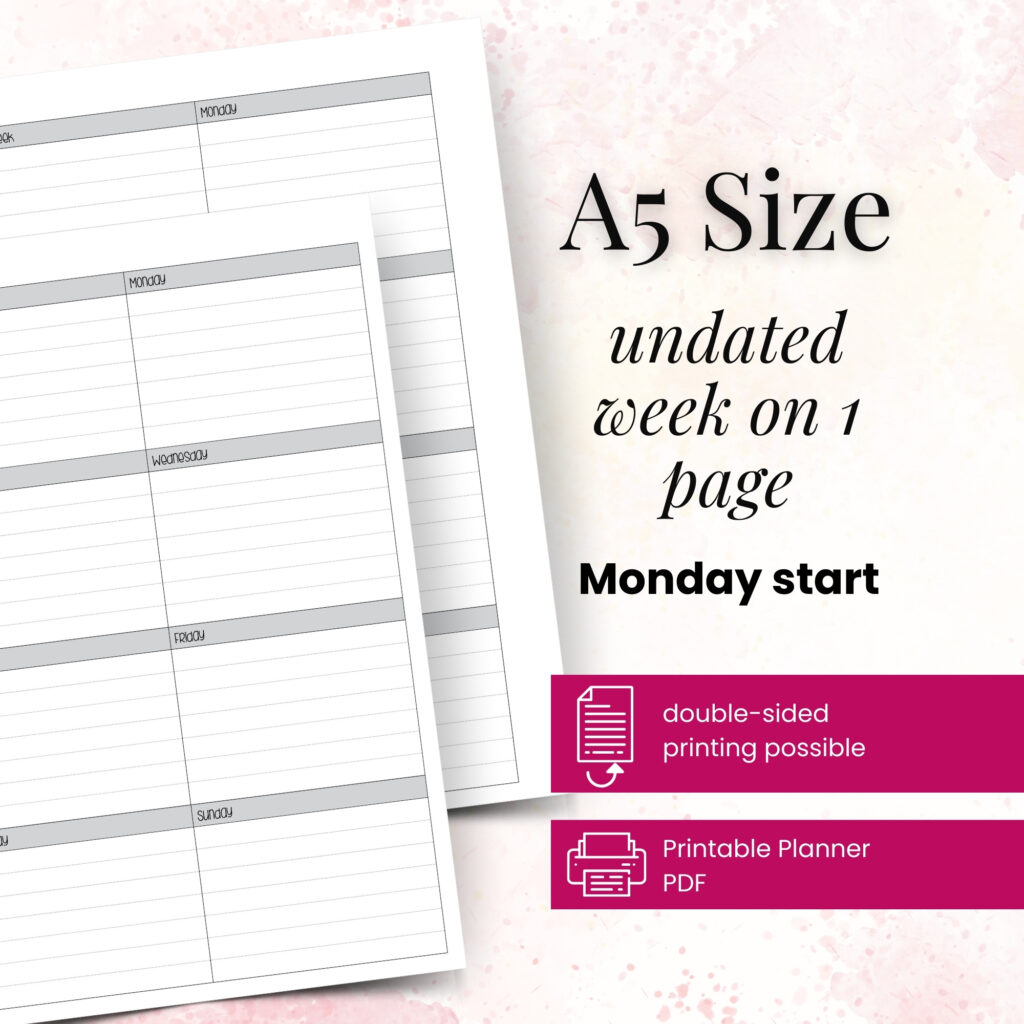
A6 vs happy planner: compare size, space, portability, and page options to choose printable inserts that make your everyday planning feel easier with purpose.
Wondering which planner pages do i need? Build a practical paper planner with only the inserts that support your real routines, goals, and plans daily.
The future of printable planners favors flexible, beautiful systems: print what fits your week, refresh routines, and keep every page useful for life.