A6 vs Happy Planner: Which Fits Your Life?
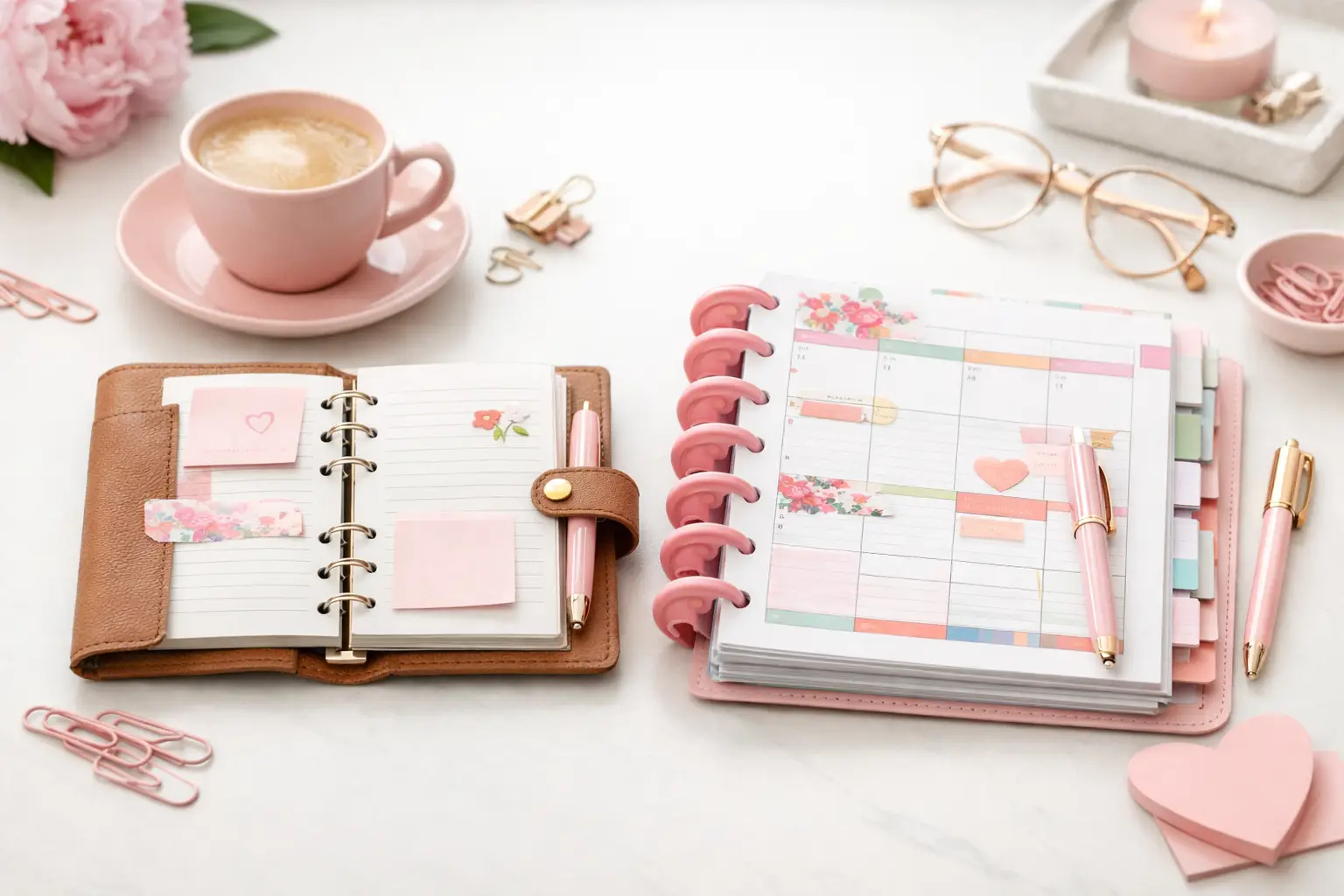
A6 vs happy planner: compare size, space, portability, and page options to choose printable inserts that make your everyday planning feel easier with purpose.
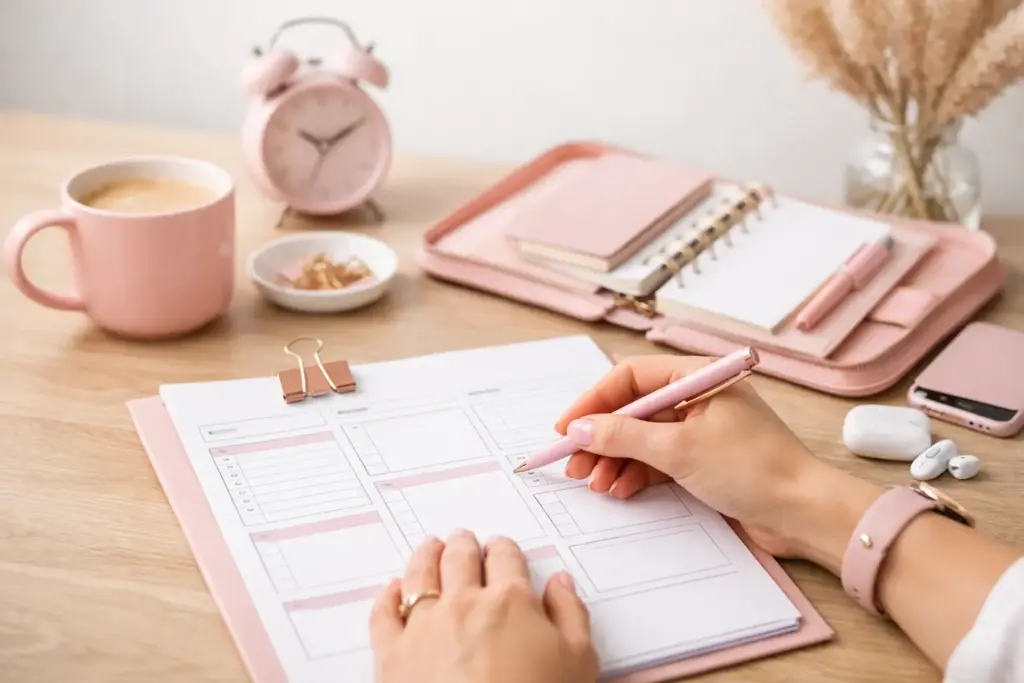
Some routines look perfect on social media and fall apart by Wednesday. A good printable planner routine example should do the opposite. It should make your actual day easier to run, even when life gets busy, messy, or a little unpredictable.
That is where printable inserts shine. You can build a routine around the way you already live, not around whatever a pre-filled planner decided your day should look like. If you want more structure in your mornings, clearer work blocks, or a better way to keep home tasks from floating around in your head, a flexible paper setup gives you room to make it yours.
A useful routine page does more than look organized. It helps you repeat the right things without rewriting them every day. That is the difference between a planner that feels pretty and one that actually supports your week.
Most people do best with a routine that includes anchors instead of a minute-by-minute script. Anchors are the pieces that happen around the same time or in the same order each day, like a morning reset, checking your top three priorities, starting dinner, or setting up for tomorrow. When your inserts hold those pieces in a clear layout, planning feels lighter.
This matters even more if your days change from one season to the next. Maybe your work schedule shifts, your kids’ activities move around, or you need extra space during a busy month. A printable system lets you keep the structure you love and swap the pages that no longer fit.
Let’s build a practical routine for a typical weekday. This example works well for someone balancing work, home tasks, appointments, and personal goals. You can adapt it for A5, Personal, A6, Personal Wide, or Happy Planner Classic by choosing the insert size that gives you the writing space you need.
Start with a short section at the top of your daily insert for repeated morning actions. Keep it realistic. A strong morning routine might include making the bed, checking your calendar, taking vitamins, packing lunch, and reviewing your top priorities.
The goal is not to create a 14-step performance. The goal is to reduce decision fatigue. When you can glance at your page and move through a familiar rhythm, your day starts with less friction.
If you enjoy visual structure, use small checkboxes beside each task. If you prefer a cleaner page, write a single line such as: Morning anchor – get ready, review schedule, start first task. Both approaches work. It depends on whether checking off small wins motivates you or makes the page feel crowded.
Next, use the center of the page for your main work period. This area works best when it separates appointments from task priorities. One side can hold timed events, while the other lists the top three tasks that must move forward today.
For example, your page might read like this in plain language: 9:00 team call, 11:00 client draft, 1:30 grocery pickup, then top priorities such as finish report, send invoice, and plan Thursday. That combination keeps your schedule and your workload connected.
This part of the printable planner routine example matters because many people over-plan tasks without looking at available time. A page that shows both helps you make better choices. If the day fills up with appointments, you can trim your task list before you feel behind.
Afternoons often fall apart because home tasks have nowhere to live. Add a smaller section for errands, household maintenance, and personal admin. This could include laundry, meal prep, bill reminders, prescription pickup, or tidying one room.
Keep this block tight. You do not need a second full to-do list competing with your work list. Choose one or two home tasks that make the evening smoother. That is usually enough.
A short evening section helps tomorrow start better. Think of it as your closing routine. Write down simple actions such as clear your desk, check tomorrow’s calendar, prep breakfast items, refill your planner pages, or set out what you need for the next day.
Even five minutes here can change the whole feel of the morning. If your planner insert includes space for this reset, you are more likely to keep using it because the page supports the full cycle of your day.
You do not need a thick stack of inserts to create a useful system. In fact, too many pages can make routine planning feel harder. A few well-chosen inserts usually work better than a bulky setup.
A daily insert gives you the core structure. Pair it with a weekly overview so you can see recurring appointments and task clusters before the day begins. A simple notes or list page can hold running items that do not belong on today’s sheet yet, such as errands for later in the week or ideas you want to revisit.
Some planner users also love a dashboard at the front of the section with routine reminders. That works especially well if you are building new habits or managing a season with more moving parts. You can keep your weekday anchors visible without rewriting them on every page.
At Pretty Easy Planning, this kind of layered setup is part of the appeal. You can choose the inserts that match your routine and print the pages you will actually use, which makes testing a new structure much less wasteful.
Start by watching your current week. Notice what already repeats. Maybe you always check email with coffee, clean the kitchen before bed, or plan meals on Sunday. Those repeated behaviors are the foundation of a routine that will stick.
Then choose three anchors for the day: one in the morning, one in the middle, and one at night. Build your insert around those first. After that, add support sections only if they solve a real problem. If appointments keep surprising you, add a timed schedule. If household tasks get lost, add a short home section. If you already know your rhythm, keep the page simple.
This is where many planner users get stuck. They try to print the perfect setup before they know what they need. It usually works better to print a small batch, use it for a week, and adjust. If a section stays empty, remove it. If you keep writing meal notes in the margins, give meals a proper spot.
The biggest mistake is making the routine too ambitious. A planner cannot carry a routine that asks more from you than your day can give. If your morning is already rushed, do not add twelve new tasks just because they look nice on paper.
Another common problem is mixing routines with goals. A routine is the repeatable rhythm that keeps life moving. A goal is a result you want to reach. Reading for ten minutes each evening can be part of a routine. Finishing twenty books this year is a goal. Your inserts can support both, but they should not blur together on the page.
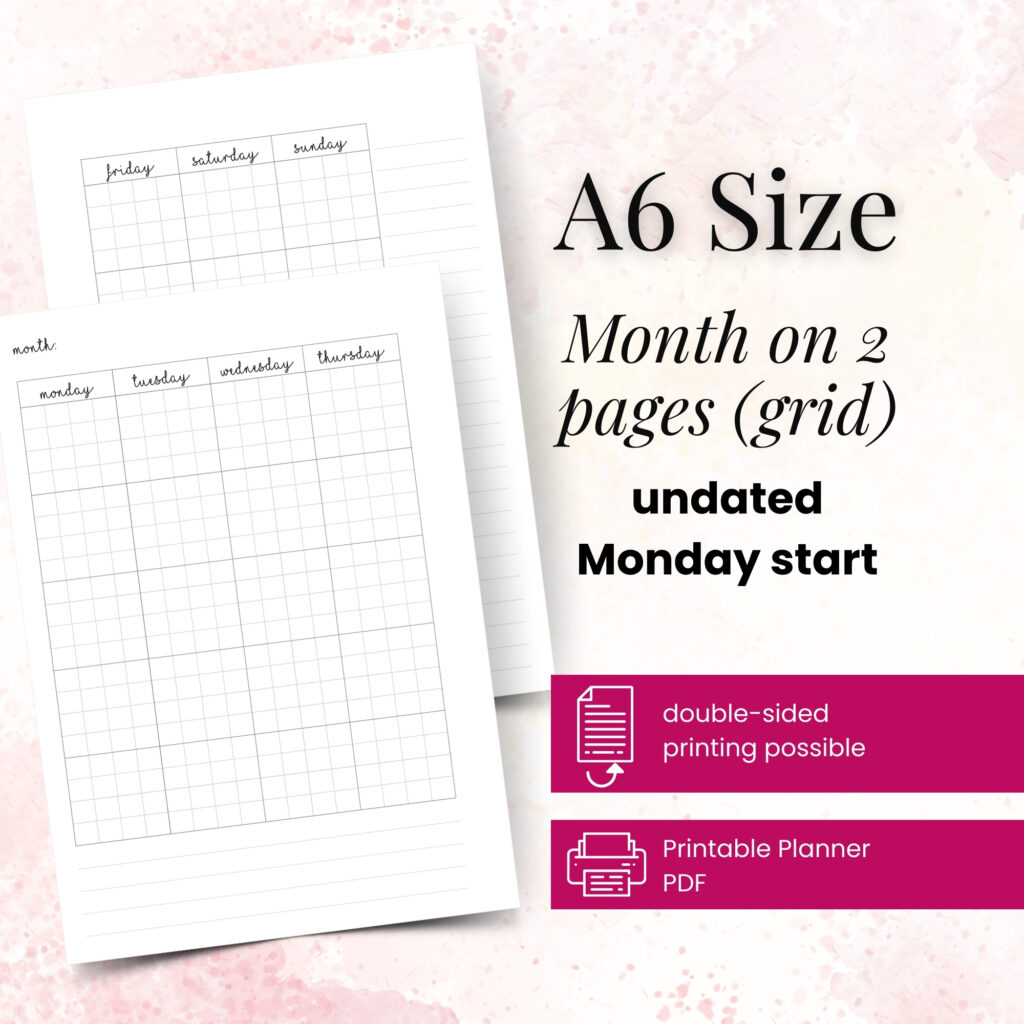
Layout mismatch also matters more than people think. If the boxes are too small, you stop writing. If the page feels too empty, you may lose focus. That is why format choice matters. An A6 setup can feel portable and focused, while A5 offers more room for layered days. Personal and Personal Wide sit nicely in the middle. The best size depends on how much detail you like to see at once.
A good routine does not stay frozen all year. Summer schedules, back-to-school weeks, busy work seasons, travel, and holidays all shift the shape of a normal day. Your planner should bend with you.
That is another reason printable systems work so well for routines. You can keep your favorite daily page and switch supporting inserts when life changes. Maybe you need more meal planning space this month, more appointment tracking next month, or a simpler page during a stressful season. Small changes keep your planner useful without forcing a full reset.
If your current routine has stopped working, do not assume you failed. Most of the time, the layout or timing needs an edit. Planning works best when it responds to real life instead of trying to control every minute of it.
A routine page should feel like a helpful nudge, not a test you can fail. Start small, print what supports your day, and let your system grow with you. Your successful planning story begins with a single print.

€4,24
€4,24
€4,24
€4,24
A6 vs happy planner: compare size, space, portability, and page options to choose printable inserts that make your everyday planning feel easier with purpose.
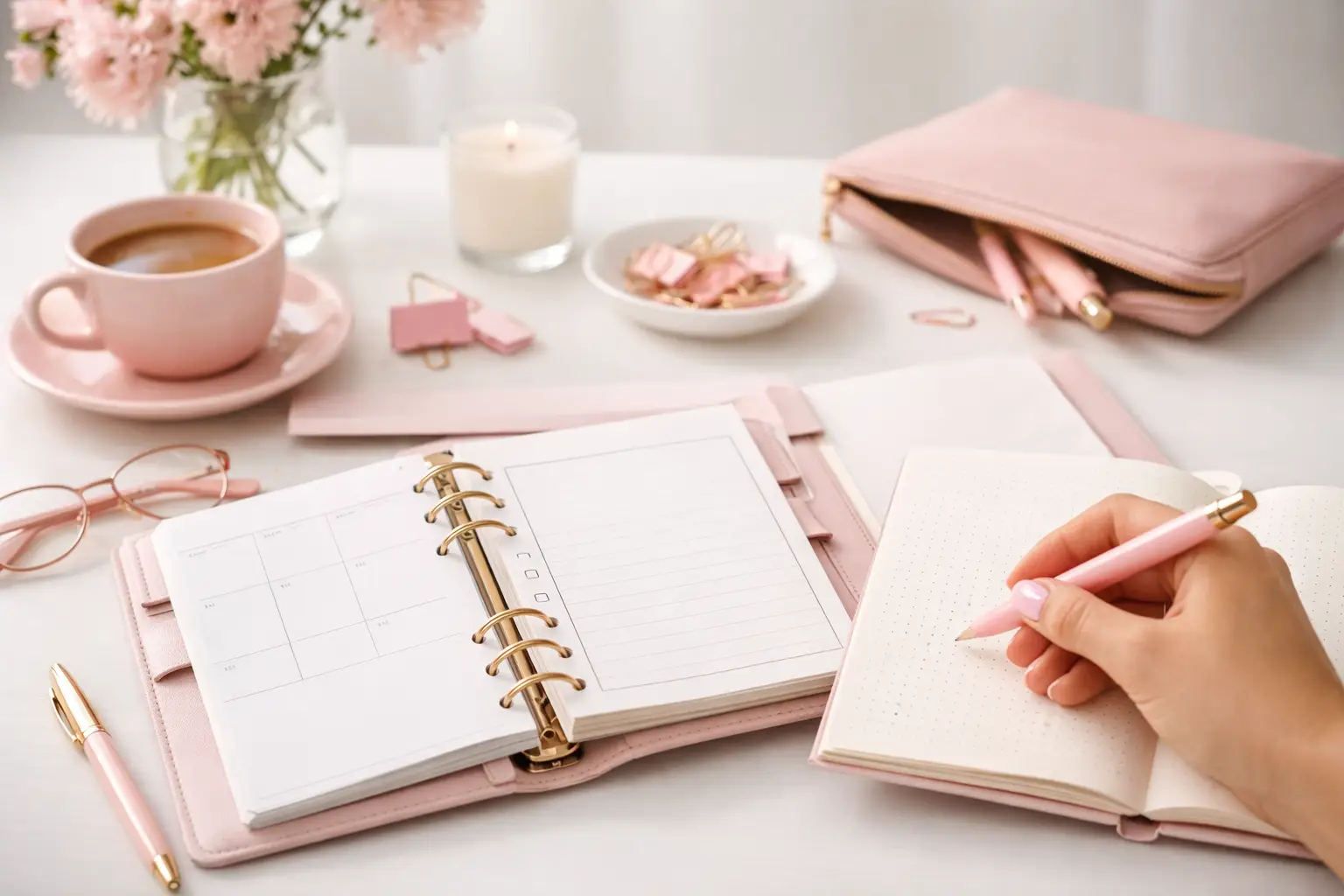
Wondering which planner pages do i need? Build a practical paper planner with only the inserts that support your real routines, goals, and plans daily.
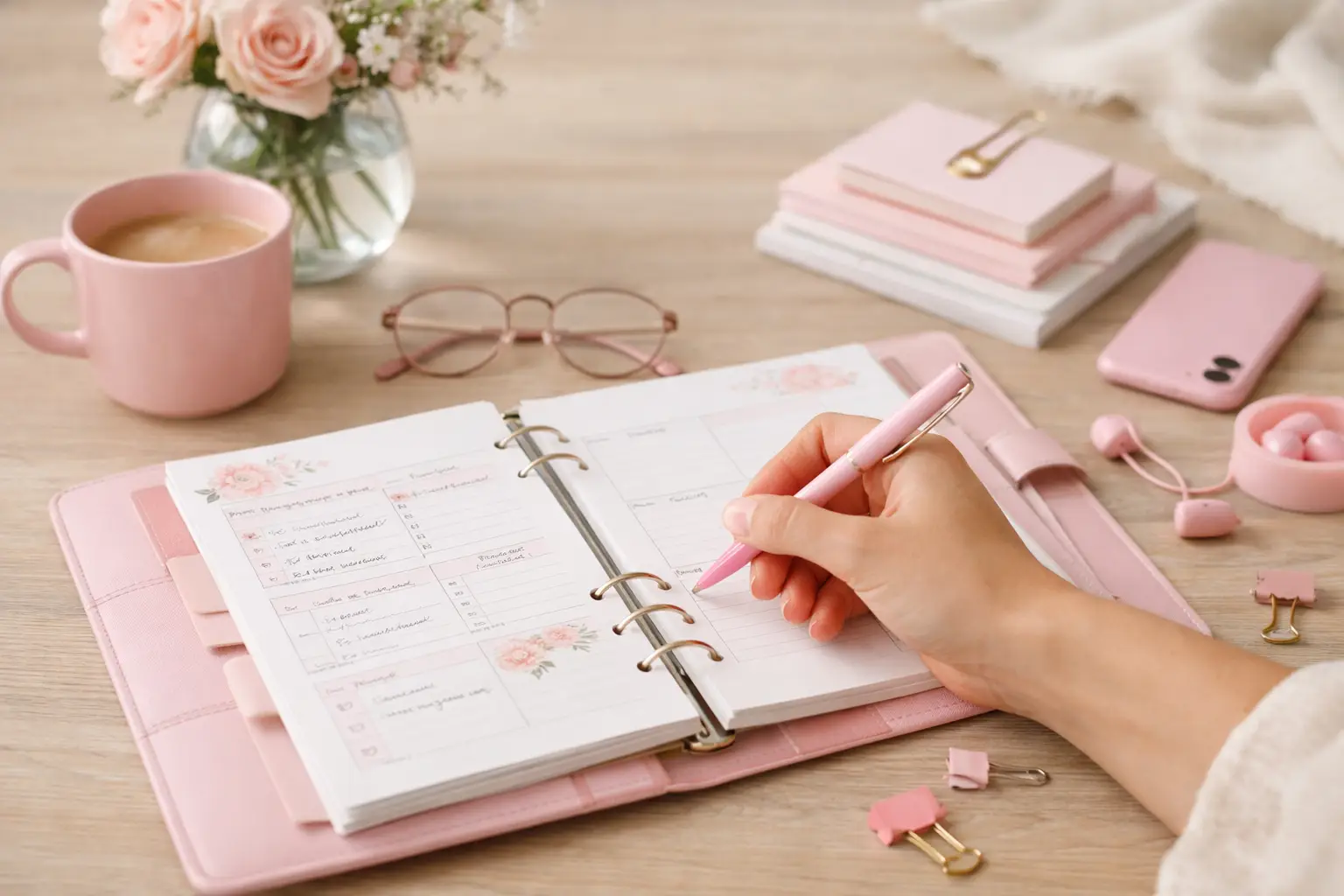
The future of printable planners favors flexible, beautiful systems: print what fits your week, refresh routines, and keep every page useful for life.