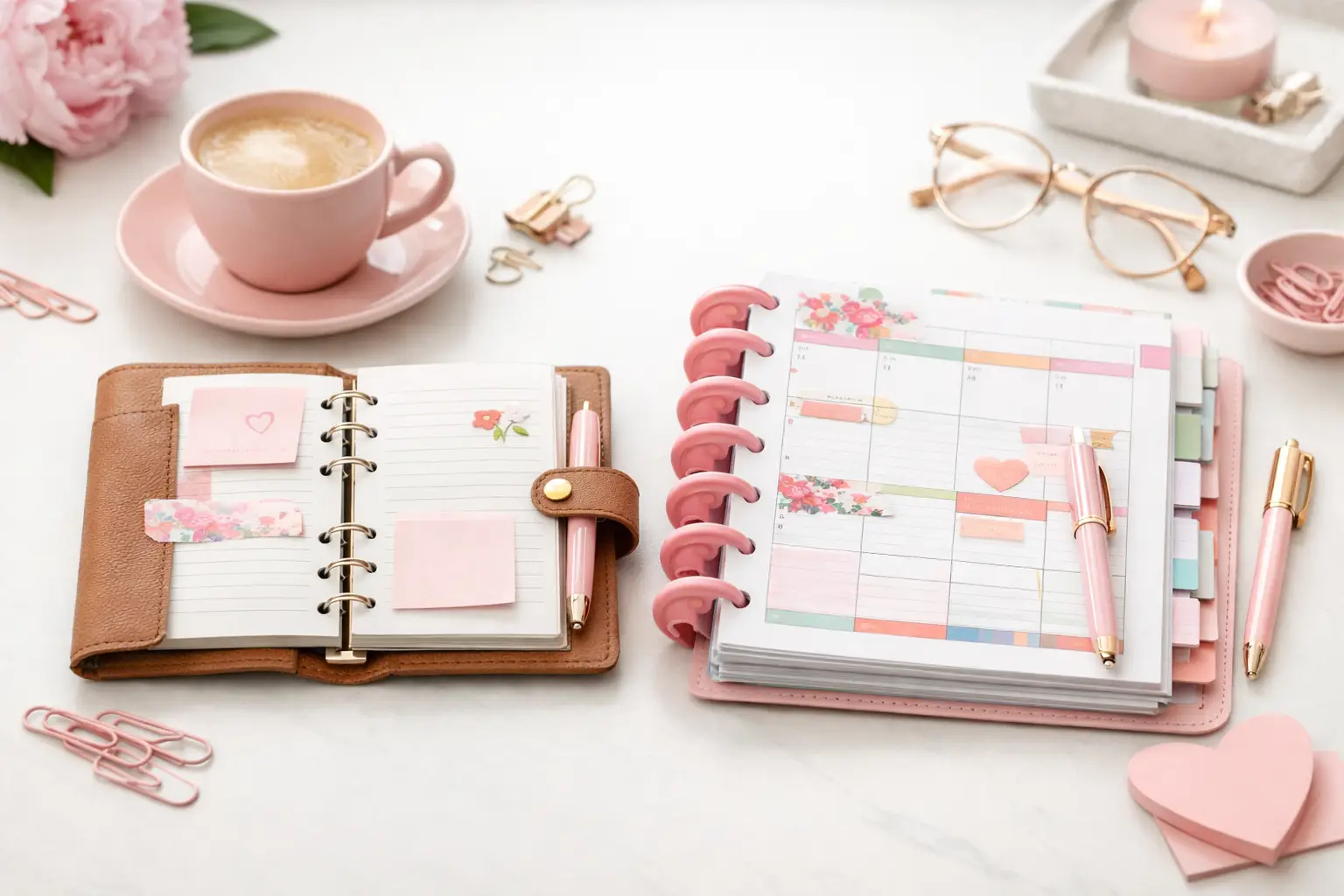
A6 vs Happy Planner: Which Fits Your Life?
A6 vs happy planner: compare size, space, portability, and page options to choose printable inserts that make your everyday planning feel easier with purpose.
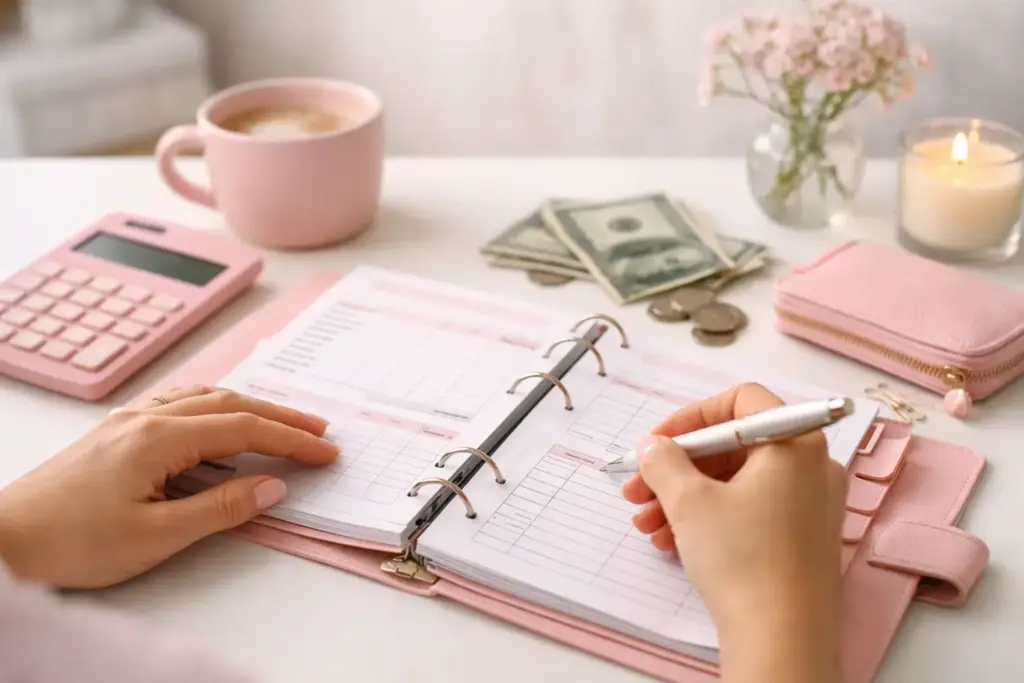
If your budget pages never seem to match the way you actually spend, save, and plan, printable budget inserts can fix that fast. They give you a way to build a money-planning system around your life instead of squeezing your life into a preset notebook. That matters when your bills change, your goals shift, or you simply want a layout that makes sense the second you open your planner.
For many paper planners, budgeting feels easier when the pages look right, fit the binder you already love, and support your routines without extra clutter. A good insert does more than hold numbers. It helps you spot patterns, stay honest about spending, and make financial decisions with less stress.
Budgeting on paper is personal. Some people want a simple monthly bills page and a spending tracker. Others want sinking funds, debt payoff, weekly check-ins, no-spend challenges, and savings goals all in one section. Printable budget inserts work because they leave room for that difference.
A pre-printed planner often forces you into one money layout for a full year. If it does not fit, you either stop using it or cover the page with workarounds. Printables give you more control from the start. You can test a monthly overview, add weekly spending pages during busy seasons, or reprint a favorite insert when you fill it up.
That flexibility also helps if your planner system changes. Maybe you use A5 at home and Personal Wide for your everyday carry. Maybe your budget section started simple, but now you want dedicated pages for subscriptions, groceries, or holiday spending. Printable inserts make those changes feel easy instead of expensive and frustrating.
Instant access is great, but convenience is only part of the story. The bigger advantage is that printable budget inserts help you create a system you will keep using.
When a layout matches your thought process, budgeting takes less mental effort. A clean monthly bills insert can help you see due dates at a glance. A spending log can show where small purchases pile up. A savings tracker can turn a long goal into visible progress. Each page gives your finances a home, and that structure often makes follow-through easier.
There is also a practical money benefit. You do not need to buy a whole new planner because one section stopped working. You can print a fresh set of pages, adjust your setup, and move on. If you only need two bill trackers and one debt page this month, that is all you print.
This approach works especially well for planners who like to refine their systems over time. Your successful planning story begins with a single print, but it gets stronger when you notice what helps and keep only the pages that earn their spot.
Not every budget insert serves the same purpose, so picking pages should start with your habits rather than trends. If you mostly need to remember due dates and amounts, begin with monthly bill payment inserts. If spending tends to drift during the week, add a weekly expense tracker. If your main goal is saving for irregular expenses, sinking fund pages might matter more than a detailed transaction log.
Think about where budgeting usually breaks down for you. If you forget upcoming bills, choose layouts with clear due date spacing. If you spend emotionally, look for inserts with room for notes or category review. If you hate rewriting the same information, pick pages that carry enough detail to stay useful all month.
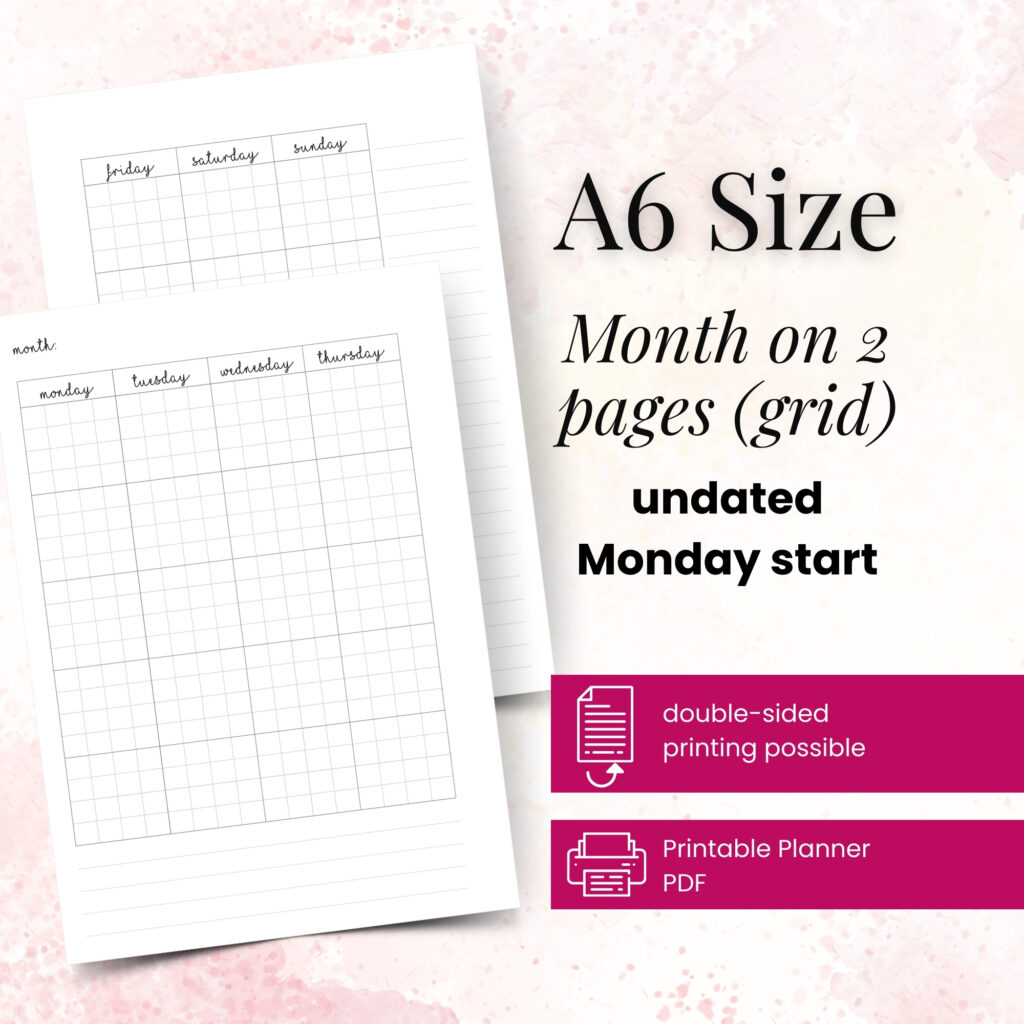
This is also where planner size matters. A6 can work beautifully for simple tracking and portability, but it gives you less writing space. A5 gives you more room for detailed categories and bigger handwriting. Personal and Personal Wide often hit the middle ground. Happy Planner Classic can feel roomy and visual, which some budgeters love.
There is no perfect format for everyone. The best one is the size you will open, use, and carry consistently.
A strong budget section does not need dozens of page types. It needs the right mix for your routine. Most people do well with a monthly bills page, some kind of spending tracker, and at least one goal-focused insert such as savings or debt payoff.
From there, you can build out based on your life. A household with many recurring expenses might want a subscription tracker. Someone working on seasonal spending might add holiday or birthday budgeting pages. A planner user focused on everyday awareness may prefer a compact expense log and a monthly review page.
Try building your section in layers. Start with your must-have pages, use them for a few weeks, then add only what feels missing. That keeps your planner functional instead of overcrowded.
Start by choosing the planner size you already enjoy using. If your budget pages live in a binder that stays closed, the layout will not help much. Pick the size that naturally fits your planning routine.
Next, decide which pages you need for the next month, not the next year. That could mean one monthly budget overview, four weekly spending check-ins, and one savings tracker. Printing for a shorter time frame makes it easier to test layouts without commitment.
After that, choose your paper thoughtfully. Thicker paper feels nicer and can reduce show-through, especially if you write with gel pens or markers. Standard paper may work fine if you prefer ballpoint pens and want to keep your planner lighter. There is a trade-off here. Heavier paper often feels more luxurious, but it can add bulk quickly.
Then print a small batch first. Check the margins, punch alignment, and scale before printing a full set. This step saves frustration. Even beautiful inserts lose their charm if the holes cut into your writing space.
Finally, place the pages in the order you naturally use them. Put your monthly bills page first if that is your anchor. Tuck expense trackers behind it. Add savings or sinking funds after your core monthly pages. The best setup follows your real planning flow, not a random category order.
One common mistake is printing too many pages at once. It feels productive at first, but bulky sections can become annoying to maintain. A slimmer setup usually works better because it keeps the focus on current decisions.
Another issue comes from choosing layouts that look pretty but do not match your habits. If you never track every coffee purchase, a super-detailed daily spending log may create guilt instead of clarity. On the other hand, if you need close tracking, a vague monthly box might not give enough structure.
Some planners also skip review pages, and that can weaken the whole system. Tracking matters, but reflection turns tracking into better choices. Even a simple monthly check-in can show where your plan worked and where it drifted.
A budget setup should support your life, not lock you into an old season. If your pages feel cramped, repetitive, or easy to ignore, that is a sign to adjust them. Maybe you need more writing room. Maybe you need fewer categories. Maybe your planner section needs one strong dashboard page instead of five smaller trackers.
Changes in routine also matter. A new job, family schedule, savings goal, or busy season can shift what you need from your inserts. Reprinting updated pages gives you room to respond without starting over from scratch.
This is one of the biggest reasons printable systems feel so satisfying. You can keep the pieces that work and refine the rest. Pretty Easy Planning understands that kind of flexibility because real planning rarely stays static for long.
The best budget pages do not just help you record numbers. They make money planning feel approachable, clear, and worth returning to. That is a big difference. When your inserts fit your routine, your planner becomes a working tool instead of a stack of good intentions.
If you have been dealing with layouts that waste space, miss key categories, or just do not feel right in your planner, printable budget inserts offer a more personal path. Print what supports you now, refine as you go, and let your budget section grow with your life. Your creative corner of planning possibilities can absolutely include pages that help you feel calmer every time you check your finances.

€4,24
€4,24
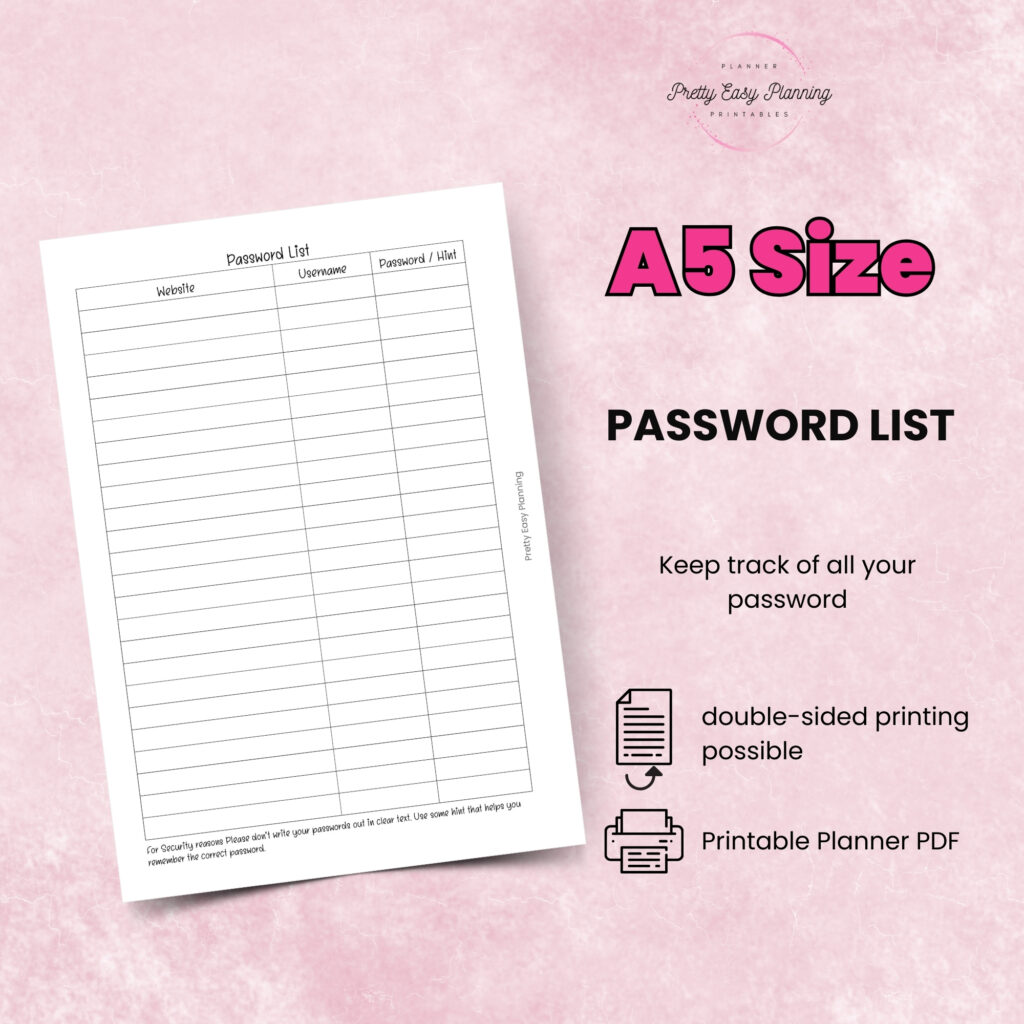
€4,24
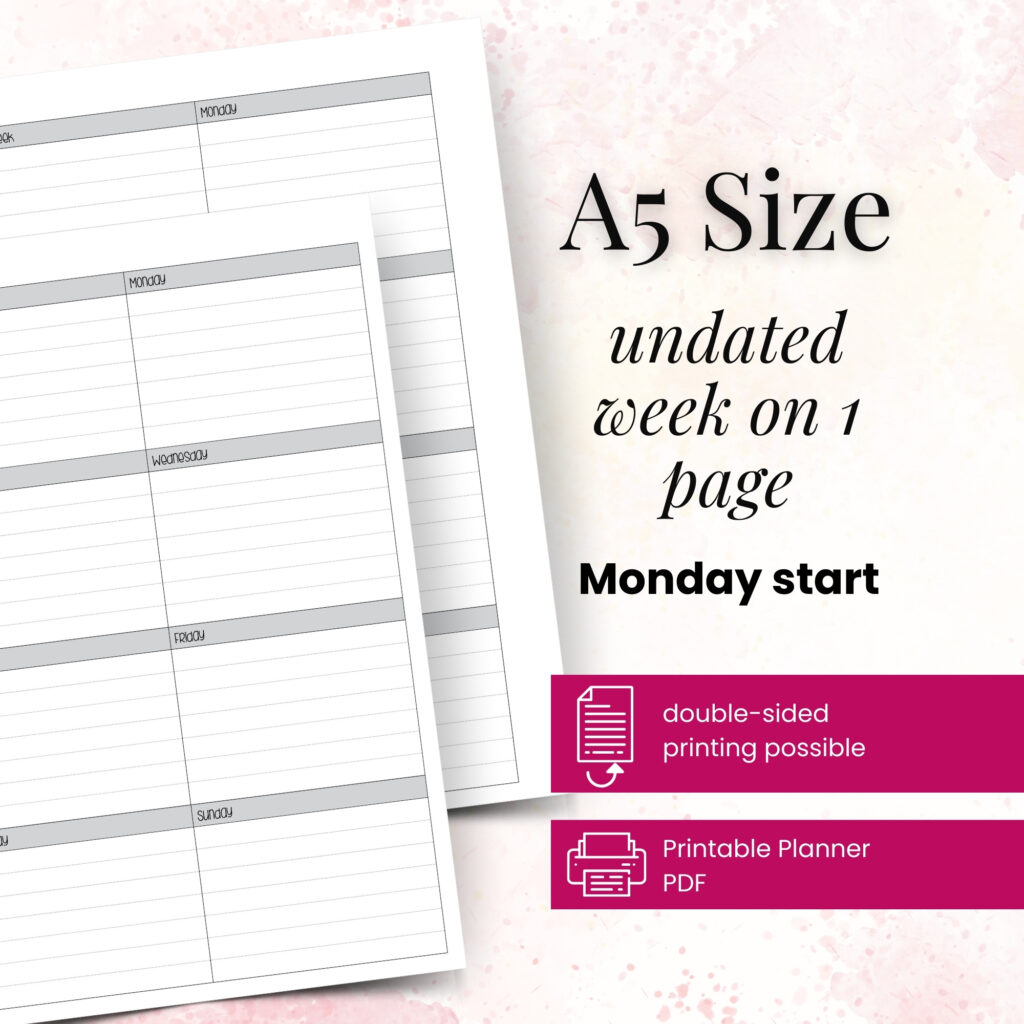
€4,24
A6 vs happy planner: compare size, space, portability, and page options to choose printable inserts that make your everyday planning feel easier with purpose.
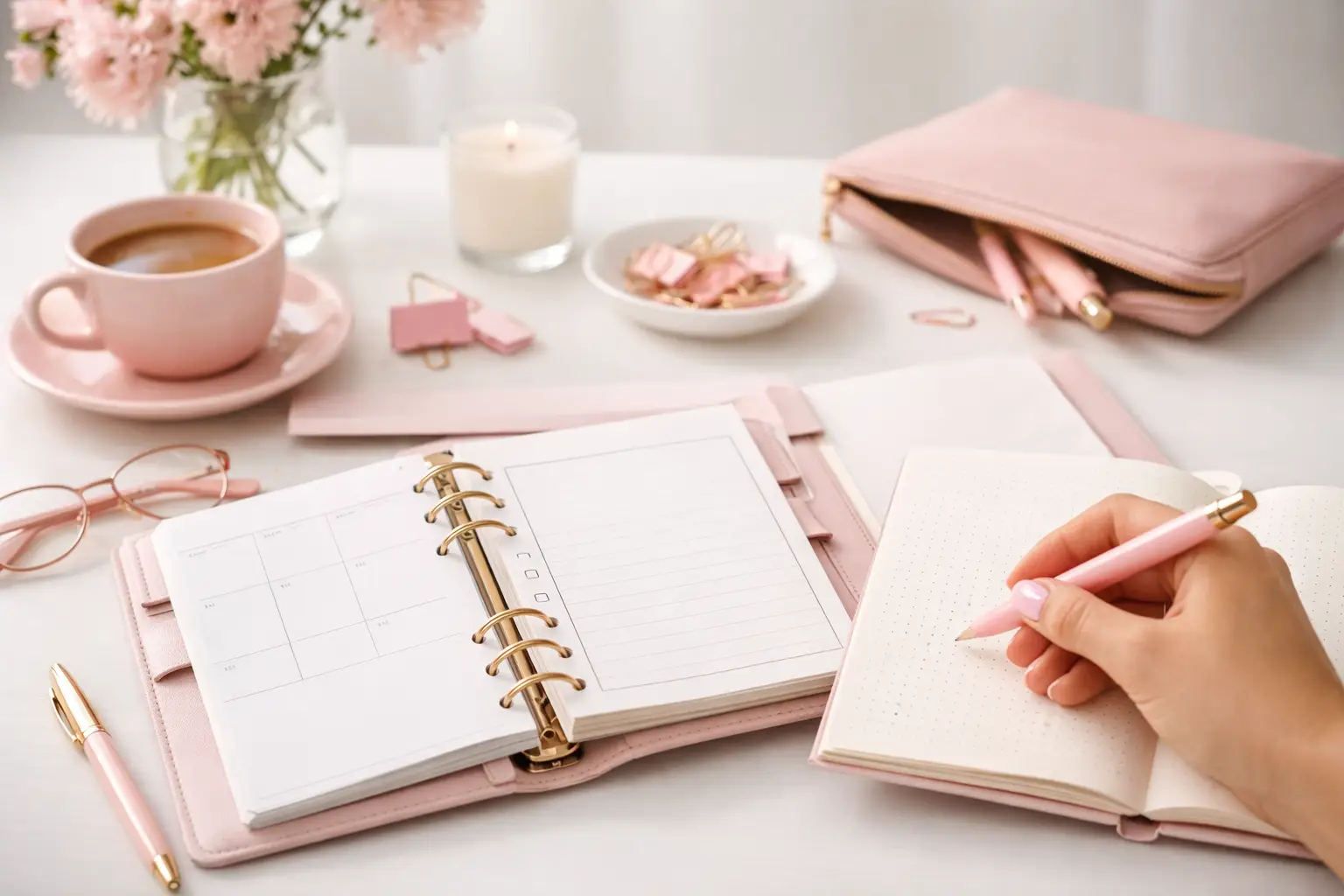
Wondering which planner pages do i need? Build a practical paper planner with only the inserts that support your real routines, goals, and plans daily.
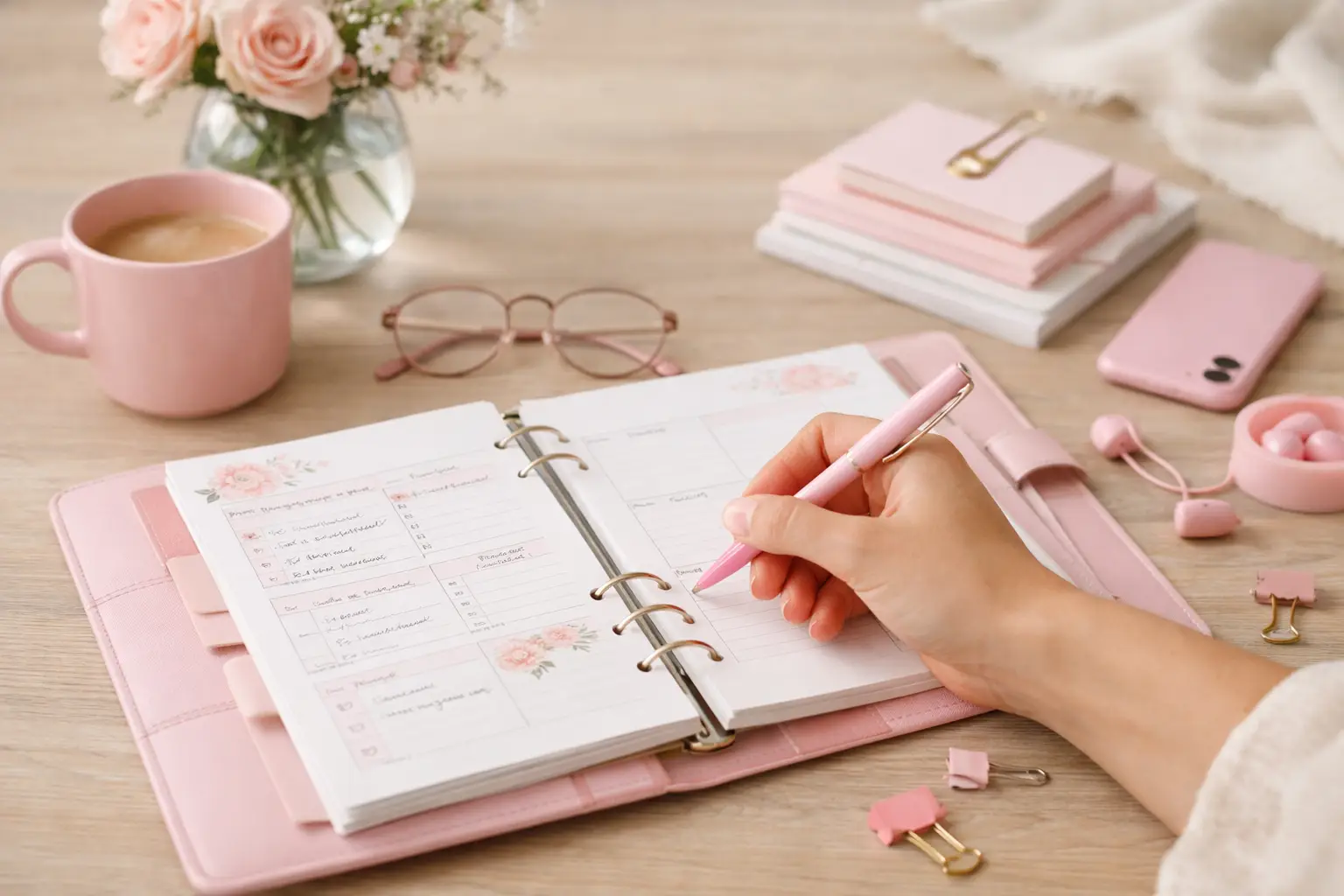
The future of printable planners favors flexible, beautiful systems: print what fits your week, refresh routines, and keep every page useful for life.