
A6 vs Happy Planner: Which Fits Your Life?
A6 vs happy planner: compare size, space, portability, and page options to choose printable inserts that make your everyday planning feel easier with purpose.
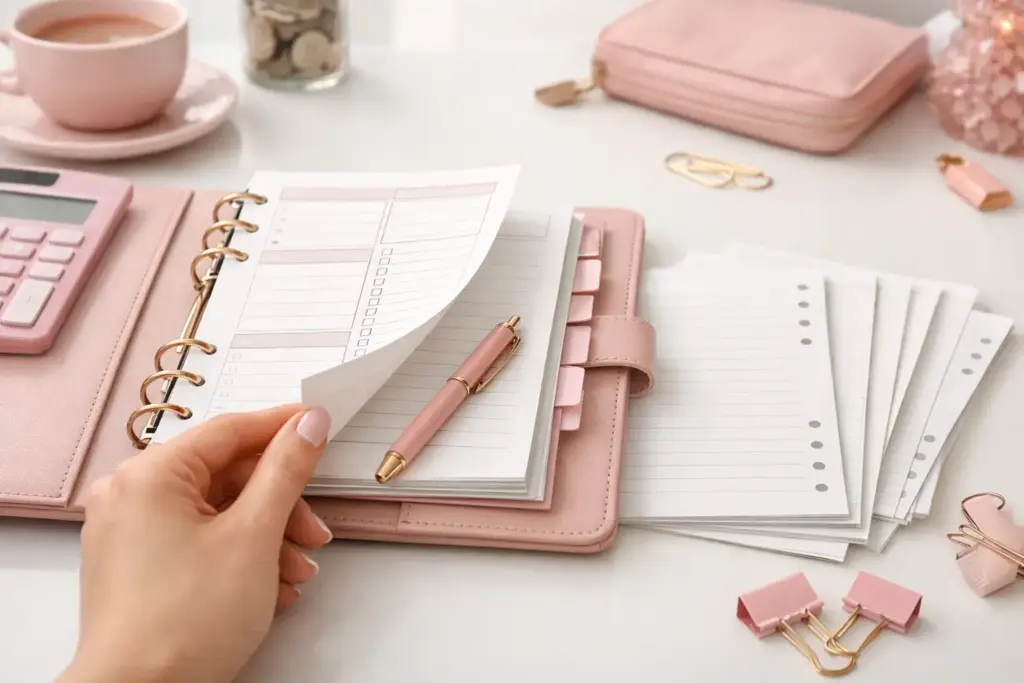
A budget planner should make money decisions feel clearer, not more cramped. That is exactly why so many paper planners look for a5 budget planner refills instead of settling for whatever comes pre-bound in a store-bought book. When you can pick the pages that match your spending habits, bill schedule, and planning style, budgeting starts to feel less like a chore and more like a system you actually want to use.
Some people need a simple monthly overview. Others want weekly spending logs, sinking fund trackers, debt payoff pages, and notes space all in one place. A5 works beautifully for that middle ground. It gives you more writing room than smaller inserts, but it still feels portable enough to carry and use every day.
A5 has earned its place in the planner world for a reason. It feels spacious without becoming bulky, which matters a lot when you track numbers, due dates, and category totals by hand. If you have ever tried to squeeze bill amounts and spending notes into a tiny layout, you already know how fast a page can stop being helpful.
A5 budget planner refills also give you room to build sections that work together. You can keep monthly planning near your bill pages, tuck expense trackers behind your weekly setup, and add extra notes where you need them. That kind of flexibility makes a budget planner feel personal instead of generic.
There is also a practical side to choosing refills. Life changes. Grocery costs shift, work hours change, and new goals show up. A refill-based planner lets you swap pages in and out without replacing the whole system. That means less waste and a setup that keeps up with you.
This is where many planner shoppers overbuy. A gorgeous stack of inserts can look exciting, but the best budget setup starts with honest questions. How often do you check your finances? Do you prefer broad monthly planning or detailed daily tracking? Are you managing only household bills, or are you also tracking debt, savings goals, and variable spending?
For most people, the strongest starting point includes a monthly budget page, a bill tracker, an expense log, and a savings or sinking funds page. Those four pieces cover the basics without making the planner feel heavy. If you already know you love detail, you might add weekly budget check-ins or category-specific spending pages.
A simple example helps. If you get paid twice a month and mostly want to stay on top of bills, a monthly overview plus a bill due-date page may be enough. If you are working on cutting spending, you will likely benefit from weekly expense tracking because it gives you faster feedback. Neither method is more correct. It depends on how closely you want to interact with your numbers.
Not every budget planner page works for every brain. Some people feel motivated by clean boxes and totals. Others need more writing space to think through decisions. When choosing inserts, pay attention to how you naturally process information.
If you like structure, choose layouts with clearly labeled categories, dedicated totals, and date prompts. These pages reduce decision fatigue because they tell you exactly where each number belongs. They work especially well for recurring expenses and regular paycheck planning.
If your finances change a lot from week to week, look for layouts with more flexible sections. Open-ended expense logs, notes areas, and adjustable category blocks give you room to respond to real life. They also help if you budget seasonally or juggle personal and household expenses in the same planner.
Visual planners often prefer a setup that feels polished as well as practical. That does not mean decorative pages with no function. It means choosing inserts that feel clear, balanced, and pleasant to use. When a planner page looks inviting, you are more likely to come back to it.
The beauty of printable refills is choice. You decide your paper, print quantity, and how often to refresh your pages. Still, a few small decisions can make a big difference in daily use.
Start with paper that fits your favorite pens. If you use gel pens or markers, slightly thicker paper usually feels better and helps reduce show-through. If you prefer a lighter planner, standard paper may work just fine. The best option depends on whether your priority is pen performance, page count, or portability.
Before printing a full batch, print one test page. Check scale, margins, punch alignment, and writing space. This quick step saves frustration later, especially if you use a ring planner and want everything to turn smoothly.
It also helps to print in smaller batches. A full year of budget inserts sounds organized, but many people end up adjusting their layouts after a month or two. Printing one month or one quarter at a time keeps your planner current and lets you refine your setup as you go.
A useful planner section should feel easy to maintain. That starts with page order. Put your most-used inserts first. For many people, that means keeping a monthly budget page at the front of the section, followed by bills, spending logs, and savings trackers.
Next, think about frequency. If you review spending every week, place those weekly pages where you can reach them fast. If you only check sinking funds once a month, keep those pages behind your core planning sheets. Good organization removes tiny points of friction, and those tiny points matter more than people realize.
Tabs or dividers can help, but you do not need to overcomplicate things. A clean setup often works better than a highly layered one. Your budget section should support quick check-ins on busy days, not require a full rearranging session every time you use it.
At Pretty Easy Planning, this is the sweet spot many planner lovers want: layouts that feel beautiful, tested, and easy to tailor without turning planning into a project of its own.
The temptation with planner refills is adding every useful page all at once. Sometimes that works. More often, it creates a system that looks impressive but feels tiring to maintain.
Keep it simple if you are new to budgeting, going through a busy season, or rebuilding your planner routine after a break. A monthly budget, bill tracker, and one spending log can carry a lot of weight. When those pages become second nature, you can add savings challenges, debt payoff inserts, or cash envelope logs if they support your goals.
Add more detail when you have a clear reason. Maybe you are preparing for a big move, trying to pay down a credit card, or managing irregular income. In those cases, extra pages can give you needed visibility. The key is purpose. Every insert should earn its place.
One common mistake is choosing a layout because it looks nice, then realizing it does not fit how you budget. Pretty pages matter, but function comes first. You want inserts that match your actual routine, not your idealized version of it.
Another issue is printing too much too soon. It feels productive in the moment, but budgeting systems often evolve. Leaving room for adjustments usually gives better long-term results.
People also forget to build in review space. Tracking numbers is helpful, but reflection turns tracking into action. Even a small notes section where you write what worked, what felt tight, and what to adjust next month can make your planner far more useful.
The best a5 budget planner refills are not the ones with the most pages. They are the ones that make you want to sit down, check your numbers, and stay connected to your goals. That might mean a clean monthly system with just a few inserts. It might mean a fuller setup with weekly and savings pages layered in.
Your successful planning story begins with a single print, but the magic comes from choosing pages you will truly use. Let your planner reflect the way you live, spend, and plan right now, then give yourself permission to adjust as your needs change.

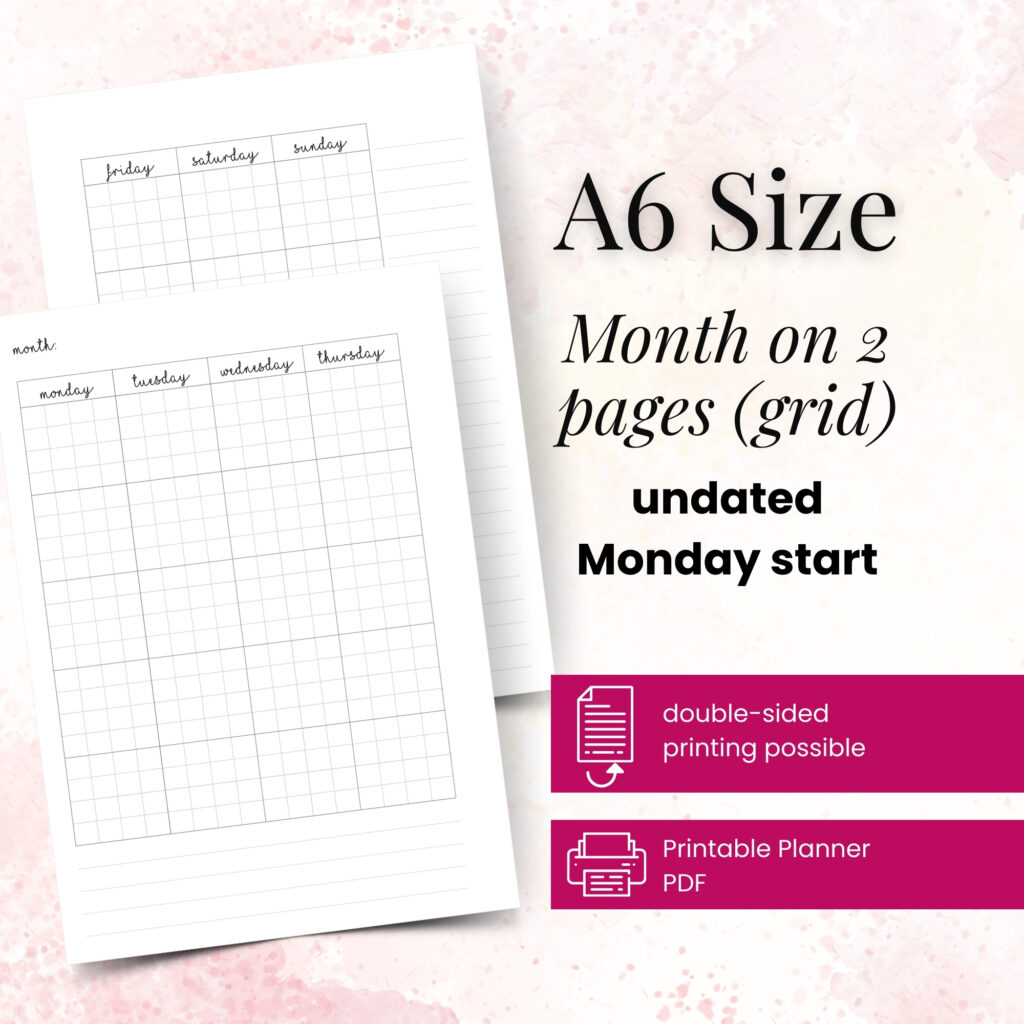
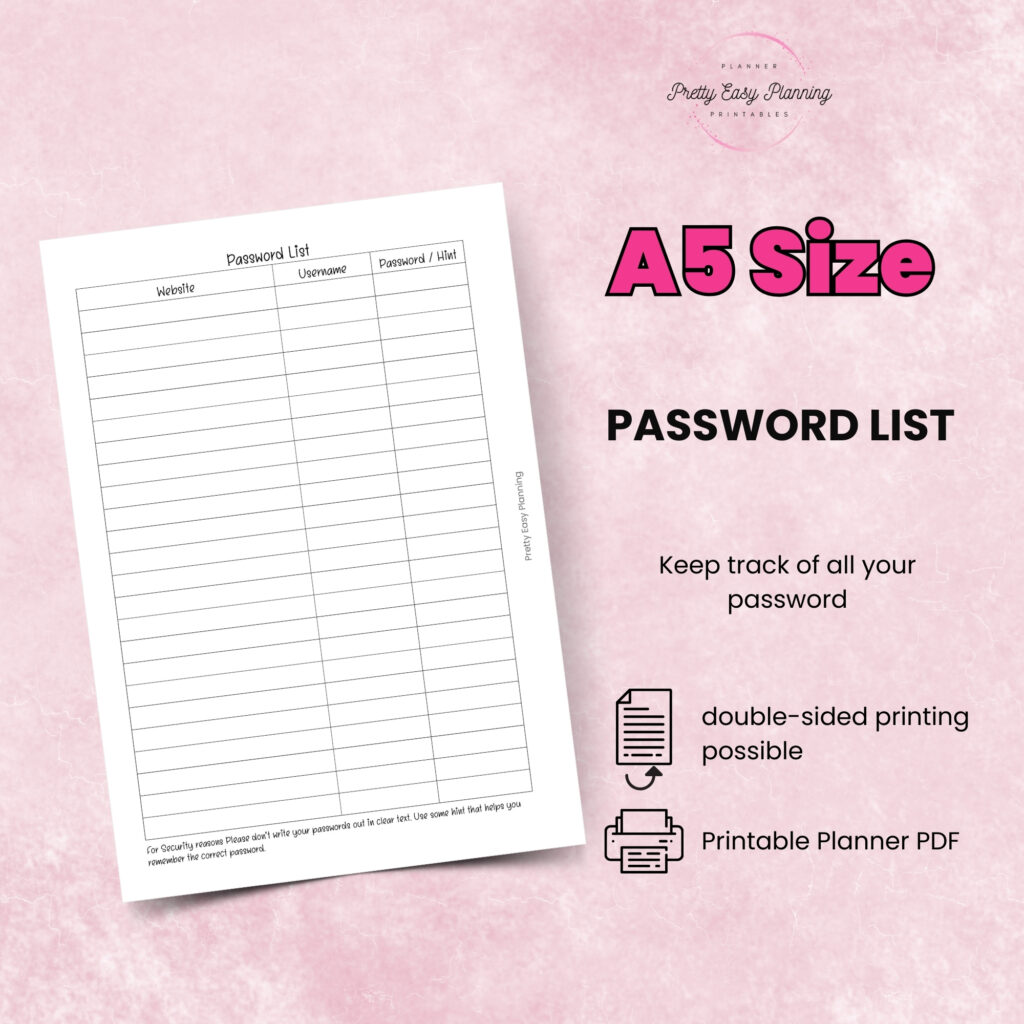
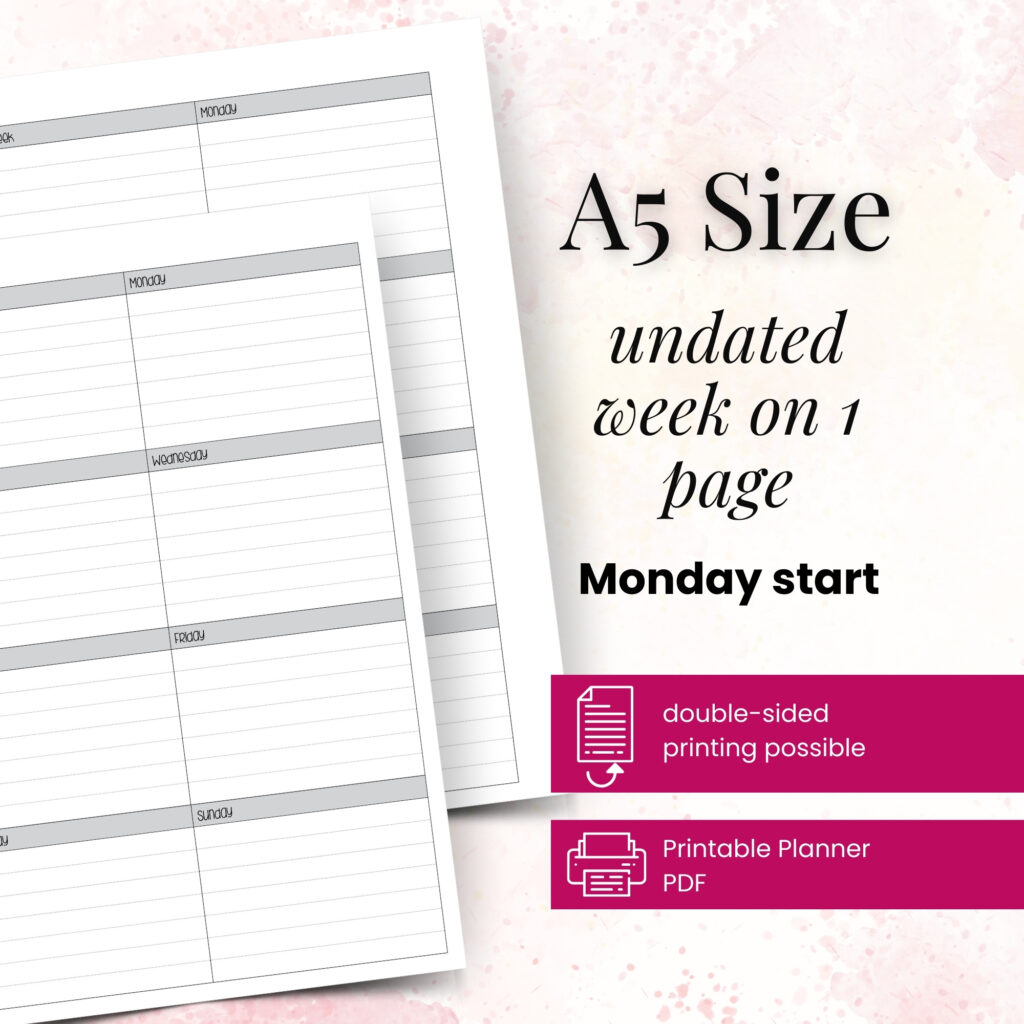
A6 vs happy planner: compare size, space, portability, and page options to choose printable inserts that make your everyday planning feel easier with purpose.
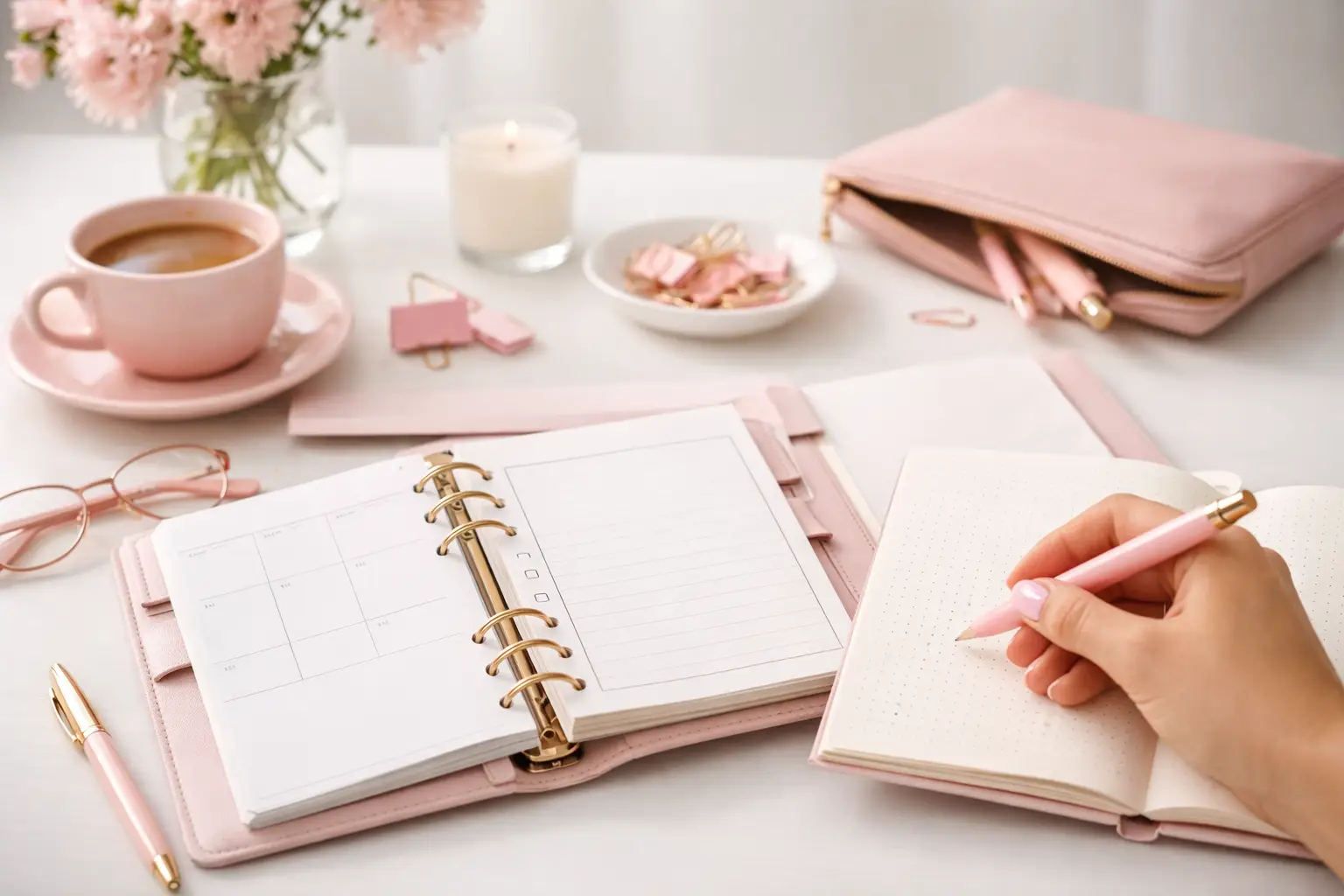
Wondering which planner pages do i need? Build a practical paper planner with only the inserts that support your real routines, goals, and plans daily.
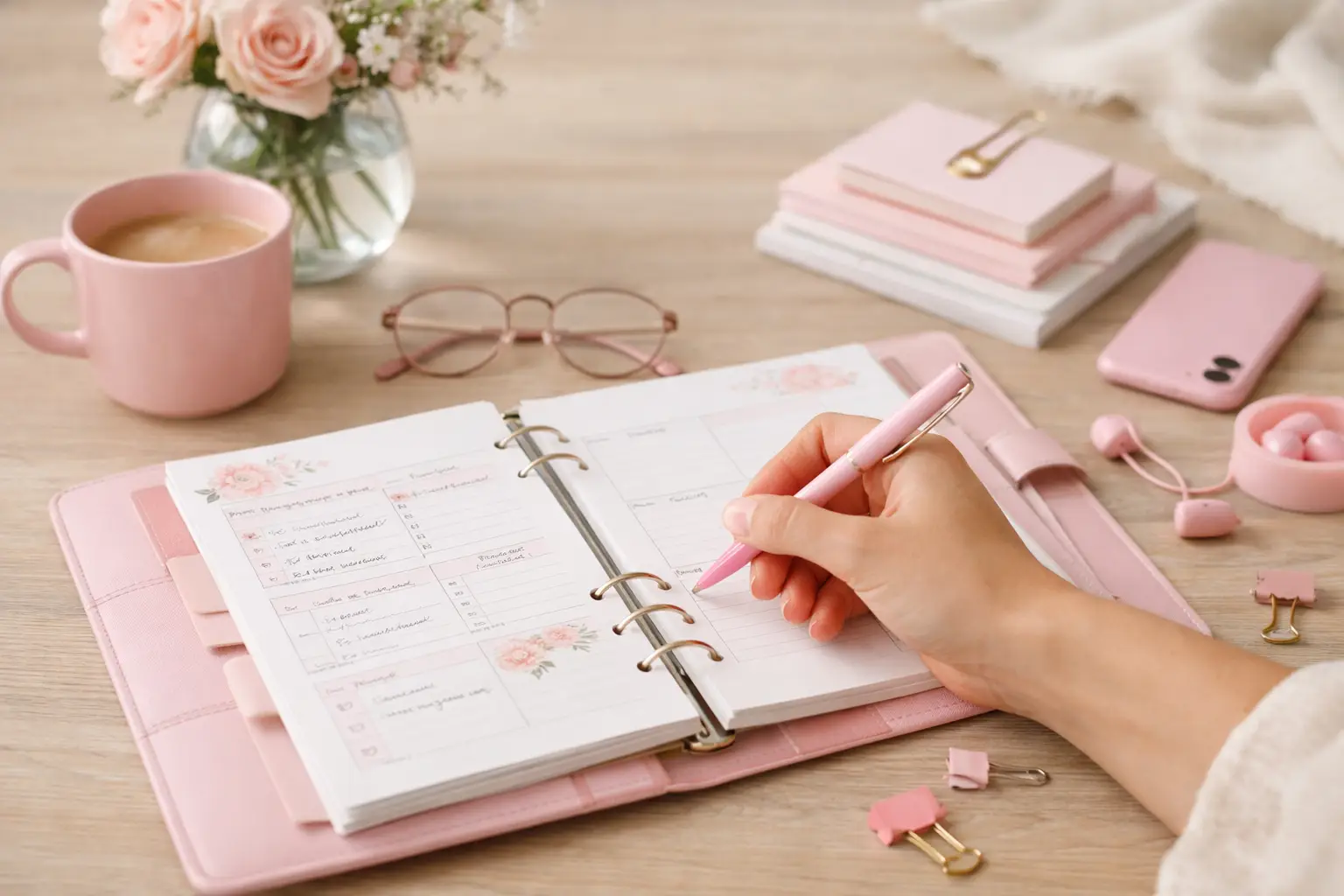
The future of printable planners favors flexible, beautiful systems: print what fits your week, refresh routines, and keep every page useful for life.