A planner can look full and beautiful yet still fail to help you on a busy Tuesday. The real question is not how many inserts you can fit into your rings. It is which planner pages do i need to make decisions, remember commitments, and feel less scattered?
Your best setup starts with the life you actually lead, not with a popular planner stack. A parent balancing appointments needs different pages than a student managing assignments or a business owner tracking projects. Start small, notice what you reach for, and print more only when a page earns its place.
Key Takeaways
-
Begin with calendar pages, a weekly or daily plan, and a notes section.
-
Add pages only when they solve a repeated problem in your routine.
-
Choose weekly pages for an overview and daily pages for detailed, time-sensitive days.
-
Keep often-used pages near the front and archive reference pages behind dashboards.
-
Printable inserts let you test a layout, adjust the quantity, and reprint your favorites when life changes.
Start With Your Planning Friction
Before choosing layouts, think about the moments when your current system lets you down. Maybe appointments disappear into phone reminders. Maybe you know your deadlines but cannot see a realistic plan for the week. Perhaps grocery lists float around in several notebooks, or you set goals in January and never look at them again.
Each frustration points to a useful planner page. If you keep missing dates, add a monthly calendar. If your days feel overbooked, try a daily page with a schedule column. If household tasks pile up in your head, a running list or cleaning tracker may help. You do not need a page for every possible category of life. You need pages that make your next action clearer.
Try this simple test: if you would write on a page at least once or twice a week, it deserves a trial run. If it only sounds nice in theory, leave it out for now. An unused insert is not a planning failure. It is simply evidence that your system can stay lighter.
The Core Planner Pages Most People Need
Most paper planners work well with a small foundation. These pages create enough structure for everyday planning without turning your binder into a filing cabinet.
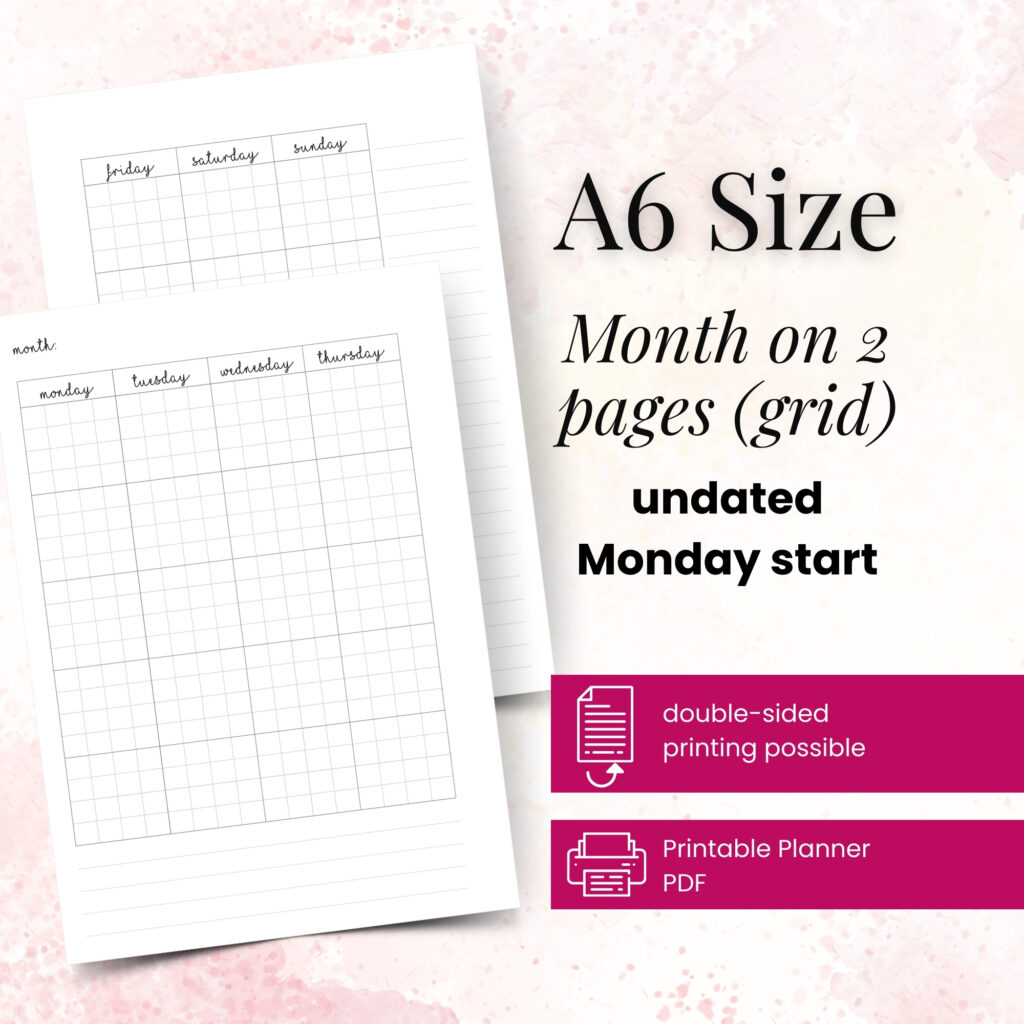
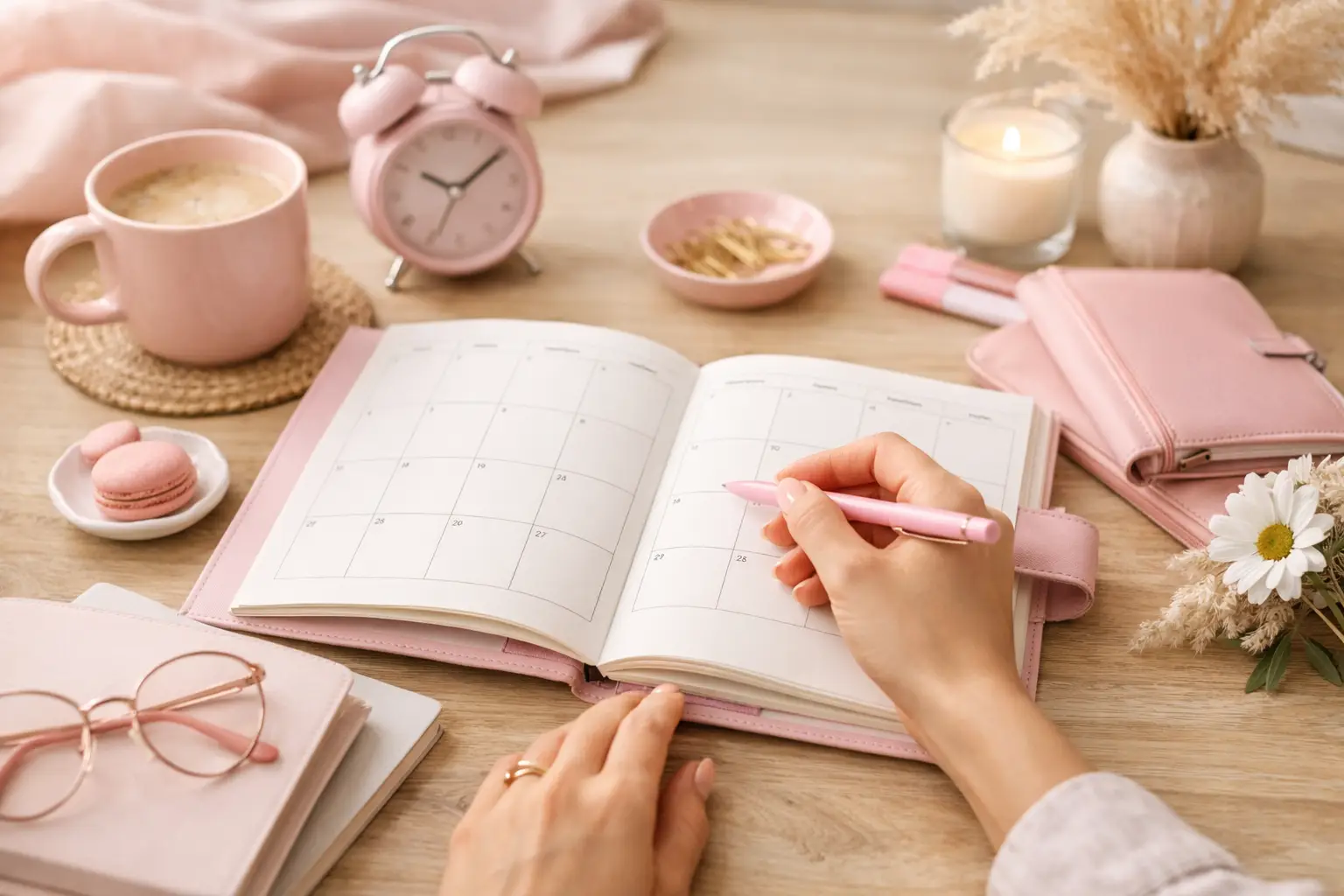
Monthly calendar pages
Monthly pages give you the big picture. Use them for birthdays, appointments, travel, bills, school dates, due dates, and events that you need to see ahead of time. They work especially well when you want to spot busy weekends or prepare for a deadline before it becomes urgent.
Keep your monthly spread simple. Add fixed commitments first, then mark major priorities or important reminders. If you cram every task into those small boxes, the page loses its purpose. Your monthly calendar should help you look ahead, not hold your entire to-do list.
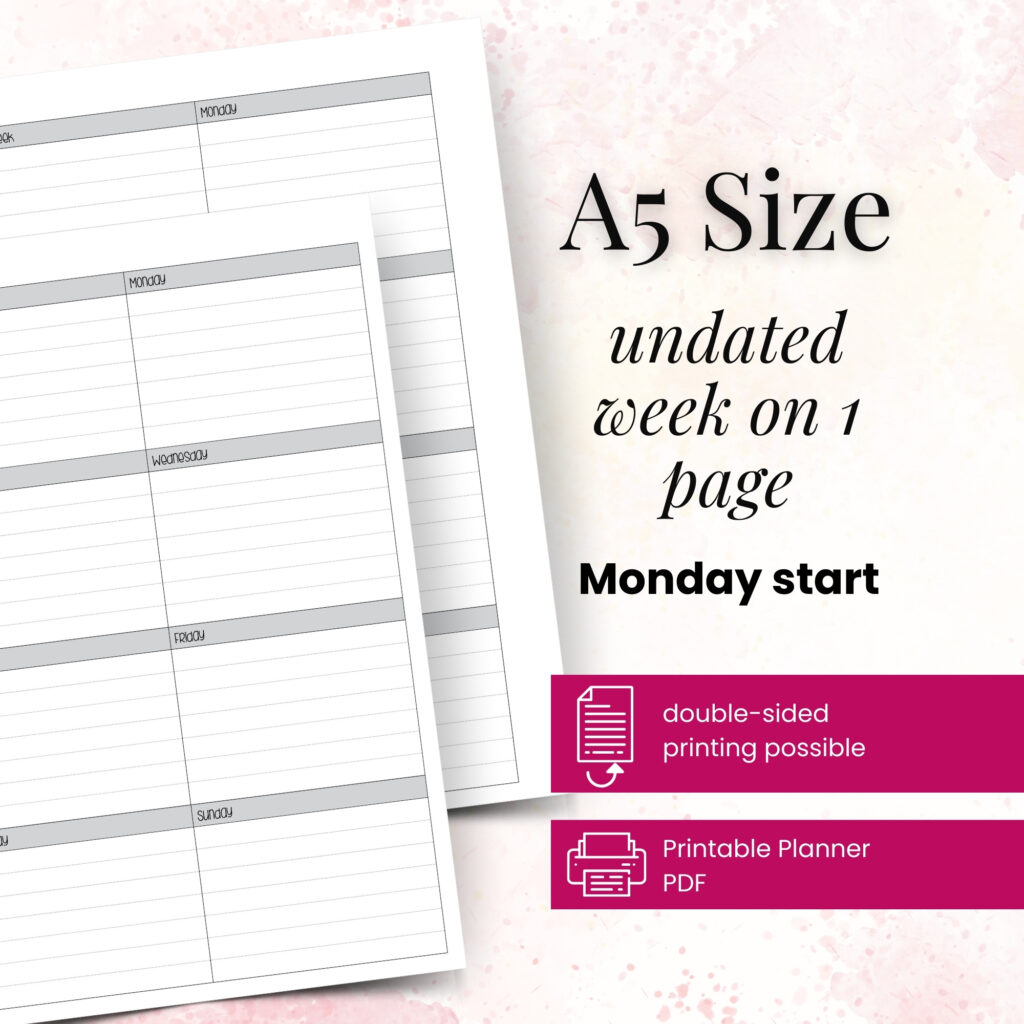
A weekly or daily planning page
This is the heart of your planner, and the right choice depends on how much detail your days require. A weekly layout suits people who want to see work, home, appointments, and errands in one glance. It also works beautifully for quieter seasons, recurring routines, and flexible task lists.
Daily pages make more sense when you manage several appointments, work blocks, family logistics, or detailed priorities. A timed layout can show you whether your plans actually fit into the hours available. For many planner users, a mix works best: weekly pages for regular weeks and daily inserts only for packed days.
Do not feel obligated to print daily pages for an entire year. Print a small batch, use them during a demanding month, and see whether they reduce stress. This approach saves paper and keeps your planner focused on what you need now.
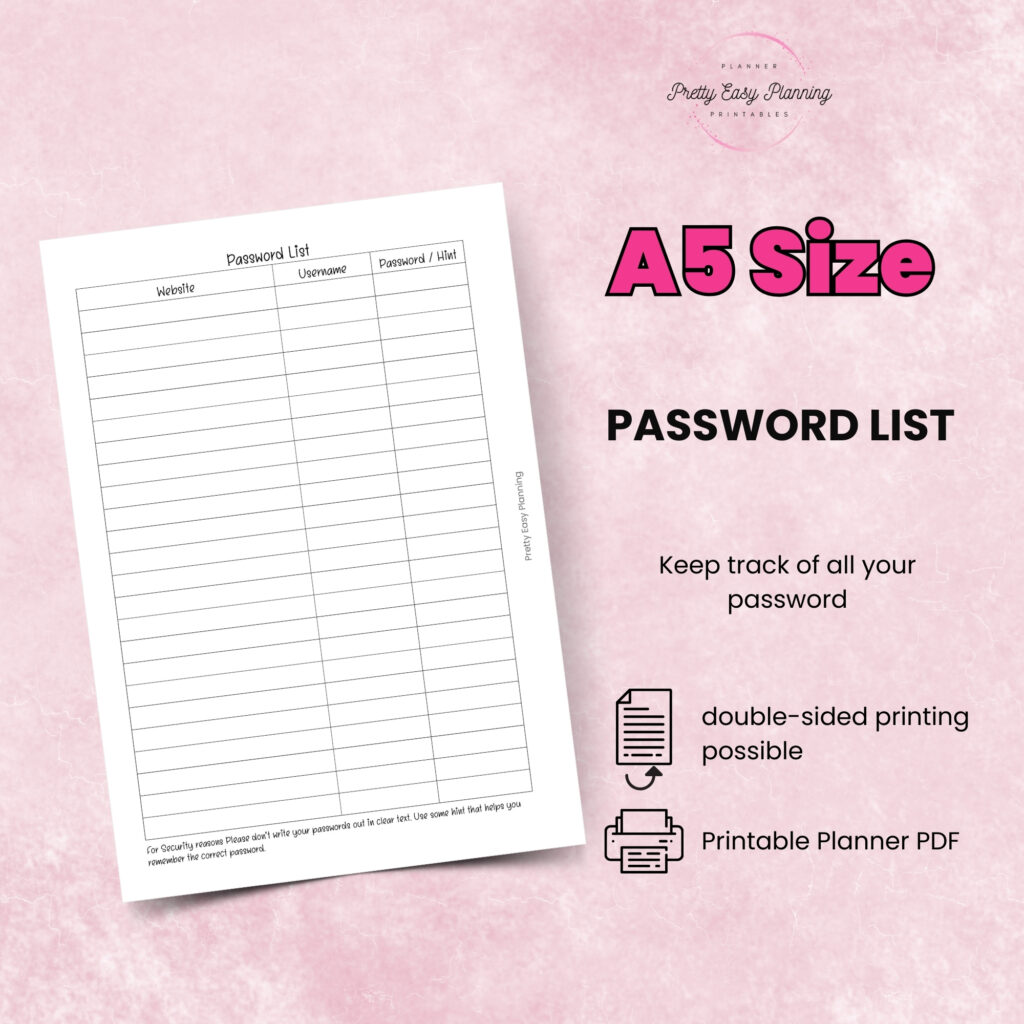
Notes and lists pages
Notes pages quietly do a lot of work. They catch meeting notes, phone call details, ideas, measurements, brain dumps, and information you need before you can organize it. Lined paper feels familiar, while dot grid pages offer more flexibility for sketches, simple charts, and custom lists.
A dedicated list page can also stop small tasks from invading every corner of your weekly spread. Use one for groceries, errands, calls, or items to order. When the list has a home, you spend less time hunting through old pages.
A yearly overview
A year-at-a-glance page helps you track the long view. It is useful for school breaks, vacations, annual appointments, major launches, and goal milestones. You may not write on it every day, but you will appreciate it when planning ahead.
Place this insert near the front of your planner or behind a yearly dashboard. Keep it clean enough to scan quickly. It should support future planning, not become another crowded calendar.
Which Planner Pages Do I Need for My Routine?
Once your foundation feels useful, add pages by role rather than by trend. Think about the parts of life that need regular attention. A work planner may need project planning pages and meeting notes. A home-focused planner may benefit from meal planning, household lists, and family schedules. Someone building a personal goal may want habit tracking and monthly reflection pages.
The key is frequency. A page that supports a weekly routine belongs in your planner more often than a page you use once per season. For example, print meal planning pages weekly if they help you shop with intention. Print a vacation packing list only when a trip approaches, then store it with travel notes until you need it again.
Here are a few practical matches:
- If your schedule changes constantly, choose dated or undated daily pages with appointments, top priorities, and a task list.
- If you manage projects, add project planning pages with a goal, next steps, due dates, and notes.
- If you want more consistency, use a habit tracker for one to five habits rather than tracking every possible behavior.
- If your household runs on routines, keep meal plans, shopping lists, and cleaning tasks together in one clearly labeled section.
- If you enjoy memory keeping or creative planning, reserve a notes or dashboard section for photos, quotes, seasonal ideas, and decorative pieces.
You do not need to build every section at once. Add one section, use it for several weeks, and ask whether it helps you act more easily. That is how a planner becomes personal instead of merely pretty.
Build Sections That Make Sense at a Glance
A good planner setup reduces page flipping. Put your calendar and current weekly or daily pages at the front, where you can open them quickly. Follow them with active lists and notes. Place less frequent reference pages, such as yearly overviews, birthdays, or project archives, behind tabs or dashboards.
Think about what you need when you sit down to plan. If you review your monthly calendar before planning the week, keep those sections close together. If you make your grocery list while checking your meal plan, place those inserts side by side. Small placement choices make your planner feel easier to use because your information follows your natural routine.
Dashboards can help you create clear sections without adding visual clutter. Use one to mark work, home, personal goals, or notes. Vellum-style decorative pieces can add personality while still serving as helpful dividers. Your planner should feel like your creative corner of planning possibilities, but it should also make sense when you are in a hurry.
Give Yourself Permission to Edit
No planner system stays perfect forever. A new job, a school schedule, a move, or a busy season can change what you need. That flexibility is one of the best reasons to use printable planner inserts. You can print a few pages to test a new routine, select the paper you enjoy writing on, and reprint the layouts that prove useful.
Watch for pages that remain blank month after month. Remove them without guilt. Also notice pages that fill up quickly or end up scattered across sticky notes. Those are strong signs that you need more room, a different layout, or a dedicated section.
A planner should support your life, not ask you to perform for it. Begin with the pages that help you see time, choose priorities, and capture information. Then let your real habits guide every addition. Your successful planning story begins with a single print and gets better each time you make the system your own.