A6 vs Happy Planner: Which Fits Your Life?
A6 vs happy planner: compare size, space, portability, and page options to choose printable inserts that make your everyday planning feel easier with purpose.
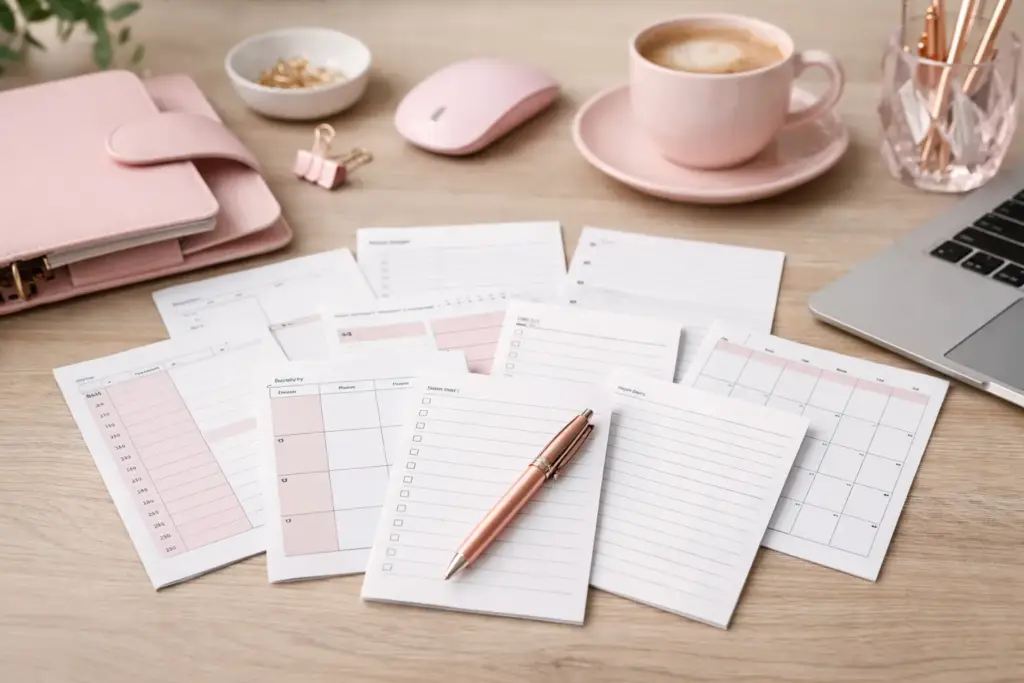
A weekly spread that looks beautiful online can fall apart by Tuesday if your workdays are packed with meetings, follow-ups, and shifting priorities. That is why finding the best planner inserts for work is less about trends and more about fit. The right inserts should support how you think, how much you need to track, and how much writing space you realistically use in a day.
If you work on paper because it helps you focus, remember details, and feel more in control, your inserts need to earn their place. A pretty page is nice. A page that helps you leave work with fewer loose ends is better.
Work planning has different demands than personal planning. You may need space for appointments, task batching, project notes, deadlines, delegated items, and follow-up reminders all in the same week. That means the best layout is usually the one that reduces mental switching, not the one with the most decoration or the strictest structure.
The most useful work inserts tend to do three things well. They make priorities obvious, they leave enough room for real-life notes, and they are easy to repeat day after day without feeling like homework. If a layout takes too long to set up or asks you to track things you do not actually use, it becomes another task instead of a support tool.
Printable inserts are especially helpful here because work is rarely static. A heavy meeting season may call for more daily pages. A project-heavy quarter may need extra task lists or trackers. Being able to print what you need, when you need it, gives your planner room to keep up.
There is no single perfect work insert for everyone, but there are a few standout categories that consistently make planning easier.
If your days change by the hour, daily inserts are often the strongest choice. They give you space for timed appointments, top priorities, notes, and tasks without forcing everything into one weekly box. This is especially useful if you manage client work, juggle meetings, or need to capture action items as they come up.
The trade-off is paper volume. Daily pages can add up quickly, especially in smaller binders. But if your workday needs breathing room, that extra paper is often worth it. Printing only the days you need helps keep things practical.
Weekly inserts are excellent for seeing your workload at a glance. They help with pacing, deadline awareness, and task distribution across the week. If you like to plan ahead, batch similar work, or keep meetings in context with deliverables, a weekly layout is often the anchor of your system.
The key is choosing a weekly format with realistic writing space. Some people do best with vertical columns for timed structure, while others prefer horizontal or dashboard layouts that separate appointments from tasks. It depends on whether your week is driven more by time blocks or by categories of work.
If your planner is full of half-written project ideas squeezed into margins, project inserts can change everything. These pages give you space to map out milestones, deadlines, next actions, and notes tied to one initiative. They are especially helpful for anyone managing launches, team deliverables, recurring campaigns, or complex admin workflows.
A weekly insert can show when work needs to happen. A project insert shows what needs to happen. That distinction matters more than many people realize.
Sometimes the most useful page in a work planner is the simplest one. Task list inserts are ideal for brain-dumping, sorting by priority, or keeping category-based lists such as calls, emails, waiting on, and follow-up. They are practical, low-pressure, and easy to move around in your planner.
They also work well for people who do not want every work detail on a dated page. If your schedule changes often, flexible task sheets can give you structure without locking you into too much pre-planning.
Meetings create a lot of loose information, and that is exactly where dedicated inserts shine. A good meeting notes page helps you capture agenda points, key decisions, action items, and names without scattering notes across random pages. It also makes follow-up easier because you know where to look later.
If you attend frequent meetings, this type of insert can save more time than a complicated weekly redesign ever will.
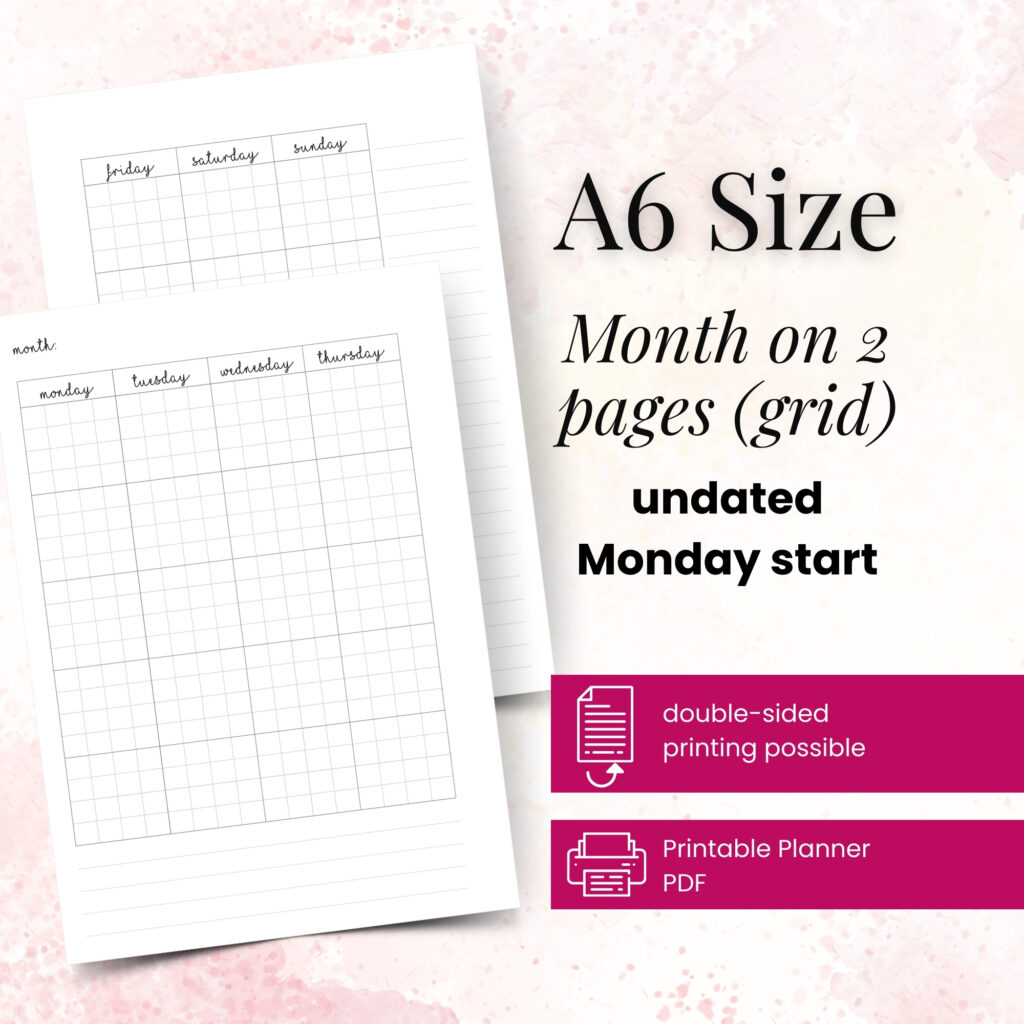
Monthly pages are not enough on their own for most work planning, but they are extremely useful as an overview tool. They help you see deadline clusters, travel, launches, reporting dates, and seasonal workload patterns. They are also helpful for long-range planning when you need to spot capacity issues before they become stress.
Think of monthly inserts as your planning map. They will not carry your daily workflow, but they help you keep the bigger picture visible.
Your job shape matters. A manager who spends most of the day in meetings will need a different setup than a freelancer, teacher, assistant, or business owner.
If your day is meeting-heavy, pair weekly planning pages with meeting notes and a short daily sheet for priorities. If your work is project-based, combine monthly planning with project inserts and task lists. If you manage many small responsibilities at once, dashboard-style weekly pages often work well because they separate tasks, notes, and appointments without making the page feel crowded.
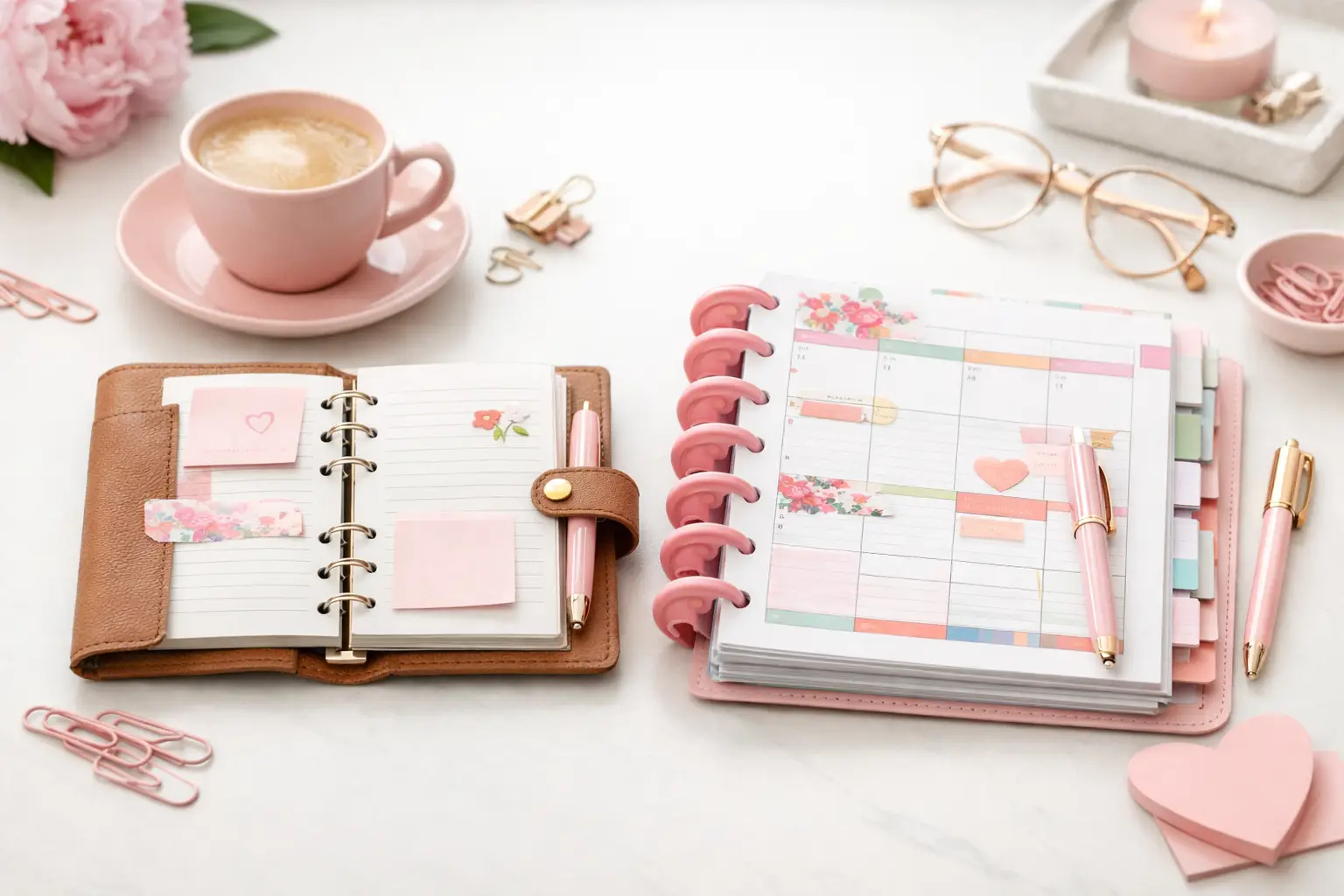
This is also where planner size matters. A6 and Personal are portable, but they can feel tight if you write a lot. A5 gives more room for work detail and tends to be easier for full planning systems. Personal Wide can be a great middle ground if you want portability without sacrificing too much writing space. Happy Planner Classic offers generous layout space, which many people love for desk-based planning.
The best choice is usually the one you will actually keep using at 3 p.m. on a very real Wednesday.
Work routines change. Quarter to quarter, role to role, even week to week. That is why printable inserts are such a good match for work planning. You can test a daily layout for two weeks, switch to a dashboard weekly during a quieter month, or print extra project pages during a busy season without wasting a stack of unused paper.
There is also a practical cost benefit. Instead of reordering the same inserts again and again, you can reprint your favorites whenever you need them. That makes it easier to refine your system over time instead of settling for a fixed planner that almost works.
For paper planners who care about both function and style, this flexibility is part of the fun. Your successful planning story begins with a single print, but it grows through small adjustments that make your pages feel more like tools and less like templates.
Most people do not need every insert type. A strong work setup usually starts with one overview page, one action page, and one support page. For example, you might use a monthly insert for deadlines, a weekly insert for planning, and meeting notes for follow-through. Or you might choose daily pages, task lists, and project planners if your work is more fluid.
Give any new layout at least two working weeks before judging it. One awkward day does not mean the insert failed. But if you keep rewriting the same tasks, running out of space, or ignoring a section completely, that is useful information. The best system is often built through small edits, not one perfect purchase.
Brands like Pretty Easy Planning understand this creative corner of planning possibilities especially well because printable systems let you build around your routine instead of squeezing your routine into a rigid format.
Paper planning for work should feel supportive, clear, and easy to return to. If a page helps you see what matters, capture what is changing, and end the day with a calmer mind, it is doing its job. Start with the inserts that solve your biggest work frustration first, and let the rest of your system grow from there.

€4,24
€4,24
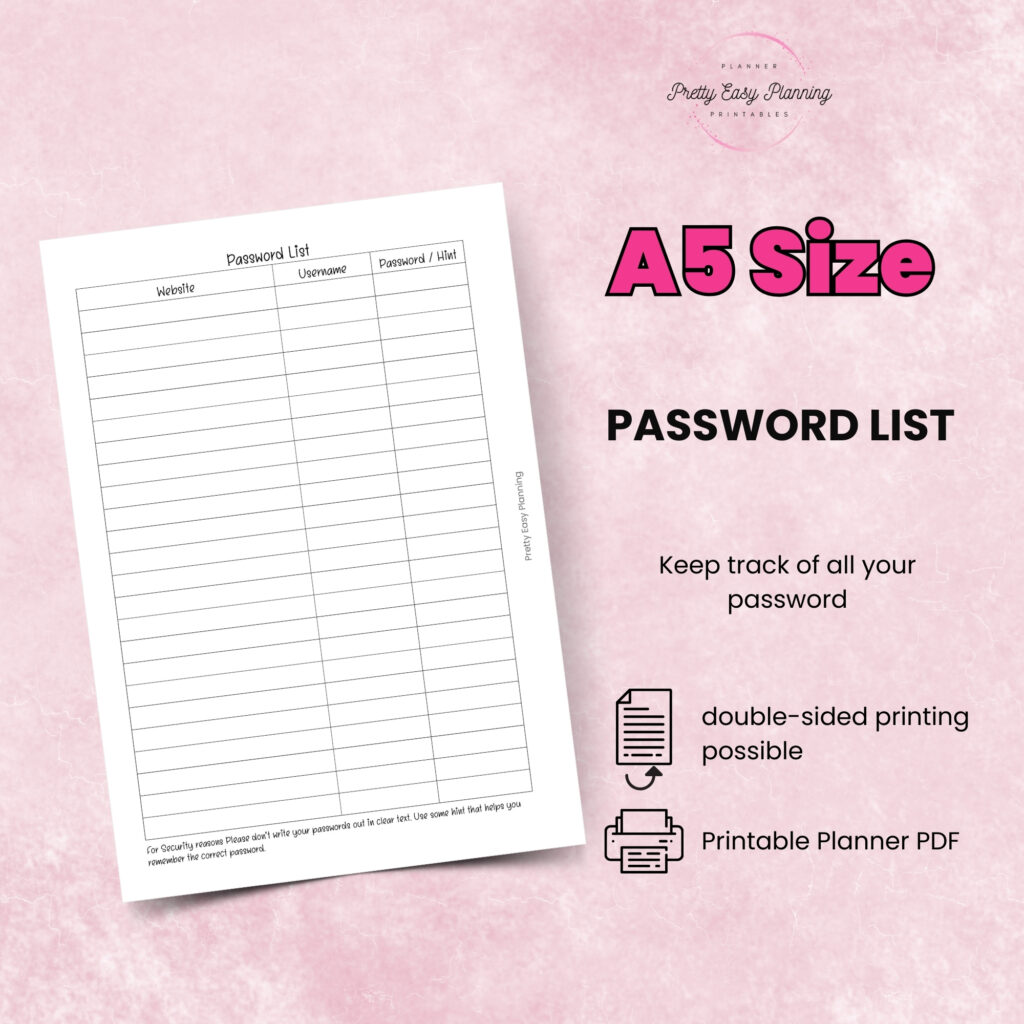
€4,24
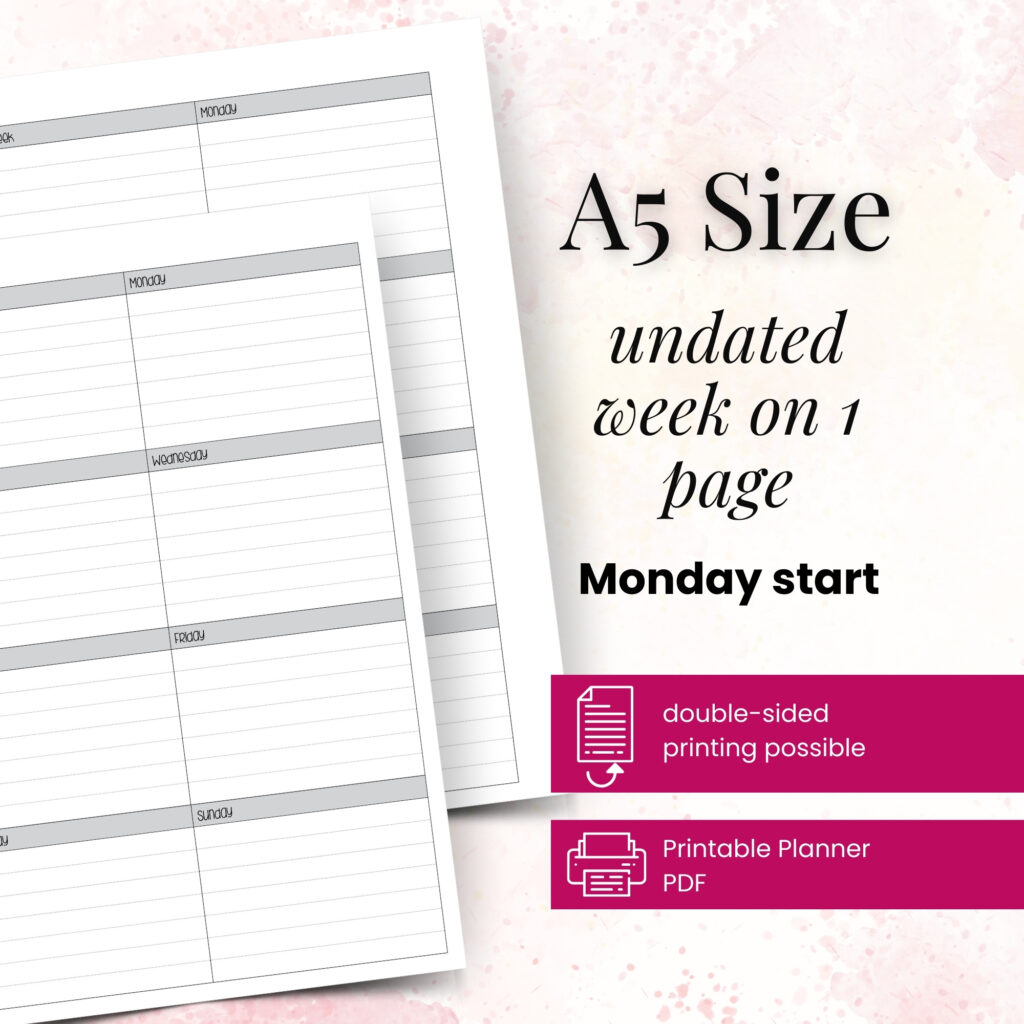
€4,24
A6 vs happy planner: compare size, space, portability, and page options to choose printable inserts that make your everyday planning feel easier with purpose.
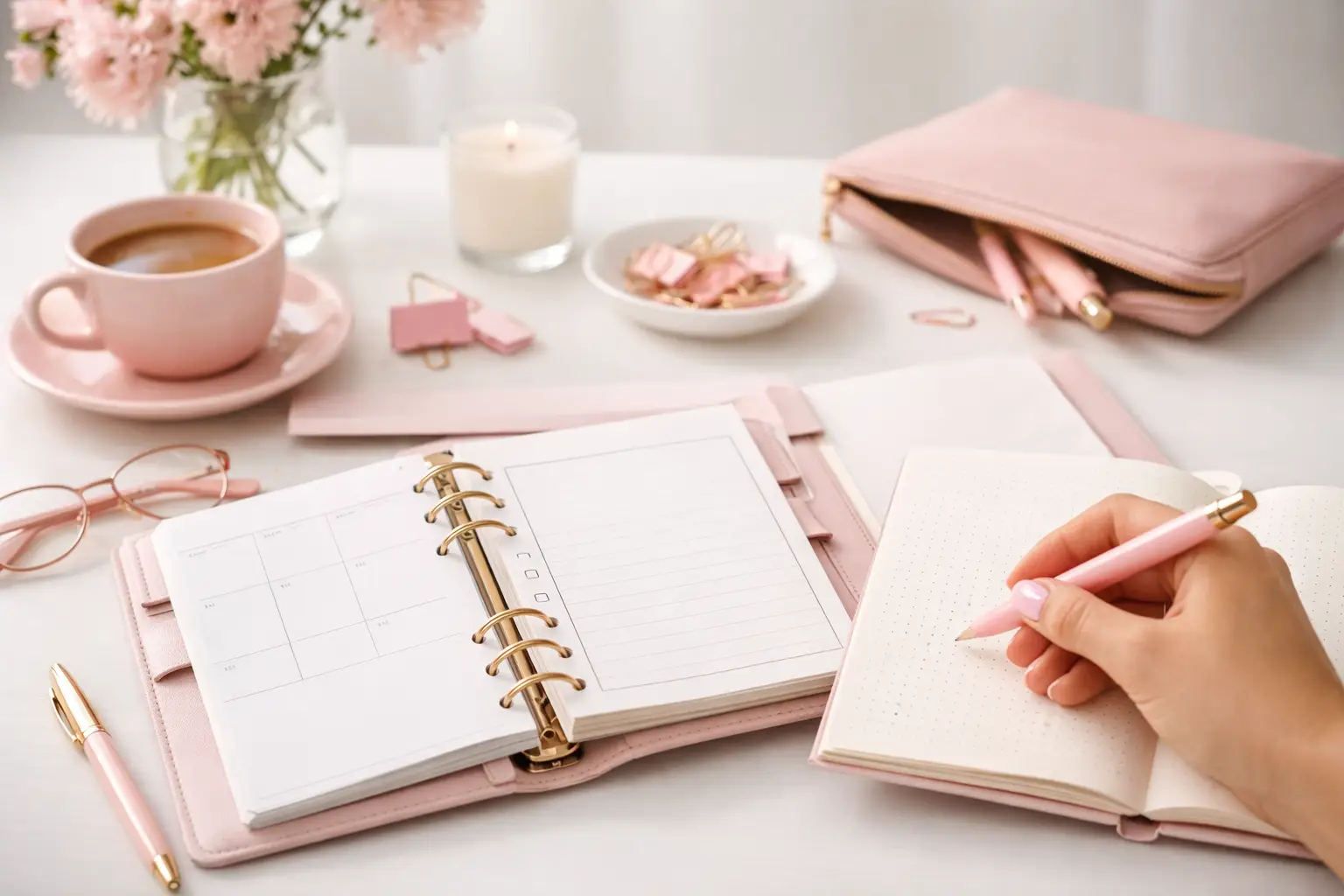
Wondering which planner pages do i need? Build a practical paper planner with only the inserts that support your real routines, goals, and plans daily.
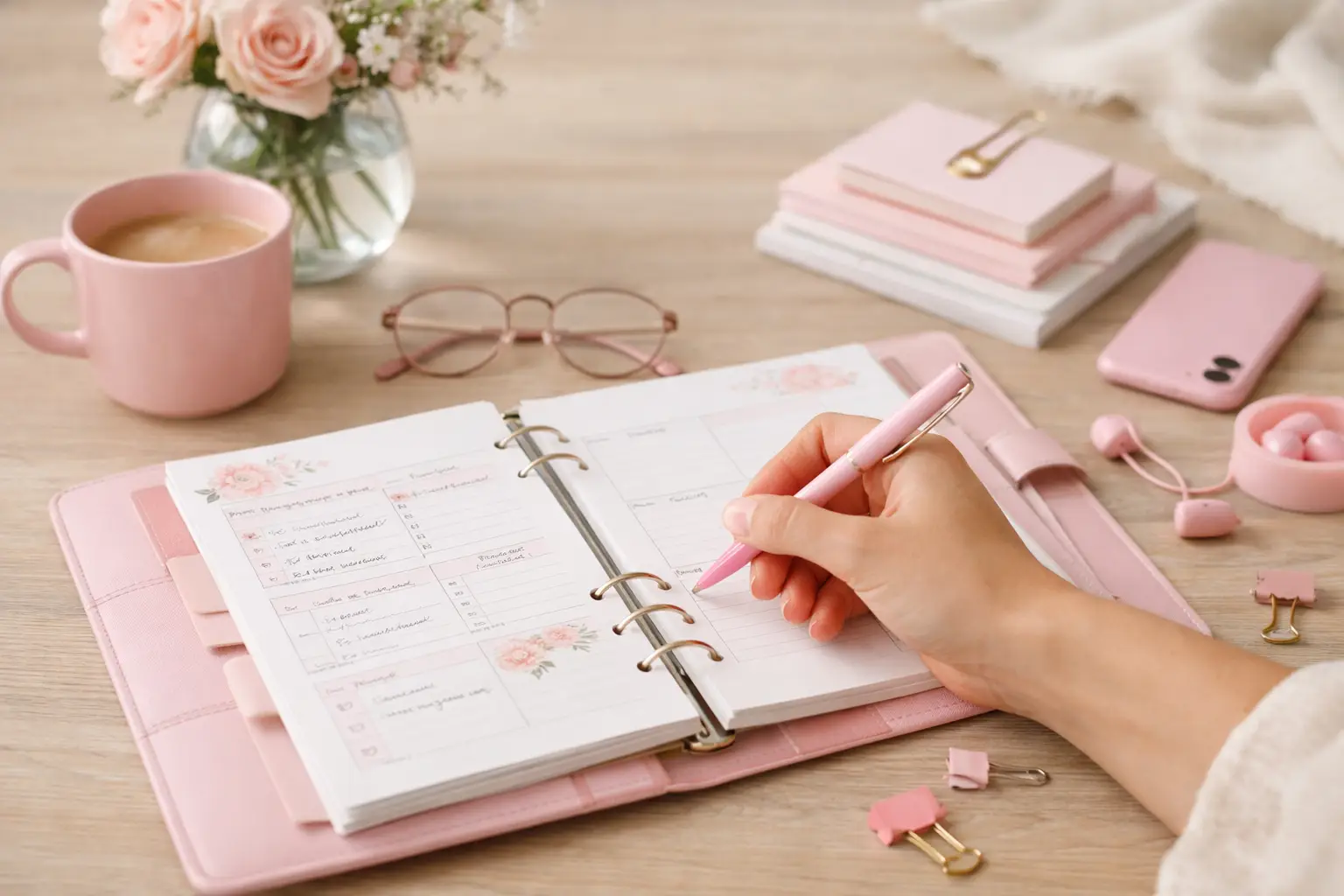
The future of printable planners favors flexible, beautiful systems: print what fits your week, refresh routines, and keep every page useful for life.