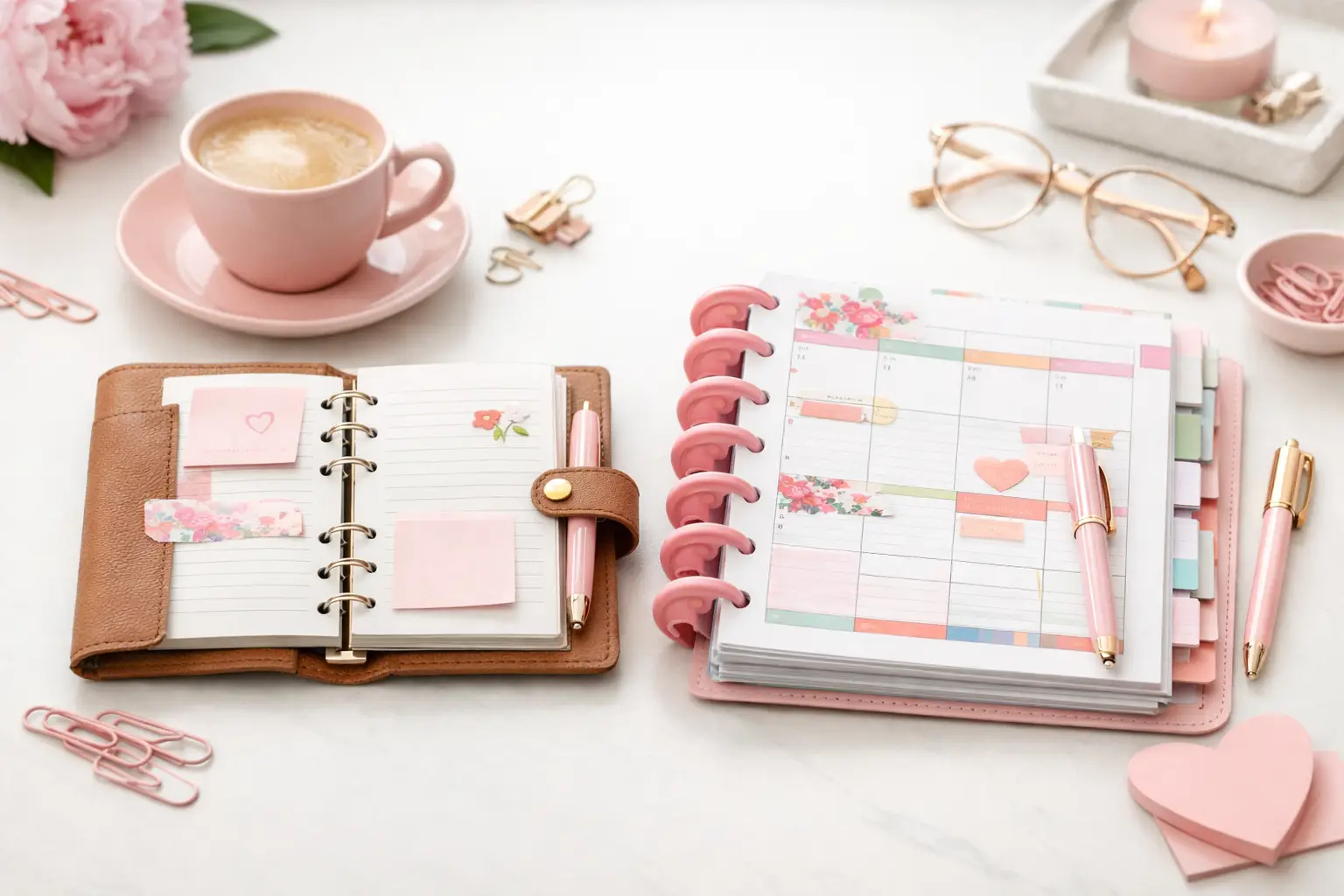
A6 vs Happy Planner: Which Fits Your Life?
A6 vs happy planner: compare size, space, portability, and page options to choose printable inserts that make your everyday planning feel easier with purpose.
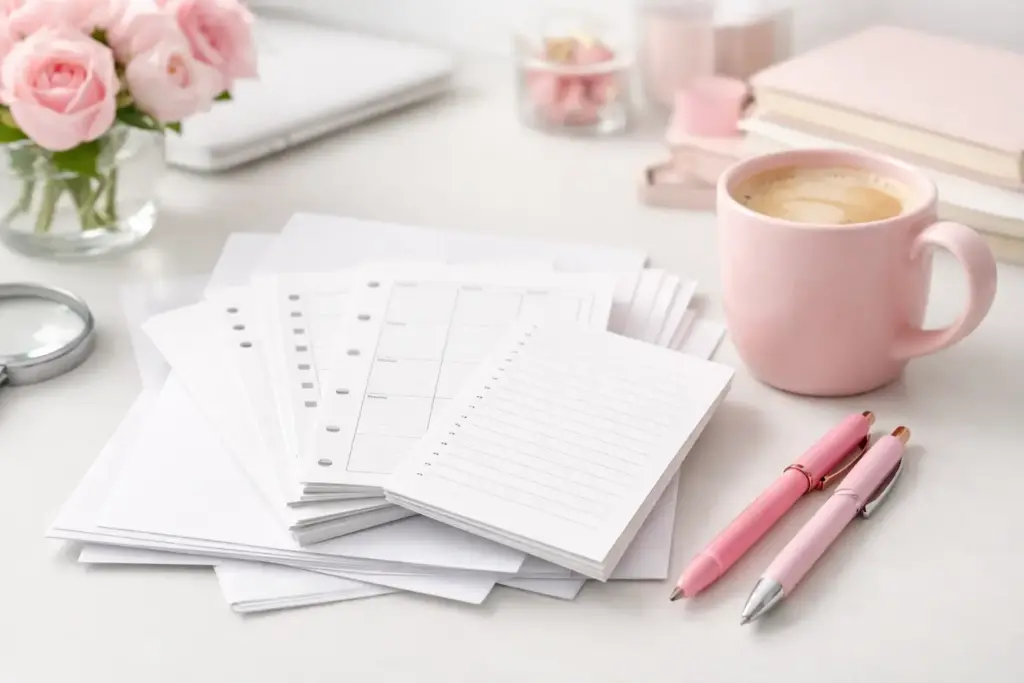
If your inserts look great on screen but feel flimsy, smudge easily, or bulk up your rings too fast, paper is usually the reason. The best paper to print planner inserts on is not one universal answer – it depends on your planner size, your favorite pens, which printer you use and how you actually use your pages day after day.
That is the fun part of printable planning. You are not stuck with whatever paper a manufacturer chose for you. You get to build a planner that fits your routine, your writing tools, and your style, whether that means crisp weekly inserts in A5, lightweight dailies in Personal, or sturdy dashboards that need a little more presence.
For most planner users, the sweet spot is paper that prints cleanly, turns easily, and holds up well to regular writing without making your planner too thick. That usually means focusing on three things: paper weight, paper finish, and pen compatibility.
Paper weight matters because it changes both the feel of the page and the way your planner functions. Lightweight paper keeps ring planners slim and easy to flip through. Heavier paper feels more substantial and often handles wetter pens better, but it can make smaller planners feel overstuffed faster than you expect. It also adds to the weight of your planner.
Finish matters just as much. Bright white smooth paper gives a crisp, polished look and helps printed layouts feel sharp. A slightly softer or more matte finish can be nicer for pencil, highlighters, and fast note-taking because it has a little more grip. If a paper is too slick, some pens may smear or take longer to dry.
Then there is the real-life test: what happens when you write on it. If you love gel pens, mildliners, brush pens, or fountain pens, your ideal paper may be different from someone who uses a basic ballpoint and checks off to-do lists all week.
If you want one answer that works well for most people, start with smooth 28 lb paper. In gsm terms, that is roughly 100 gsm, though paper labeling varies by brand and country. It has enough body to feel noticeably nicer than standard copy paper, yet it is still practical for frequent printing and regular planner use.
This weight tends to be a strong middle ground for printable inserts because it reduces show-through and bleed-through compared with 20 lb copy paper but does not become overly bulky. Weekly spreads, monthly calendars, notes pages, lists, and trackers usually print beautifully on it. It also works across common planner sizes like A6, A5, Personal, and Personal Wide without feeling too stiff when punched and turned.
For many planners, 28 lb paper is where function and aesthetics finally meet. Your inserts feel intentional. Your pen glides. The printed design looks clean. And your rings are not fighting for their lives by the middle of the month.
There is nothing wrong with using 20 lb paper if that is what you already have and it suits your planning style. If you print a high volume of pages, change inserts often, or prefer a lighter planner, standard copy paper can still be a smart choice.
This is especially true for users who print daily pages in large batches or keep archive binders for past months. Lighter paper saves both space and money. It is also easier on home printers that are less enthusiastic about thicker stock.
The trade-off is that thinner paper usually shows more shadowing, and some inks may bleed or ghost more than you want. If your planning routine is mostly pencil, ballpoint, or light gel pen use, that may not bother you at all. If you love saturated markers or heavier pens, you will probably want to upgrade.
If you want your inserts to feel luxurious or you use wetter pens, 32 lb paper can be lovely. It offers a more premium feel and often stands up better to heavy ink, repeated erasing, and decorative planning.
That said, thicker is not always better. In smaller ring planners, especially Pocket, A6 and Personal, thicker paper adds up fast. A beautiful stack of freshly printed inserts can quickly become too much bulk, making your planner harder to close, turn, and carry.
Heavier paper makes the most sense for selected sections rather than every single page. Monthly dividers, dashboards, covers, project planning pages, and specialty inserts often benefit from a sturdier sheet. For everyday weekly and daily inserts, many users still prefer something a little lighter for better usability.
Your favorite pen can decide more than you think.
If you mostly use ballpoint pens, almost any decent paper weight will work. Ballpoint ink is forgiving, dries quickly, and usually behaves well even on standard paper. You can prioritize thickness and planner bulk over ink performance.
If you love gel pens, a smoother 28 lb paper is often an excellent match. It gives you that clean, satisfying writing experience without too much drag, and many gel inks show up beautifully on bright white paper.
If highlighters are part of your everyday routine, test for ghosting before printing a large batch. Some highlighters behave perfectly on midweight paper, while others leave more shadow than expected. A matte, slightly heavier paper often helps.
If you use fountain pens or very juicy markers, paper choice becomes much more specific. Some heavier papers still feather if the surface is too absorbent, while others perform surprisingly well because they are smoother and more resistant. This is one of those it-depends situations where a small print test is worth more than any general recommendation.
Bright white paper makes printed inserts look crisp and modern. Black text stands out sharply, fine lines look cleaner, and layouts with decorative details often feel more polished. If you enjoy a clean, fresh planner aesthetic, bright white is usually the easiest win.
Cream or ivory paper creates a softer look and can be easier on the eyes for long writing sessions. It works especially well if you prefer a warmer, more classic planner feel. The only catch is that some printed designs may lose a little contrast compared with bright white paper, particularly if they include subtle gray details.
Neither option is more correct. It comes down to the visual experience you want when you open your planner.
Larger planners give you more flexibility. In A5 or Happy Planner Classic, slightly heavier paper still tends to turn comfortably and feels balanced on the page. These sizes can often handle 28 lb or even 32 lb paper without becoming awkward too quickly.
Smaller planners ask for more restraint. In A6 and Personal sizes, the same paper can feel much thicker once it is cut, punched, and stacked inside compact rings. If portability matters to you, a lighter paper may actually create the better planning experience even if it is not the most premium-feeling option.
This is where printable inserts really shine. You can choose one paper for your everyday pages and another for feature sections. A practical mix often works better than trying to force your entire planner onto one stock.
The easiest way to find the best paper to print planner inserts on is to run a real test with your own tools. Print the same insert on two or three paper types. Write on each one with your favorite pens. Highlight, erase, turn the pages, and stack them in your planner.
Pay attention to what annoys you. That is usually more useful than focusing only on what looks nice at first glance. Maybe the paper is beautiful but too thick. Maybe it handles ink well but feels too slick for fast planning. Maybe the cheaper option is actually perfect for your daily inserts and the nicer paper is better saved for special pages.
A short test now can save you from printing an entire month on paper you do not enjoy using.
The best paper is the one that supports your real planning habits, not an imaginary perfect setup. If your planner goes everywhere with you, lighter paper may be the right call. If writing feel matters most, a smooth midweight paper is often worth every page. If you love decorative details and heavier pens, a thicker stock for selected inserts may be exactly what brings your planner to life.
At Pretty Easy Planning, we love that printable inserts give you room to make those choices for yourself. Your successful planning story begins with a single print, and sometimes the difference between “this works” and “I love using this every day” is simply choosing paper that feels as good as your layout looks.
Start with a small batch, trust your own preferences, and let your planner become something that works beautifully in your hands.

€4,24
€4,24
€4,24
€4,24
A6 vs happy planner: compare size, space, portability, and page options to choose printable inserts that make your everyday planning feel easier with purpose.
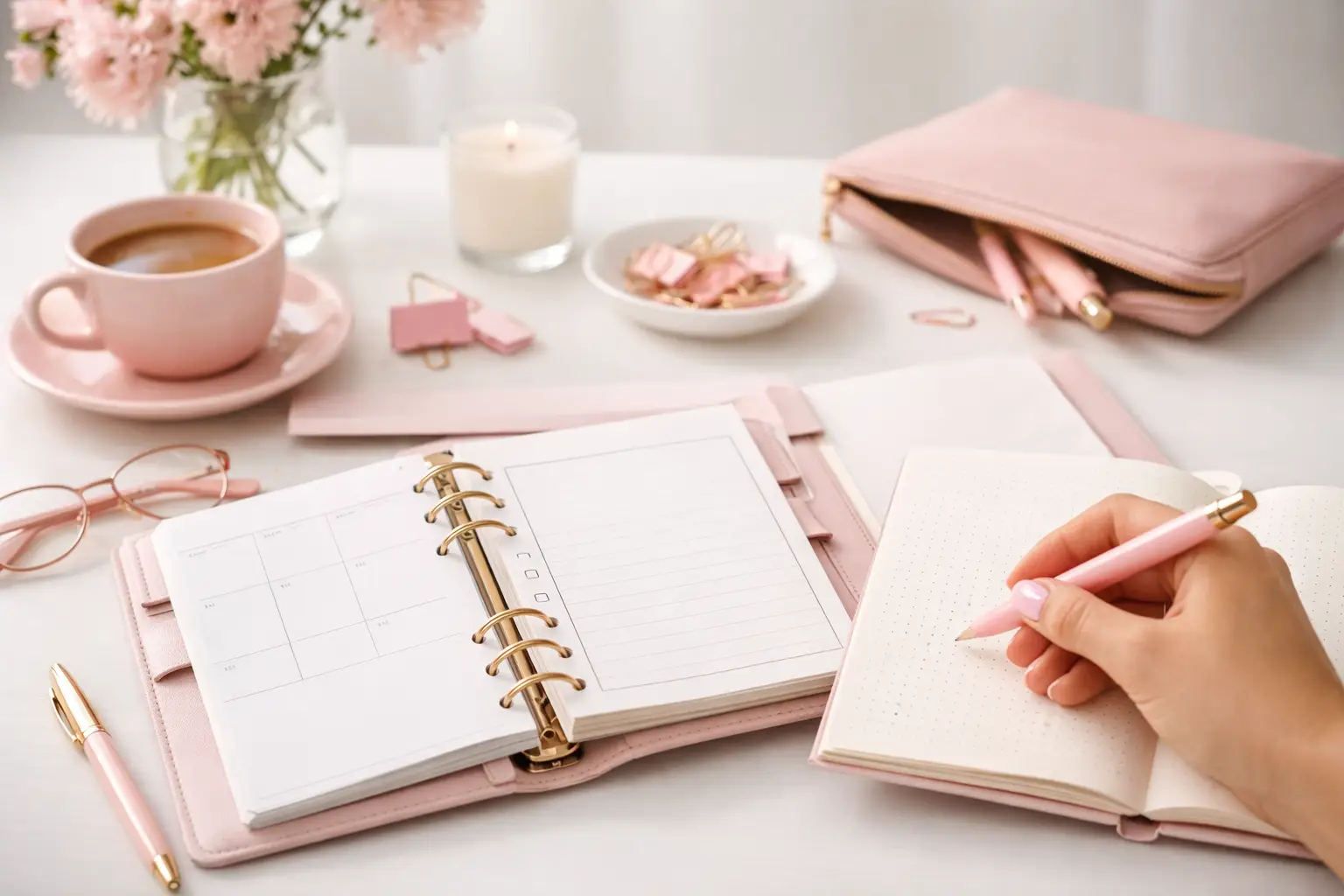
Wondering which planner pages do i need? Build a practical paper planner with only the inserts that support your real routines, goals, and plans daily.
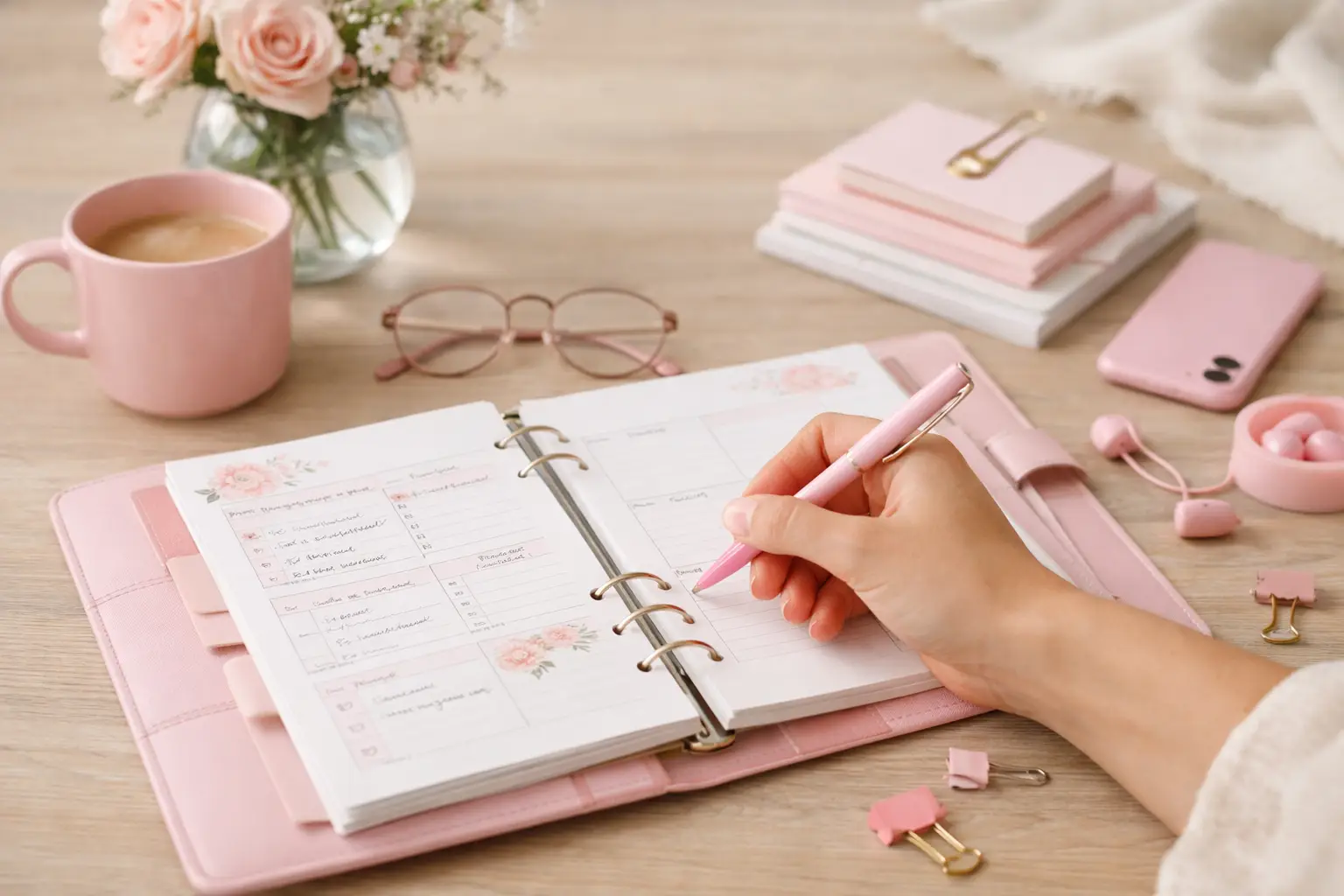
The future of printable planners favors flexible, beautiful systems: print what fits your week, refresh routines, and keep every page useful for life.