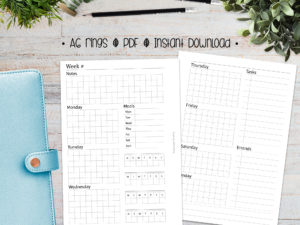
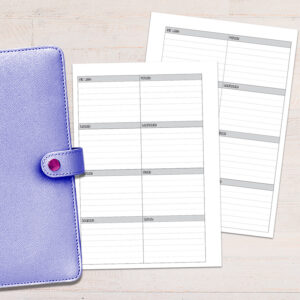
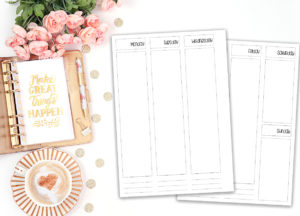
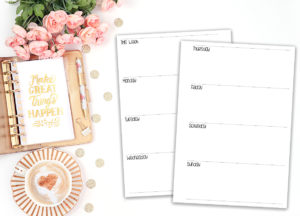
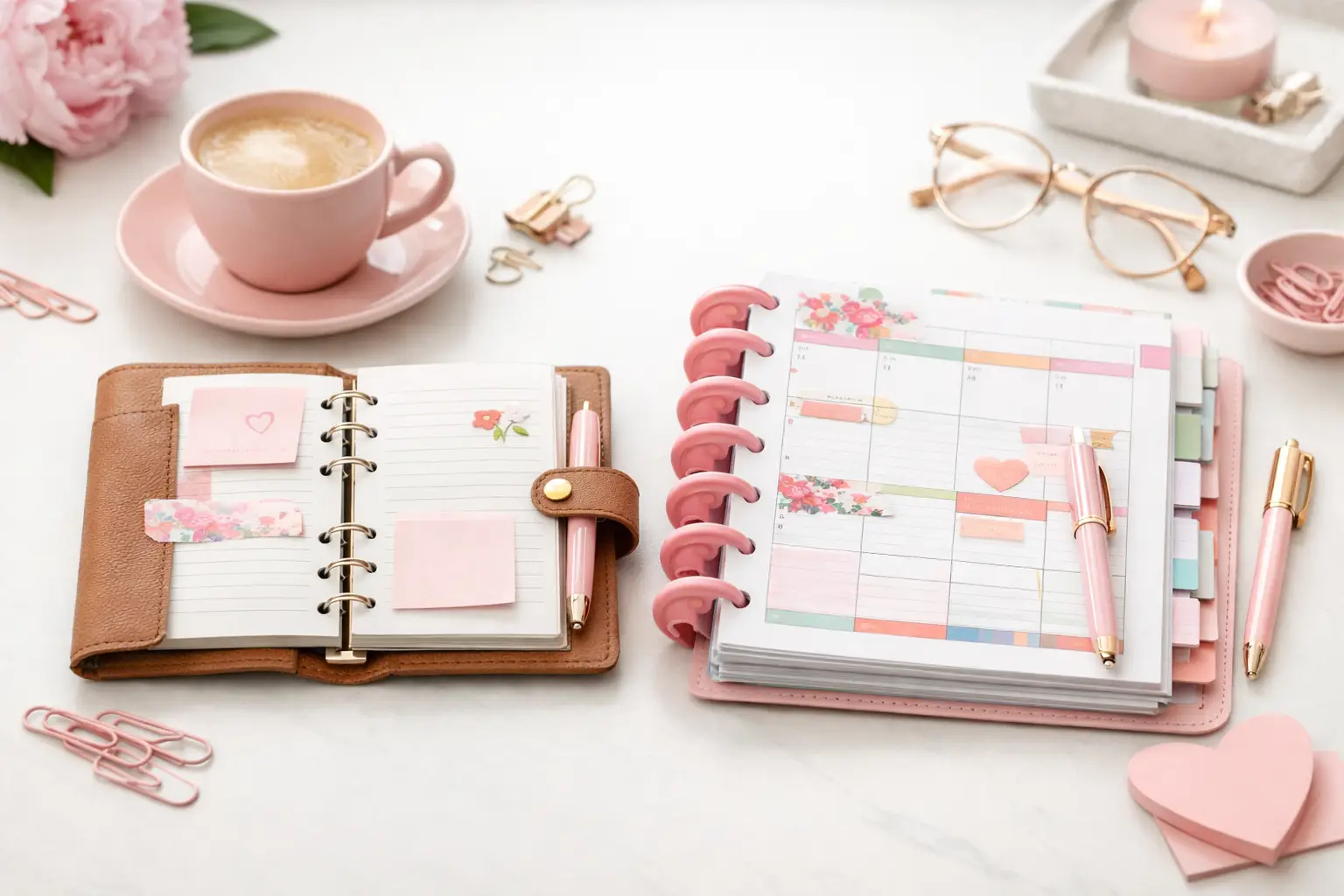
A6 vs Happy Planner: Which Fits Your Life?
A6 vs happy planner: compare size, space, portability, and page options to choose printable inserts that make your everyday planning feel easier with purpose.
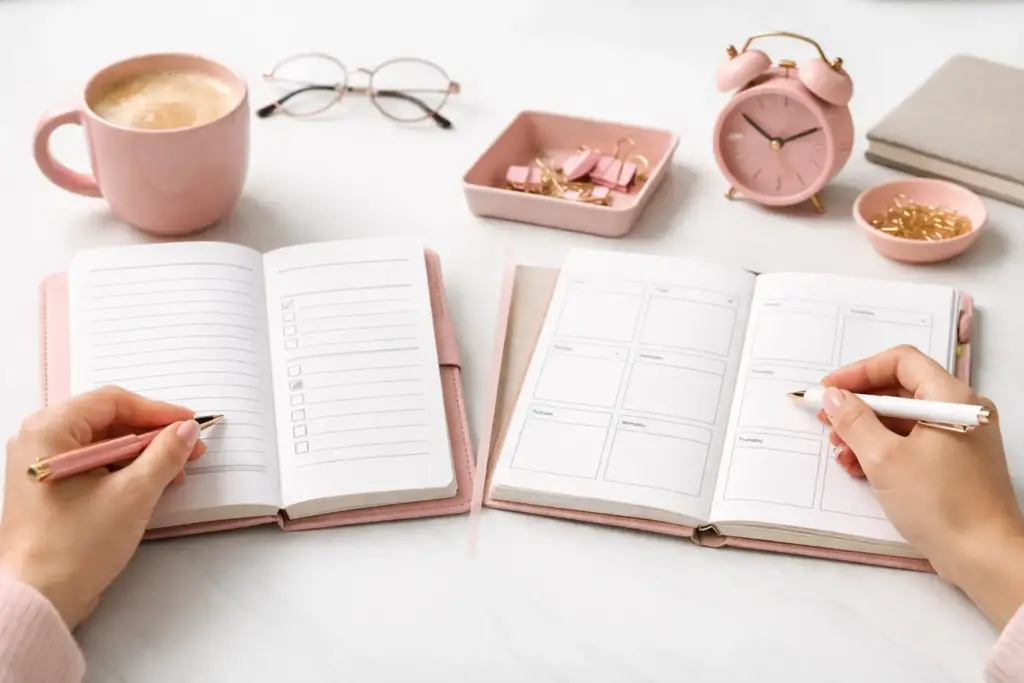
Some planner choices look small until you live with them for a week. Then suddenly one layout feels like a lifesaver, while the other feels like wasted space, cramped boxes, or too much flipping. If you have been weighing daily pages vs weekly layout options, the right answer usually comes down to how much detail you manage, how often your schedule changes, and how you want your planner to feel when you use it.
A beautiful setup matters, but function decides whether you actually keep using it. The best planner inserts support your real routine, not your idealized one.
At first glance, this sounds like a simple space question. Daily pages give one day more room. Weekly layouts place several days on one spread. That part is obvious.
The deeper difference is how each layout supports your thinking. Daily pages help you plan in detail. They invite time blocking, longer task lists, meal plans, meeting notes, school reminders, habit tracking, and day-specific priorities all in one place. Weekly layouts help you scan. You can spot busy days, open pockets of time, and what needs attention this week without turning pages.
That means the choice is not just about paper. It is about whether you need depth or overview first.
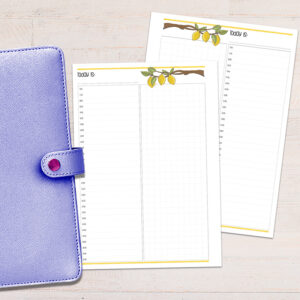
Daily pages shine when your life changes hour by hour or when each day holds enough information to deserve its own space. If you manage work tasks, family logistics, appointments, and personal goals all at once, a daily insert often feels calmer because it gives everything room to breathe.
Think about a weekday with a doctor appointment, three work meetings, a grocery list, after-school pickup, a phone call you cannot forget, and notes from something that came up at lunch. On a weekly spread, that can get cramped fast. On a daily page, you can map your timeline, jot notes, and still leave space for extras.
Daily pages also help if you enjoy writing things out. Some planner users think better on paper when they can break a big day into steps. If that sounds like you, a daily layout can reduce mental clutter because you stop trying to squeeze too much into a small box.
There are trade-offs, though. Daily inserts use more paper, take up more room, and require more page turning. If your planner needs to stay slim and portable, that matters. You may also find that quieter days leave blank space behind, which some people love and others hate.
A weekly layout works beautifully when you want your planner to show the bigger picture first. Many planner users do not need a full page for every day. They want to know what is happening, what must get done this week, and where the pressure points are.
Weekly inserts are especially useful for steady routines. If your days follow a familiar rhythm, a weekly spread often gives enough structure without overbuilding the page. You can plan errands, work shifts, recurring tasks, and family commitments in a way that feels clean and efficient.
This layout also supports quick check-ins. You open one spread and see the week. That makes weekly pages great for people who feel overwhelmed by too many sections or too much writing. Less space can actually create more clarity.
The downside shows up when your days are full. Once appointments, detailed to-dos, reminders, and notes all compete for one small area, planning starts to feel compressed. You might end up adding sticky notes, extra list pages, or rewriting tasks elsewhere. At that point, the simplicity of a weekly layout can stop feeling simple.
The daily pages vs weekly layout decision looks different in A5 than it does in Personal or A6. Planner size matters more than many people expect.
In a roomy planner, a weekly spread can still offer plenty of writing space. In a smaller size, that same weekly format may feel too tight if you keep detailed plans. On the flip side, daily pages in a compact planner can grow bulky fast if you carry a full month at once.
This is where customization becomes your best friend. You do not need to force one layout to do everything in every size. Some people love weekly inserts in A6 for portability and switch to daily pages in A5 for desk planning. Others keep a slim weekly section in their ring planner and add daily pages only during high-pressure seasons.
The best setup respects both your planning habits and the physical feel of your planner.
Start by looking at your actual week, not the version you wish you had. Pull out the last seven days and ask a few honest questions. Did you need room for detailed notes each day? Did you mostly check a short task list and a few appointments? Did you keep rewriting things because your page ran out of space?
Next, think about how you plan. If you love mapping your day the night before, daily pages usually support that process better. If you prefer a Sunday planning session and small updates during the week, a weekly layout may fit more naturally.
Then consider your tolerance for bulk. A full set of daily inserts creates a very different planner than a month of weekly spreads. If you carry your planner everywhere, that may affect your choice as much as your schedule does.
One practical way to test this is simple. Use a weekly layout for one week and note where it feels cramped. Then use daily pages the next week and notice whether the extra space feels helpful or excessive. Your successful planning story begins with a single print, and a short trial tells you more than hours of overthinking.
A lot of experienced planner users eventually stop treating this as an either-or decision. They build a system that uses both layouts for different jobs.
A weekly spread can act as your command center. It holds appointments, top priorities, deadlines, and a clear view of the week ahead. Daily pages can step in only when needed – for busy workdays, project-heavy seasons, travel, event planning, or back-to-school weeks.
This flexible approach works especially well if your life is not equally busy every day. Maybe Monday and Thursday need full daily pages, while the rest of the week runs just fine on a weekly overview. Maybe December needs more daily planning than July. Your planner can reflect that reality.
That kind of customization is what makes printable inserts so useful. You can print the pages that fit this season of life instead of storing stacks of pages that do not match your routine.
Sometimes the problem is not the layout itself. It is how the layout gets used.
One common mistake is choosing weekly pages because they look minimal and tidy, even though your schedule is packed. Another is picking daily pages because they seem more comprehensive, then feeling annoyed by the extra bulk and unused space.
Some planner users also expect one insert type to handle every need. If your weekly spread feels crowded, you may not need to abandon it completely. You may just need a notes page, list insert, or occasional daily page beside it. In the same way, if daily pages feel too heavy, you may not need to give them up forever. You may simply need them for certain categories of days.
A good planner system should feel supportive, not punishing. If you keep fighting your layout, listen to that signal.
If your days are detailed, unpredictable, or full of notes, start with daily pages. If your routine is lighter, more consistent, or easier to manage at a glance, start with a weekly layout.
If you still feel stuck, choose the option that solves your biggest frustration. Pick daily pages if you are tired of running out of room. Pick weekly inserts if you are tired of carrying too much paper or flipping through too many pages.
At Pretty Easy Planning, that practical kind of customization sits at the heart of the creative corner of planning possibilities. You do not need to commit forever. You just need a layout that helps you think clearly this week.
The best planner is not the one that looks the most impressive on setup day. It is the one you reach for on an ordinary Tuesday and feel relieved to use.

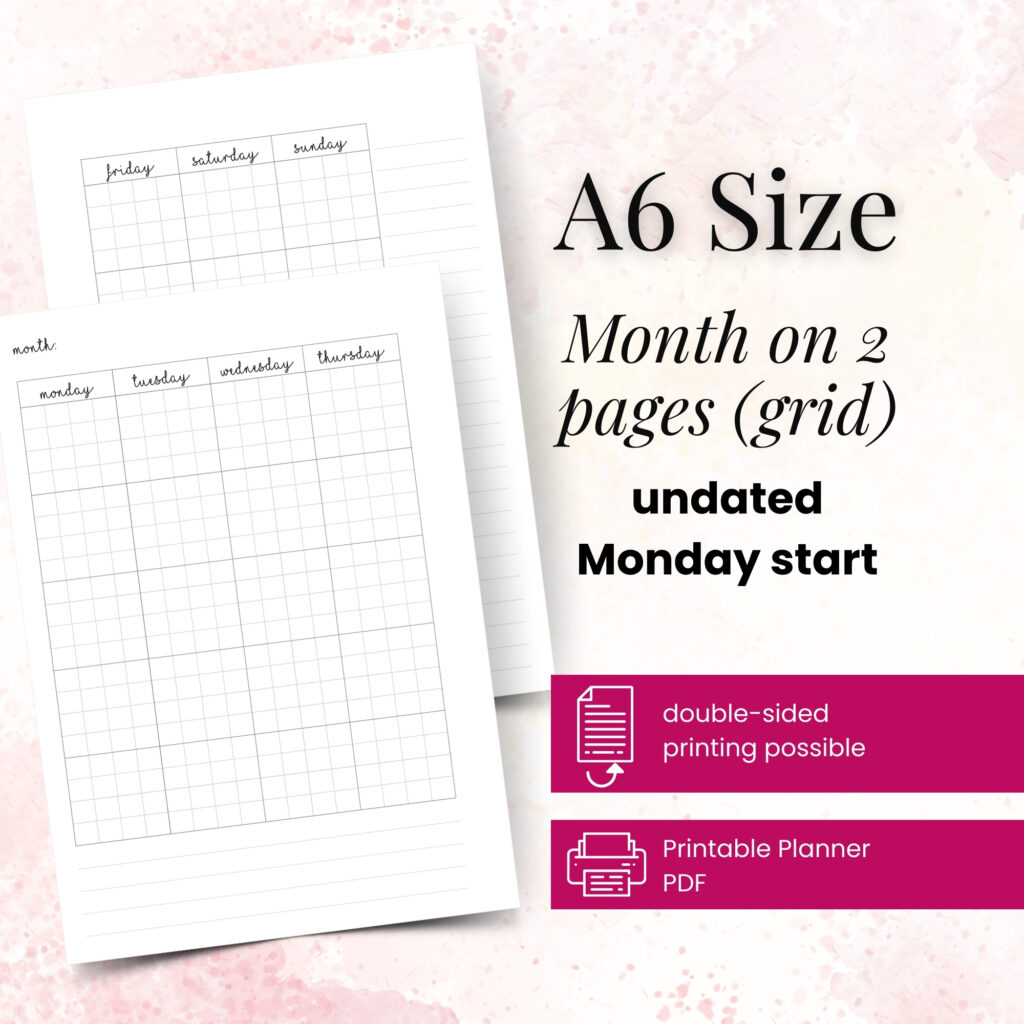
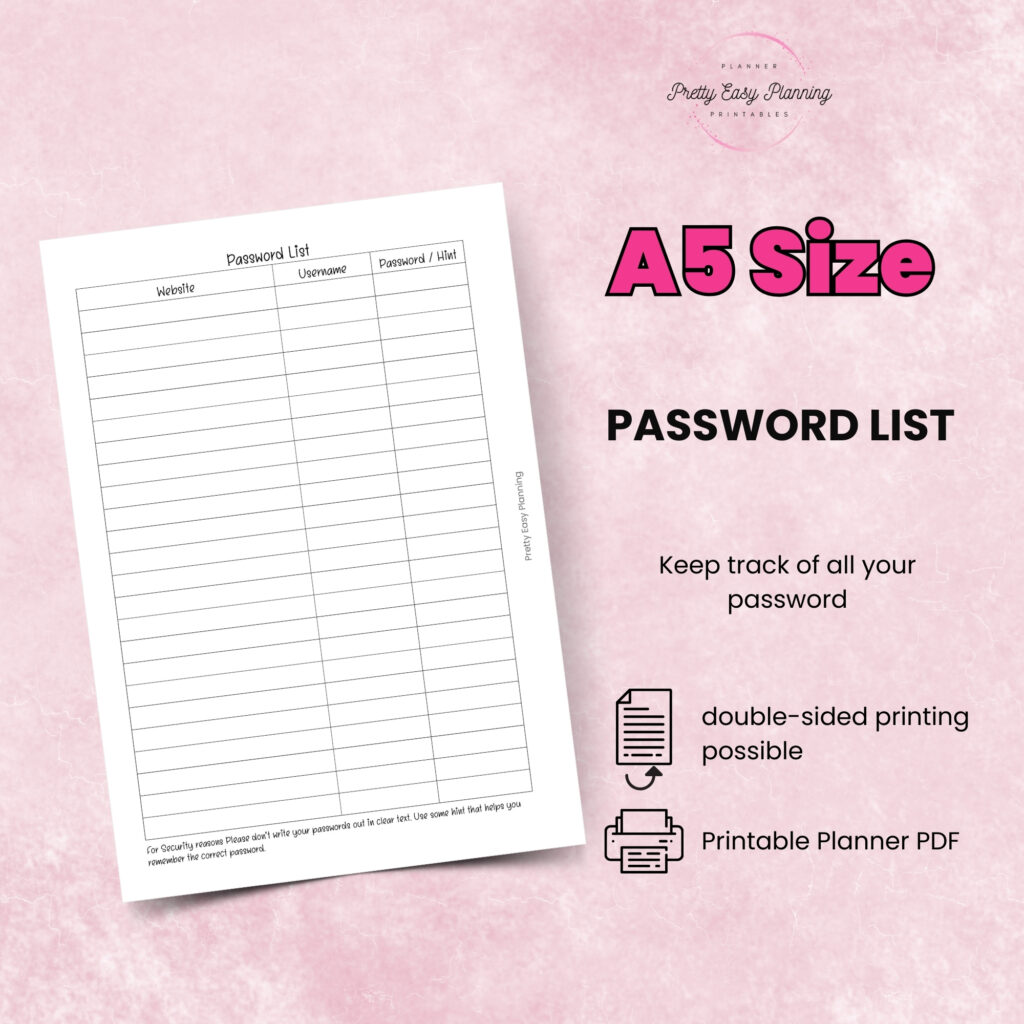
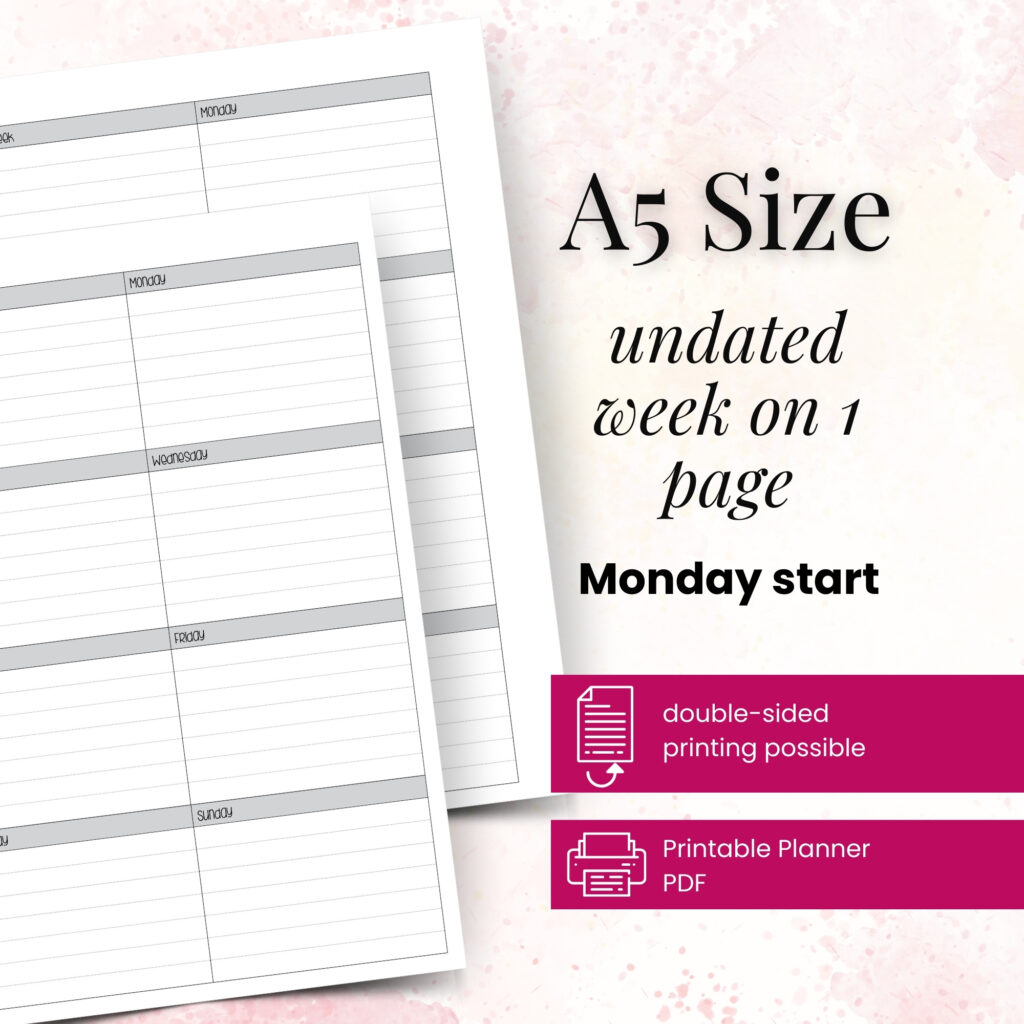
A6 vs happy planner: compare size, space, portability, and page options to choose printable inserts that make your everyday planning feel easier with purpose.
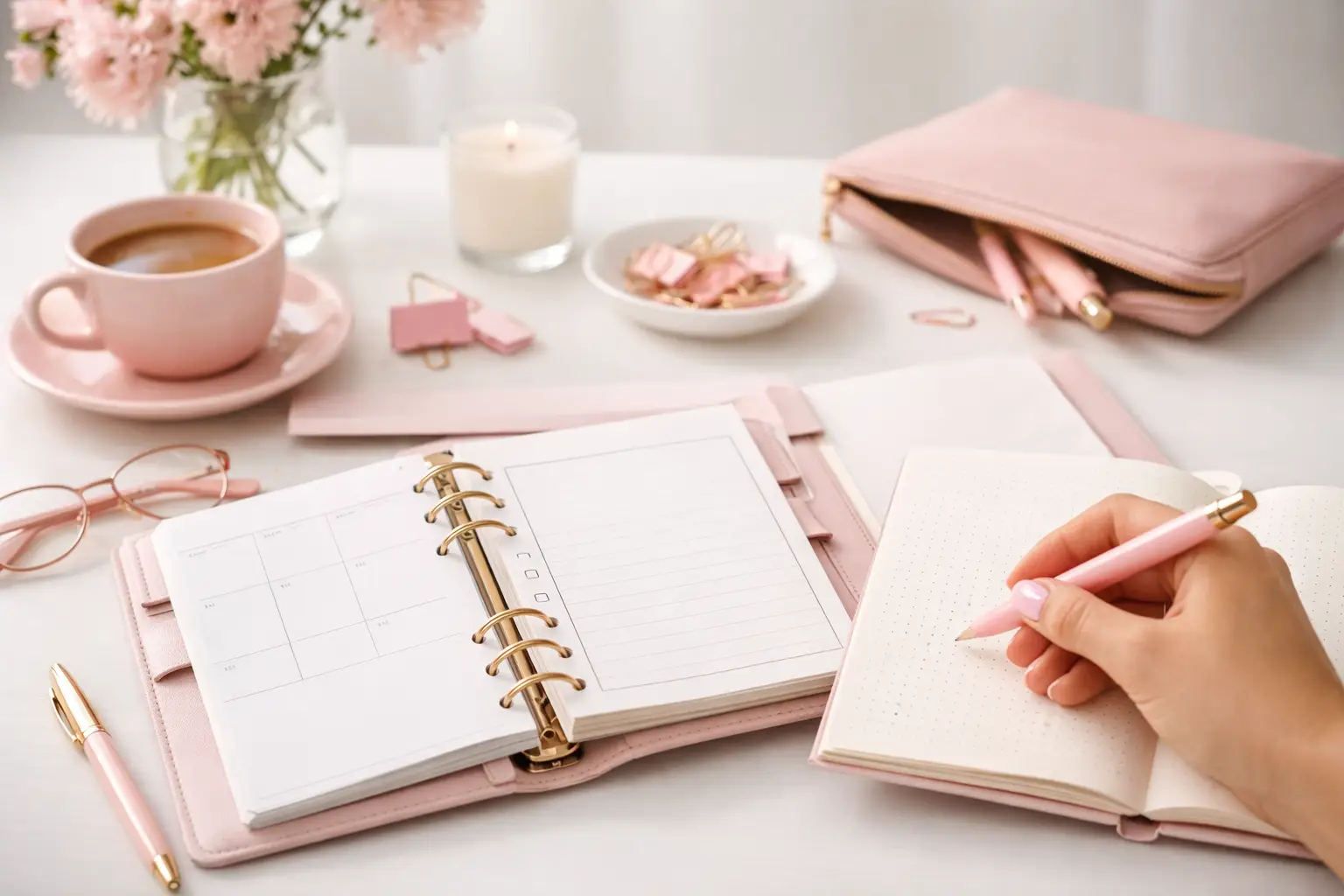
Wondering which planner pages do i need? Build a practical paper planner with only the inserts that support your real routines, goals, and plans daily.
The future of printable planners favors flexible, beautiful systems: print what fits your week, refresh routines, and keep every page useful for life.