A6 vs Happy Planner: Which Fits Your Life?
A6 vs happy planner: compare size, space, portability, and page options to choose printable inserts that make your everyday planning feel easier with purpose.
Some goals look great on January 1 and quietly disappear by February 10. Usually, the problem is not motivation. It is the layout. If your planner insert makes you cram too much into one page, flip too often, or track progress in a way that feels vague, even a strong goal can lose momentum fast. That is why choosing the best inserts for goal tracking matters more than most people expect.
For paper planners, the right insert does two jobs at once. It keeps your goal visible, and it makes the next step obvious. When those two things happen together, planning feels lighter and follow-through gets easier.
A pretty page is nice, but a useful insert needs more than good design. The best goal-tracking inserts help you define what you want, break it down, and stay connected to it after the excitement wears off. That sounds simple, yet many layouts miss one of those steps.
A strong insert should answer three questions quickly. What am I working toward? What needs to happen next? How will I know I am making progress? If the page cannot support those answers, it may still look polished, but it will not carry the weight of real life.
This is where format matters. Someone training for a race needs a different layout than someone saving for a house or building a reading habit. Goal tracking is not one-size-fits-all, and your inserts should not pretend otherwise.
A yearly goal insert gives your goals a home base. This is where you define the bigger picture, choose your focus areas, and decide what matters this year instead of trying to chase everything at once. If you like seeing your intentions in one place, this insert usually becomes the anchor for the rest of your system.
The best version leaves room for real categories such as health, work, home, finances, or personal growth. It should also give you space to write measurable outcomes or milestone markers. A tiny box that only fits two words is not enough if your goal needs context.
Still, yearly pages have limits. They are excellent for clarity, but weak for daily action. Use them to set direction, not to manage the details.
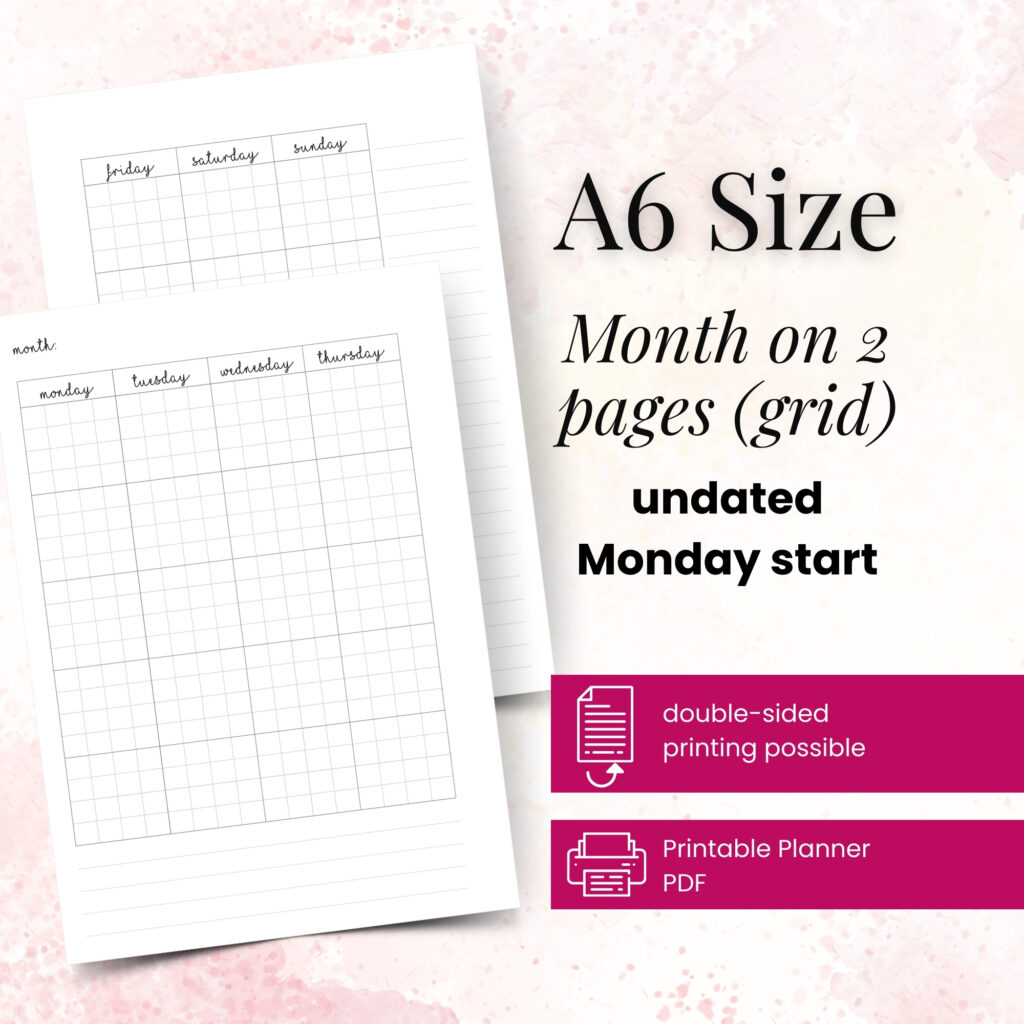
This is where goals become practical. A monthly goal insert helps you narrow your focus and decide what progress looks like over the next few weeks. It works especially well if you tend to feel overwhelmed by big goals, because it pulls your attention back to a shorter timeframe.
A good monthly insert often includes top priorities, action steps, deadlines, and a short review section. That review matters. Without it, you can fill in plans all month and never pause to ask what worked.
For many planner users, monthly inserts hit the sweet spot. They are broad enough to support bigger plans but specific enough to keep momentum going.
Weekly inserts are often the missing piece in goal tracking. You can know your goals clearly and still struggle if you never schedule the work. Weekly action pages turn intentions into appointments with yourself.
These inserts work best when they include dedicated space for goal-related tasks, not just general to-dos. If your weekly page gets swallowed by errands, meetings, and household tasks, your goal work may keep sliding to next week.
This does not mean every weekly insert needs a huge goal section. It depends on your routine. If your planner already handles appointments well, a smaller box for weekly focus may be enough.
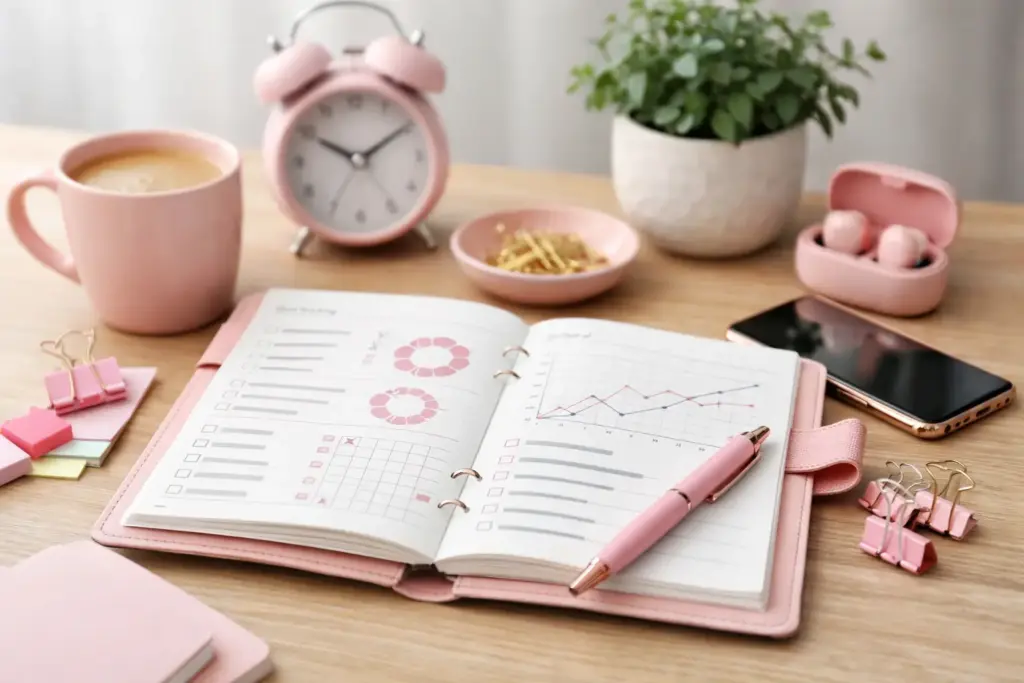
Habit trackers shine when your goal depends on repetition. Think movement, hydration, reading, skincare, language practice, or budgeting check-ins. They make consistency visible, and that visual proof can be surprisingly motivating.
That said, not every goal belongs in a habit tracker. Writing a book, launching a project, or finishing a certification usually involves stages, not just repeated actions. In those cases, a habit tracker can support the process, but it should not carry the whole goal by itself.
The most useful trackers keep things clear. Too many categories on one page can make tracking feel like another chore.
Some goals need more structure than a tracker can give. If your goal has milestones, deadlines, research, or multiple moving parts, a project insert often works better. These layouts help you map the goal from start to finish, break it into phases, and keep all related details together.
Project inserts are especially helpful for work goals, home renovations, event planning, coursework, or anything with several steps and dependencies. They give you room to think through the plan instead of squeezing a complex goal into a simple checklist.
The best inserts for goal tracking depend on how you naturally plan. If you love seeing the whole year at once, start with a yearly overview and then build downward. If you plan best in shorter bursts, a monthly goal page may carry more value than a yearly spread you rarely revisit.
It also helps to think about the kind of goal you are tracking. Routine goals usually need repeated check-ins, so habit trackers and weekly focus pages make sense. Outcome-based goals need milestones and task planning, so project inserts and monthly breakdowns tend to work better.
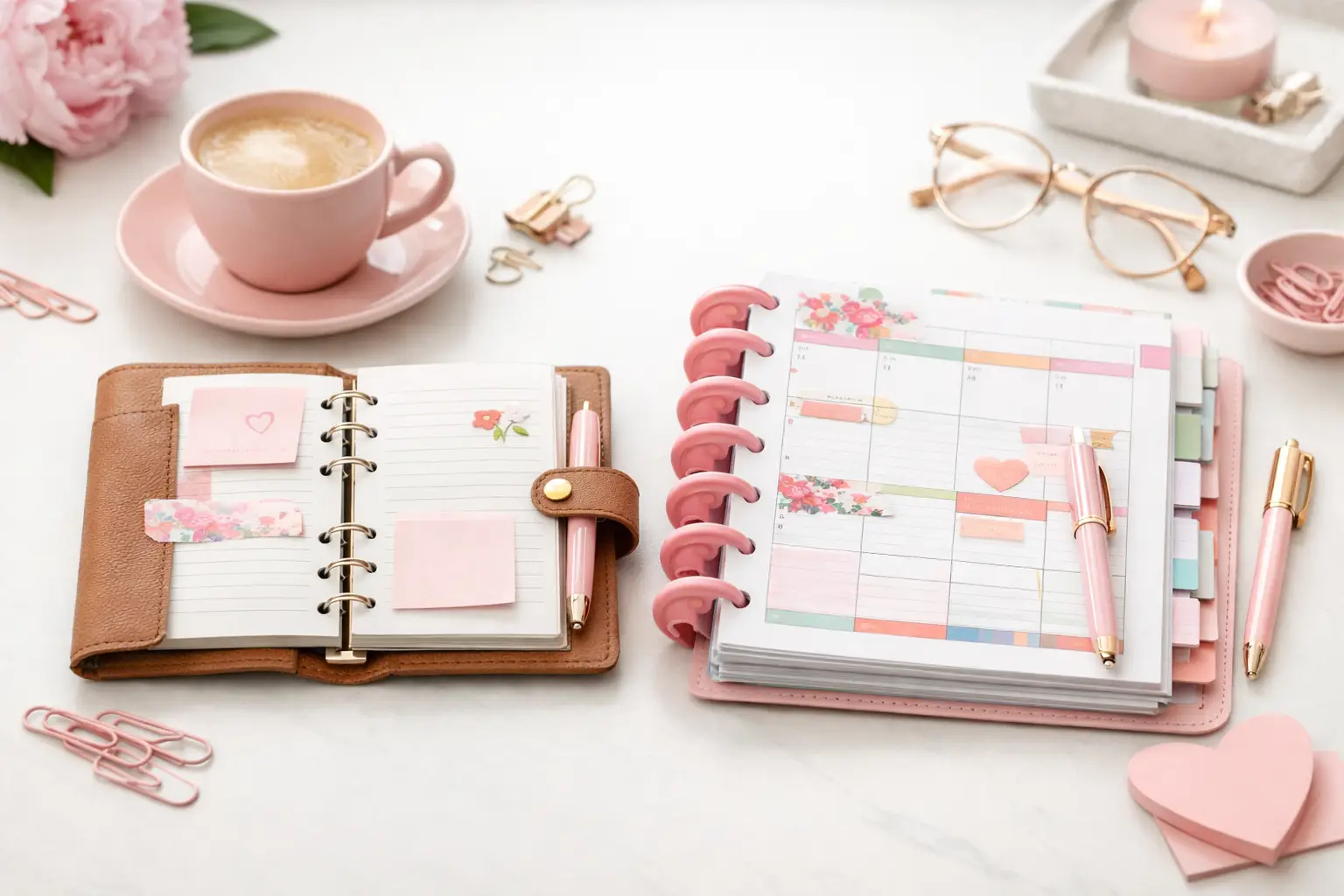
Your planner size matters too. In an A6 or Personal planner, tight layouts can feel efficient, but they may not leave enough room for reflection or detailed steps. In A5 or Happy Planner Classic, you usually get more writing space, which helps if your goals involve notes, planning, or regular reviews. Smaller inserts can be perfect for simple tracking. Larger inserts suit layered goals better.
If you want a goal-tracking system that feels supportive instead of complicated, keep it layered. Start with one yearly goal insert for the big picture. Then choose one monthly insert to decide what progress looks like right now. Add a weekly page where you assign actual tasks, and use a habit tracker only if your goal depends on repetition.
Here is a practical example. Let’s say your goal is to improve your finances. Your yearly insert might define the bigger target, such as building a savings cushion and paying off one credit card. Your monthly insert could set a smaller goal like cutting dining-out spending and transferring a fixed amount to savings. On your weekly page, you might schedule a budget check every Sunday and list specific tasks such as canceling one subscription or reviewing grocery spending. A habit tracker could support a daily no-spend challenge if that helps you stay mindful.
Each insert has a job. That is what keeps the system clear.
One common mistake is choosing a layout because it looks impressive, not because it fits your planning habits. A detailed goal insert can be helpful, but if you avoid filling it out because it feels too intense, it will not serve you well.
Another mistake is tracking too many goals at once. More pages do not always mean better progress. In fact, too many inserts can scatter your attention and make your planner feel heavy. A focused system usually works better than a sprawling one.
Many planner users also skip the review piece. They write goals down, make plans, and then move on without checking in. Good inserts make review feel natural. Even a short section for wins, obstacles, and next adjustments can change how well a goal holds up over time.
Goal tracking rarely stays static all year. Some months you need more structure. Other months you need less. That is where printable inserts really shine. You can print only what supports your current season, test combinations, and rebuild your planner without waiting on a fixed format to catch up.
That flexibility matters if you use multiple planner sizes or like refining your setup as your goals shift. It also helps reduce waste, because you are not stuck with pages that no longer fit how you plan. In a creative corner of planning possibilities, that kind of control makes a real difference.
At Pretty Easy Planning, that idea sits at the center of the experience – layouts should help your routine, not box it in. When an insert has been tested by someone who actually uses planners every day, you can feel the difference in the details.
There is no single perfect insert for every planner user. Some people need clear boxes and firm structure. Others want open space to think, reflect, and adapt. The best inserts for goal tracking are the ones that match your pace, your planner size, and the way your brain likes to see progress.
If a layout helps you come back to your goals on an ordinary Tuesday, that is a good insert. If it helps you notice progress before you feel discouraged, that is an even better one. Your successful planning story begins with a single print, but it grows through pages that keep working long after the first spark of motivation fades.

€4,24
€4,24
€4,24
€4,24
A6 vs happy planner: compare size, space, portability, and page options to choose printable inserts that make your everyday planning feel easier with purpose.
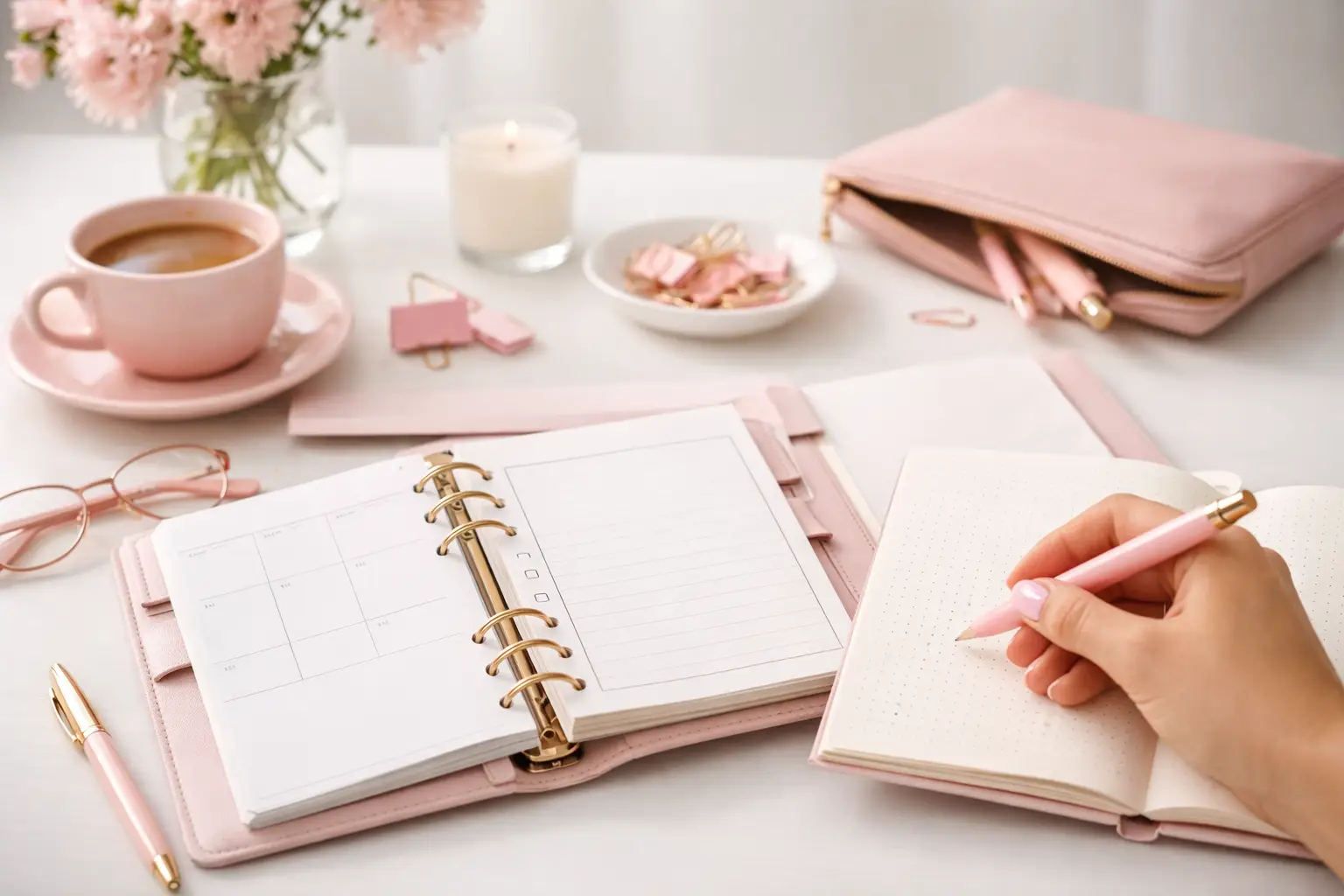
Wondering which planner pages do i need? Build a practical paper planner with only the inserts that support your real routines, goals, and plans daily.
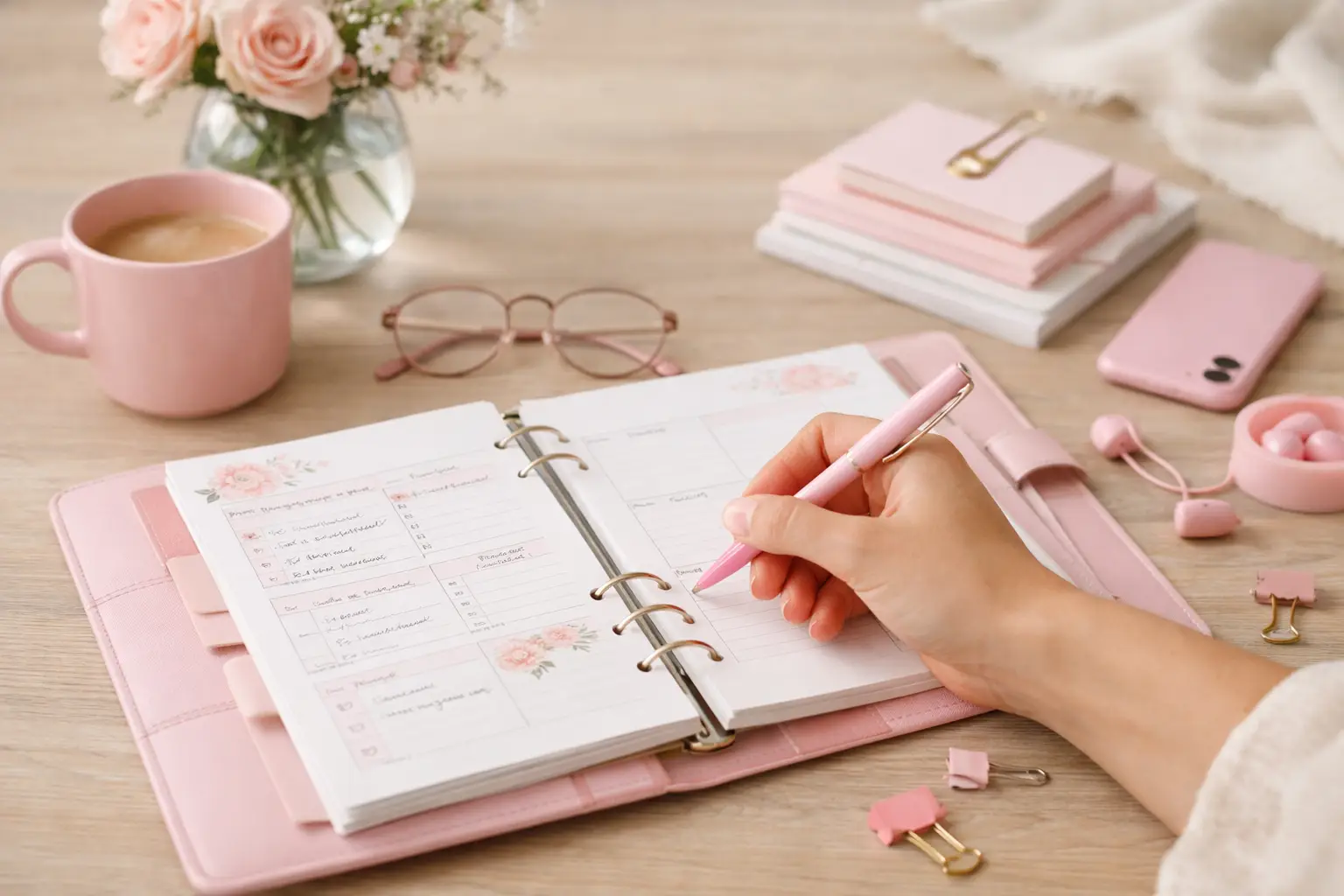
The future of printable planners favors flexible, beautiful systems: print what fits your week, refresh routines, and keep every page useful for life.