A planner page can look perfect on your desk and still create friction in real life. Maybe you skipped three weeks during a busy season and now face a row of empty dated spreads. Or maybe you love the freedom of undated pages but find yourself wishing the month and day were already waiting for you. The dated versus undated planner pages question is less about which option is better overall and more about how you actually plan.
Your best choice should support your routines, not ask you to maintain a system that no longer fits. Printable planner pages make that choice especially personal because you can print the amount you need, test a layout, and adjust as life changes.
Key Takeaways
-
Choose dated planner pages when you want a ready-to-use structure and plan consistently each week or month.
-
Choose undated planner pages when your schedule changes often, you take planning breaks, or you want to avoid unused pages.
-
Mix both styles if different parts of your life need different levels of structure.
-
Print a small trial batch before building a full planner section around a new format.
What makes dated planner pages so helpful?
Dated planner pages arrive with the calendar work already done. The days, weeks, or months have labels, so you can open your planner and start writing. That small convenience matters when Monday morning feels full before you have even made coffee.
For steady routines, dated pages create momentum. A weekly spread marked with the correct dates helps you see appointments, school events, work deadlines, and meal plans in their proper place without stopping to set up each page. You can also flip back through past weeks and quickly find when something happened.
This format works beautifully for planners who use the same section all year. Think of a work planner that travels to meetings, a family calendar checked every evening, or a fitness routine you follow week after week. If you know you will use the pages regularly, pre-dated structure saves time and reduces tiny decisions.
Dated pages also add a gentle sense of accountability. Seeing March 12 through March 18 on a weekly layout can encourage you to look ahead, make a realistic plan, and follow through. For someone building a new habit, that visual continuity can feel motivating.
Still, dated pages ask for consistency. If you stop using your planner during a vacation, a demanding project, or a difficult month, blank pages may feel wasteful. They do not have to be. You can use them for notes, memory keeping, or a fresh restart. Yet if empty dates bother you, another approach may bring more peace to your planning routine.
Why undated pages offer more freedom
Undated pages give you control over when planning begins and ends. You add the date only when you use the page. That means no guilt over a blank week and no need to buy into a January-to-December schedule if your biggest planning season starts in September, April, or right now.
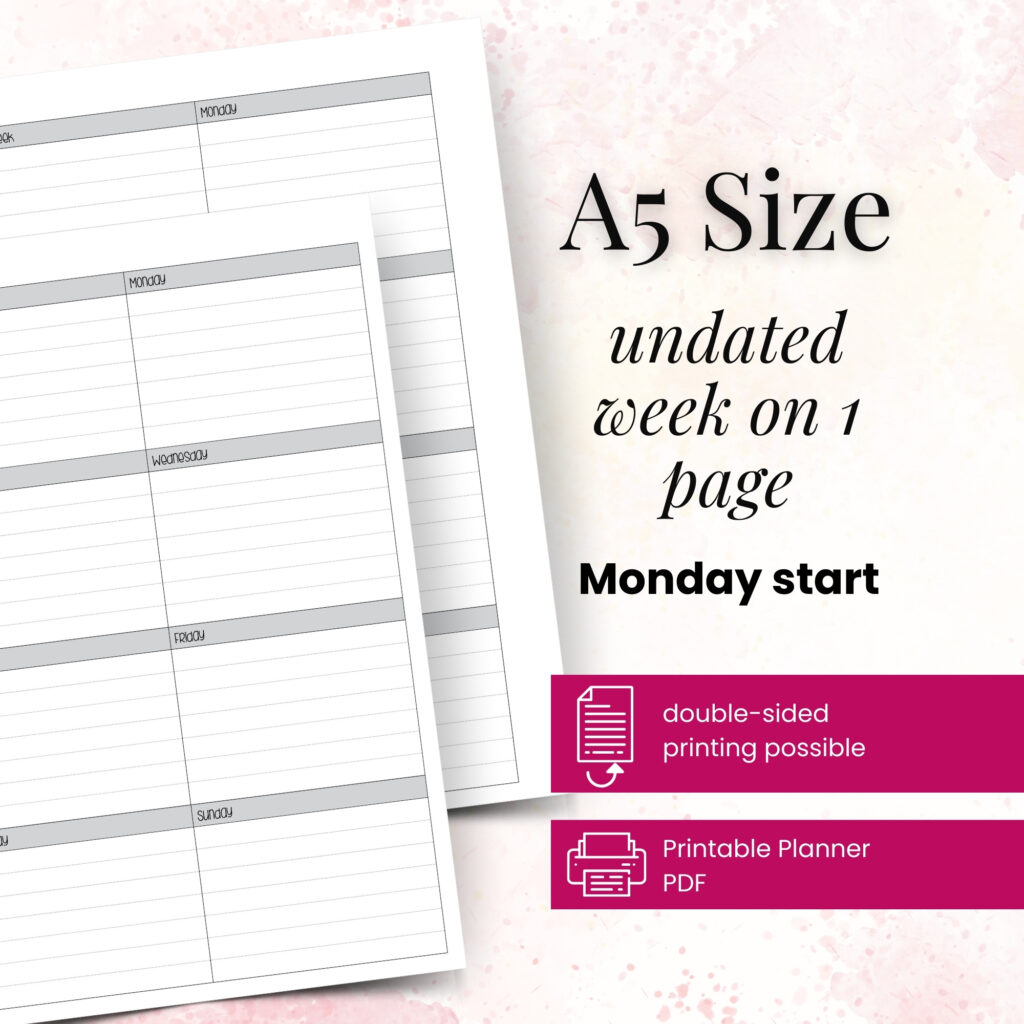
This flexibility is especially useful for people with irregular schedules. A nurse working changing shifts, a parent planning around school breaks, or a freelancer with project-based deadlines may not need the same weekly structure every week. Undated pages wait patiently until they are useful.
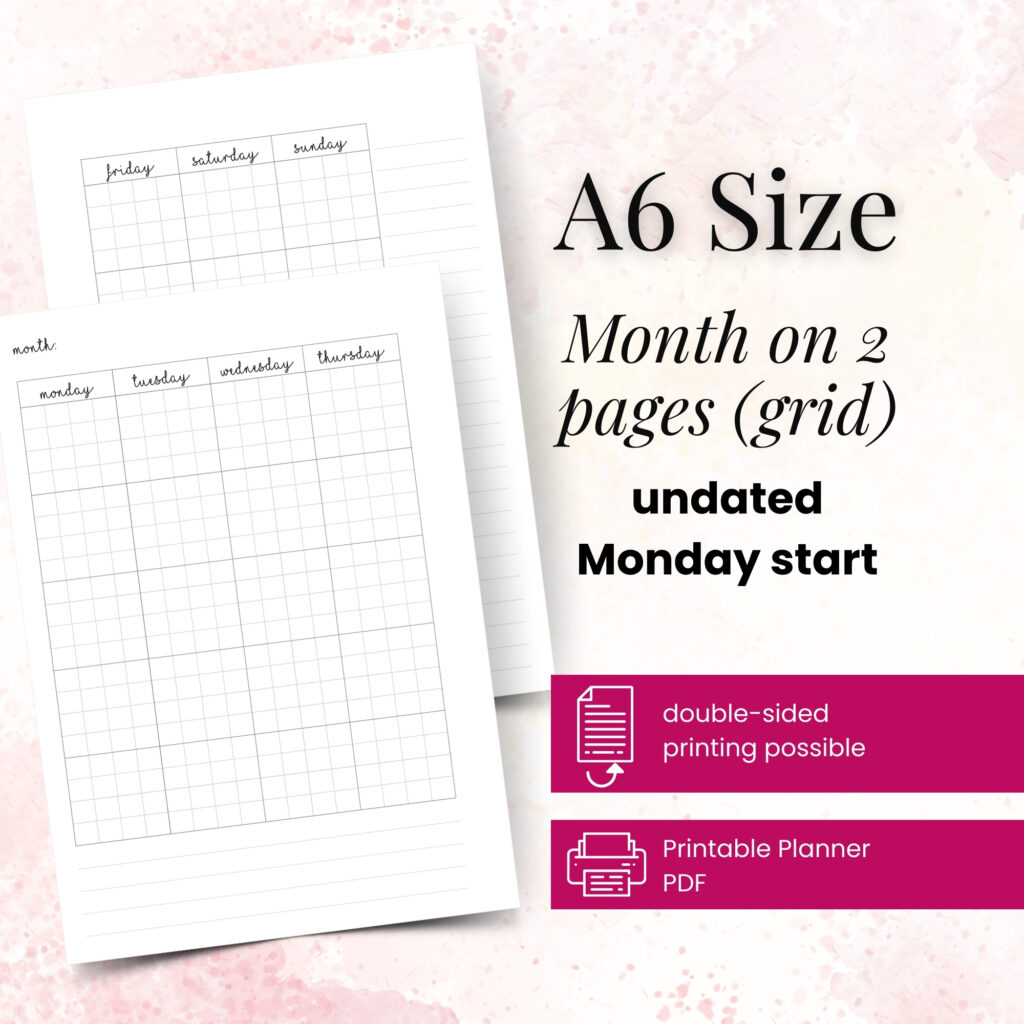
They also make a practical choice for targeted planning projects. You might print 12 undated daily pages for a launch month, six weekly pages for a travel season, or a handful of monthly pages for a savings goal. You use what helps and leave the rest.
Creative planners often enjoy the extra space for personalization. You can begin a spread on any date, choose your own week start, and add color or seasonal details without feeling tied to a pre-set calendar. An undated layout can feel like a creative corner of planning possibilities while still keeping your tasks, appointments, and priorities clear.
The trade-off is setup time. Writing dates, month names, and numbers takes only a minute or two, but that minute matters when you are tired or rushing. Some planners also find that undated pages make it easier to postpone planning because the page does not immediately signal, “This week needs your attention.”
Dated versus undated planner pages: compare the daily experience
The most useful comparison happens at the moment you sit down to plan. Dated pages remove preparation. You can check the date, write your appointments, and move on. Undated pages invite you to begin with intention, but they require a little more participation.
Consider how often you reach for your planner. If you use it every day at breakfast and every Sunday for a weekly reset, dated pages will likely feel efficient. If you plan in bursts, perhaps only when work gets busy or a household project needs attention, undated pages may feel more sensible.
Your printing habits matter too. With dated pages, you may prefer to print a quarter or a full year at once, especially for monthly and weekly sections. With undated pages, many planners print a smaller stack and replenish it as needed. Neither method is wrong. The best one matches your paper supply, binder space, and comfort with planning ahead.
Think about record keeping as well. A dated monthly spread offers a clear archive for birthdays, bills, vacations, and deadlines. By contrast, an undated project planner works well when the page sequence matters more than the calendar. For example, a home renovation section may need task lists, measurements, and purchase notes, not a weekly date label.
A simple way to choose your planner pages
Start by looking at the planning section you are building, not your planner as a whole. One person can need dated weekly pages for work and undated daily pages for unpredictable days. You do not need to choose one style forever.
First, name the job of the section. Is it for recurring appointments, household routines, goal tracking, a specific project, or everyday catch-all planning? Next, notice your rhythm. Do you use this section every week, most weeks, or only when a particular season or project calls for it?
Then test the setup. Print enough pages for two or three weeks, punch them for your planner size, and use them during a normal stretch of life. Do not test only during a perfectly calm week. A good layout should still help when you have late meetings, errands, and a to-do list that grew overnight.
Finally, pay attention to irritation. If you keep forgetting to date an undated spread, that is useful information, not a planning failure. If you resent blank dated pages after an unexpected break, listen to that too. Your planner should reduce mental clutter, not create another rule to manage.
Try a hybrid planner system
A mixed system often solves the debate. Use dated monthly pages as the command center for appointments, annual dates, and big-picture deadlines. Add undated weekly or daily pages behind them for the weeks when you need more detail.
You can also separate planning by purpose. A dated work section helps you track meetings and due dates across the year. An undated personal section can hold meal planning, wellness check-ins, packing lists, or weekend plans whenever you need them. This approach keeps predictable commitments visible while leaving room for real life.
At Pretty Easy Planning, the most successful planner setups usually grow through this kind of experimenting. A layout can be beautiful, but it earns its place in your binder when it makes the next decision easier.
Give yourself permission to change the page
Planner preferences are not personality traits. You may love dated pages during a structured job season and switch to undated pages during summer, parental leave, travel, or a major life transition. Your routines can change without requiring you to abandon paper planning altogether.
Keep the pages that make you feel prepared, remove the ones that create pressure, and print the next small batch with confidence. Your successful planning story begins with a single print – and it can take a new shape whenever you need it to.