A routine does not fail because you forgot to buy the perfect pen. More often, it falls apart because the place where you planned it gave you too little room, too much room, or the wrong kind of prompt. The best planner inserts for routines make your real life visible: the school pickup, the medication reminder, the weekly reset, the focused work block, and the small habit you want to keep.
Your planner should support your rhythm instead of asking you to squeeze into someone else’s layout. That is the beauty of printable inserts. You can test a page, adjust the number you print, and build a setup around how your days actually move. A routine insert can look lovely, but its real job is to make the next right action easier to see.
Key Takeaways
-
Choose routine inserts based on when you need support: daily, weekly, monthly, or during a specific season.
-
Pair a detailed daily page with a simple weekly overview so small tasks do not disappear.
-
Use trackers for a few meaningful habits, not every goal you have ever set.
-
Print a short trial batch before committing to a full planner section.
-
Keep routines flexible by leaving space for real appointments, energy shifts, and unexpected life.
How to Choose the Best Planner Inserts for Routines
Start with the moment your routine usually breaks down. If mornings feel rushed, you need a page that shows your first few tasks in order. If you lose track of household jobs, a weekly checklist may help more than another hourly schedule. If your habits fade after three days, a small tracker placed where you already plan can give you the gentle visual nudge you need.
The best layout depends on the type of routine, not on what looks most impressive in a planner flip-through. A detailed page can feel satisfying, but it may create pressure if your schedule changes often. On the other hand, a very open page can feel peaceful until you need to remember six recurring tasks. Choose enough structure to guide you, then leave enough white space to live in it.
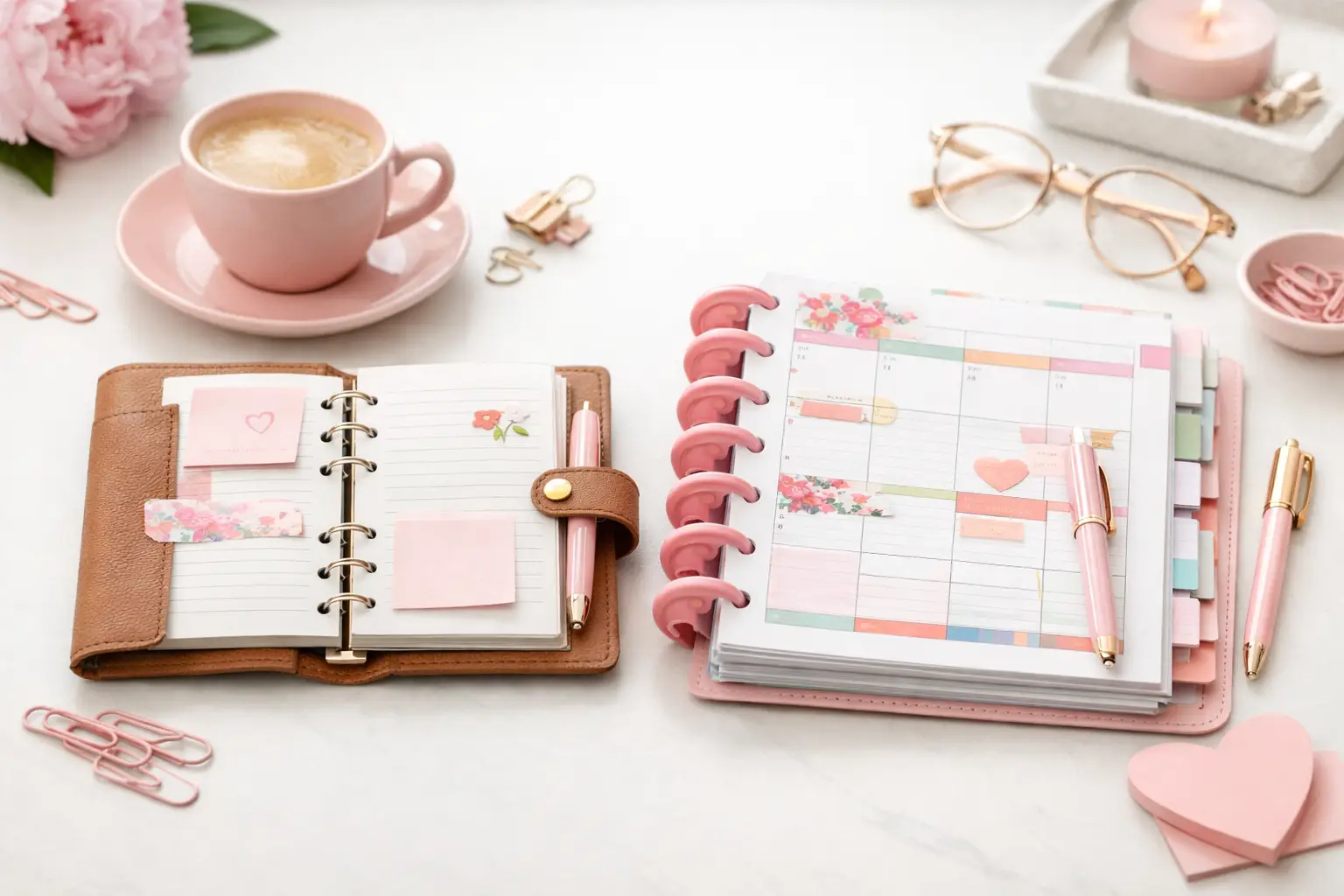
Consider your planner size before you choose. An A5 page can hold a full schedule, meals, movement, and a task list without feeling crowded. Personal and A6 planners work beautifully for focused routines, short lists, and portable planning. Happy Planner Classic pages offer more room for broad weekly plans and colorful dashboard-style sections. The same routine can need a different layout depending on how much detail you enjoy seeing at once.
Daily inserts for time-sensitive routines
Daily inserts work best when your routine has a sequence or a deadline. Think of a workday with meetings, a morning school run, regular medications, or an evening wind-down you want to protect. Look for a page with a timed schedule or clear blocks for morning, afternoon, and evening.
Use the schedule for appointments and anchor tasks first. Then add the routine steps around them. For example, a weekday morning may include coffee, getting dressed, checking the calendar, packing lunches, and leaving by 7:40. You do not need to rewrite every step every day if it never changes. A small recurring checklist can handle those basics, while the schedule stays available for what is different today.
Daily pages also help when you tend to carry tasks forward without deciding whether they still matter. Give yourself a short “must do” section with no more than three priorities. That limit protects your routine from becoming a wish list in disguise.
Weekly inserts for the routines that hold a home together
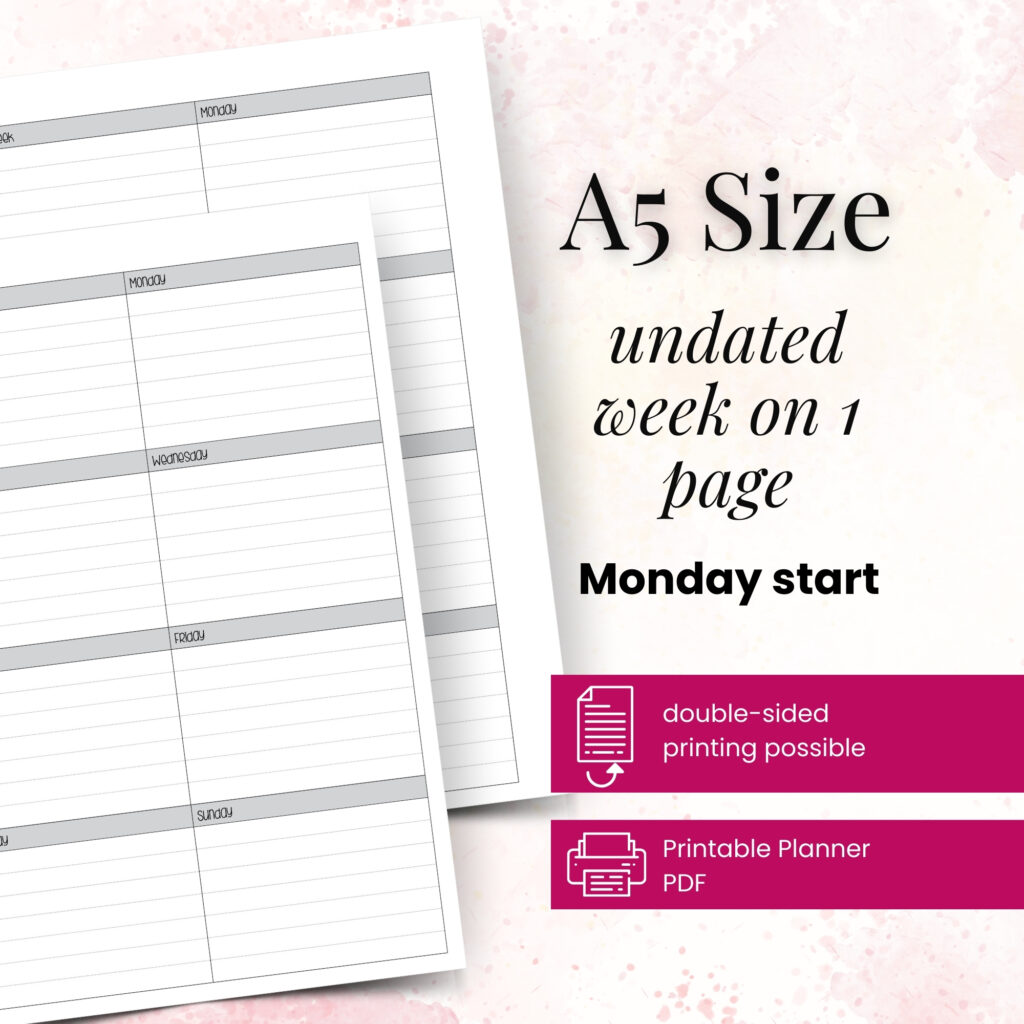
Many routines make more sense across a week. Laundry, meal planning, cleaning zones, errands, family admin, and workout plans rarely need a separate daily page. A weekly insert lets you see the pattern, spread the work, and avoid assigning everything to Saturday.
A vertical weekly layout suits people who like to assign tasks to specific days. A horizontal layout can feel calmer if you prefer a running list beside each day. Dashboard-style weekly pages work especially well for households because they separate appointments from tasks, meals, and notes.
Try giving recurring jobs a realistic home. Plan groceries on the day you normally shop, add a five-minute paperwork check after dinner twice a week, and place a weekly reset on the evening that actually has room for it. A routine only becomes useful when it matches your available time and energy.
Habit trackers for small actions with a bigger purpose
Habit trackers can be wonderfully motivating, but they work best when they stay selective. Tracking water, movement, reading, skincare, sleep, vitamins, journaling, and ten other goals may turn a helpful page into a scoreboard. Pick two to five habits that support the season you are in.
A monthly tracker makes sense for habits you want to repeat most days. A weekly tracker is better for actions that happen a few times each week, such as strength training, meal prep, or calling a family member. Keep the wording specific. “Move” may be too vague, while “20-minute walk” tells you exactly what counts.
Place the tracker where you will see it during your normal planning routine. A gorgeous insert tucked behind several dividers cannot remind you of anything. Many planner users keep a habit page near their weekly spread or pair it with a monthly dashboard.
Build a Routine Section That You Will Actually Use
You do not need an entire binder devoted to routines. Begin with one core insert, then add support pages only when you feel a real gap. A practical starting combination includes a weekly overview, one daily page for busy days, and a habit tracker for your current focus.
Next, create a simple rhythm for checking the section. During a weekly planning session, review appointments, choose household priorities, and mark the habits that matter this week. Each morning, glance at the day’s schedule and identify the next routine anchor. In the evening, check off what happened and move unfinished tasks only if they still deserve space tomorrow.
This check-in matters more than perfect decoration. Stickers, vellum-style pieces, and a coordinated dashboard can make your planner feel personal and inviting, which helps you return to it. Still, every decorative choice should leave the page easy to read. Beauty and function work best as partners.
Give each routine a clear trigger
A routine needs a cue, not just a place on a page. “Plan meals” becomes easier when the cue is “after I check the family calendar on Thursday.” “Take vitamins” sticks better when the cue is “with my first cup of coffee.” Write the trigger beside the task until it feels automatic.
You can use a notes insert as a routine reference page. List your morning sequence, weekly reset steps, or packing checklist once, then keep it behind a dashboard. This approach reduces rewriting while preserving the comfort of checking things off when life gets hectic.
Avoid These Common Routine-Planning Traps
Do not build a routine around an ideal version of your week. If you usually feel tired on Wednesday evenings, that is not the best place for a deep home reset. If weekends fill with family plans, avoid assigning every personal goal to Sunday. Your inserts should reflect your real capacity, not punish you for having a full life.
Another trap is printing too much before you test the layout. Print enough pages for one or two weeks, use them honestly, and notice what you skip. Maybe the hourly column feels essential but the meal section stays blank. Perhaps you need more room for work notes and less room for habits. Printable planning gives you permission to refine without wasting a stack of unused pages.
Finally, do not confuse consistency with perfection. A missed checkmark does not erase the routine. Your planner can show patterns, help you reset, and give you a fresh place to begin tomorrow. Pretty Easy Planning designs its inserts with that everyday reality in mind: real routines need clarity, flexibility, and a little room for life to surprise you.
Choose the page that makes tomorrow feel lighter, print a small batch, and let your routine grow from there. Your successful planning story begins with a single print.