A planner trend only earns a permanent spot in your binder when it makes Tuesday easier. The planner layouts trending now share one useful idea: they give you structure without asking you to squeeze your whole life into someone else’s routine. That matters whether you manage family appointments, client deadlines, health goals, or a busy mix of all three.
The prettiest page can still become clutter if it does not match the way you think. The most useful current layouts balance clear priorities, realistic time, everyday details, and a little room to breathe. Better yet, printable inserts let you test that balance in your own planner size before you commit to a full stack of pages.
Key Takeaways
-
Vertical weekly pages remain popular because they make time visible without losing space for tasks.
-
Dashboard layouts work beautifully for people who want plans, lists, and notes together at a glance.
-
Focused daily pages help during demanding seasons, but they can feel like too much for quiet days.
-
Undated and mix-and-match pages reduce waste and let your planner change with your routine.
-
Choose trends as tools, not rules. Print a small test set, use it for a week, then adjust.
Planner layouts trending now: what people actually use
The layouts getting the most attention are not necessarily new. Planner lovers keep returning to formats that solve familiar problems: too many appointments, scattered lists, forgotten follow-ups, and pages that look full without showing what matters most. The difference now is that many paper planners use a more intentional mix of planning space and flexible blank space.
Vertical weekly layouts make time easier to see
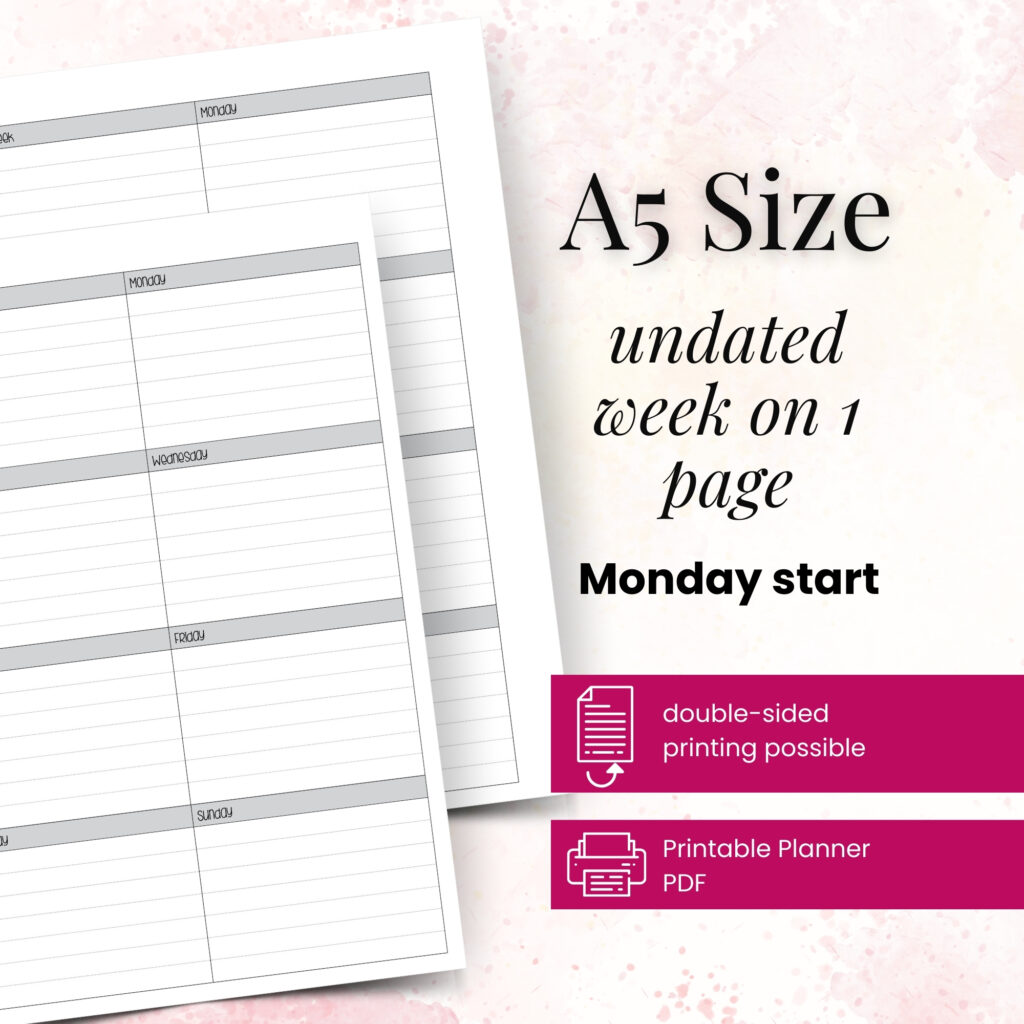
A vertical weekly layout divides each day into columns, often with sections for morning, afternoon, and evening. Some versions use hourly lines, while others leave the sections open for a more relaxed approach. This format gives people a quick visual answer to a big question: when can this actually happen?
Use the top of each daily column for appointments and time-sensitive tasks. Add a short task list below, then reserve the final section for dinner plans, workouts, school details, or a small memory from the day. A working parent might block a 10:00 a.m. meeting, write “order birthday gift” in the task area, and note soccer practice in the evening section without flipping between pages.
This layout shines when your days have a predictable rhythm. It may feel restrictive if your schedule changes constantly or you prefer planning by priority rather than by the clock. In that case, choose an unlined vertical format or pair your weekly spread with a separate running list.
Dashboard weekly pages keep life categories together
Dashboard layouts usually place a weekly overview on one side and several boxes or list sections on the other. Those sections can hold meal ideas, errands, work priorities, habits, notes, or next-week reminders. The format feels especially satisfying for anyone who loves seeing the whole picture before filling in tiny details.
The key to making a dashboard page work is assigning each box one job. For example, use one box for your top three priorities, one for household tasks, one for a shopping list, and one for notes that do not belong on a certain day. Once every space has a purpose, your planner stops becoming a catch-all pile of handwriting.
This trend fits people who plan across several roles. It gives a project manager room for deadlines and personal reminders on the same spread, or gives a household planner a place for meals beside appointments. It offers less room for detailed time blocking, so add a daily page on weeks packed with meetings.
Focused daily pages support full, detailed days
Daily pages have moved away from the idea that every hour needs decoration or a task. The strongest versions make room for appointments, a short priority list, simple routines, notes, and sometimes meals or spending. They help you break a demanding day into manageable pieces instead of carrying every task in your head.
Try a focused daily insert when you have a launch week, travel, exams, a major household project, or a particularly intense work season. Start by writing your one must-do task. Next, add appointments and tasks that truly need a place on that date. Leave the rest on a running list rather than filling every blank simply because it exists.
Daily planning does have a trade-off: using a full page for every day can create more paper than you need. Many planner users solve that problem with undated pages. Print a few at a time and pull one in only when the day deserves that extra attention.
Monthly layouts are becoming more purposeful
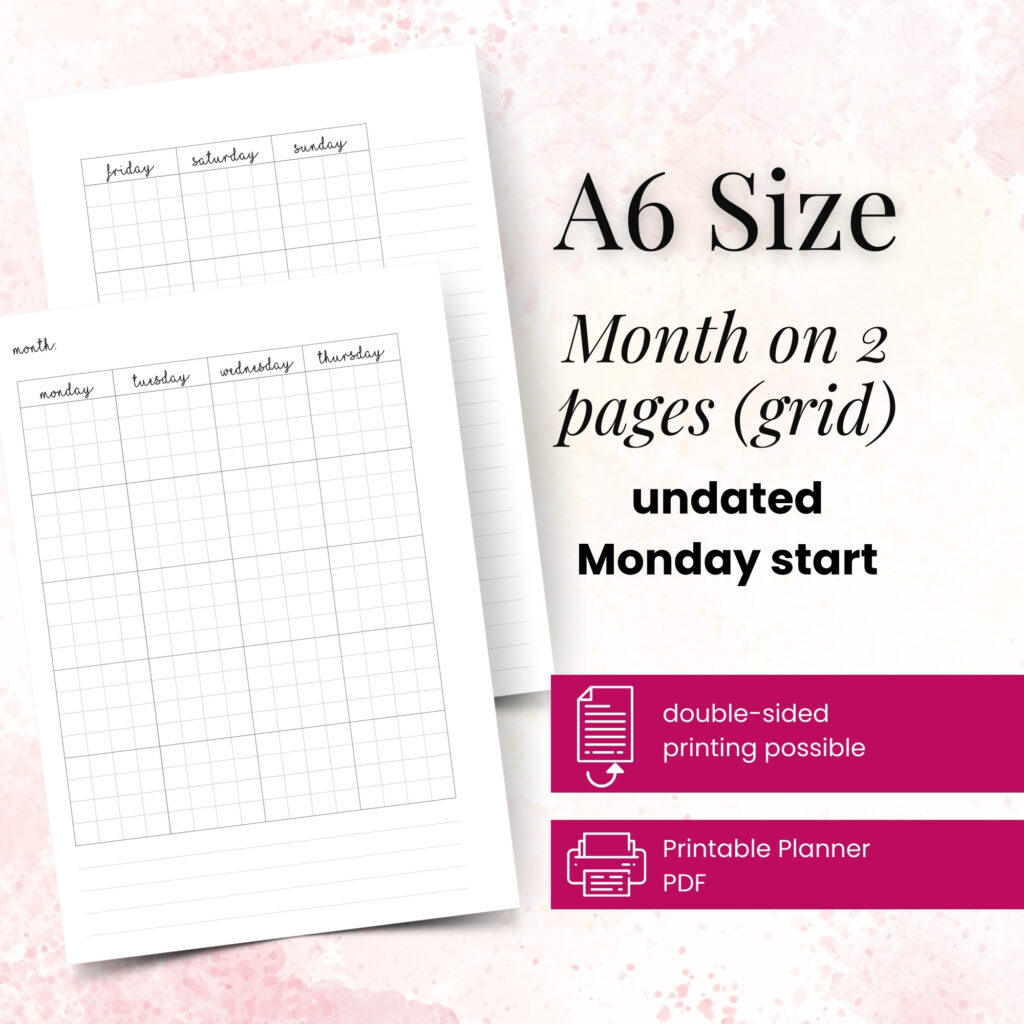
The monthly calendar still anchors a good paper planning system, but people now use it for more than birthdays and appointments. A clean monthly spread works well for deadlines, paydays, travel, recurring events, and an at-a-glance view of busy periods. Its job is perspective, not detailed task management.
Color can help, but keep your system simple. You might mark work deadlines in one color, family events in another, and personal appointments in a third. If you use six colors, you may spend more time choosing pens than planning. A tiny symbol can often do the job just as well.
Consider pairing your monthly pages with a monthly goals or project-planning insert. The calendar shows when things happen; the companion page explains what needs to happen before then. That combination turns an attractive month view into a useful action plan.
The rise of flexible, low-pressure planning
One of the most practical shifts in paper planning is the move toward pages that do not punish you for missing a week. Undated inserts, open note areas, and reusable list pages make it easier to step away and return without seeing a row of unused dates. Life gets busy. Your planner should welcome you back, not make you feel behind.
Running task lists have become especially popular for this reason. Rather than rewriting unfinished tasks every day, keep a dedicated list by category or project. A small section can hold personal tasks, another can hold work follow-ups, and a third can capture errands. During weekly planning, pull only the tasks you can realistically finish into your schedule.
This approach also protects your weekly pages from overload. A weekly spread should show your plan, not every possible thing you could do. When each page has a clear purpose, you can find information faster and enjoy using your planner more.
How to choose a layout without chasing every trend
Start with the friction in your current routine. If appointments surprise you, choose a vertical weekly page with time markers. If you lose track of errands and household details, try a dashboard spread. If one packed day derails the rest of your week, add a focused daily page only for that day.
Then print a short test run in the size you actually carry. A layout that looks spacious in A5 may feel crowded in Personal, while an A6 page may encourage you to keep only essential information. Write on the pages with your usual pen, place them in your rings or discs, and turn the pages as you would during a normal week. Function often reveals itself through those small moments.
After seven days, ask three honest questions: What did I use most? What did I ignore? What did I need but could not find? Your answers will point you toward a better combination than any trend list can provide. You may discover that a monthly calendar, dashboard weekly, and a few undated daily pages create your ideal system.
Build a planner that can change with you
You do not need one layout to handle every season of your life. Keep your core pages consistent enough to feel familiar, then add inserts when your needs shift. A goal tracker may matter in January, a project page may matter during a renovation, and extra daily pages may matter during a demanding month at work.
Pretty Easy Planning designs printable inserts around that kind of real-life flexibility, so you can choose the pages that support your habits and print again when you need them. Match formats, test combinations, and let your planner reflect how you live rather than how a pre-printed book expects you to live.
The best trend to follow is the one that leaves you clearer at the end of the day. Print one page that solves a real problem this week, make it yours with a few honest notes, and let your successful planning story begin with a single print.