
A6 vs Happy Planner: Which Fits Your Life?
A6 vs happy planner: compare size, space, portability, and page options to choose printable inserts that make your everyday planning feel easier with purpose.
You can tell a lot about a planner bundle by what happens on a busy Tuesday. If the pages help you catch appointments, plan dinner, track spending, and reset your week without making your planner feel bulky, that bundle earns its spot. The best printable planner bundles do exactly that. They give you structure where you need it, flexibility where you want it, and enough variety to build a system that actually fits your life.
That matters because a bundle can either simplify planning or quietly create more clutter. Some give you every page under the sun but miss the layouts you will reach for every day. Others keep things focused, which sounds great until you realize you still need to hunt down matching inserts somewhere else. A good bundle feels cohesive, practical, and easy to print again whenever your routine changes.
A printable planner bundle should save you decision fatigue, not add to it. The biggest advantage of buying a bundle instead of separate inserts is cohesion. Your layouts work together, the design stays consistent, and you can build a planner that feels intentional instead of pieced together.
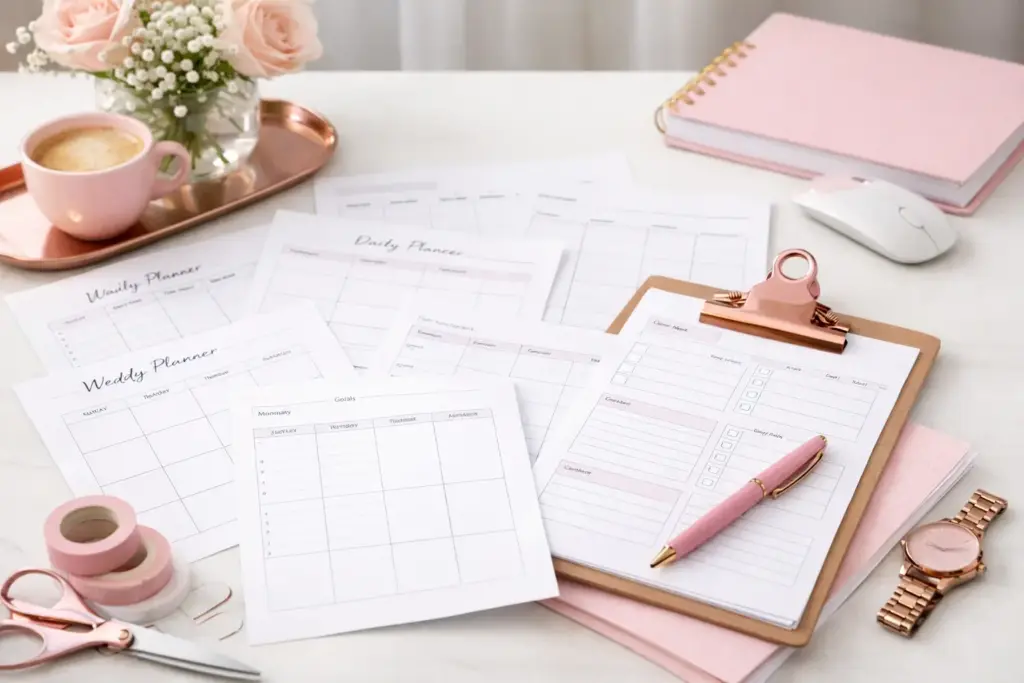
The best bundles usually include a mix of core planning pages and supportive extras. Monthly spreads help you see the big picture. Weekly pages keep your plans moving. Daily inserts give you more detail when life gets crowded. Notes, lists, and dashboards fill the gaps and let you customize the system around your goals, routines, and projects.
That said, the right bundle depends on how you plan. If you manage work deadlines, family logistics, and personal goals in one binder, you probably need a wider mix of inserts. If you prefer a simple weekly rhythm, a huge bundle with specialty trackers and niche pages may feel like too much. More is only better when you will actually use it.
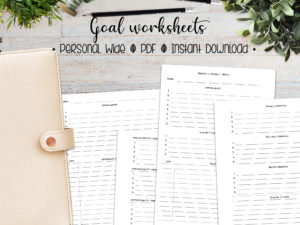
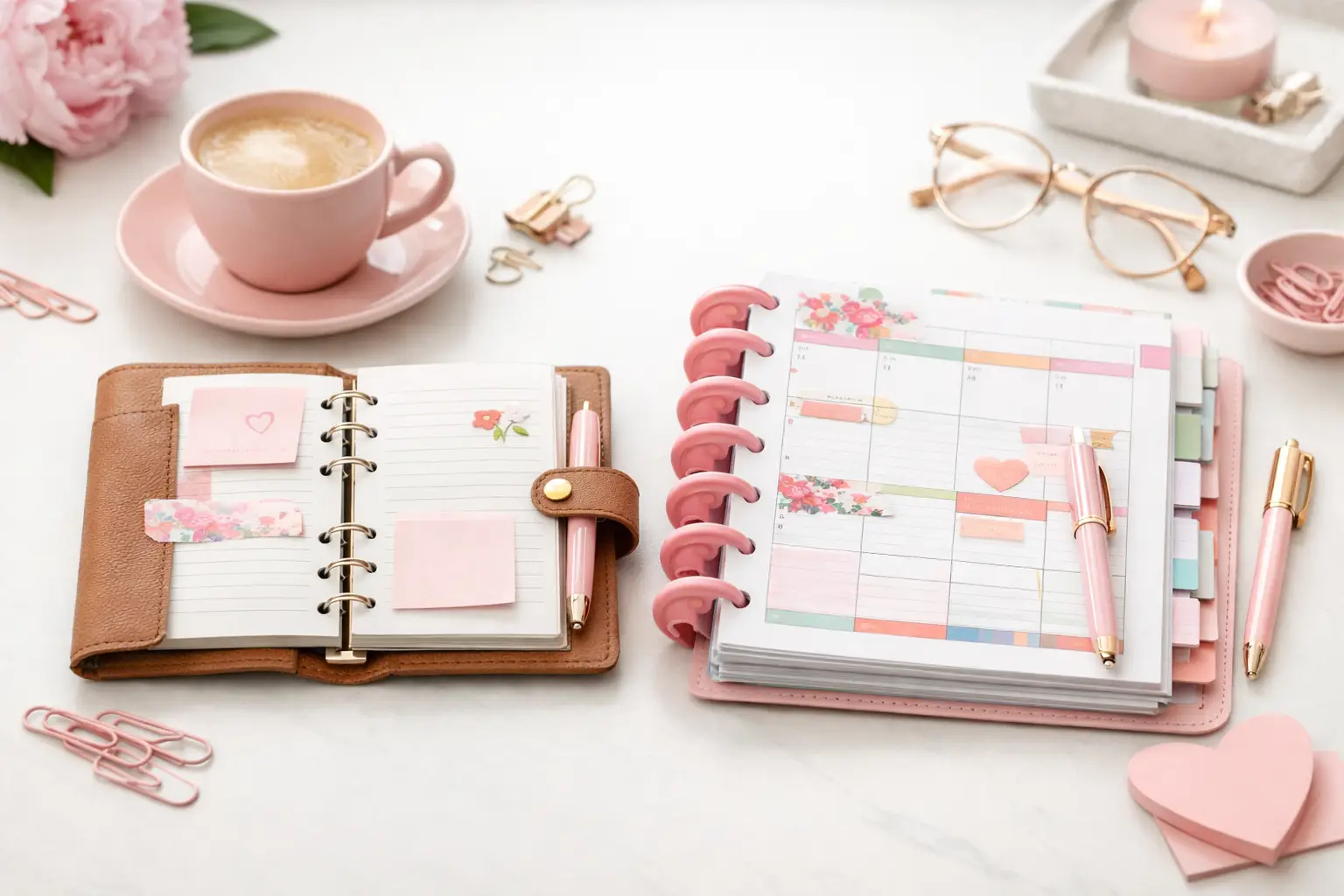
Start with size. This sounds obvious, but it causes more frustration than almost anything else. A beautiful insert is useless if it does not fit your planner properly. Before you buy, make sure the bundle comes in the format you use, whether that is A6, A5, Personal, Personal Wide, or Happy Planner Classic.
Next, think about how much structure you like on the page. Some people want timed daily inserts with clear sections for appointments, tasks, meals, and notes. Others want open space they can shape as needed. If you know pre-printed boxes annoy you, skip layouts that feel too rigid. If blank pages leave you staring at your planner, choose inserts with more guidance.
Then look at your planning rhythm. A bundle built around daily pages works well if every day looks different and you need detail. A weekly-heavy bundle suits people who like to map out the week at a glance. Monthly pages matter almost everyone, but they work best as part of a bigger system rather than the whole system.
The final test is simple. Ask yourself whether you can picture using these pages next week, not in some ideal version of your life. That question cuts through a lot of planner temptation.
When shoppers look for the best printable planner bundles, they often get distracted by novelty pages. A reading log or habit wheel can be fun, but your planner needs a strong core first. For most people, that core starts with monthly, weekly, and notes pages.
Monthly inserts create your planning anchor. They help with appointments, birthdays, bills, deadlines, and events that need a long view. Weekly pages turn those bigger commitments into an actionable plan. Notes pages support everything else, from packing lists to meeting notes to random ideas you do not want floating around loose.
Daily pages become especially useful during busy seasons. If you have a lighter routine, you may not need them every day. That is one of the biggest benefits of printables. You can print daily pages only for work-heavy weeks, travel weeks, or school breaks, then go back to a simpler setup when life calms down.
Dashboards and list inserts also add real value when they support a purpose. A dashboard can hold weekly priorities, reminders, or top goals. Lists can manage errands, household tasks, and shopping plans. These pages may seem basic, but they often become the quiet workhorses of a planner.
A larger bundle makes sense if you want to build one coordinated system from the start. Maybe you are setting up a new planner, changing formats, or reorganizing how you manage work and home. In that case, having matching inserts ready to go can save time and keep you from second-guessing every page choice.
A bigger bundle also works well for people who like to rotate pages seasonally. You might use goal planning inserts in January, detailed daily pages during a hectic spring, and simpler weeklies in summer. With a broad bundle, you already have those options on hand.
Still, not everyone needs a giant insert library. If you know you rely on one weekly layout and a few note pages, a smaller curated bundle may serve you better. You will spend less time sorting, less time printing, and less time wondering whether you should be using something else.
The trade-off comes down to flexibility versus simplicity. Neither choice is wrong. The best fit depends on whether you enjoy customizing your planner often or prefer a stable setup you can repeat month after month.
If your planner handles both personal life and work, look for bundles with monthly calendars, weekly planning pages, task lists, and note inserts. This mix helps you keep meetings, deadlines, errands, and home responsibilities in one place without crowding a single spread.
If you use your planner as a household command center, choose a bundle with plenty of list pages and space for routines. Meal planning pages, shopping lists, and general notes matter more here than highly detailed appointment layouts. You want inserts that support repeated use and easy reprinting.
If your planner leans creative, you may want a bundle that includes decorative extras alongside functional pages. Coordinating vellum-style pieces or dashboards can make your setup feel inspiring without sacrificing usability. Beauty matters in a planner, but it should still help you plan better.
If you are new to printable inserts, start with a bundle that covers the basics well instead of trying every planner page type at once. A monthly layout, one weekly format, notes, and a few lists give you enough room to learn what works without overwhelming your binder.
Think in layers. First, choose the pages you know you need every month. That is usually a monthly calendar, a weekly spread, and notes. Second, add support pages for your current season of life, such as daily inserts for a busy quarter or list pages for household planning. Third, leave the rest unprinted until you are ready to test them.
This approach keeps your planner lighter and helps you avoid the common mistake of printing an entire bundle just because you bought it. Purchased pages do not lose value when you save them for later. In fact, reprinting only the inserts you truly use is one of the smartest parts of a printable system.
It also helps to pay attention to layout design. Clean spacing, readable fonts, and intuitive sections matter more than flashy decoration. Creator-tested pages often feel easier to use because someone has already worked through the small issues that show up in real planning, like cramped writing areas or awkwardly sized boxes.
Brands that specialize in size-specific inserts usually understand these details better than general stationery sellers. Pretty Easy Planning, for example, focuses on printable inserts that combine function, beauty, and format-specific fit, which matters when you want pages that work smoothly in your actual planner.
Print a small trial set first. Try one monthly spread, one week of weekly pages, two or three daily pages, and a few notes or list inserts. Use them in real life for at least a week.
As you use them, notice where you hesitate. Maybe the weekly boxes feel too small for your handwriting. Maybe the daily layout gives you exactly the structure you were missing. Maybe the notes pages become your favorite part of the whole set. These details tell you far more than product photos ever can.
Once you know what works, print with confidence and build from there. Your successful planning story begins with a single print, not a perfectly finished setup on day one.
The best planner bundle is not the one with the most pages or the prettiest mockup. It is the one that makes you want to sit down, turn the page, and plan your real life with a little more clarity and a lot less friction.

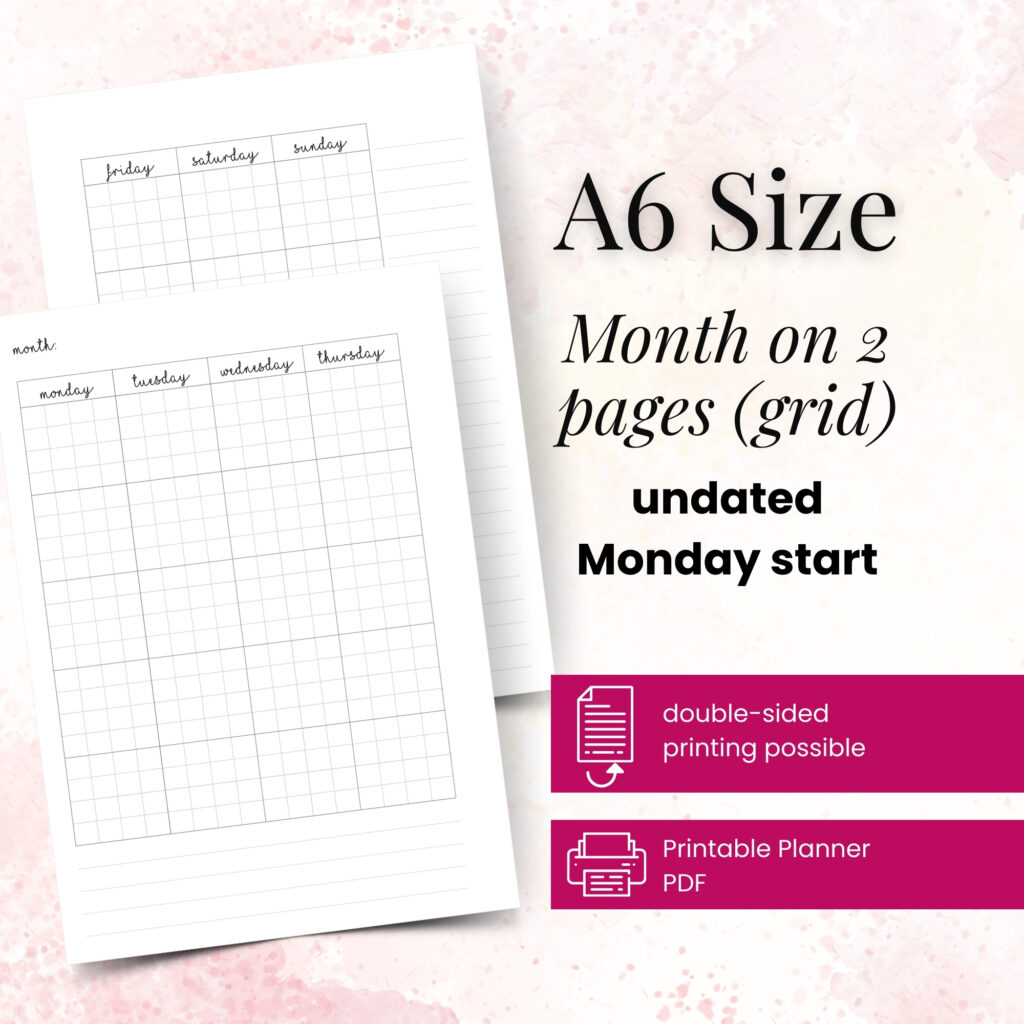
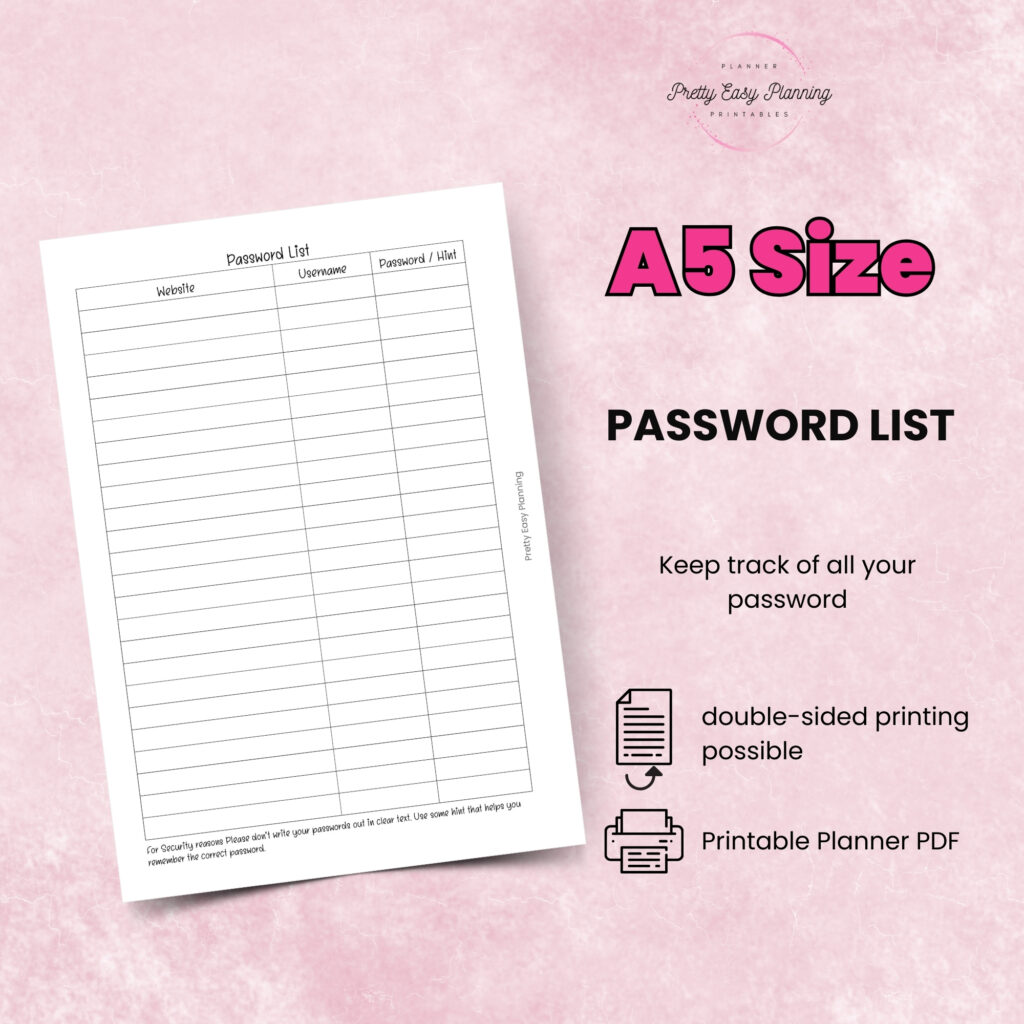
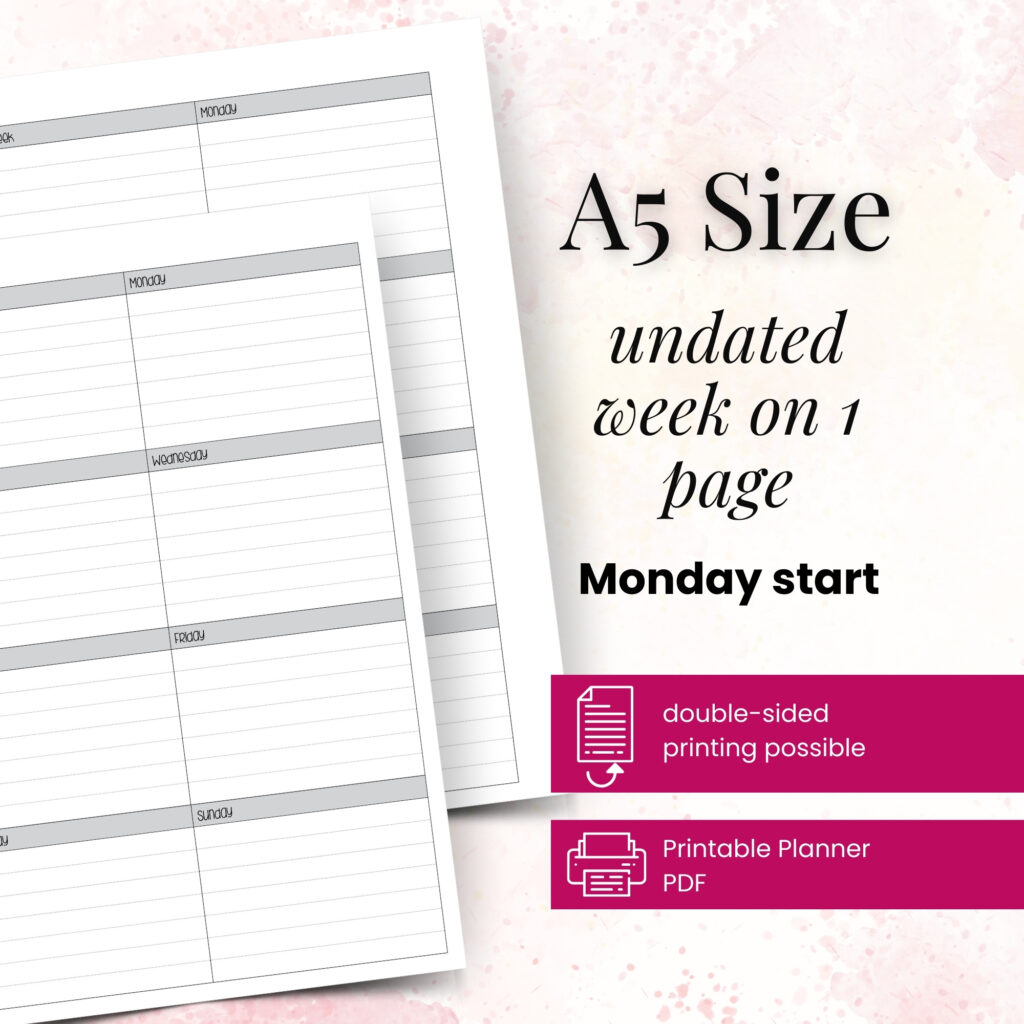
A6 vs happy planner: compare size, space, portability, and page options to choose printable inserts that make your everyday planning feel easier with purpose.
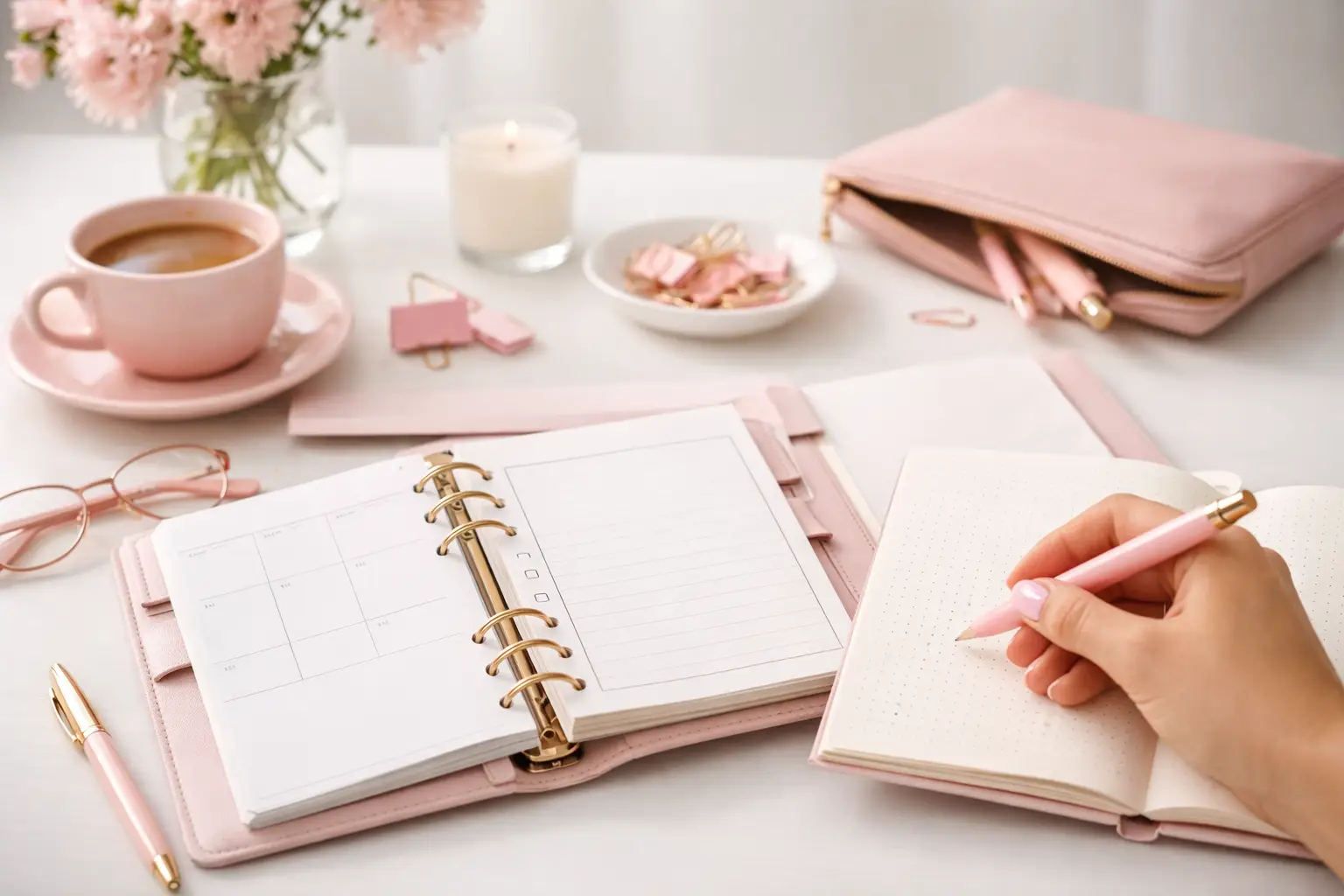
Wondering which planner pages do i need? Build a practical paper planner with only the inserts that support your real routines, goals, and plans daily.
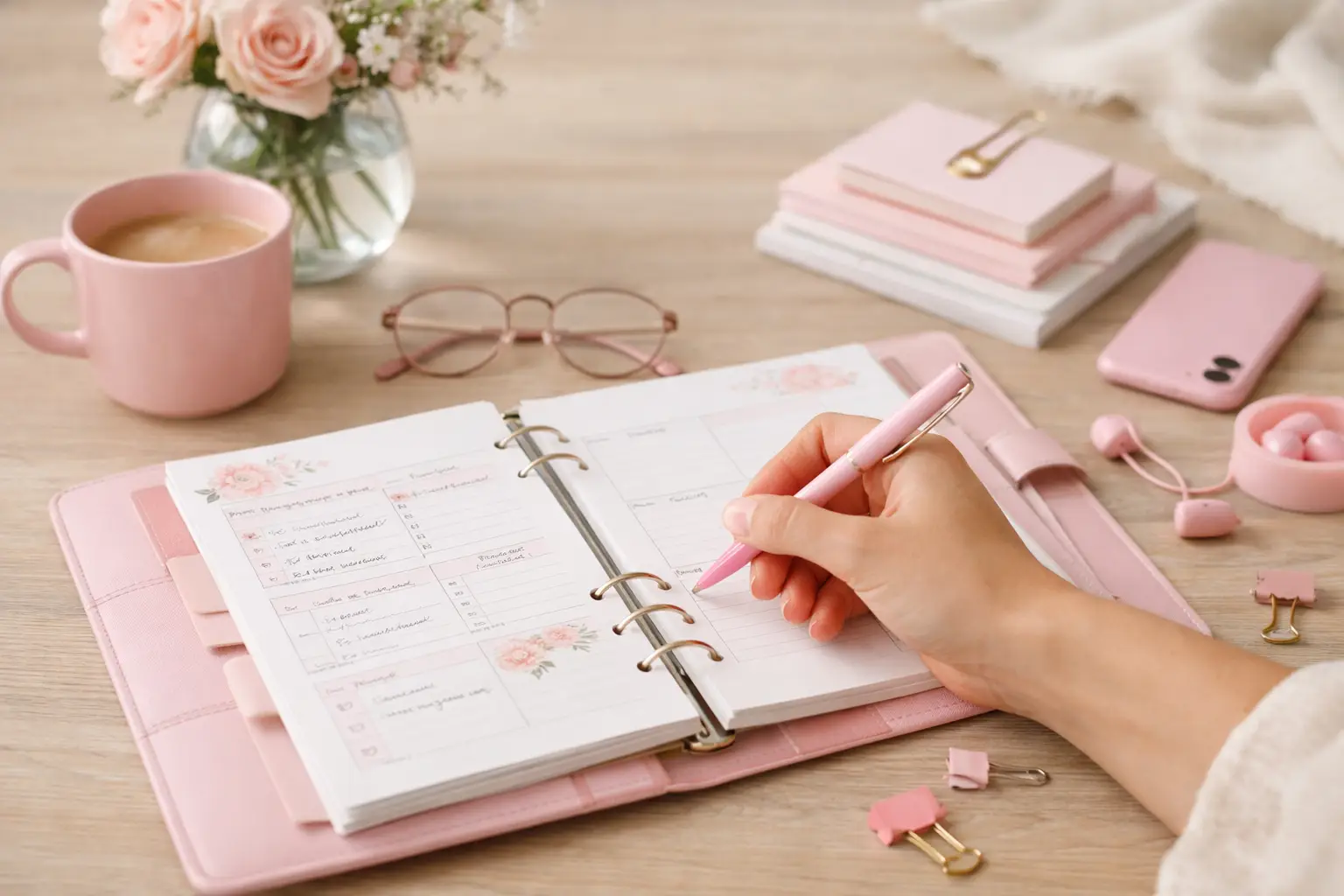
The future of printable planners favors flexible, beautiful systems: print what fits your week, refresh routines, and keep every page useful for life.