You notice it fast when a planner stops fitting your life. Maybe the weekly spread feels too cramped during busy seasons. Maybe half the pages in a bound planner go untouched because your schedule changes month to month. That is usually the moment the planner inserts vs bound planner question becomes real, not theoretical.
If you love paper planning, this choice shapes everything from how often you refresh your setup to how much control you have over your routine. Some people want an all-in-one book they can grab and go. Others want the freedom to build pages around work, home, goals, lists, and the occasional chaotic week that needs extra space.
Key Takeaways
-
Bound planners feel simple and polished, but they lock you into one layout.
-
Planner inserts give you more flexibility, especially if your needs change often.
-
Inserts help reduce page waste because you print and use what you need.
-
Bound planners work well if you want a fixed system with fewer decisions.
-
If you like customizing by size, layout, and planning style, inserts usually win.
Planner inserts vs bound planner: what is the real difference?
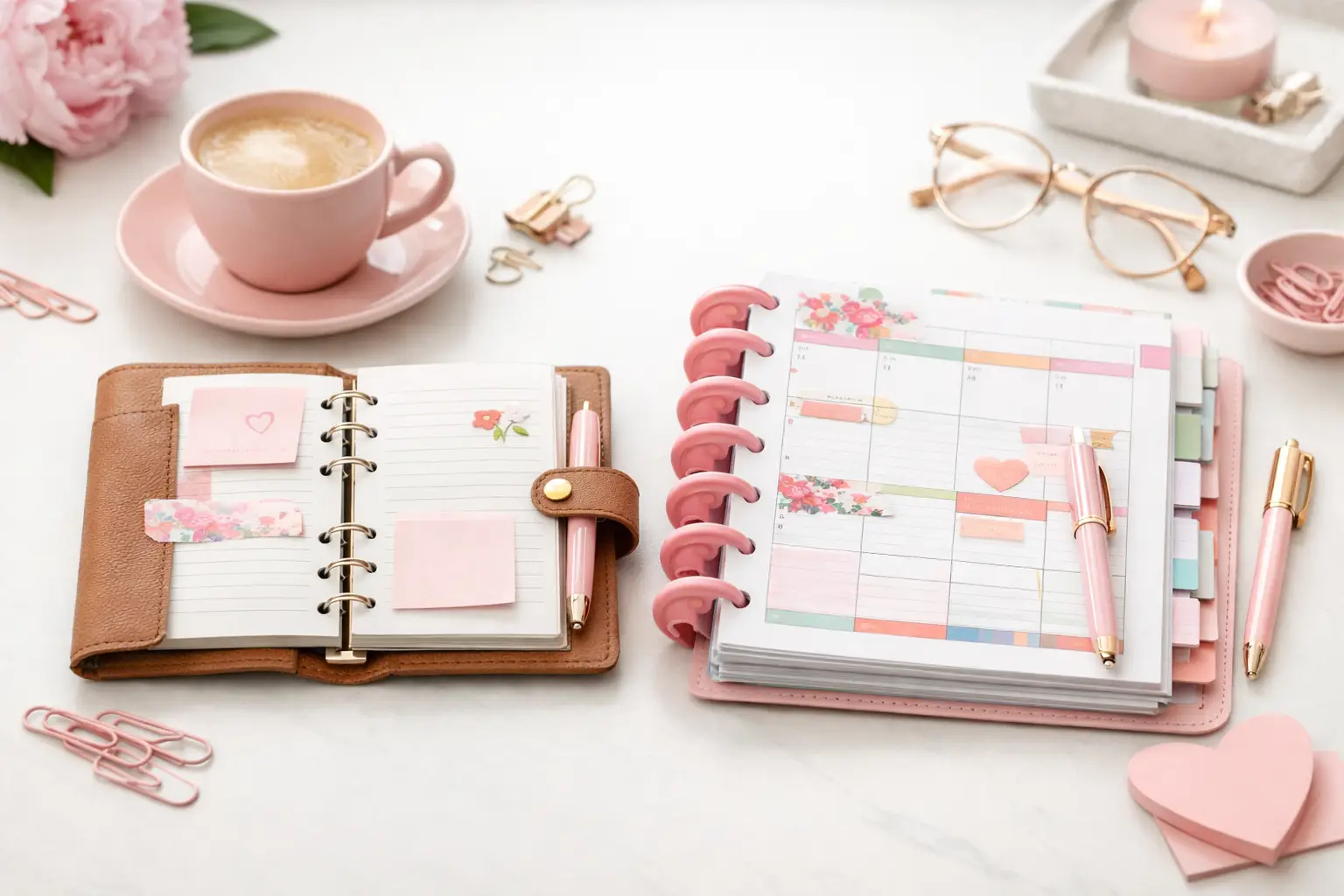
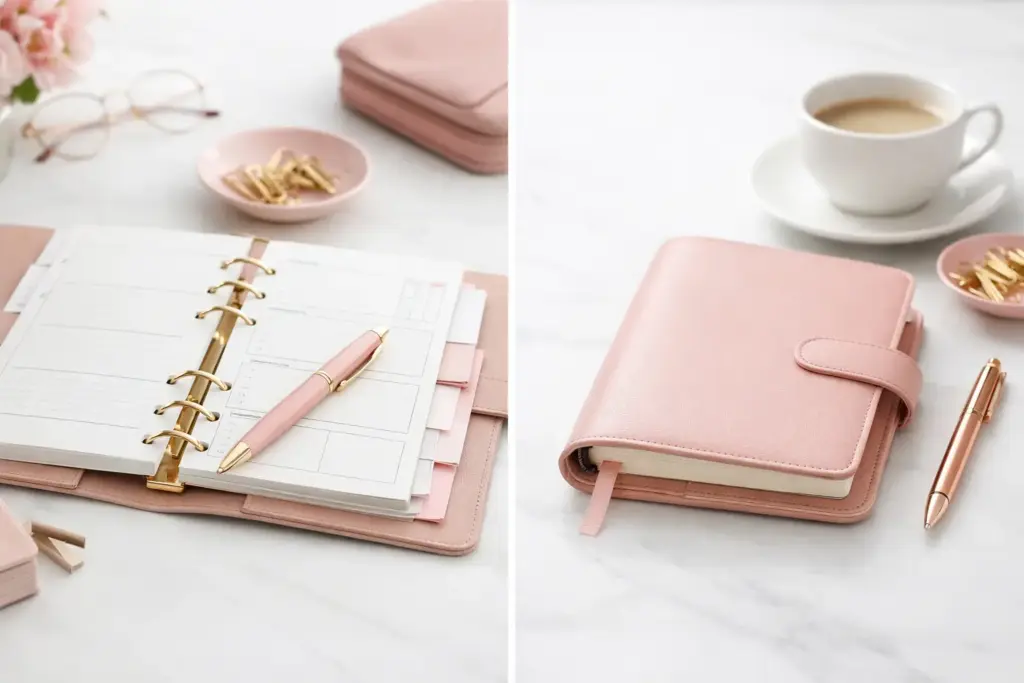
At the most basic level, a bound planner comes pre-assembled. The pages stay in one order, the layout stays the same, and you use what is included. That simplicity appeals to a lot of people because there is no setup beyond opening the cover and writing.
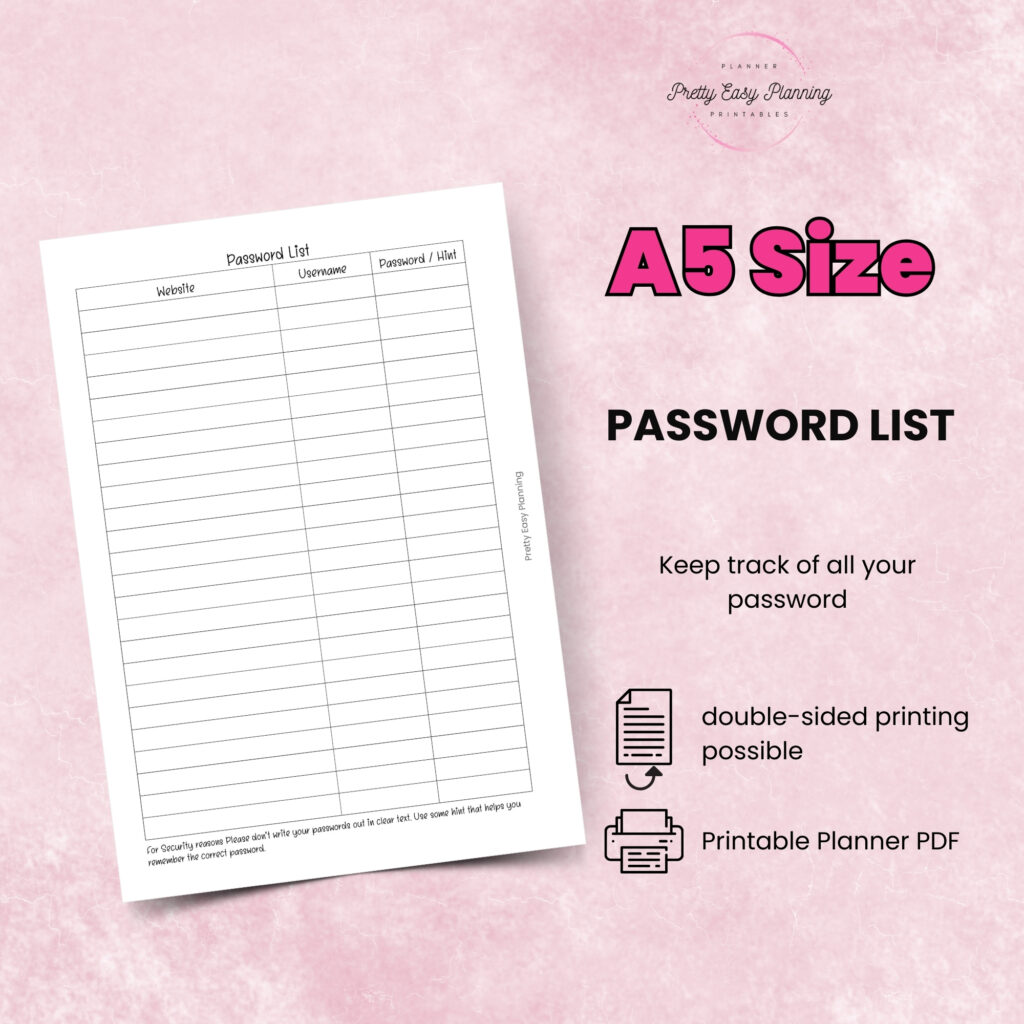
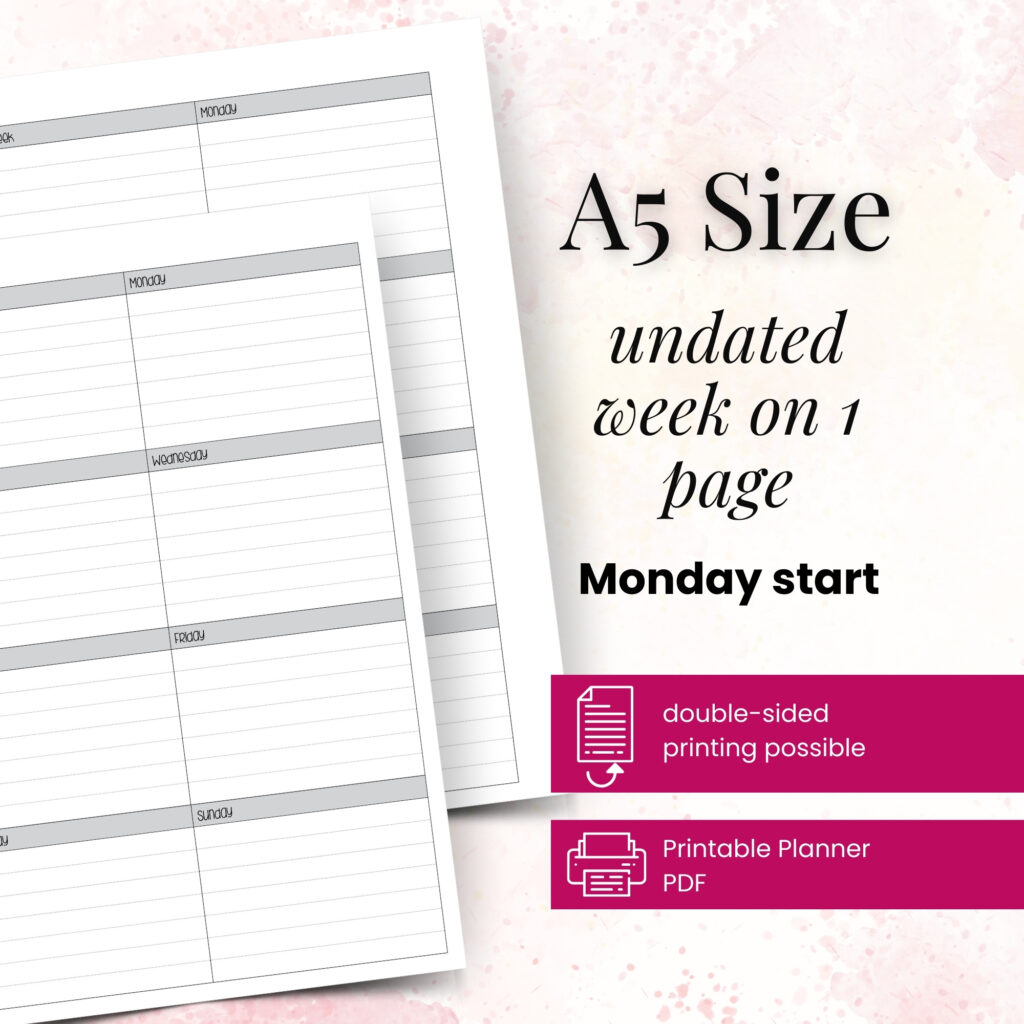
Planner inserts work differently. Instead of one fixed book, you build your planner with separate pages inside a ring or disc system. You choose the formats, page types, and amount of each section. If you want monthly pages followed by meal planning, project lists, habit tracking, and note pages, you can create that combination without settling for filler you will never use.
That difference sounds small, but in daily use it changes a lot. A bound planner asks you to adapt to the planner. Inserts let the planner adapt to you.
When a bound planner makes more sense
A bound planner is not the wrong choice. In fact, it can be exactly right for certain planning personalities.
If you want something clean, consistent, and ready from day one, a bound planner feels easy. You do not need to decide how many weekly pages to include or whether to add a separate section for lists. The structure already exists. That can be helpful if too many options make you stall instead of plan.
Bound planners also work well for people who prefer to keep one finished book per year. There is something satisfying about flipping through a complete planner where every page belongs to the same timeline. If memory-keeping matters to you, a bound format can feel cohesive and neat.
Still, the trade-off shows up quickly. If the weekly layout does not fit your routine, you cannot swap it out. If you need extra note pages for a busy quarter, you cannot easily add them in the right place. Once the planner is printed and bound, the system is set.
Why planner inserts are so appealing
Planner inserts earn their loyal following because they solve everyday planning frustrations. They give you room to adjust your planner instead of forcing yourself into a layout that almost works.
Say your January needs detailed daily planning, but your February only needs weekly overviews. With inserts, you can change the rhythm. If your work schedule gets intense, you can add project pages. If summer gets lighter, you can scale back and keep things simple.
This flexibility matters even more when you know your preferences by size and format. Maybe you want A5 for work planning but Personal for everyday carry. Maybe you like a vertical weekly layout for one season and a dashboard style for another. Inserts let you experiment without committing to an entire bound book that may miss the mark.
For many planner users, that is where the creative corner of planning possibilities opens up. You are not buying a rigid system. You are building one that matches your actual life.
Planner inserts vs bound planner for customization
Customization is where the gap really widens.
With a bound planner, customization usually happens around the edges. You can add sticky notes, tabs, clips, or decorative touches. You might repurpose sections or skip pages. But the core structure stays fixed.
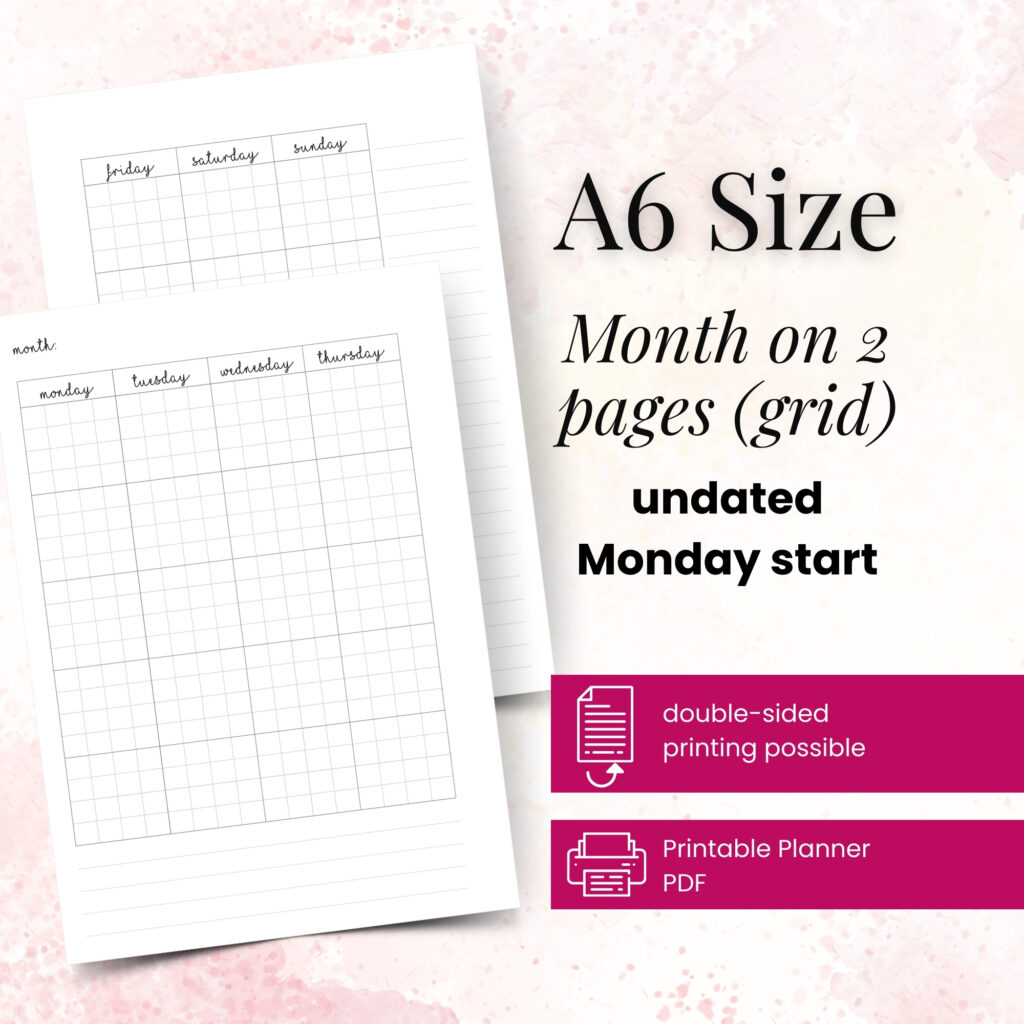
With inserts, customization starts at the foundation. You choose your planner size, your page types, your paper, and the number of copies you need. You can print another weekly set when you run out. You can add a notes section between monthly and weekly pages if that flow makes more sense for your brain. You can remove what no longer serves you.
That kind of control helps when your planner covers more than one role. Many adult women use paper planners for work tasks, appointments, household management, goal tracking, and personal routines all at once. A fixed bound planner can struggle to support all of that unless it happens to match your exact needs. Inserts make it much easier to blend those functions into one organized system.
Cost, waste, and long-term value
At first glance, a bound planner can seem simpler from a cost perspective because it is one finished purchase. But long-term value depends on how much of it you actually use.
A lot of bound planners come with pages that look useful in theory but sit blank in real life. Maybe you never use the reflection pages. Maybe the notes section is too short, but the monthly goals pages go untouched. Those unused pages still take up space and cost money.
Inserts can be more efficient because you print only what you need and reprint favorites when they run low. That means less waste and more relevance. If you love one weekly layout, you can keep using it. If a tracker no longer fits your season, you can leave it out.
This is especially helpful for planner users who care about function as much as style. A beautiful setup feels even better when every section earns its place.
Which option is easier to use every day?
This part depends on your habits.
If you want absolute simplicity, a bound planner often wins. Open it, turn the page, and keep going. There is very little maintenance. For someone who does not want to think about setup, that ease matters.
If you enjoy tweaking your system and want better usability over time, inserts usually become easier. The first setup takes more thought, but the payoff comes later. Your pages work the way you work. You stop wrestling with layouts that feel off. You stop carrying sections you do not need.
A good example is a busy month with extra appointments, deadlines, and family logistics. In a bound planner, you may squeeze everything into margins or scatter notes across random blank spaces. In an insert-based setup, you can add extra planning pages right where you need them. That keeps your planner usable instead of messy.
How to decide between planner inserts and a bound planner
Start with how you actually plan, not how you wish you planned.
If you like structure, avoid changing layouts, and want a finished book that asks very little from you, a bound planner may be the better fit. It gives you a clear lane and keeps decision fatigue low.
If you get frustrated by fixed layouts, change your planning style throughout the year, or want more control over sections and sizes, inserts will probably serve you better. They support growth, experimentation, and practical adjustments.
Here is a simple way to test your answer. Think about the last planner you used. Did you wish it had different weekly pages, more notes, fewer unused sections, or a better size? If yes, you are probably looking for the freedom that inserts provide.
If you are new to building a planner, start small. Choose one size you love, pick the core pages you use every week, and build from there. You do not need a complicated system on day one. Your successful planning story begins with a single print and a layout that truly fits.
The best choice is the one you will keep using
The planner inserts vs bound planner debate does not have one universal winner. A bound planner offers convenience and consistency. Inserts offer flexibility and control. Neither option is automatically better. The better choice is the one that supports your real routines, your preferred planning style, and the way your life changes across the year.
If your planner needs to flex with busy weeks, shifting priorities, and different kinds of planning pages, inserts give you more room to create a system that feels personal and practical. Pretty Easy Planning was built around that idea: planning should fit your life, not the other way around.
Choose the setup that makes you want to open your planner again tomorrow. That is usually the clearest sign you found the right one.