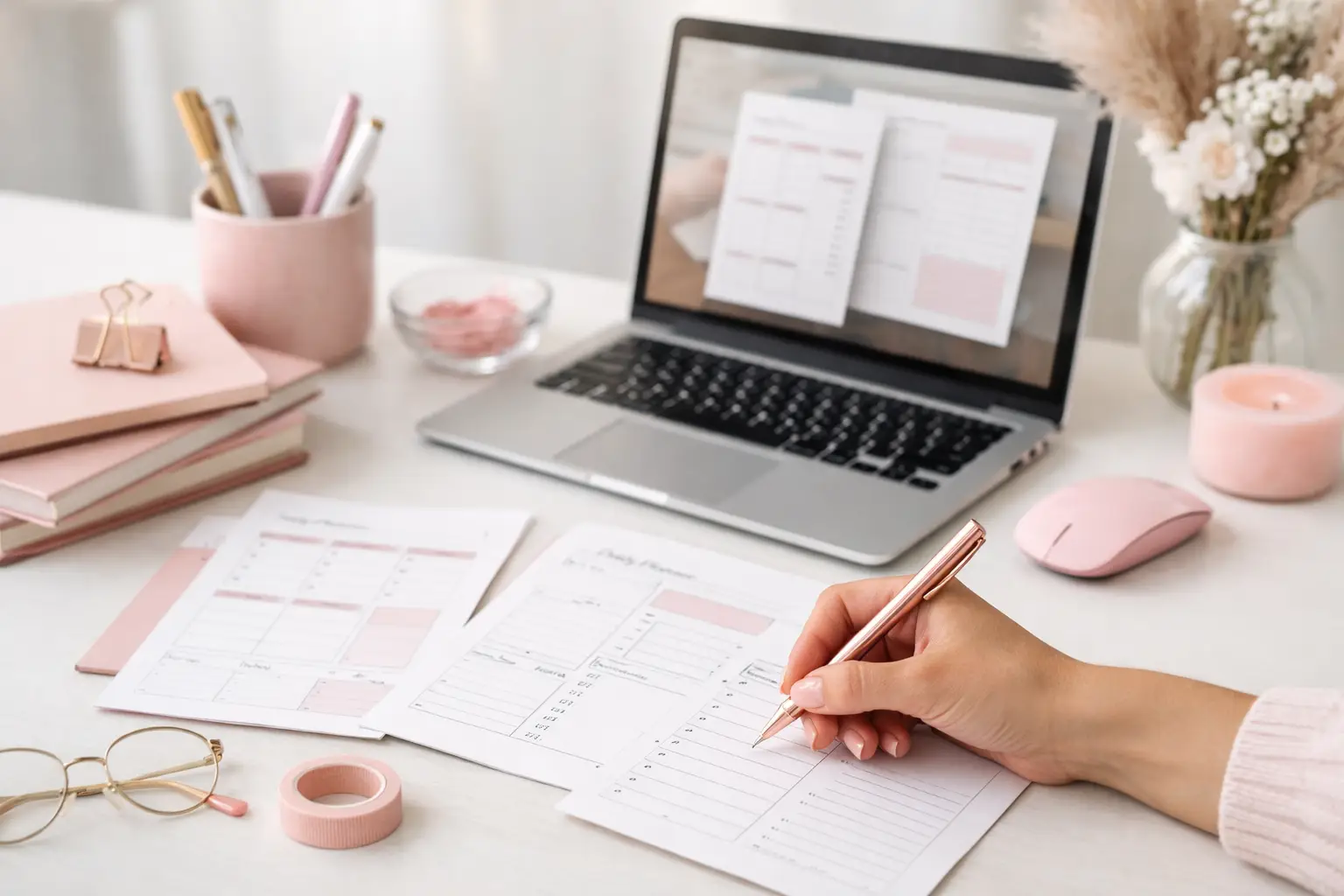
Why Instant Download Planner Pages Work
Instant download planner pages give you fast, flexible planning with layouts you can print by size, routine, and season – without wasted pages.
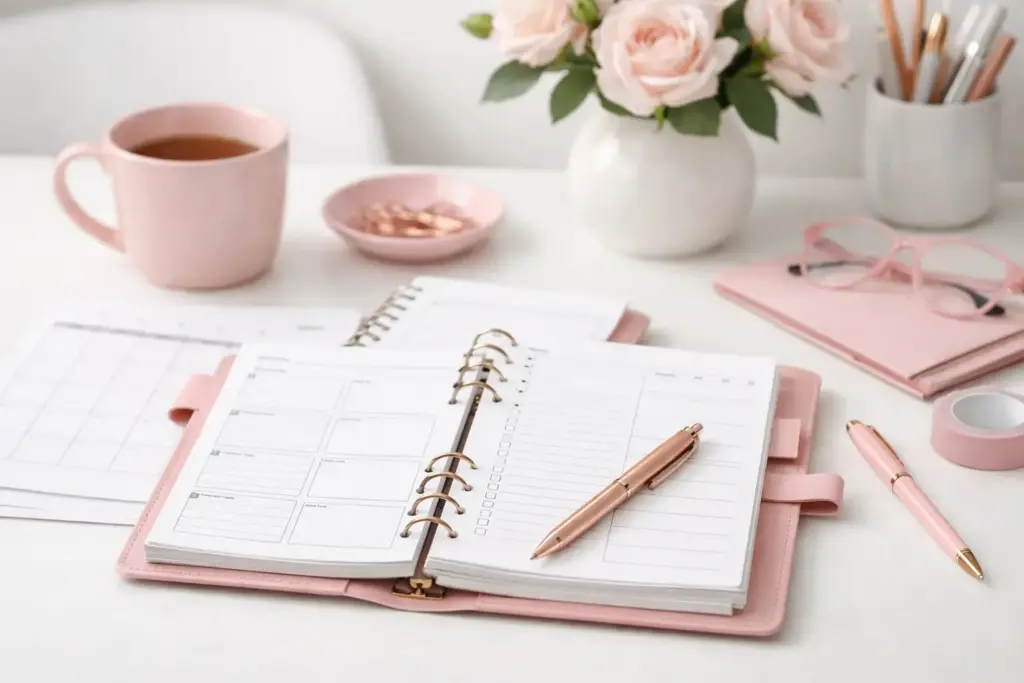
Some planner pages look cute on screen and fall apart the second real life hits them. The daily page has nowhere for appointments. The weekly spread wastes half the sheet. The notes page feels decorative but not useful. If you have been searching for printable planner pages, you probably want more than something to fill a binder. You want pages that help you plan better, print cleanly, and fit the way you actually organize your days.
That is where a little strategy helps. The best printable pages do not just save money. They let you test layouts, try new routines, and build a planner that feels personal instead of boxed in. In this creative corner of planning possibilities, a simple print can show you very quickly what works and what gets in your way.
Paper planners are personal. One person needs structured hourly scheduling for workdays, while another needs meal planning, errands, and family tracking in one place. A store-bought planner often forces you into someone else’s system. Printable pages give you room to adjust.
That flexibility matters even more when you are still figuring out your routine. Maybe you love weekly planning but rarely use daily pages. Maybe you need more lists and fewer goal prompts. Maybe your weekend needs one page and your weekdays need more writing space. A printable setup lets you notice those patterns and respond to them.
Free pages can be especially useful as a starting point. They let you experiment without pressure. You can print a few, test them for a week, and decide what deserves a permanent spot in your planner.
Not every printable page earns space in your planner. Some look polished but feel awkward once you write on them. Others seem plain at first and turn out to be the most functional pages you own.
A useful page starts with clarity. You should know exactly how to use it the moment you see it. If a daily page includes sections for schedule, priorities, tasks, and notes, each section should have enough space to do its job. If a weekly spread includes boxes that are too small for your handwriting, it may not work no matter how pretty it looks.
Good printability matters too. Fine lines, tiny text, and heavy ink coverage can become frustrating fast, especially if you print at home. Clean layouts usually win because they stay readable and use paper and ink more efficiently.
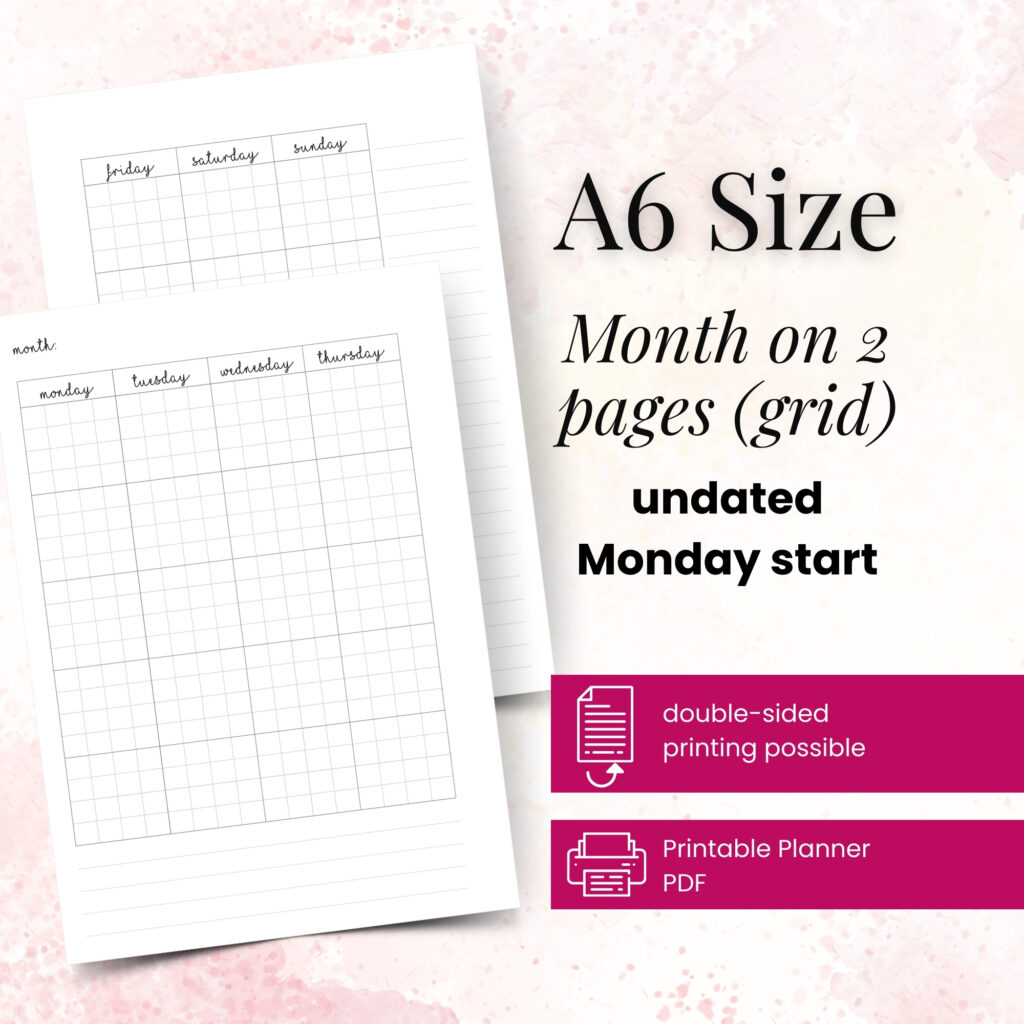
Then there is fit. A page can be beautifully designed and still be wrong for your planner if the sizing feels off. Planner users know this well. A5, A6, Personal, Personal Wide, and Happy Planner Classic all need layouts built with their dimensions in mind. Resizing can work sometimes, but it depends on the design. A page with wide margins may adapt well. A page with tightly placed boxes may not.
If you are testing printable planner pages, start with the pages that affect your planning routine the most. For most people, that means monthly, weekly, and notes pages.
Monthly pages help with the big picture. They are great for appointments, deadlines, birthdays, and recurring events. If your life feels busy in a broad, overlapping way, a monthly calendar gives you a quick visual anchor.
Weekly pages help with follow-through. This is often the core of a working planner because it bridges planning and action. You can map out meetings, task groups, home routines, and to-dos without flipping between too many sections.
Notes and lists pages are the quiet heroes. They catch all the extra pieces that do not belong on a calendar, like shopping lists, project steps, packing notes, brain dumps, or ideas you do not want to lose. If your planner always feels crowded, adding more note space often fixes the problem.
Daily pages make sense if your schedule changes often or you manage a lot each day. They are excellent for detailed planning, but they do use more paper. That is one of those it depends situations. If daily pages keep you focused, the extra printing is worth it. If they become another set of blank pages, weekly layouts may serve you better.
The easiest mistake is choosing a page because it looks good instead of because it fits your habits. Planner style matters, of course. Most of us want pages that feel inviting. But the layout needs to support your real life.
If you keep long task lists, choose pages with generous writing space. If your days revolve around timed appointments, look for hourly or vertical structure. If you mostly plan home life, you might prefer sections for meals, chores, errands, and family reminders. If you use your planner for both work and personal life, clean categories can keep everything readable.
Your writing style matters too. People with larger handwriting usually need less decoration and more open space. People who use stickers or color coding may want a layout that leaves room for that. A page that looks empty to one planner user may feel perfectly balanced to another.
This is why test printing helps so much. One week with a layout tells you more than ten minutes of scrolling.
Free pages are useful, but they do have limits. Some are simple samples meant to help you try a style. Others are older designs, single sheets, or basic formats without many options. That does not make them bad. It just means they often work best as a test run rather than a complete long-term system.
Paid pages usually offer more refinement. You often get cleaner formatting, better alignment, more size choices, and coordinating pages that help your planner feel cohesive. That matters once you know what you like. A well-tested insert can save time, reduce printing frustration, and help you stay consistent.
The sweet spot for many planner users is to start with a few free pages, learn what feels natural, and then build from there. That approach keeps your planner flexible and prevents the common mistake of collecting pages that never quite fit.
Even the best layout can disappoint if you print it poorly. Start by checking the page size before you print. That sounds obvious, but it saves a lot of frustration. Print settings can shrink a page, shift margins, or crop boxes if you are not careful.
Paper choice changes the experience too. Standard printer paper works fine for testing. If you plan to use a page every week, though, you may prefer a slightly heavier paper that handles pens better and feels nicer in hand. The right paper can make your planner feel more polished without adding much effort.
It also helps to print in small batches. Instead of printing three months of a layout at once, print one or two weeks and see how it goes. That way you can make changes before you commit. One of the best parts of printable planning is that you are not stuck with a decision just because you already bought a full planner book.
A good planner setup does not need to be complicated. It just needs to reflect how you think and what you need to track. That might mean a monthly calendar, a weekly spread, a few task lists, and some extra notes pages. Or it might mean detailed daily pages, dashboards, and project planning sheets. There is no prize for using more pages than you need.
The most satisfying planners usually grow over time. You print a layout, use it, notice what works, and adjust. That process is part of the fun. It turns planning into something active and creative instead of something fixed.
At Pretty Easy Planning, that idea sits at the heart of every well-designed insert. You should be able to choose your pages, print what you need, and shape a planner around your life rather than the other way around.
If you are starting with printable planner pages free, treat them as a first step, not the whole answer. Let them show you what supports your routine, what feels easy to use, and what deserves a place in your planner long term.
Your successful planning story begins with a single print, and sometimes the smartest next step is simply trying the page that makes your day feel easier.

€4,24
€4,24
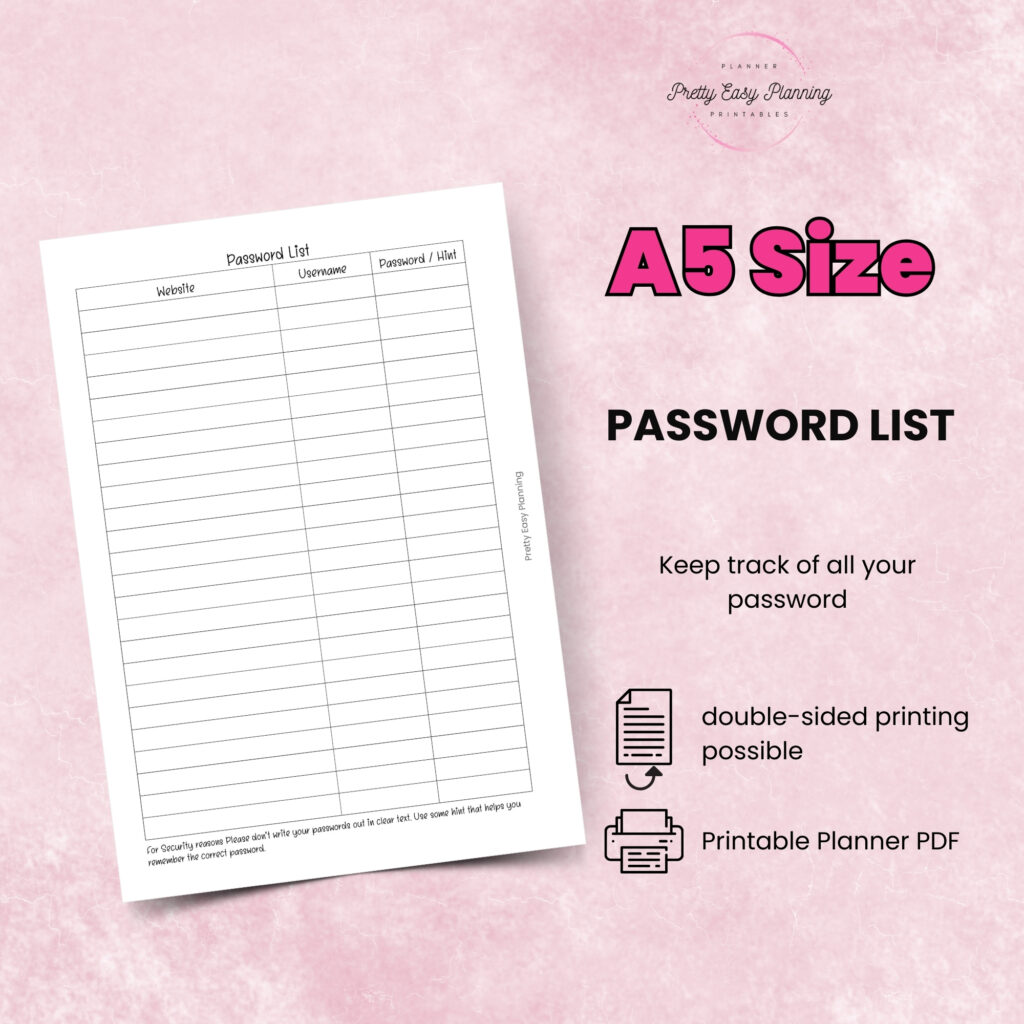
€4,24
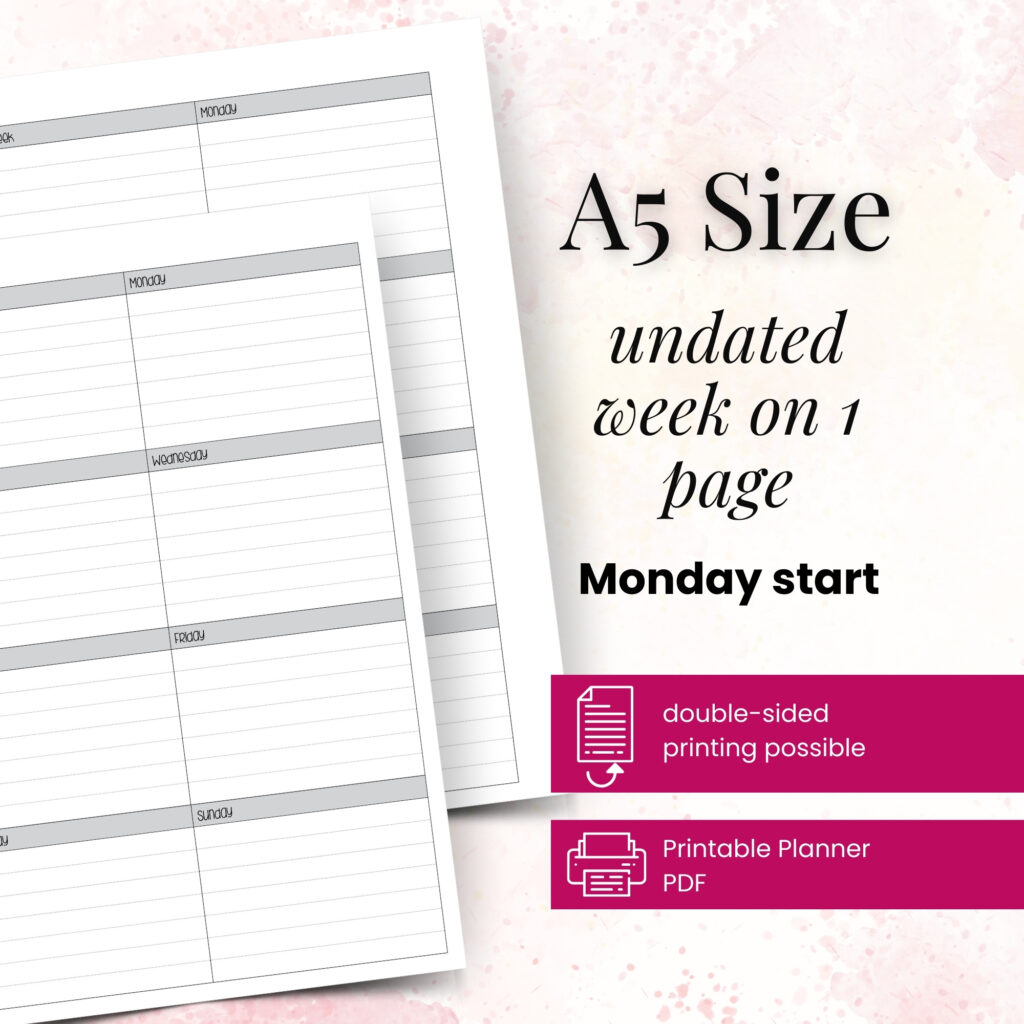
€4,24
Instant download planner pages give you fast, flexible planning with layouts you can print by size, routine, and season – without wasted pages.
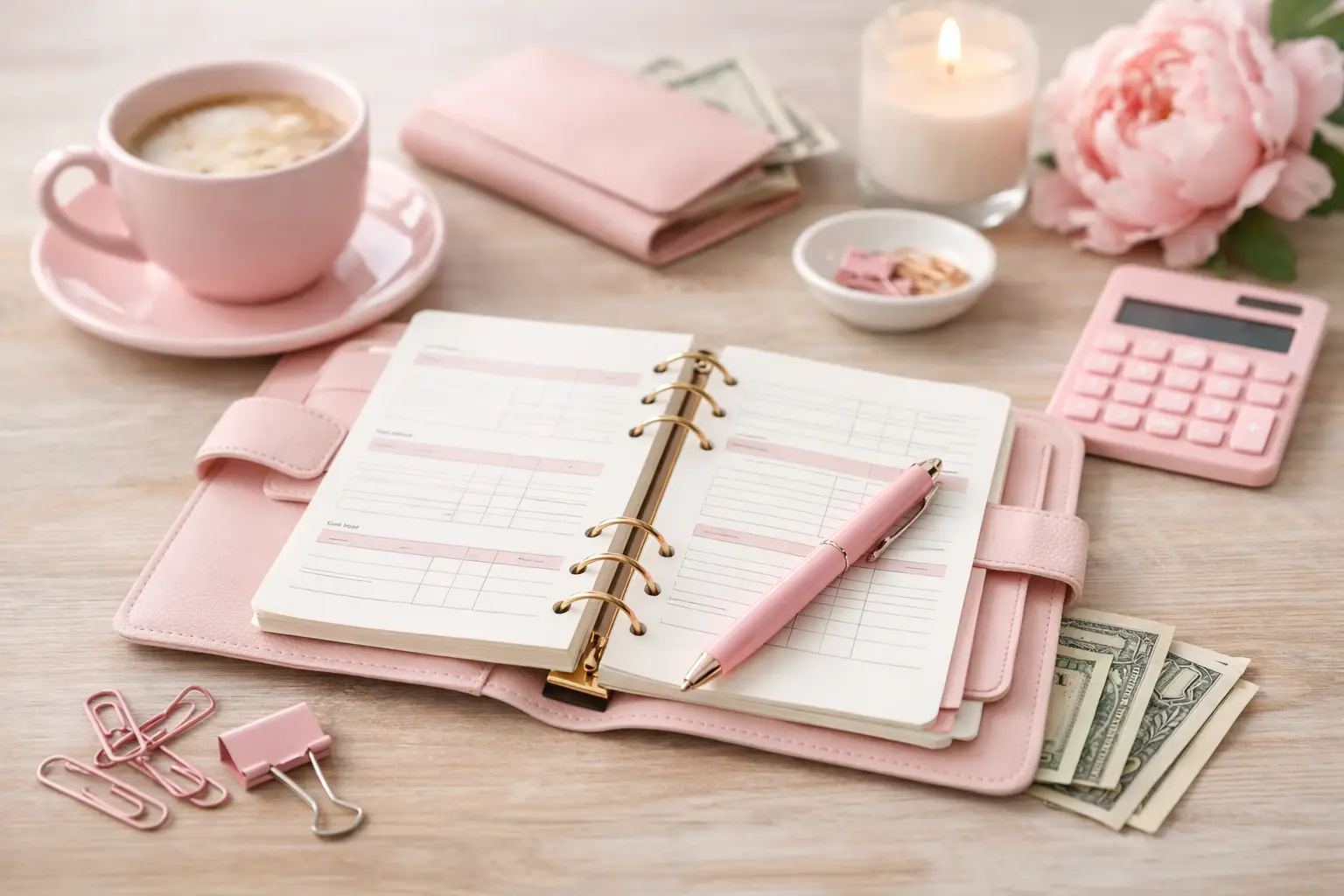
Find the best planner pages for budgeting, from monthly bills to sinking funds, and build a paper system that fits your spending habits.
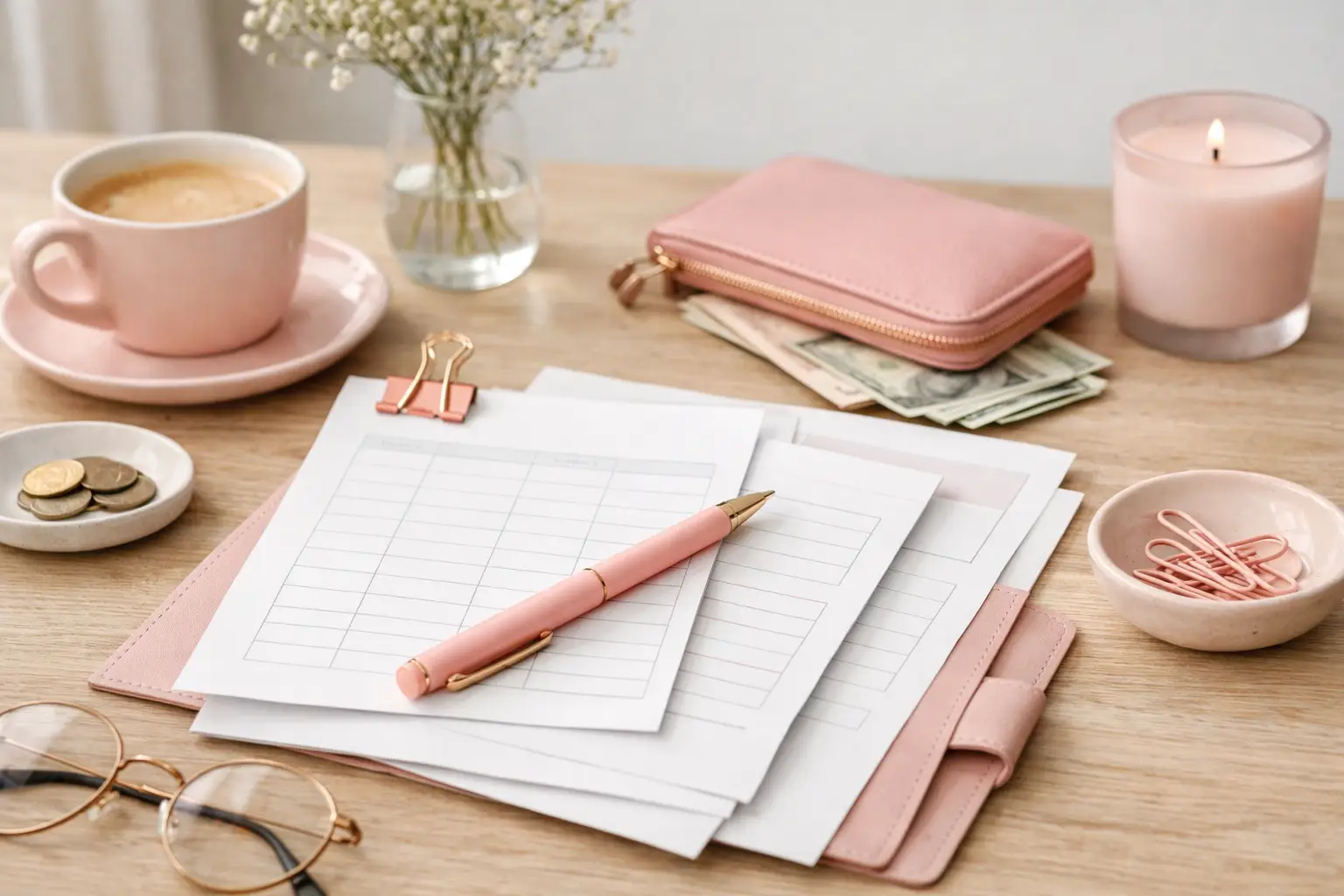
Minimalist budget planner pages help you track spending, plan bills, and stay consistent with a cleaner layout that fits your planner and routine.