A6 vs Happy Planner: Which Fits Your Life?
A6 vs happy planner: compare size, space, portability, and page options to choose printable inserts that make your everyday planning feel easier with purpose.
A planner can have the prettiest cover, the most satisfying paper, and a layout you adore, yet still end up untouched in a drawer. Usually, the problem is not your planning habit. It is the size. Knowing how to choose planner size starts with an honest look at where you plan, how much you write, and what you need to carry with you.
Your planner should support your real life, not an imaginary version of it. A small planner that goes everywhere may serve you better than a large one that stays on your desk. On the other hand, if your days include appointments, projects, meal plans, and family details, a little more room can make planning feel calmer instead of cramped.
Before comparing dimensions, picture a normal Tuesday. Where do you open your planner first? At your kitchen table with coffee, at a work desk, in the car before an appointment, or while waiting in the school pickup line? That answer gives you a much better starting point than a photo of a beautifully decorated spread.
If you need your planner in your handbag every day, weight and footprint matter. You may love roomy weekly pages, but you will not use them consistently if the planner feels too heavy to carry. A6 and Personal often work beautifully for appointments, task lists, routines, and quick notes on the go.
If your planner stays near your desk, consider how much information competes for space. Work deadlines, household tasks, fitness tracking, meal planning, and personal goals can fill a compact page quickly. An A5 or Happy Planner Classic gives you breathing room for detailed plans, longer notes, and creative touches without forcing microscopic handwriting.
There is no universally best size. The best size is the one you will reach for when life gets busy.
Most planner-size decisions come down to one trade-off: portability versus writing room. Smaller pages feel easy to carry and quick to fill. Larger pages let you see more, write more, and build a fuller planning system in one place.
A compact planner makes sense when you want a focused command center. You can track your schedule, top priorities, errands, and a short list of reminders without bringing every part of your life with you. This approach works especially well if you keep project notes or household reference pages elsewhere.
A larger planner works well when you prefer one home for everything. It can hold detailed daily plans, meeting notes, lists, trackers, and dashboards comfortably. The trade-off is obvious: it takes up more room in a bag and can become heavy once you add dividers, decorative pages, and a full month of inserts.
Ask yourself one useful question: do I need to carry my planner, or do I need to work in it? Your answer may change by season or by role. A busy travel period can call for Personal or A6, while a home-based work season may make A5 feel like the clear winner.
Dimensions vary slightly by manufacturer and binding style, so always check the insert measurements for your specific planner. Still, these common formats offer a helpful guide.
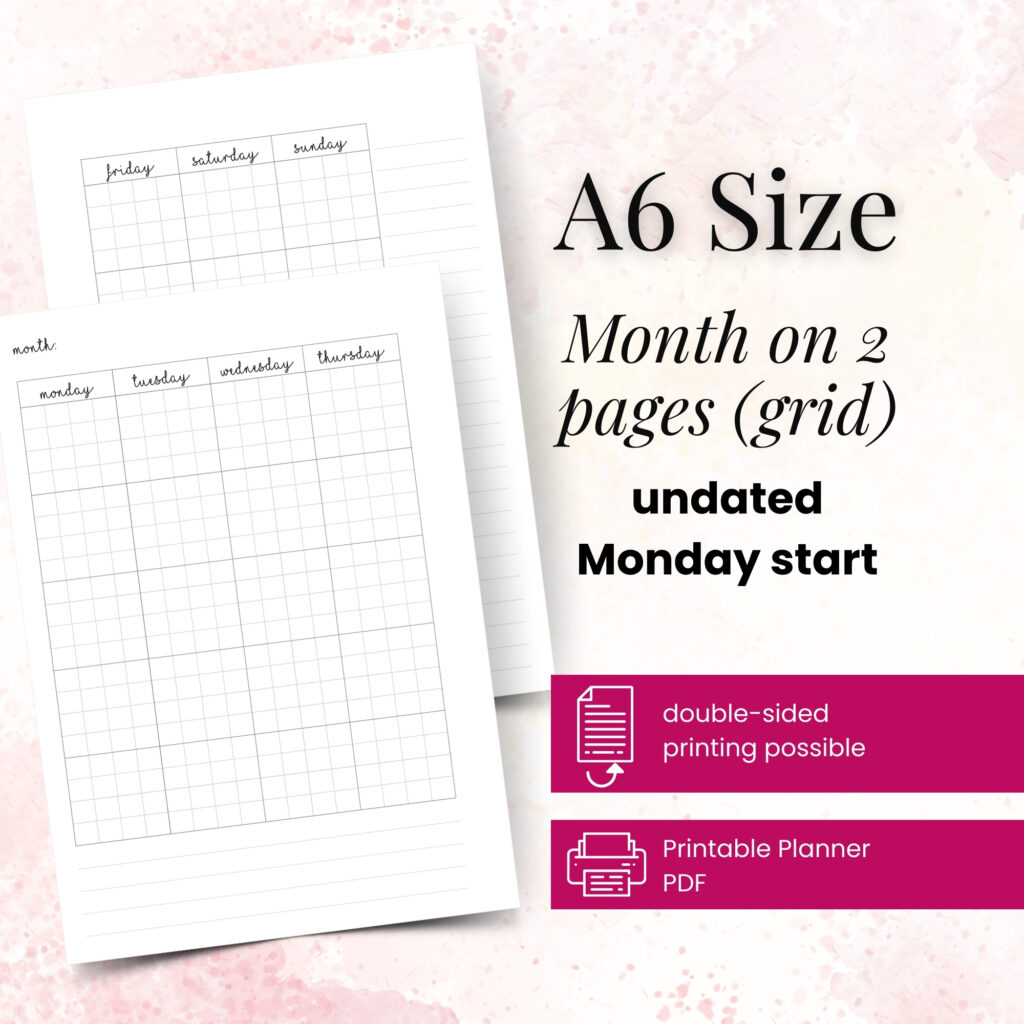
A6 measures about 4.1 by 5.8 inches. It fits easily into many purses and makes a lovely everyday companion for a simple schedule, task list, habit tracker, or journal-style planning. Choose A6 if portability keeps you consistent and you enjoy a concise plan.
The limitation is writing space. If you regularly make long lists, write large, or need full notes during meetings, A6 can feel restrictive. It shines when you keep your pages intentional rather than crowded.
Personal inserts measure roughly 3.7 by 6.7 inches. The narrow shape works well for timed schedules, vertical lists, and compact weekly planning. Many paper planners love Personal because it offers a familiar ring-bound feel while staying light enough for daily carry.
Personal can challenge wide handwriting and detailed layouts. If you often split a page into several categories, a Personal Wide format may give you a more comfortable middle ground.
Personal Wide keeps a similar height to Personal but adds useful width. That extra space can make a surprising difference for daily pages, task lists, and notes. It is a strong choice for someone who loves the portability of Personal but keeps running into cramped columns.
Because Personal Wide is less common than standard Personal, pay close attention to your cover and insert compatibility. Once you find the right fit, it creates a flexible creative corner of planning possibilities.
A5 measures about 5.8 by 8.3 inches. It is large enough for busy weekly spreads, project planning, journaling, and substantial notes, but it still feels more portable than a full letter-size notebook. For many people, A5 hits the sweet spot between usable space and everyday practicality.
Choose A5 if you want to see your week clearly and write without shrinking your handwriting. Keep in mind that an A5 ring planner can become bulky quickly, especially with thick paper, dashboards, and several months of inserts.
Happy Planner Classic pages measure about 7 by 9.25 inches. This size offers generous space for visual weekly planning, larger handwriting, memory keeping, and detailed household or work systems. Its disc-bound format also makes it easy to move pages around as your needs change.
The larger page is wonderful at a desk or kitchen counter, but it may not suit a small handbag. If you want a planner that acts as a home base rather than an everywhere companion, Classic can feel wonderfully spacious.
Planner size and layout work together. A weekly overview with short appointments may fit beautifully in Personal, while a daily schedule with time blocks, priorities, meals, and notes may need A5 or Happy Planner Classic. Do not judge a format only by the outer dimensions. Look at how the actual page supports your handwriting and planning style.
For example, someone who manages a simple work calendar might thrive with a compact weekly insert plus a notes page. A parent coordinating school events, groceries, appointments, and personal goals may prefer a larger weekly layout with separate sections. Neither approach is more organized. They simply require different amounts of visual space.
Also consider what you want to add between your planning pages. Lists, monthly calendars, notes, trackers, and dashboards all take up room. Printable inserts make this easier because you can build a system around the pages you truly use, then print more when those pages earn their place.
The easiest way to avoid a costly size regret is to test your setup first. Print one weekly page, one daily page, and one notes page at actual size. Punch or trim them if needed, place them in your planner, and use them for several ordinary days.
Pay attention to the small frustrations. Does your pen feel cramped near the rings? Can you see your whole week quickly? Does the planner fit in the bag you carry most often? Are you avoiding certain pages because they feel too small or too open? These details tell you more than any product photo can.
Test with your usual pen as well. Paper weight, print margins, and your favorite writing tool affect how a page feels. A layout that looks spacious on a screen may feel very different once you add your real appointments and handwriting.
A planner is always larger than its insert size. Rings, discs, covers, page protectors, tabs, pockets, and decorative pieces add width and weight. An A5 planner with a thick cover and many inserts may feel more like a small book, while a slim Personal setup can disappear into a tote bag.
You can control bulk without giving up your favorite size. Keep only the current month or quarter in your planner, archive older pages, and use a few purposeful dashboards instead of filling every section at once. Pretty Easy Planning inserts give you the freedom to print the pages you need, so your system can stay as lean or as full as your routine requires.
Choosing a size does not lock you into one planning identity forever. A new job, a move, a school year, or a growing family can change what you need from the page. Many experienced planners keep a compact format for everyday carry and a larger format for home, work, or creative projects.
Start with the size that makes planning feel easy this week. Print a few pages, write in them honestly, and notice what helps you show up. Your successful planning story begins with a single print and a planner that leaves room for your real life.

€4,24
€4,24
€4,24
€4,24
A6 vs happy planner: compare size, space, portability, and page options to choose printable inserts that make your everyday planning feel easier with purpose.
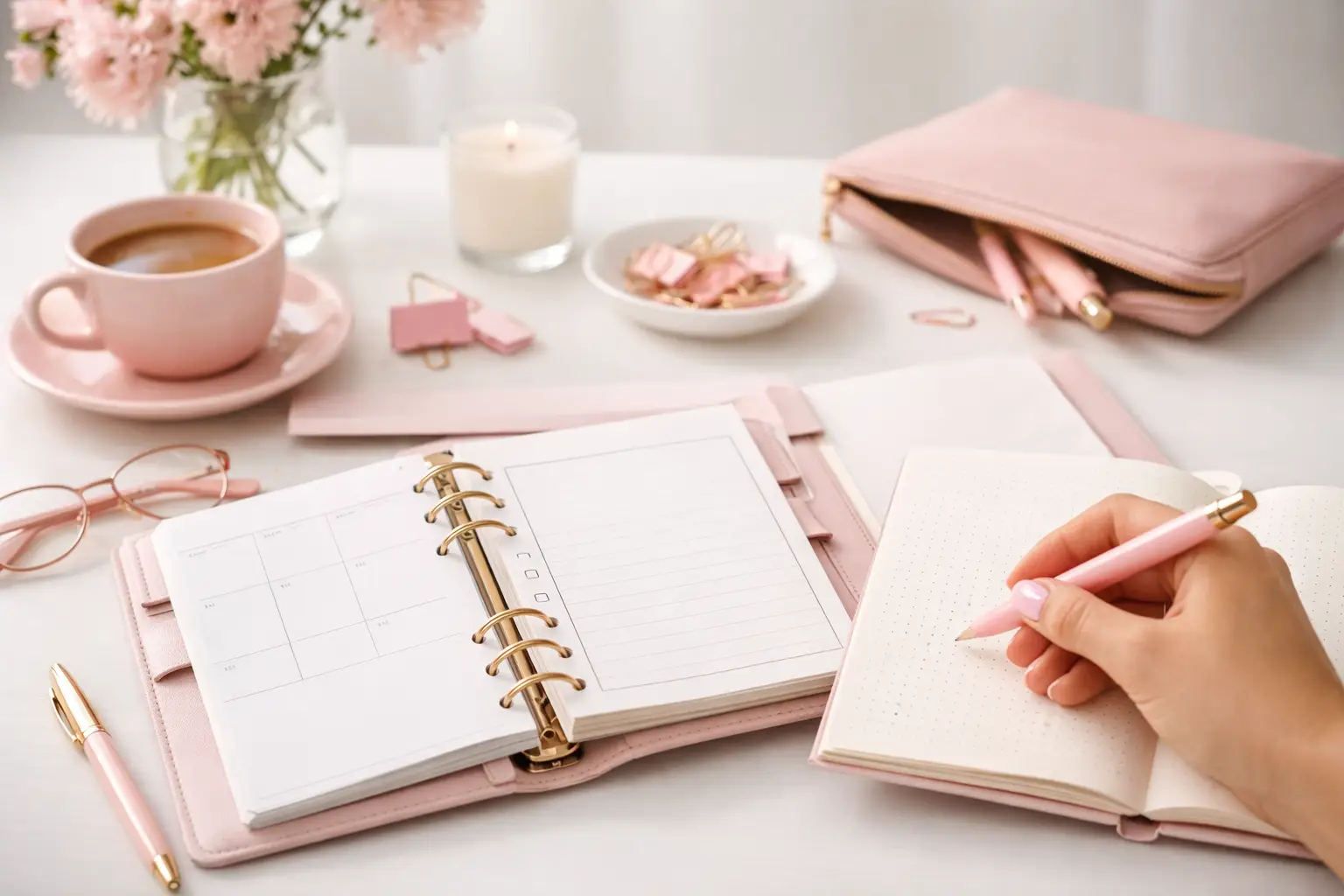
Wondering which planner pages do i need? Build a practical paper planner with only the inserts that support your real routines, goals, and plans daily.
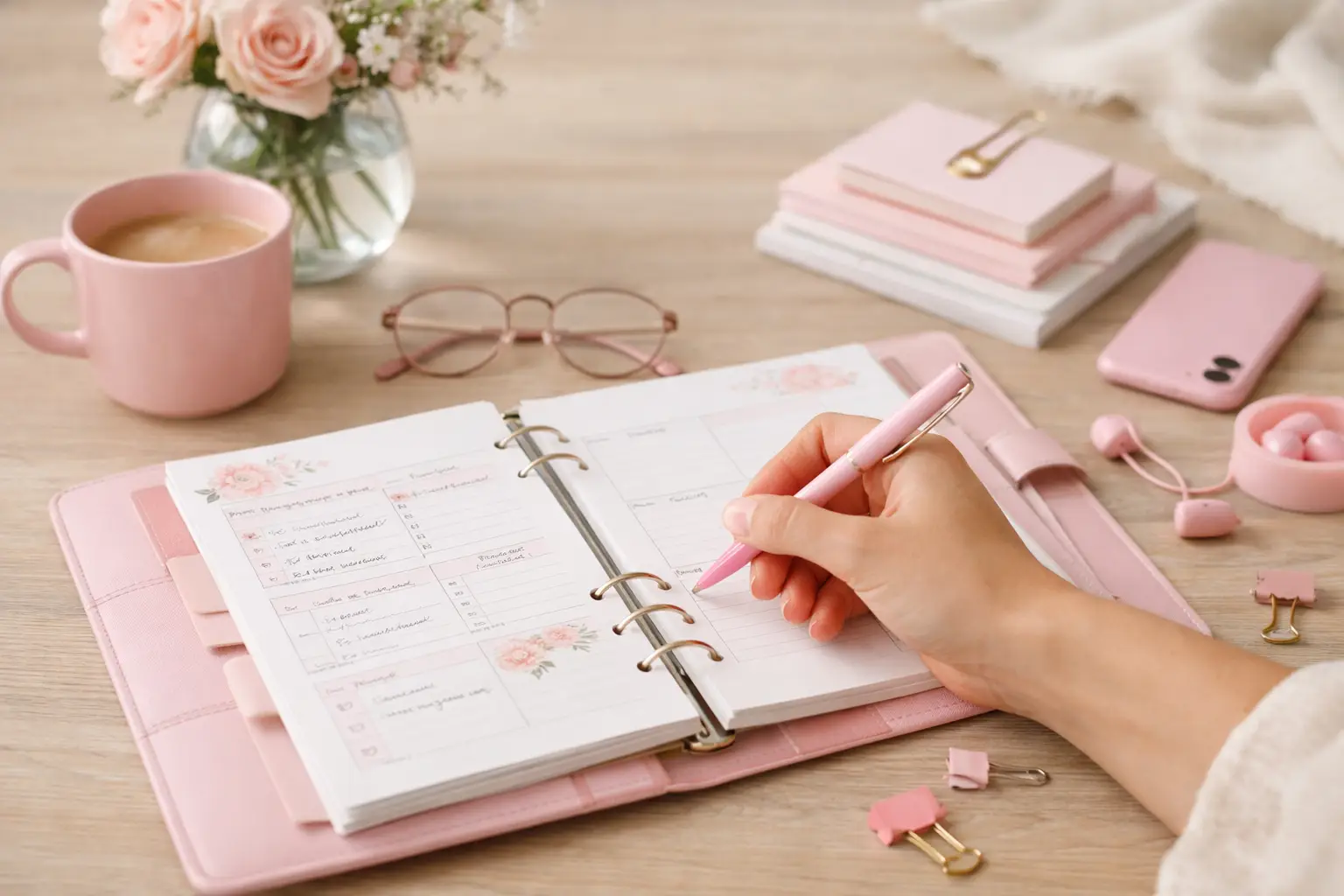
The future of printable planners favors flexible, beautiful systems: print what fits your week, refresh routines, and keep every page useful for life.