A planner can look beautiful on your desk and still feel wrong by Wednesday. Maybe it will not fit in your bag, your appointments crowd the page, or you keep skipping sections that do not match your routine. When you compare A6 vs happy planner, the better choice comes down to how much planning space you need and where you want your planner to go.
A6 and Happy Planner Classic pages create very different planning experiences. One keeps your plans compact and close at hand. The other gives you room to see a fuller week, decorate freely, and manage several parts of life in one place. Neither format wins for everyone, but one may fit your current season much better.
Key Takeaways
-
Choose A6 if you want a compact planner for essential appointments, lists, routines, and on-the-go planning.
-
Choose Happy Planner Classic if you need generous writing space for work, family schedules, goals, and creative layouts.
-
A6 often works best as a focused everyday carry planner, while Happy Planner Classic can serve as a home or desk command center.
-
Use inserts designed for your exact size. Shrinking a larger layout can make the text and writing areas frustratingly small.
-
You can use both sizes if each planner has a clear job. A small planner for the day and a larger one for weekly planning can make perfect sense.
A6 vs Happy Planner: the size difference that matters
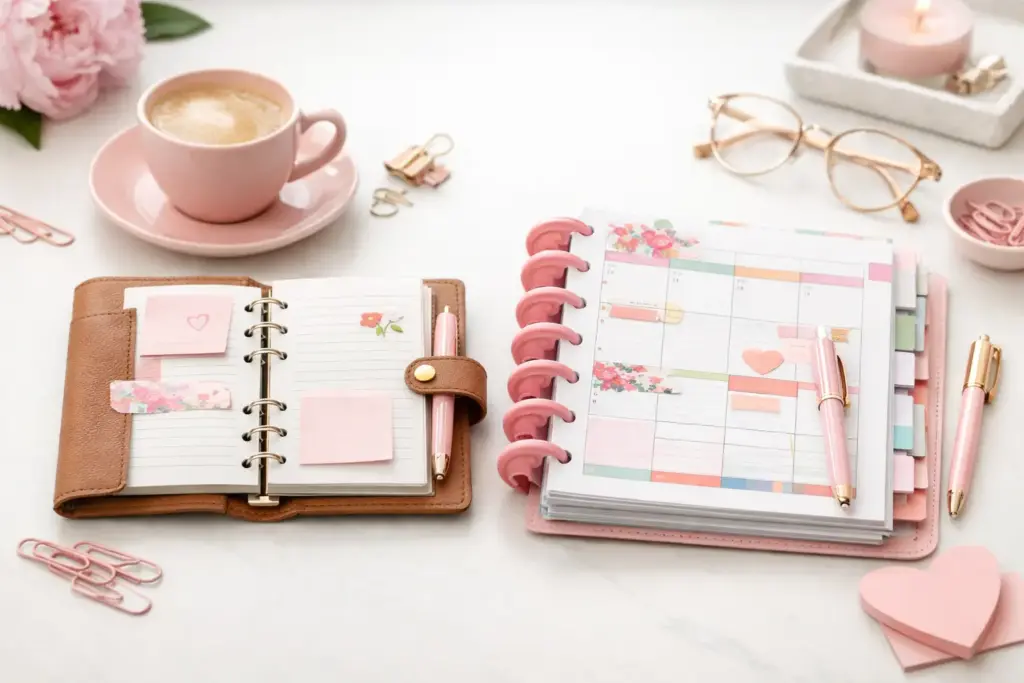
A6 pages measure about 4.1 by 5.8 inches. They are small enough to tuck into many purses and backpacks, yet they offer more room than a pocket planner. In a ring binder, A6 feels personal and contained. You can flip quickly to a daily page, jot down a grocery list, and carry your plans without turning your bag into a filing cabinet.
Happy Planner Classic pages measure 7 by 9.25 inches. This disc-bound format gives you a noticeably larger canvas, especially for weekly spreads. It suits planners who write detailed tasks, track several schedules, use stickers, or want notes beside appointments. The larger pages also feel comfortable if you prefer bigger handwriting.
That physical difference changes more than storage. It shapes what you can realistically put on each page. A6 encourages you to identify the few things that matter most. Happy Planner Classic makes room for the whole picture, including meetings, meal plans, school reminders, projects, and personal goals.
Choose A6 when portability keeps you consistent
An A6 planner shines when you need planning support away from your desk. If you often make plans in the carpool line, at a coffee shop, between appointments, or while standing in the kitchen, a smaller planner is easier to keep with you. A planner only helps when you actually have it nearby.
A6 also works beautifully for a simpler planning style. You might use a weekly insert for your main appointments, then add a small notes page for errands and a list insert for priorities. Instead of filling every category under the sun, you build a compact system around the details you check daily.
For example, an A6 weekly planner can hold your work shifts, appointments, top three tasks, and dinner ideas. Add a daily page on busier days, such as a travel day or a day filled with appointments. Since printable inserts let you print the pages you need, you do not have to commit to a full year of daily pages before you know they fit your life.
Small pages do have limits. If you manage several children’s schedules, lead complex projects, or write long journal-style notes, A6 can feel crowded. You may also need to write more selectively or use abbreviations. For some people, that focus feels calming. For others, it becomes one more constraint.
A6 printing considerations
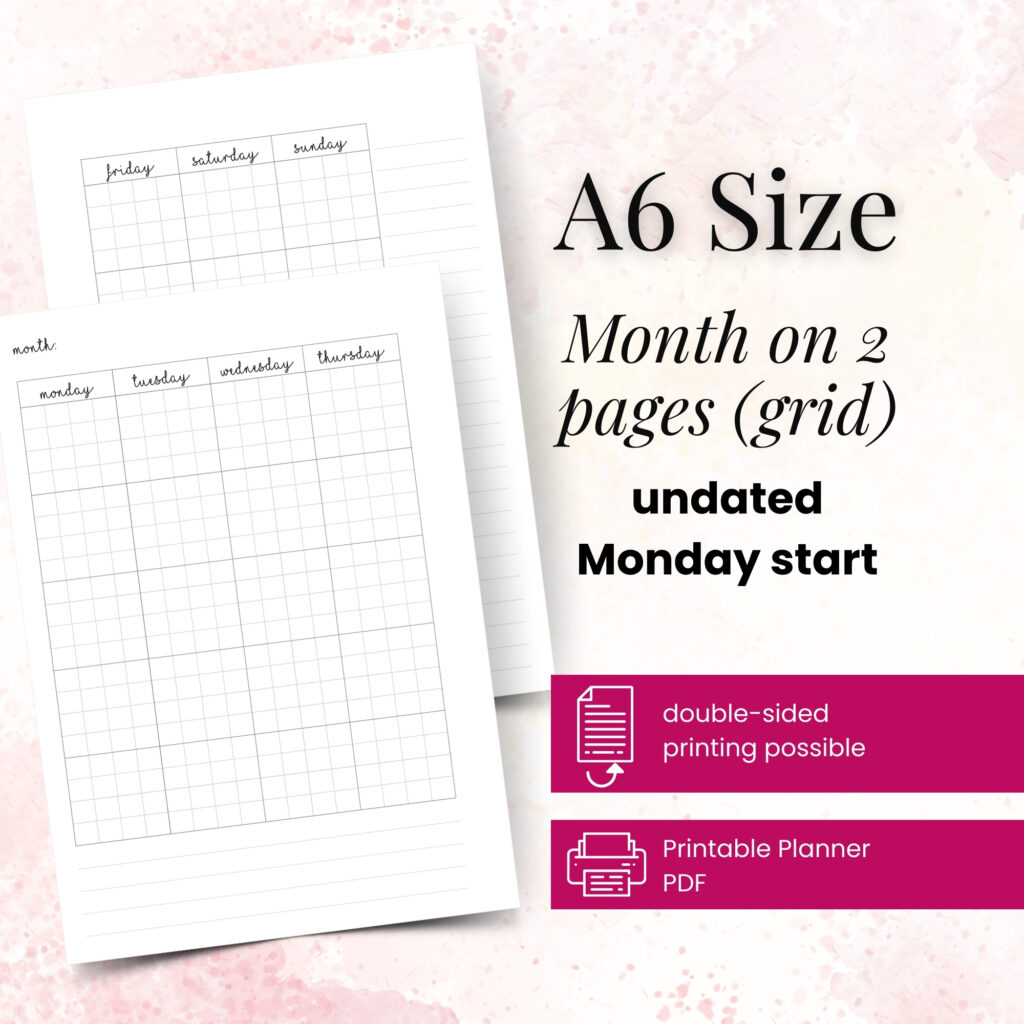
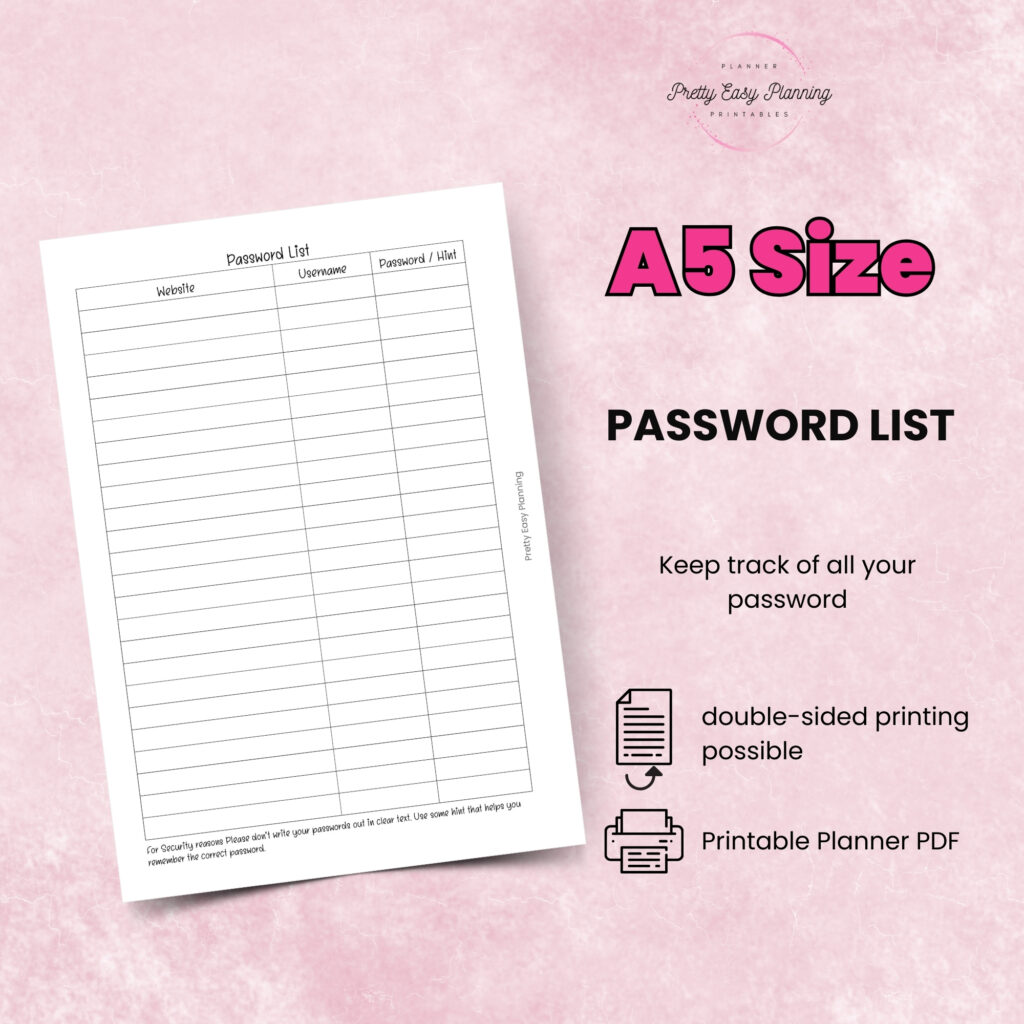
A6 inserts generally print efficiently on letter-size paper because you can place two pages on one sheet. After printing, you trim the pages and punch them for your binder. This setup gives you plenty of paper choices, from crisp bright white pages to warmer, softer stock that suits your favorite pens.
Check your printer settings before you print a large batch. Choose the actual-size option rather than letting the printer shrink or enlarge the file. Test one sheet first, especially if you plan to print double-sided pages. A quick test helps you confirm that the front and back line up the way you want.
Choose Happy Planner Classic when you need room to think
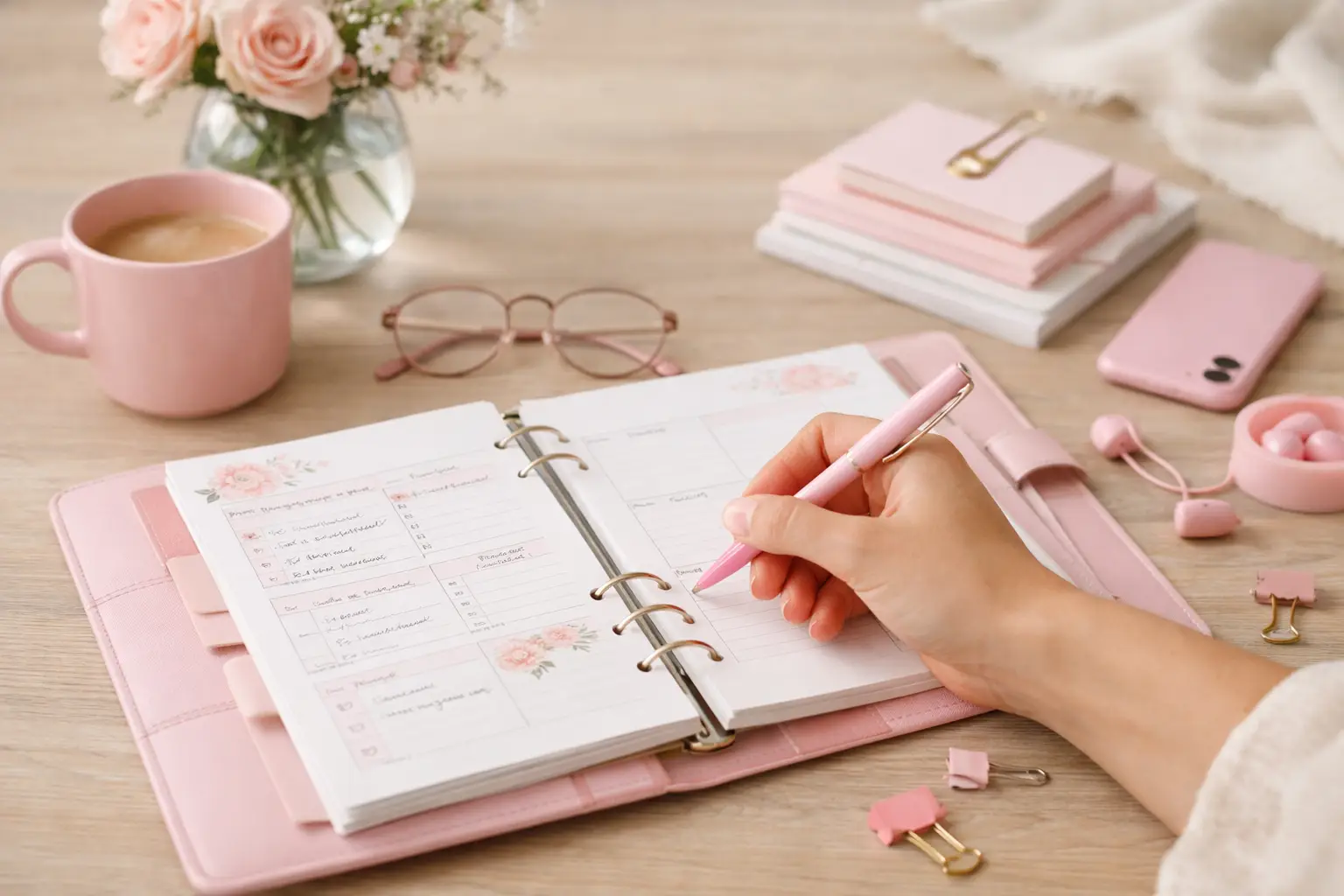
Happy Planner Classic makes sense when your planner needs to carry more of your life. Its larger page size supports detailed weekly layouts without forcing tiny handwriting. You can map out appointments by day, keep a running task list, track habits, and still leave white space for notes or a little creativity.
This format works especially well for people who like to see a week at a glance. A teacher might write lesson prep, meetings, and home tasks in separate areas. A parent may use sections for family appointments, meals, and personal priorities. Someone building a business can reserve space for content tasks, deadlines, and follow-up notes.
The disc-bound system offers another practical benefit: you can move pages around easily. Place a project dashboard before your current week, add extra notes behind a monthly calendar, or remove pages that no longer serve you. That flexibility helps a larger planner stay useful instead of becoming bulky and overwhelming.
Of course, the Classic size takes up more space. It may fit in a tote or work bag, but it will not disappear into a small purse. Filled with many inserts, dashboards, and accessories, it can become heavy. If you rarely carry a planner outside the house, that may not matter. If you want it beside you everywhere, it probably will.
Happy Planner Classic printing considerations
Happy Planner Classic inserts usually print one page per letter-size sheet, then you trim the length to fit the 7 by 9.25-inch page. Use a punch made for disc-bound pages so the pages turn smoothly. Before you print a full month, test your margins and make sure the punch area stays clear.
Do not simply reduce an A5 or letter-size insert to fit this format. The page may technically fit, but small boxes and narrow writing lines can make planning less enjoyable. A format-specific layout gives you balanced margins, readable labels, and space that feels intentional.
Which layout style works best in each format?
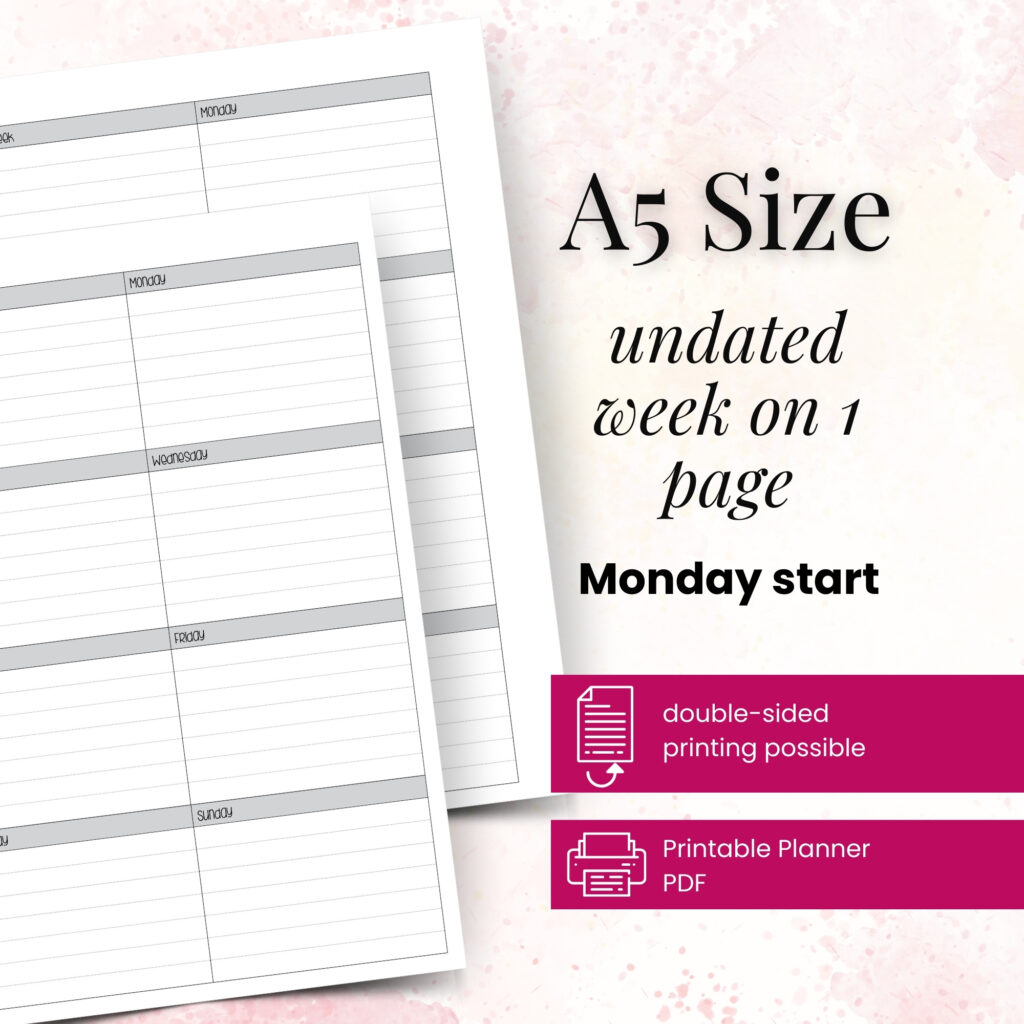
A6 often feels strongest with clean, focused layouts. Vertical weeklies, simple daily pages, compact checklists, and notes inserts make excellent use of the available space. A monthly calendar can work well too, although you may prefer to write only major events there and keep details on weekly pages.
Happy Planner Classic can handle more structured layouts. A detailed weekly spread with separate areas for appointments, tasks, meals, and habits has room to breathe. This size also suits monthly dashboards, project planning pages, reading logs, and goal-setting worksheets that need more than a few lines.
Your handwriting should influence the decision. If you write small and enjoy concise lists, A6 may surprise you with how much it holds. If you use broad pens, large lettering, or full sentences, Happy Planner Classic will likely feel more comfortable from the first page.
You do not have to choose only one
Many paper planners use two formats because each one solves a different problem. You could keep a Happy Planner Classic at home for the week ahead, household management, and larger projects. Then carry an A6 planner with your appointments, daily priorities, and quick notes.
The key is to prevent duplicate work. Decide which planner holds the official version of each item. For instance, put all appointments in your A6 planner because it travels with you, then copy only major events into your Classic weekly view. Or let the Classic hold your master schedule and use the A6 as a short daily action list. Clear roles keep a two-planner setup helpful rather than confusing.
Make your choice based on your real routine
Before ordering or printing a stack of inserts, think about the last seven days. Where did you make plans? How many appointments and tasks did you need to see at once? Did you want a planner in your bag, or did you mostly plan at a desk? Your answers matter more than what looks popular in a planner photo.
If you crave a lighter, focused companion, start with A6. If you want more writing room and a spacious place to organize your many moving pieces, start with Happy Planner Classic. At Pretty Easy Planning, format-specific printable inserts let you test a routine, adjust it, and print more of what truly works. Your successful planning story begins with a single print – and the size that makes you want to open it tomorrow.