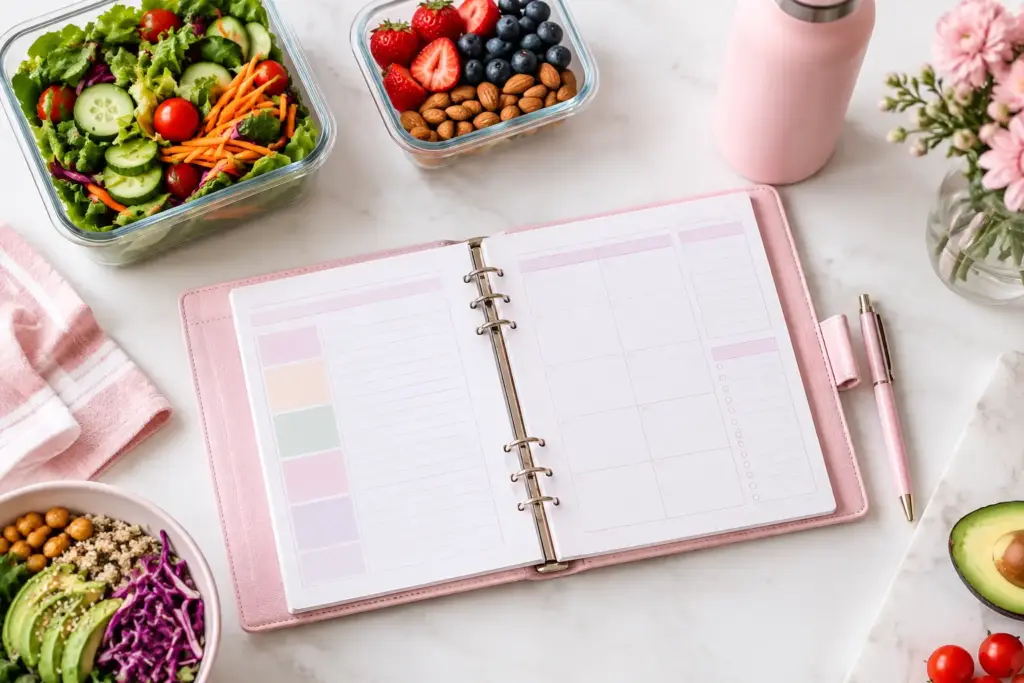
A meal plan only helps when you can actually see it while deciding what to cook, what to buy, and what needs to get used first. The best meal planning inserts turn that everyday mental load into a simple page you want to open. They give your meals a home beside the rest of your real life, whether you plan in an A6 pocket planner, an A5 ring binder, or a Happy Planner Classic.
The right layout does not need to make every dinner look perfect. It should help you use the groceries you already have, reduce the 5 p.m. question of what to make, and leave room for busy nights, takeout, and changing plans. A printable insert works especially well because you can test a planning style, adjust it, and print more pages only when it earns its place in your planner.
Key Takeaways
-
Choose a meal planning insert that matches how often you truly plan, not how organized you think you should be.
-
Pair a weekly menu with a grocery list when shopping creates the biggest point of friction.
-
Use meal categories, leftovers, and pantry notes to make plans more flexible.
-
Print a small batch first, then refine the layout after one or two real weeks.
What Makes the Best Meal Planning Inserts?
The best meal planning inserts fit your current routine with very little setup. That might mean a full seven-day spread with space for breakfast, lunch, and dinner. Or it might mean a single weekly dinner plan and a focused shopping list. Neither approach wins for everyone. The best choice depends on who you cook for, how regularly you shop, and how much detail you enjoy keeping on paper.
A useful insert should also make the next action obvious. When you look at the page, you should quickly know what to thaw, what ingredients to add to your cart, or which meal needs a backup plan. Pretty pages matter, especially in a planner you carry every day, but clear sections and enough writing space matter more.
Look for layouts that support your actual decisions. A narrow box for each day can work beautifully if you usually write short meal names such as tacos, soup, or pasta. If you cook from recipes with several ingredients, choose a design with room for recipe notes, prep tasks, and leftovers. An insert that feels crowded on Sunday will not suddenly feel easier on Wednesday.
Start With Your Natural Meal Rhythm
Before choosing pages, notice how meals currently happen in your home. Some people shop once a week and cook four or five planned dinners. Others make two larger grocery trips, rely on pantry staples, or plan around work shifts and family activities. Your insert should follow that rhythm instead of trying to correct it.
Plan the meals that cause the most stress
For many households, dinner deserves the main space. Breakfast and lunch may already follow an easy pattern, such as eggs, oatmeal, sandwiches, or leftovers. In that case, a dinner-only page keeps the plan light and useful. You can add a small notes section for lunches without giving every meal category equal space.
If weekday lunches create the scramble, choose a layout that includes lunch boxes or a prep area. Write one or two repeatable options rather than seven different meals. For example, you might note grain bowls for Monday through Wednesday and soup with bread for Thursday and Friday. Repetition can save time, money, and planning energy.
Match your page to your shopping day
A weekly insert often works best when you fill it out right before grocery shopping. Start by checking your calendar for late meetings, sports practices, appointments, and evenings you will be away. Then choose realistic meals for the open nights. Save a familiar 20-minute meal for the day that looks most likely to change.
Next, check the refrigerator, freezer, and pantry. Write meals around items that need attention first, such as produce, cooked chicken, or a half-used bag of rice. Finally, build your grocery list from those meals. This order prevents a common planning mistake: buying ingredients first and trying to invent a menu afterward.
Choose a Layout That Reduces Decisions
A meal planning insert can be simple and still feel complete. The goal is not to record every food choice unless that level of detail genuinely helps you. A good page reduces repeated decisions without becoming another chore to maintain.
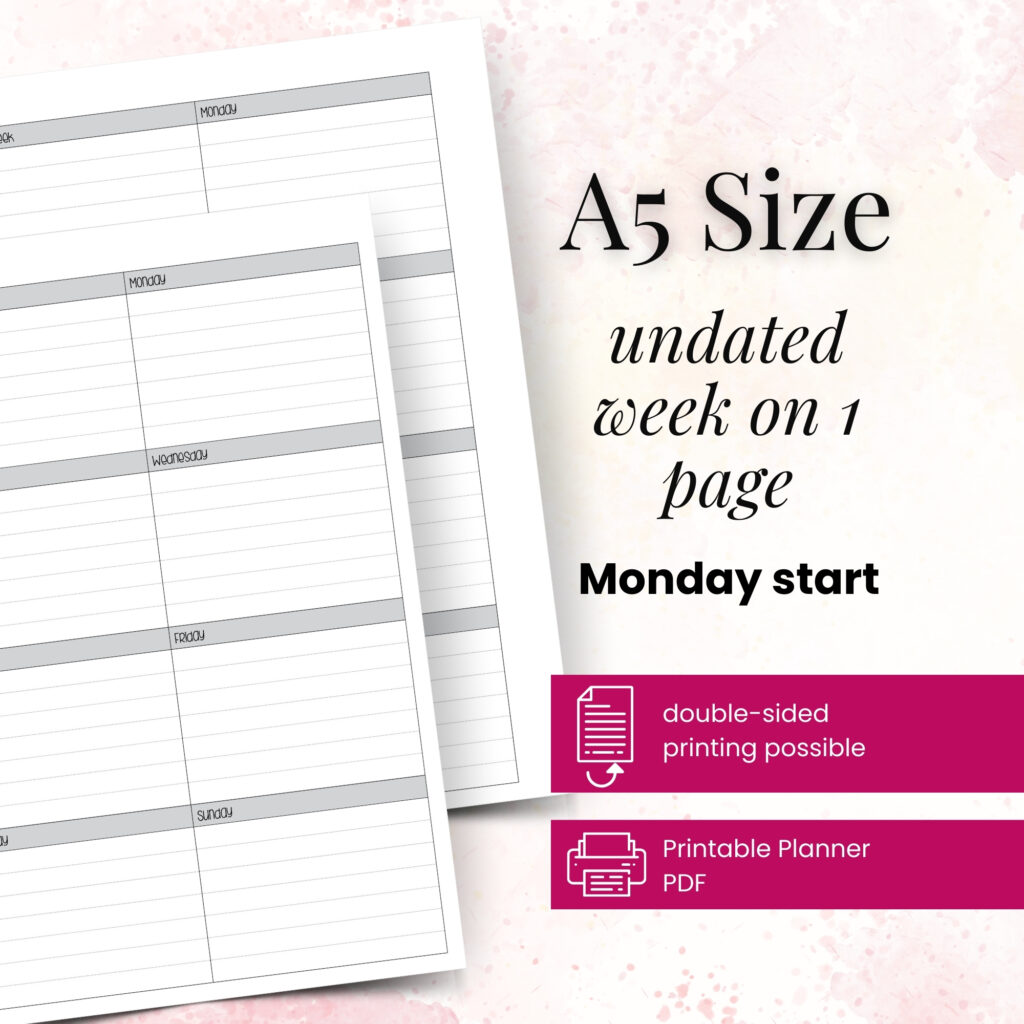
A weekly menu grid suits planners who like to see the full week at once. It makes it easy to move meals around when Tuesday becomes unexpectedly busy. If you prefer a more focused view, a menu-and-grocery-list page keeps your planning and shopping together. This format works well when you take your planner into the store or copy the list onto your phone before leaving home.
Some planners need more than a basic menu. A meal inventory page can track freezer meals, pantry staples, and recipes you want to try. A family favorites list can rescue you from the feeling that you cook the same three meals forever. Recipe planning pages also help when you want to plan a holiday, host guests, or prepare several meals ahead.
Do not add every possible page at once. Start with the one layout that solves your biggest frustration. Once it becomes a habit, add a supporting page only if it removes another real problem.
Build a Meal Planning Section That Stays Flexible
Your planner should make room for real life. A fixed menu can feel satisfying on Sunday and completely unrealistic by Thursday. Instead of treating the page like a contract, treat it as a menu of options for the week.
Write meals in a way that leaves room to swap them. For instance, place “sheet pan chicken and vegetables” on a busy night, but keep “pasta with pantry sauce” nearby as a quick alternative. If you do not make the chicken, move it to the next open day rather than crossing it out as a failure.
Small labels can make a big difference. Try marking meals with “use first,” “freezer,” “slow cooker,” or “leftovers.” These cues help you choose quickly when your energy runs low. You can also add a tiny prep note beside a meal: thaw chicken, chop vegetables, or soak beans. That one prompt can make tomorrow’s dinner easier before tomorrow even arrives.
For a more complete planning section, keep four pages together: your weekly meal plan, grocery list, meal ideas list, and a pantry or freezer inventory. Each page has a different job, so the system feels supportive rather than repetitive. The weekly page tells you what is happening now. The ideas list helps when you feel uninspired. The inventory page prevents forgotten food from hiding at the back of the freezer.
If your planner uses rings or discs, move the grocery list to the front before you shop. You can return it to your meal planning section afterward. That small physical adjustment keeps the pages you need within reach.
Print for Your Planner, Not for a Generic Routine
Printable inserts give you the freedom to choose the paper, quantity, and format that suit your planning style. A thin paper may work well for a weekly menu you replace often, while a heavier sheet can suit a meal ideas dashboard that you reference for months. Test your favorite pen before printing a large batch, especially if you like markers or highlighters.
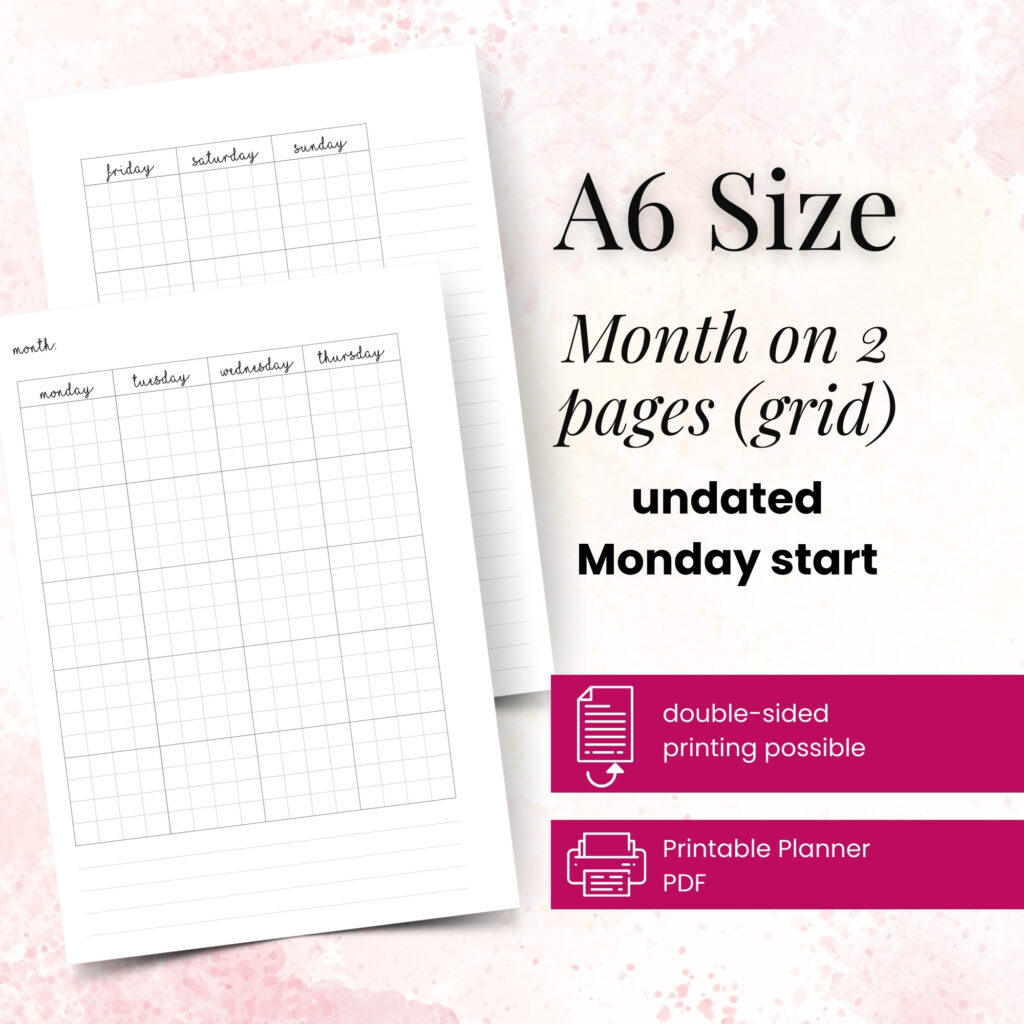
Size matters just as much as paper choice. An A6 layout encourages short, simple entries and travels easily. A5 offers generous room for recipes, prep notes, and a detailed grocery list. Personal and Personal Wide sizes can create a compact but capable meal section, while Happy Planner Classic pages give you space to see the entire week clearly. Choose the format that fits the planner you already enjoy using.
Print two or three weeks first. Use them through a normal stretch of life, including a busy week if possible. Notice where you run out of space, which boxes remain blank, and what information you keep writing in the margins. Those clues tell you more than an idealized planning session ever could. At Pretty Easy Planning, creator-tested layouts help you begin with a practical foundation, but your daily use should always shape the final setup.
Use Your Insert Enough to Let It Help
A meal planning page does not need daily perfection. Give it a short check-in at the end of each day or while you make coffee in the morning. Move meals, circle ingredients you need soon, and add a note when something becomes a new favorite. These tiny adjustments keep the plan useful without asking for a full restart.
When a week goes off track, carry the unfinished meals forward. You still bought the ingredients, and you still have a plan. Your successful planning story begins with a single print, then grows through the small changes that make your kitchen and your planner work better together.