A6 vs Happy Planner: Which Fits Your Life?
A6 vs happy planner: compare size, space, portability, and page options to choose printable inserts that make your everyday planning feel easier with purpose.
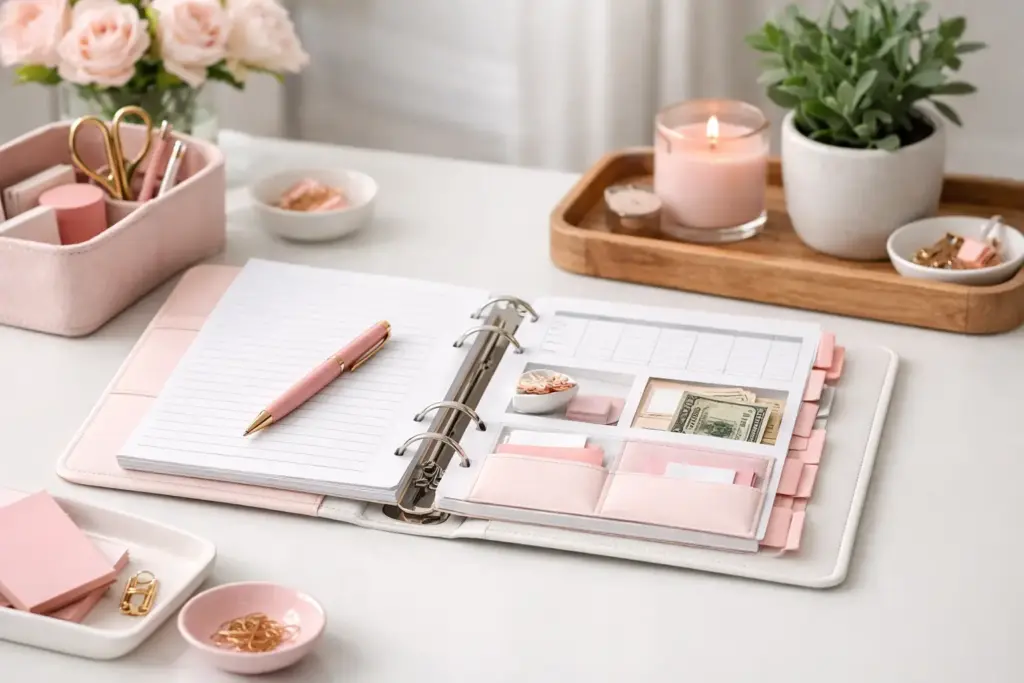
When your planner handles appointments beautifully but falls apart the second you try to track groceries, cleaning, bills, and school forms, the problem usually is not you. It is your setup. The best inserts for home management create a clear home section that supports real life, not an idealized routine that only works for three days.
Home management looks different in every household. Some people need a strong weekly rhythm for meals and chores. Others need one place to catch recurring tasks, spending, laundry cycles, and all the small details that keep a home running. That is why choosing inserts works best when you think in systems, not single pages.
A useful home management insert does one job clearly. That sounds simple, but it matters. When a page tries to be a meal planner, a to-do list, a cleaning tracker, and a family calendar all at once, it usually becomes cluttered and hard to use.
The best home inserts also reduce decision fatigue. You should be able to open your planner and know exactly where to write the next grocery need, the next bill due date, or the list of tasks you want to finish before the weekend. Good layouts guide your attention without boxing you in.
Just as important, your inserts should fit the way you naturally plan. If you think in weekly rhythms, choose pages that give you that overview. If you prefer category-based planning, use dedicated inserts for meals, chores, finances, and household notes. Beauty helps too. A page you enjoy looking at often gets used more consistently.
If you are building a home section from scratch, begin with the pages you will reach for every week. For most planner users, that means a weekly home overview, a task list, a meal planning page, and a simple budget or bill tracker.
This page acts like mission control. It gives you one spot for the week ahead so you can see appointments, errands, household tasks, and anything that affects the flow of home life. Some people like a vertical layout with room for each day. Others prefer a horizontal or dashboard style with sections for priorities, routines, and reminders.
If your weekdays all look different, a daily box layout may help. If your home runs on repeating rhythms, a dashboard page often works better because it gives more space for categories instead of strict timelines.
A weekly overview cannot hold everything. That is where a dedicated task insert earns its place. Use it for recurring chores, seasonal jobs, shopping-related tasks, or projects like organizing a pantry or refreshing a guest room.
A simple grouped task list often works better than an overly detailed cleaning chart. For example, you might divide tasks into kitchen, laundry, bathrooms, and admin. That keeps the page practical without making home care feel like a full-time spreadsheet.
Meal planning is one of the strongest home management tools because it connects directly to shopping, budgeting, time, and family routines. A good meal insert helps you see dinners for the week, note pantry needs, and avoid the nightly question of what to make.
If you cook in a flexible way, choose a layout with broad spaces for each day and a grocery area. If you batch cook or rotate favorites, you may want extra room for prep notes, freezer meals, or ingredient checks.
Household management always includes money, even if you do not keep a full financial planner section. A bill tracker or monthly spending insert can keep due dates visible and reduce last-minute stress.
You do not need a complicated setup unless you want one. Many households do well with a clean page for recurring bills, expected expenses, and paid status. The goal is clarity, not accounting perfection.
Once your core pages feel solid, specialty inserts can make your planner even more useful. The trick is to add them because they solve a problem, not because they look nice in theory.
A dedicated shopping insert saves time and cuts repeat trips to the store. Some planner users prefer one running grocery list. Others like category sections such as produce, pantry, freezer, and household supplies.
Pantry inventory pages can also help if you tend to rebuy items you already own or forget what needs replacing. They are especially useful for bulk shoppers and busy families.
Cleaning pages work best when they support your real energy and schedule. If you like structure, choose a weekly routine insert with zones or assigned days. If you prefer flexibility, use a simple checklist with recurring tasks and a place to mark completion.
Do not assume more detail means better results. If a page takes longer to update than the task itself, it may not belong in your planner.
These inserts often become quiet favorites. Think school information, utility notes, important phone numbers, maintenance reminders, pet care details, or seasonal to-dos. You may not use them daily, but you will be glad they are there when you need them.
Reference pages shine because they keep scattered information in one trusted place. That matters when life gets busy.
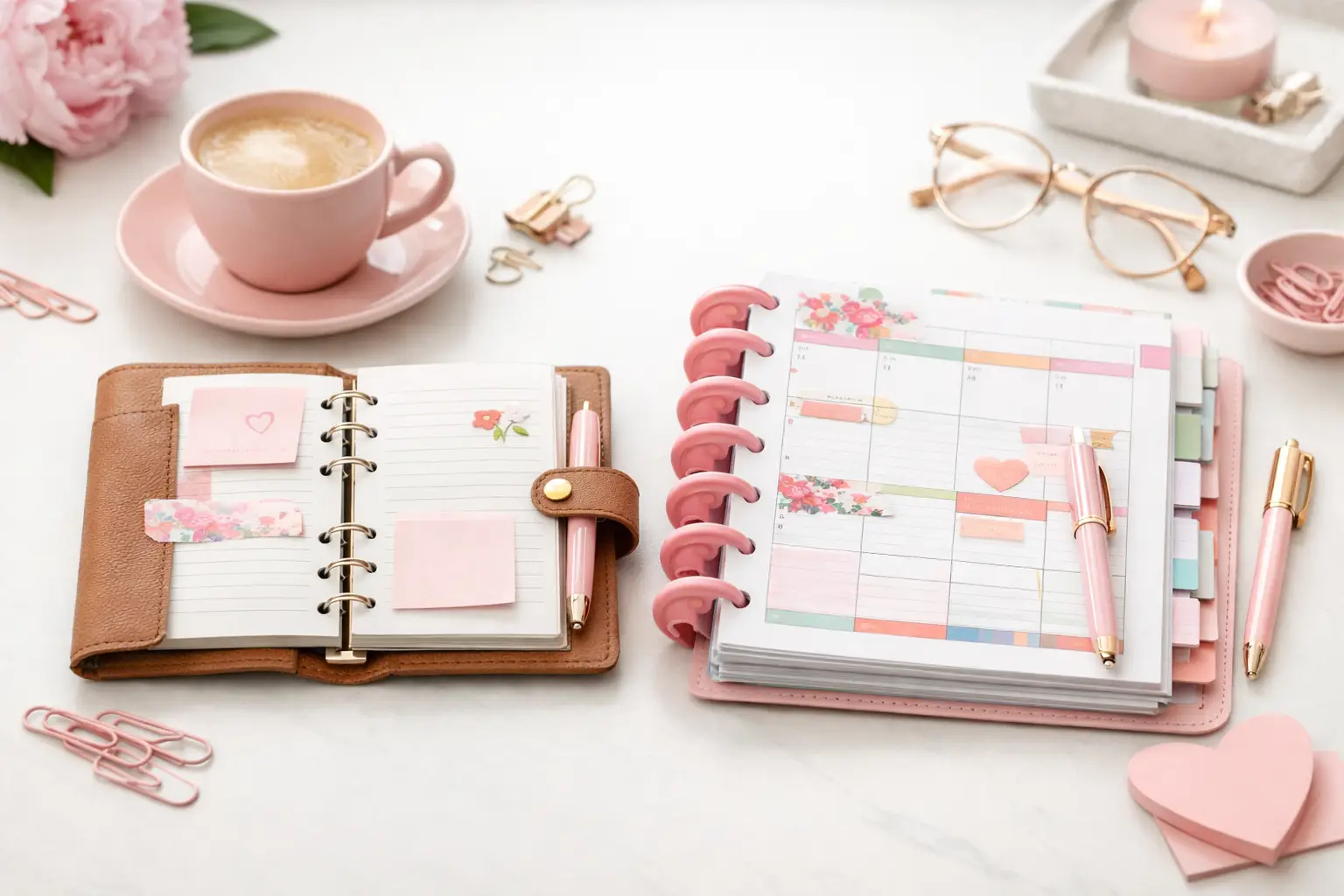
A beautiful layout still needs to function in your actual binder or planner. Size changes everything. In A5, you usually have enough room for detailed home pages with multiple sections. In Personal or A6, you may need cleaner layouts that focus on only the essentials.
If you carry your planner often, compact inserts may suit you better. If your planner stays at home and acts as a household hub, larger pages can give you more writing space and better visibility. Happy Planner Classic users often enjoy wider layouts for meal planning and weekly home dashboards because they can see more at a glance.
This is where printable formats become especially helpful. You can test a layout in your preferred size, notice what feels cramped or generous, and adjust your setup without getting stuck with pages you will never use.
Start with one divider for home management and add only four inserts at first: a weekly home overview, a task page, a meal planner, and a bill tracker. Use that setup for two weeks.
After that, notice what keeps coming up without a clear home. Maybe groceries float onto sticky notes. Maybe cleaning tasks crowd your weekly page. Maybe household reference information lives on random scraps of paper. Those gaps tell you which insert to add next.
This step-by-step approach works better than buying or printing everything at once. It lets your planner become more personal with less waste and less overwhelm.
The biggest mistake is choosing layouts for your fantasy routine instead of your current one. A detailed daily cleaning insert may look motivating, but if you never want to track that much detail, it will sit unused.
Another common issue is using too many overlapping pages. If your weekly dashboard, chores page, and master task list all hold the same information, your planner starts to feel messy. Each insert should have a clear purpose.
Some planner users also ignore aesthetics, then wonder why they avoid their pages. Function comes first, but visual calm matters. If a layout feels inviting, you are more likely to keep turning to it. That is one reason thoughtfully designed inserts from experienced planner creators tend to perform better over time. At Pretty Easy Planning, that creator-tested balance between beauty and function is part of what makes a planner setup easier to stick with.
That might sound obvious, but it is worth saying. The best inserts are not the most complicated or the most packed with prompts. They are the pages you return to on ordinary Tuesdays, before grocery runs, during bill-paying sessions, and while resetting the house for a new week.
Look for layouts that support repeat use. Clean structure, enough writing space, and format options matter more than novelty. A home management section should feel like relief, not homework.
Your successful planning story begins with a single print and a clear next step. Choose the inserts that make home life feel lighter, and let your planner grow with you from there.

€4,24
€4,24
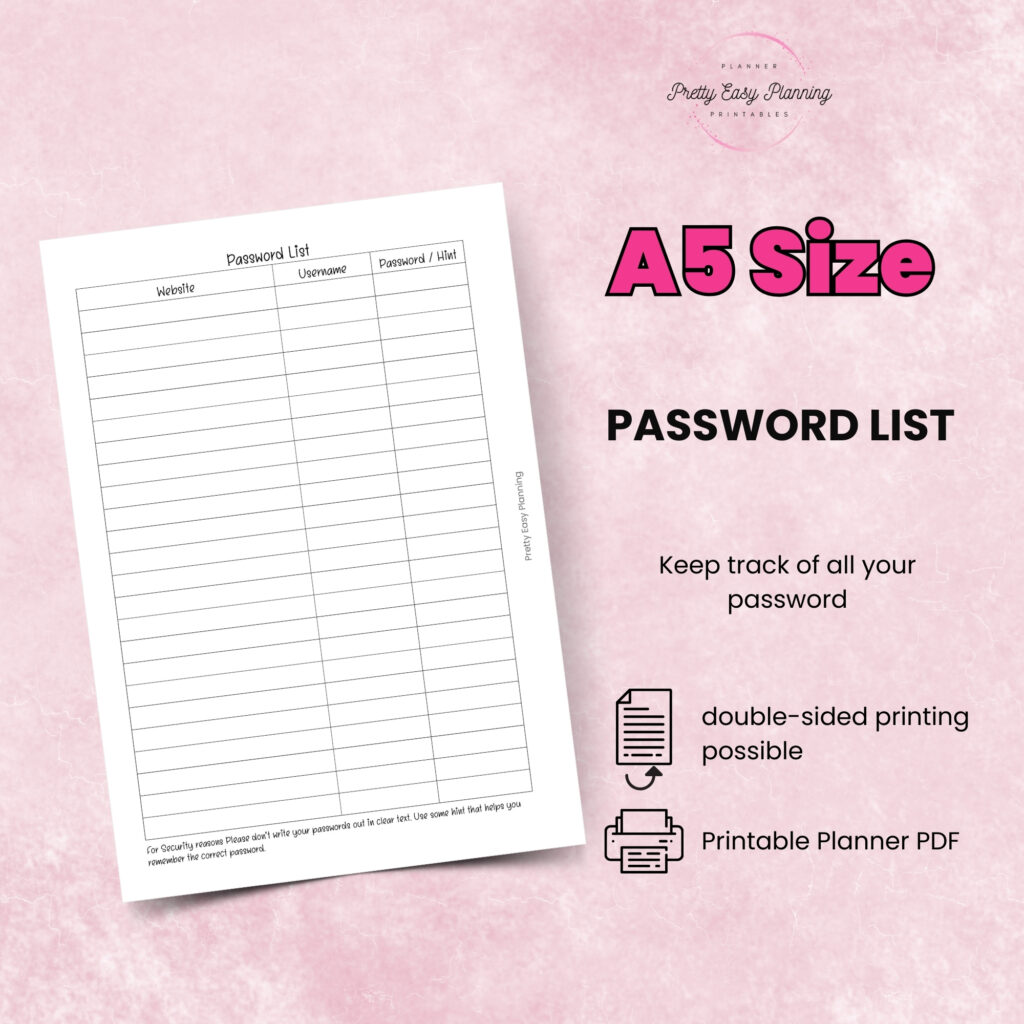
€4,24
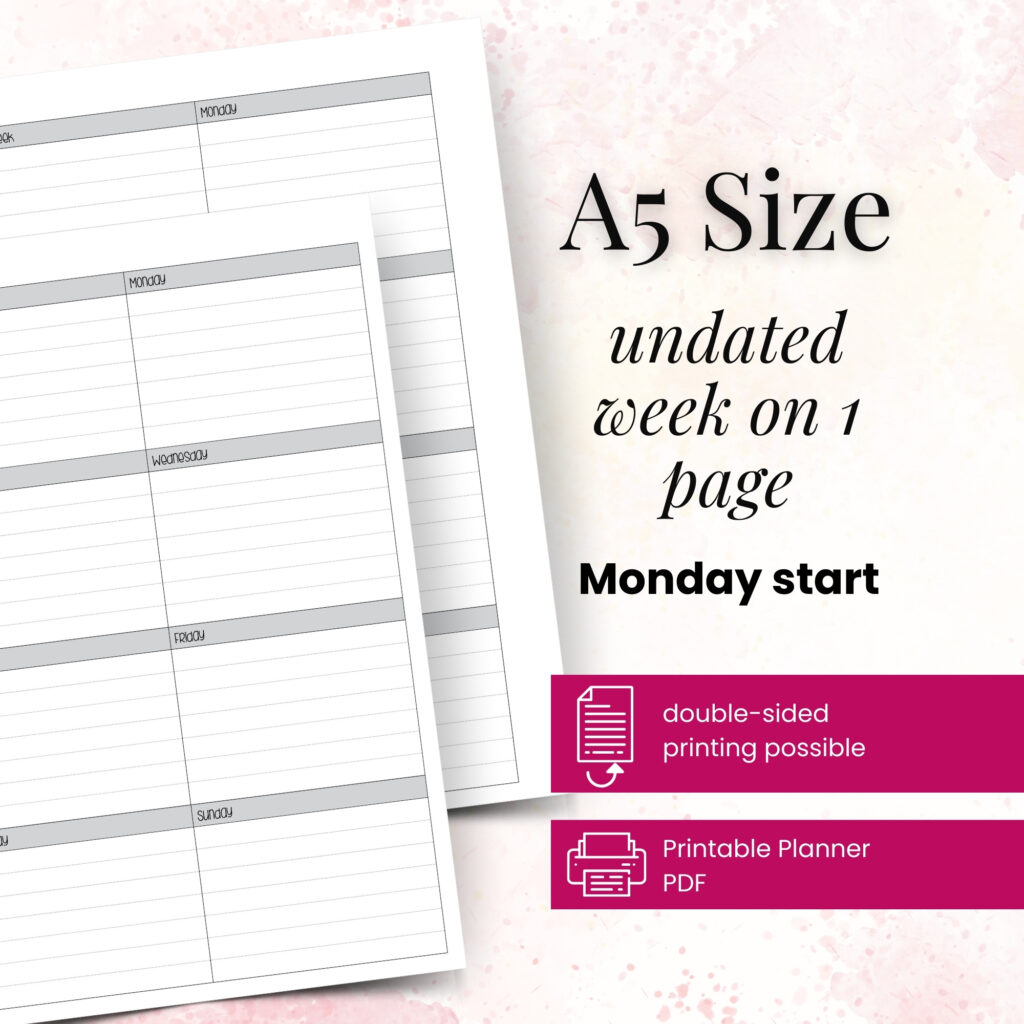
€4,24
A6 vs happy planner: compare size, space, portability, and page options to choose printable inserts that make your everyday planning feel easier with purpose.
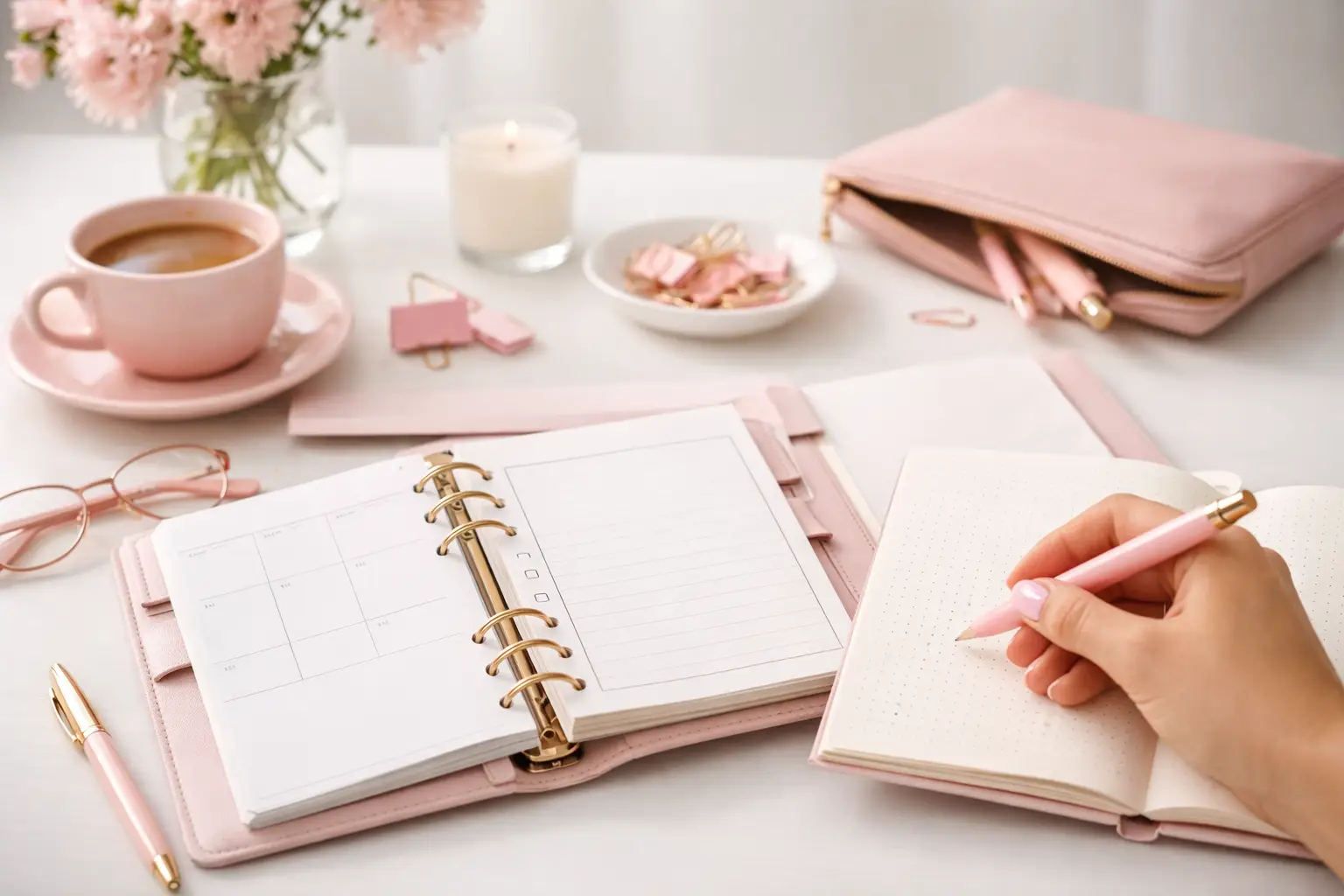
Wondering which planner pages do i need? Build a practical paper planner with only the inserts that support your real routines, goals, and plans daily.
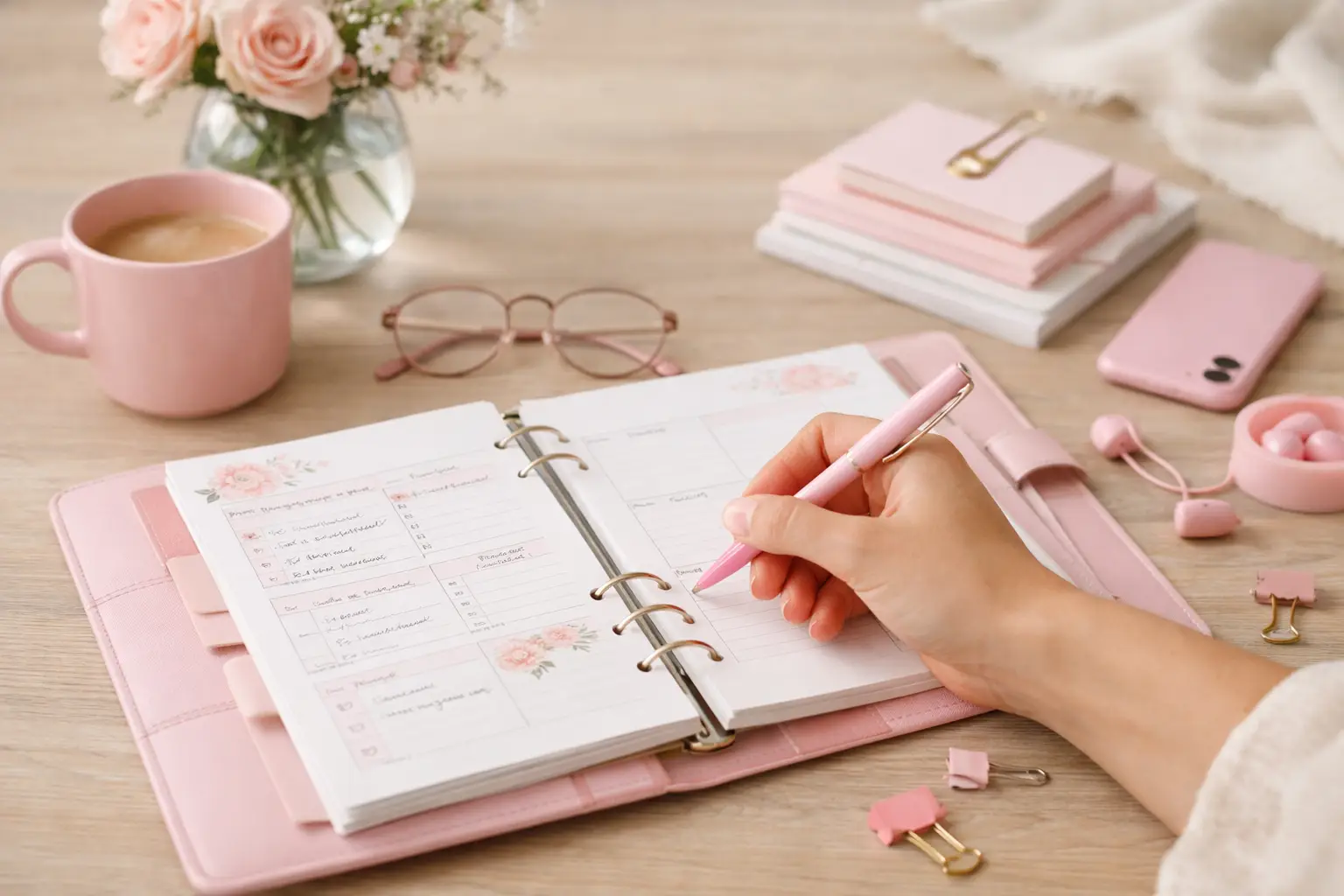
The future of printable planners favors flexible, beautiful systems: print what fits your week, refresh routines, and keep every page useful for life.