A6 vs Happy Planner: Which Fits Your Life?
A6 vs happy planner: compare size, space, portability, and page options to choose printable inserts that make your everyday planning feel easier with purpose.
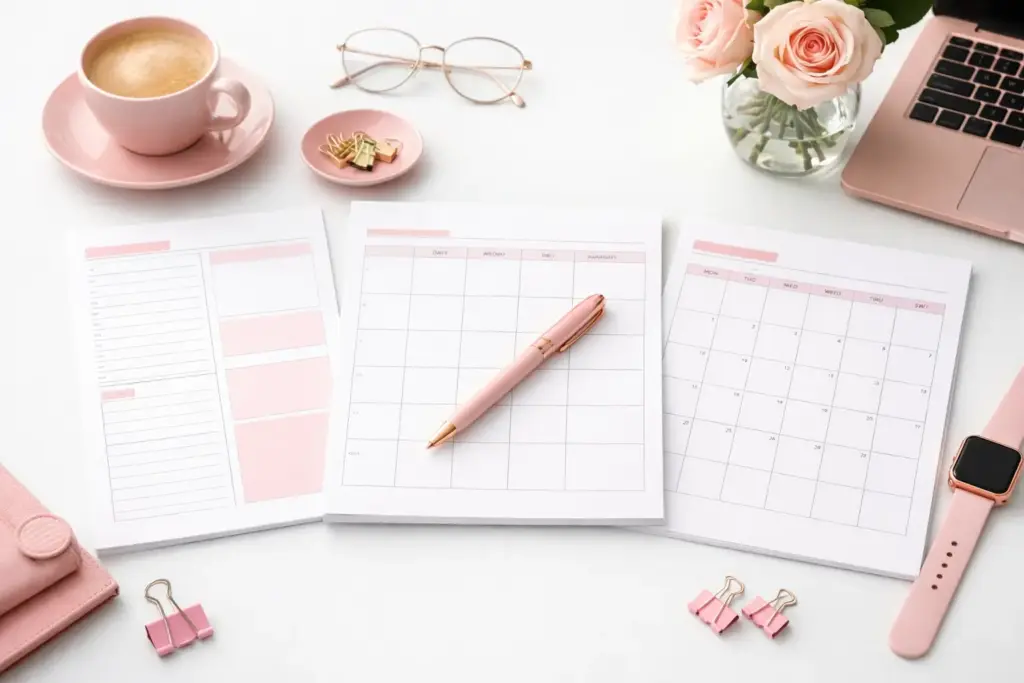
Some weeks need a full-page daily plan. Other weeks barely need a short list and a calendar glance. That is exactly why a daily, weekly and monthly planner templates work so well for paper planners – they give you structure at every level without forcing every day to look the same. If you have ever felt boxed in by a planner that gives you too much space in one section and not nearly enough in another, a layered template system usually fixes the problem fast.
A good planner setup should feel supportive, not bossy. You want enough room to plan appointments, tasks, projects, routines, and real life without wasting pages or carrying inserts you do not need. When you can print the layouts that match your actual week, your planner starts working with you instead of against you.
Planning gets easier when each page has a clear job. Monthly pages help you spot deadlines, events, travel, bill due dates, and seasonal patterns. Weekly pages turn that overview into an actionable plan. Daily pages give you the space to handle appointments, priorities, notes, and the little tasks that would clutter a weekly spread.
This three-part setup creates a natural flow. You start with the month so you can see what is coming. Then you break that down by week. After that, you zoom in only where you need more detail. For many planner users, that rhythm feels much calmer than trying to force everything into one busy layout.
It also gives you flexibility. If your Tuesdays are packed but your Sundays are quiet, you can use a daily page for Tuesday and skip it for Sunday. If one month is loaded with events, your monthly spread does more of the heavy lifting. If work gets intense, your weekly pages become the anchor. The point is not using more paper. The point is using the right page at the right time. This is where undated, printable inserts come in handy.
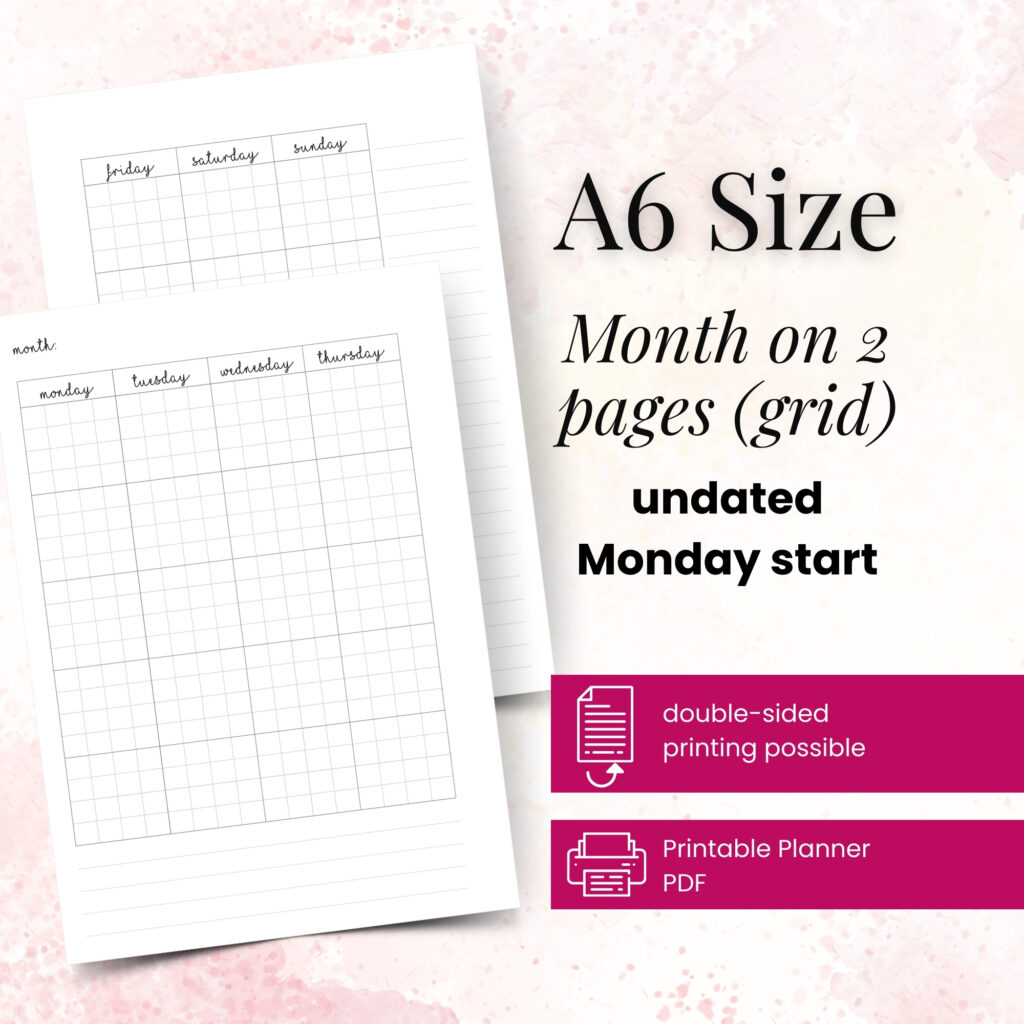
A monthly spread shows your life in broad strokes. This is where many people track appointments, birthdays, recurring responsibilities, payment dates, school events, and deadlines that matter beyond a single week.
Monthly pages help you make better decisions because they show timing. You can see when your schedule is getting crowded, when projects overlap, and where you have breathing room. That perspective matters if you manage work, family, home, or personal goals all in one planner.
If you like planning ahead, your monthly layout often becomes your first stop. It is not the place for every detail, but it is perfect for seeing the shape of your month before you start filling in the rest.
Weekly inserts turn ideas into a practical schedule. They help you balance meetings, errands, habits, meal plans, appointments, and task lists without flipping through a pile of daily pages.
For many planner users, the weekly spread is the real command center. It gives enough room to plan each day while still showing the full week at once. That matters when you are trying to batch tasks, spread out household jobs, or avoid stacking everything on one day.
A weekly page also shows patterns that daily pages can hide. Maybe you always overbook Mondays. Maybe Wednesday is your best admin day. Maybe weekends need less structure than you thought. A good weekly layout helps you notice those things and adjust.
Daily pages give you breathing room. They are ideal for packed workdays, appointment-heavy schedules, focused time blocking, or seasons when you need extra structure.
This is where you can list priorities, map out your day by time, jot notes, track top tasks, or separate personal and work responsibilities. If your handwriting gets cramped on a weekly spread, daily inserts solve that problem quickly.
Still, not everyone needs a daily page every single day. That is one of the biggest advantages of printable planning. You can print a few daily pages for busy days and rely on weekly pages the rest of the time. That mix often feels more realistic than a fixed planner that assumes every day needs the same amount of space. Undated daily inserts work best for this.
The best template is not the one with the most sections. It is the one you will actually use. If your planner feels crowded, complicated, or repetitive, the layout may be fighting your habits.
Start with your real routine. If you work a structured job with lots of appointments, timed daily pages may help. If your life runs on projects, errands, and task lists, a roomy weekly spread might carry more weight. If you mostly need reminders and future planning, your monthly pages may do more than you expect.
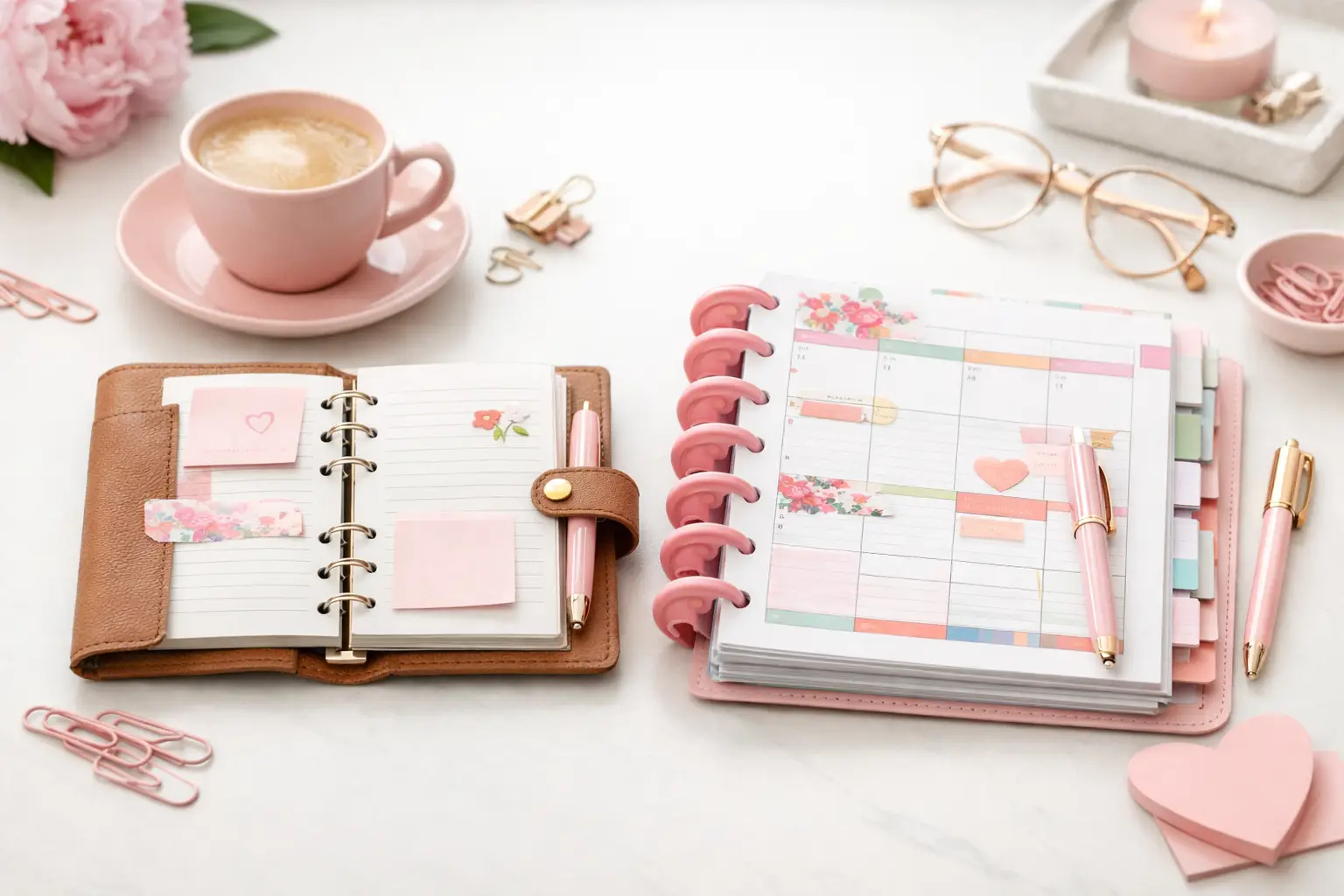
Planner size matters too. In A6 or Personal, space is limited, so layouts need to stay focused. In A5 or Happy Planner Classic, you have more room for categories, notes, and decorative touches without losing function. Personal Wide often lands in a sweet spot for people who want portability with a bit more writing space.
It also depends on how much you like rewriting information. Some planner users enjoy moving tasks from month to week to day because it helps them stay engaged. Others want less repetition. Neither approach is wrong, but it should shape the inserts you choose.
One common mistake is using daily pages because they look useful, then realizing they create extra work. If you are rewriting the same tasks over and over, scale back. Use weekly pages as your main planning space and pull in daily pages only when needed.
Another mistake is expecting the monthly spread to do too much. A monthly layout should guide you, not carry every appointment note, task, and idea. If it starts looking crowded, move details down to the weekly or daily level.
Some planner users also choose layouts based only on style. Pretty matters. Most of us want pages that feel enjoyable to use. But function comes first. The best inserts look lovely and still leave you enough room to plan clearly.
That balance is where creator-tested layouts make a real difference. When a design comes from years of actual paper planning, the spacing, sections, and flow tend to make more sense in everyday use.
Your planner does not need to stay the same all year. In fact, it probably should not. Busy work seasons, holidays, travel months, school schedules, and personal goals all change how much structure you need.
That is why printable inserts feel so practical. You can print what fits now, not what seemed useful six months ago. If you need four weekly spreads and two daily pages this month, great. If next month needs mostly monthly planning with a few notes pages, that works too.
This approach also cuts down on wasted pages. You are not stuck with stacks of unused dailies or a yearly planner full of layouts that no longer match your routine. You create a system that reflects real life, and that usually makes planning feel less frustrating and more sustainable.
At Pretty Easy Planning, that kind of flexibility sits at the center of the whole experience. You choose your size, print on your favorite paper, and keep refining your setup until it feels like home.
A daily, weekly and monthly planner template works especially well for people managing several areas of life at once. If you track work tasks, home responsibilities, family plans, appointments, and personal goals in one binder, separate planning levels help everything stay readable.
It is also a smart choice for anyone moving away from rigid pre-printed planners. When you no longer have to accept whatever layout a bound planner gives you, planning becomes much more personal. You can test what works, keep what helps, and let go of what does not.
Even experienced planner users benefit from revisiting this setup. Sometimes the issue is not your habits. Sometimes your inserts simply do not match the season you are in.
The most useful planner is not the fullest one or the fanciest one. It is the one you reach for every day because it makes your life easier, clearer, and a little more enjoyable. Your successful planning story begins with a single print, and the right template can make that first page feel wonderfully possible.

€4,24
€4,24
€4,24
€4,24
A6 vs happy planner: compare size, space, portability, and page options to choose printable inserts that make your everyday planning feel easier with purpose.
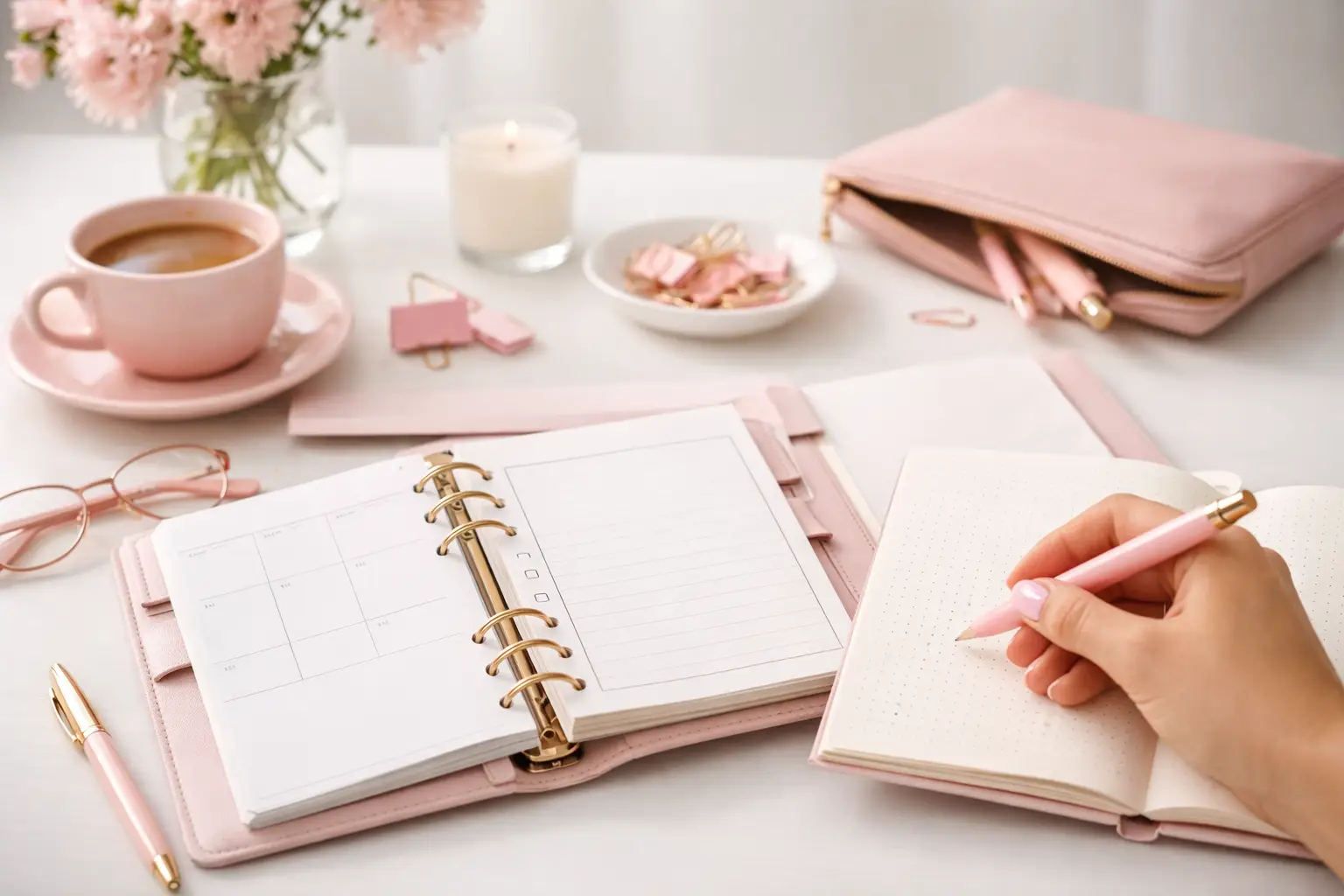
Wondering which planner pages do i need? Build a practical paper planner with only the inserts that support your real routines, goals, and plans daily.
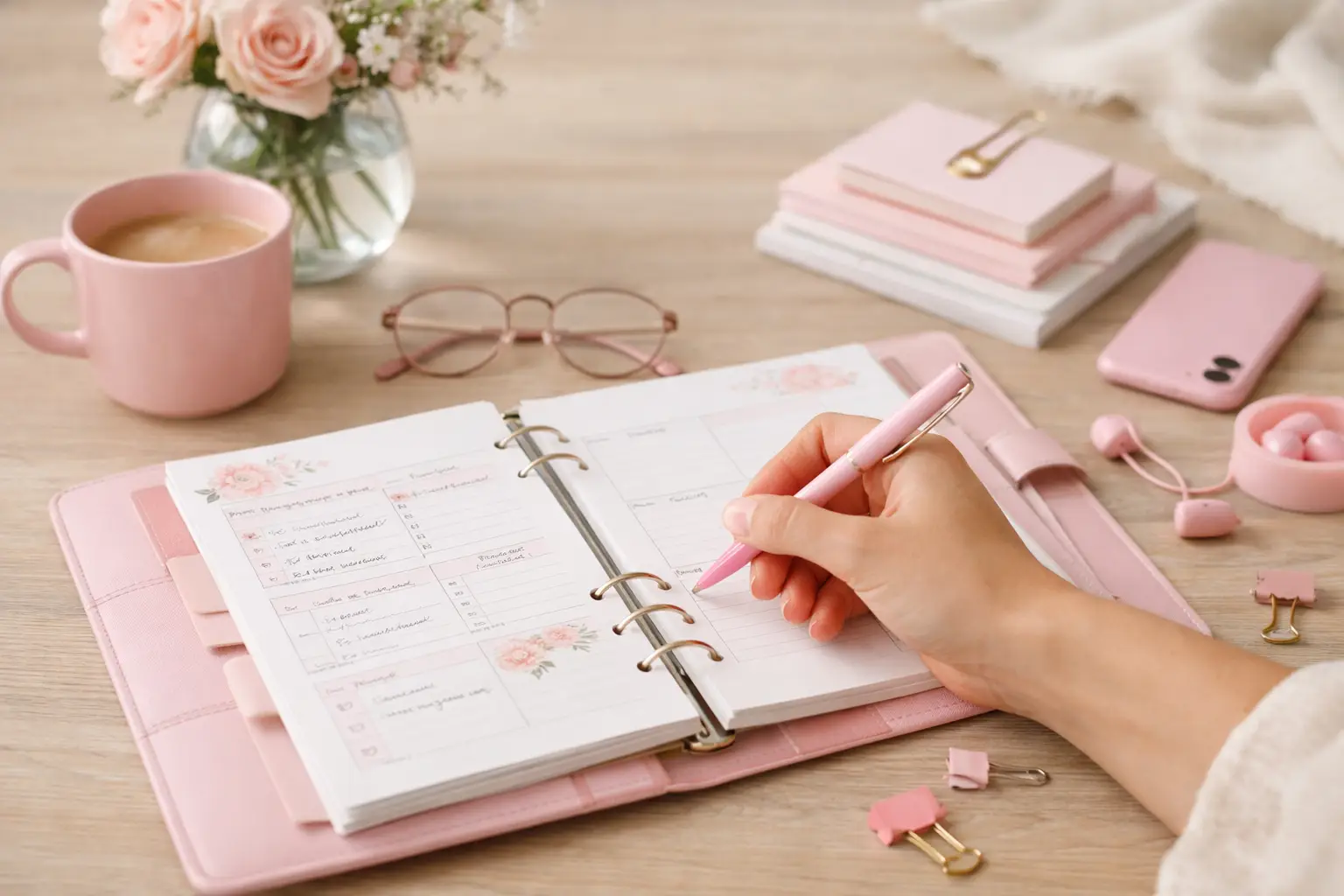
The future of printable planners favors flexible, beautiful systems: print what fits your week, refresh routines, and keep every page useful for life.