12 Best Planner Accessories for Organization
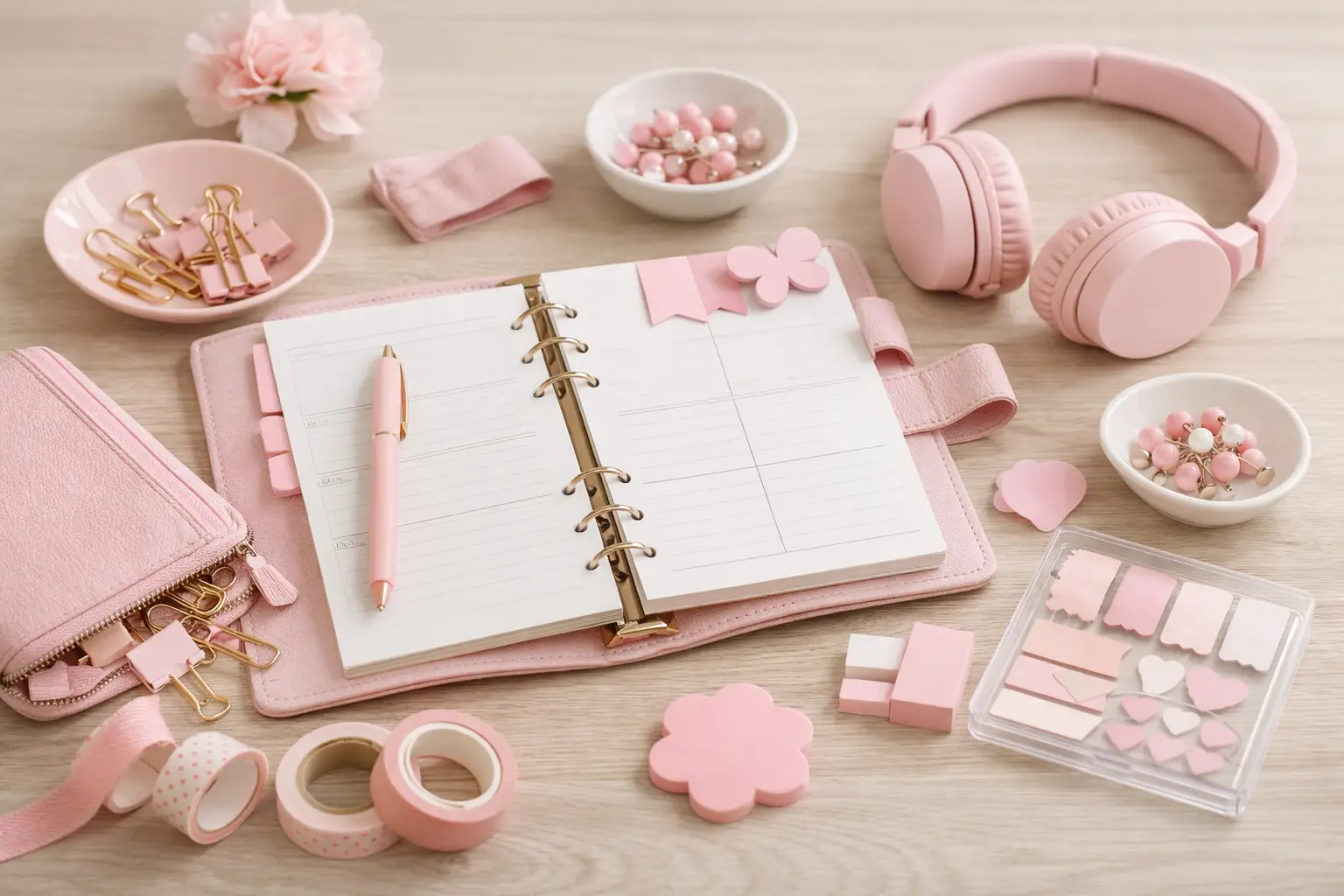
Find the best planner accessories for organization, from sticky notes to dashboards, and build a paper planner that works with your real routine every day.
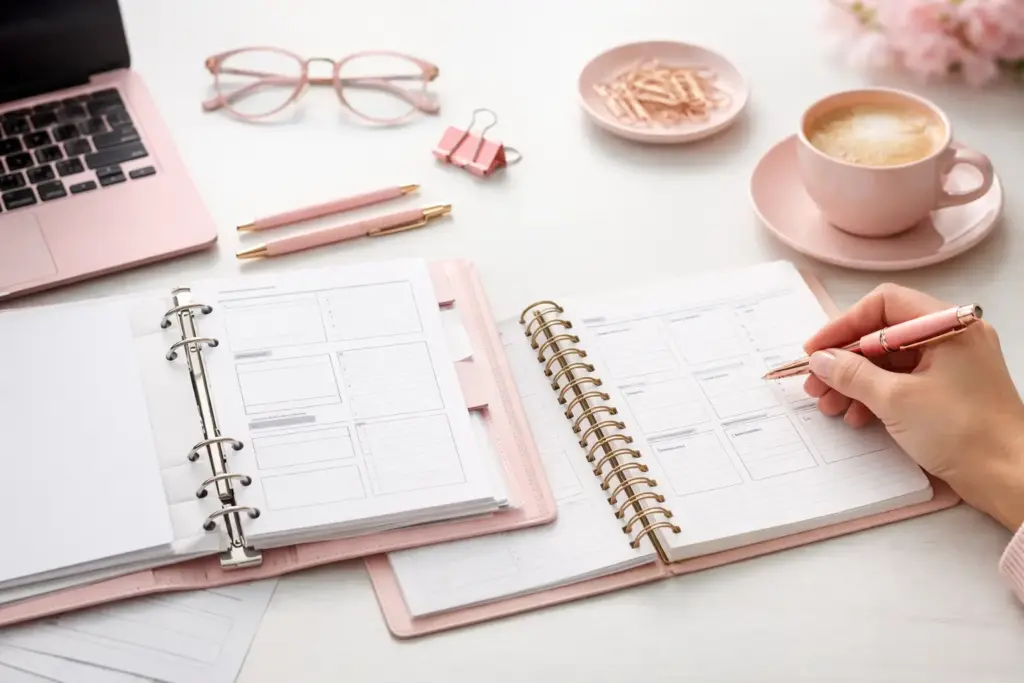
You know the feeling. You open a beautiful preprinted planner, love the cover, and then hit week two only to realize the layout does not quite fit your schedule, your lists, or the way your brain likes to plan. That is usually the moment the printable planner vs preprinted planner question gets real.
If you are trying to build a planner that supports your life instead of bossing it around, this choice matters more than most people think. The right format can save time, cut waste, and make planning feel easier to keep up with.
A preprinted planner is the classic ready-made option. It comes already printed, bound or packaged, and set up with a fixed structure. You buy it, open it, and start writing.
A printable planner gives you the layout as a PDF file that you print yourself. You choose the paper, the size, the quantity, and often even which pages make it into your planner at all. Instead of adapting your routine to one finished book, you build a system around what you actually need.
That one difference changes almost everything. It affects cost over time, planner bulk, page quality, how quickly you can start, and how easy it is to make changes when life gets busy.
Let’s give preprinted planners credit where it is due. They are easy. If you want something you can pick up and use immediately, they deliver that experience well.
Many people also like the polished, finished feeling of a bound planner. There is no printing, no trimming, and no deciding between layouts. For some planner users, less choice feels calming. If decision fatigue gets in your way, a preprinted planner can remove one step.
They can also work well if your planning style stays consistent all year. Maybe you always use a weekly vertical layout, rarely add extra notes pages, and do not switch between project planning, home planning, and goal tracking very much. In that case, a fixed format may feel perfectly fine.
The trade-off is that convenience usually comes with limits. If you outgrow the layout, skip sections, or need more room in one season and less in another, you are stuck with pages that no longer serve you.
Printables appeal to planner lovers who know exactly what frustrates them. Too many unused pages. Not enough note space. Monthly spreads they love paired with weekly pages they do not. Reordering the same inserts again and again. Waiting for shipping. Settling for paper that feathers with favorite pens.
A printable setup solves those problems in a very practical way. You can print only your monthly pages for six months, add extra weekly spreads during busy work seasons, or slip in meal planning pages when home life gets hectic. If one layout does not click, you can try another without replacing your entire system.
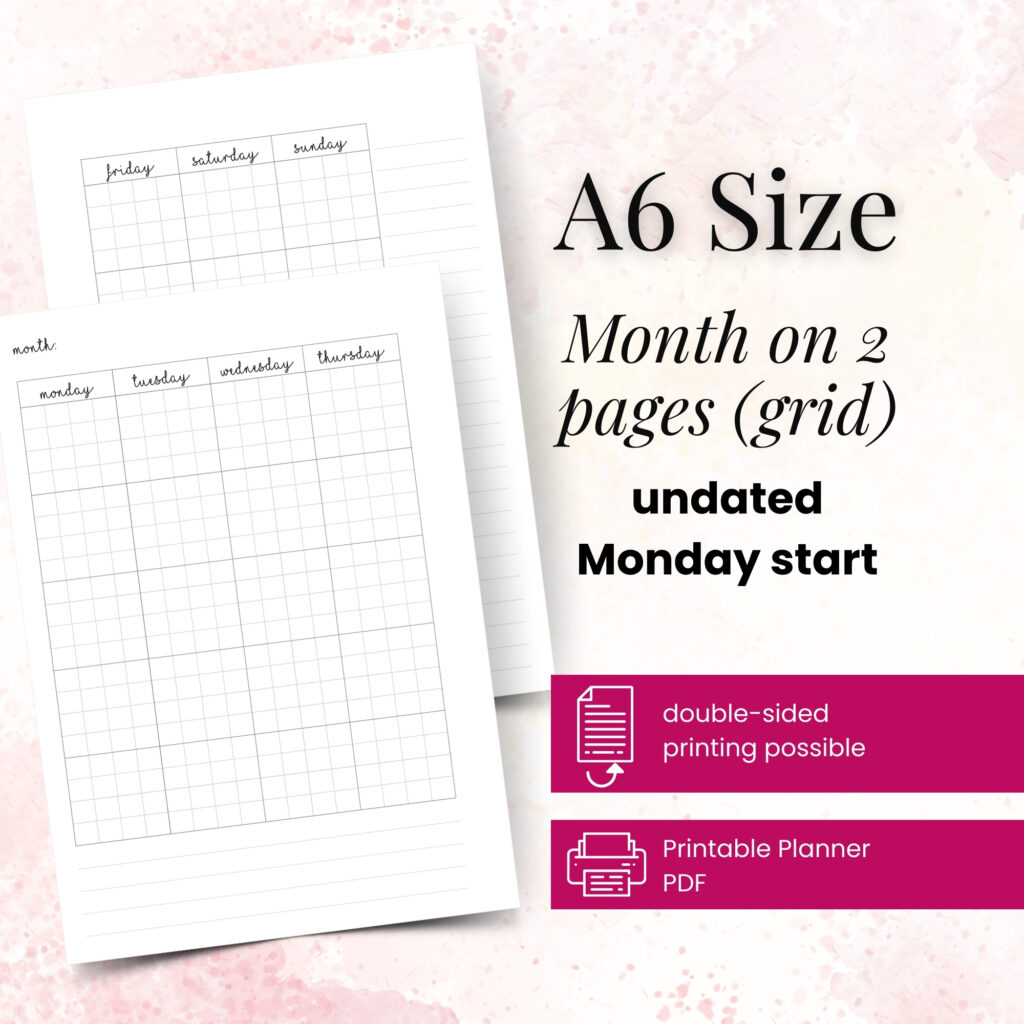
That flexibility matters even more when you use ring planners or discbound setups in sizes like A6, A5, Personal, Personal Wide, or Happy Planner Classic. A printable system lets you keep your cover, dividers, and accessories while changing the inside of your planner as your needs change.
For many people, that is where planning starts to feel personal instead of restrictive.
This is where the printable planner vs preprinted planner decision gets interesting.
A preprinted planner often looks straightforward from a budget standpoint. You pay once, get the planner, and that is that. If you only use one planner style per year and never need extra pages, the cost can feel predictable.
Printables usually cost less upfront per layout, but you do need paper and printer access. That can make people assume printables are automatically more expensive. In real life, it depends on how you plan.
If you frequently need refills, extra lists, more notes pages, or fresh copies of favorite sections, printable inserts often become the better value. You buy the design once and print what you need. That is especially helpful for routines that repeat, like daily planning, budgeting pages, cleaning checklists, project trackers, or weekly dashboards.
Here is a simple example. If you use a preprinted planner but still need to buy extra note paper, sticky note add-ons, and a second planner for special projects, your total cost rises quickly. With printables, you can often build that all into one planner from the start.
If there is one factor that matters most, it is flexibility.
A preprinted planner gives you a fixed system. That can feel neat and tidy, but it also means your planner stays the same when your life does not. Busy quarter at work? Same amount of space. School break? Same amount of space. New goals? You squeeze them in where you can.
A printable planner lets you adjust in real time. You can print a full month of daily pages during a packed season, then switch back to weeklies when life calms down. You can add notes behind one section, dashboards behind another, and keep your planner lean instead of stuffed with pages you never touch.
That kind of control is not just about creativity. It is about function. When your planner reflects your actual routine, you are more likely to keep using it.
Printables are flexible, but they are not magic. They do ask for a little setup.
You need to print, cut if needed, punch if needed, and assemble your pages. For many planner users, that is part of the fun. It feels creative and satisfying, like setting up a workspace that is truly yours. But if you know you want something with zero prep, that matters.
A simple way to decide is to think about your real habits, not your ideal habits. If you enjoy choosing paper, testing layouts, and refreshing sections as needed, printable inserts will probably feel rewarding. If you avoid setup tasks and want a planner ready the minute it arrives, preprinted may fit better.
Still, printable systems do not have to be complicated. Start small. Print one month and one weekly layout. Use it. Notice what works. Then build from there.
If you feel stuck, use this step-by-step test.
First, look at your current planner frustrations. Are you running out of room, skipping pages, or wishing you could rearrange sections? Those are strong signs you need more flexibility.
Next, think about how often your routine changes. Someone with shifting work demands, family schedules, side projects, or seasonal goals usually benefits from printable inserts more than a fixed annual planner.
Then consider your favorite tools. If you care about paper quality, pen performance, and size-specific setups, printables give you more control. You can create a system that fits your binder or discs instead of trying to force a store-bought planner into your life.
Finally, test your tolerance for setup. If a small amount of printing and assembly sounds worth it for a better fit, printable planning is probably your lane. If not, a preprinted planner may still serve you well, especially if you prefer simplicity over customization.
A newer planner user might do well with a preprinted planner if she wants to build consistency first. It can remove decisions and help her establish a routine.
An experienced planner user usually notices layout flaws faster. She knows when a weekly spread needs more writing space, when dashboards need to sit near project pages, and when one size works better than another. That is often where printables shine.
Someone who uses planning for both function and self-expression may also prefer printables. Being able to choose inserts that match the season of life, the planner size, and the exact purpose of each section makes the whole system feel more thoughtful. Pretty Easy Planning was built around that idea – useful layouts should be beautiful, but they should work hard too.
There is no universal winner in printable planner vs preprinted planner. There is only the option that fits your life better right now.
Choose preprinted if you want fast setup, a finished format, and very little decision-making. Choose printable if you want control, reprint value, size-specific flexibility, and a planner that can change with you.
If you have ever felt boxed in by a fixed layout, that feeling is useful. It is telling you that your planning system may need to bend a little more. Your successful planning story begins with a single print, a few pages that fit, and the confidence to build a planner that finally feels like yours.

€4,24
€4,24
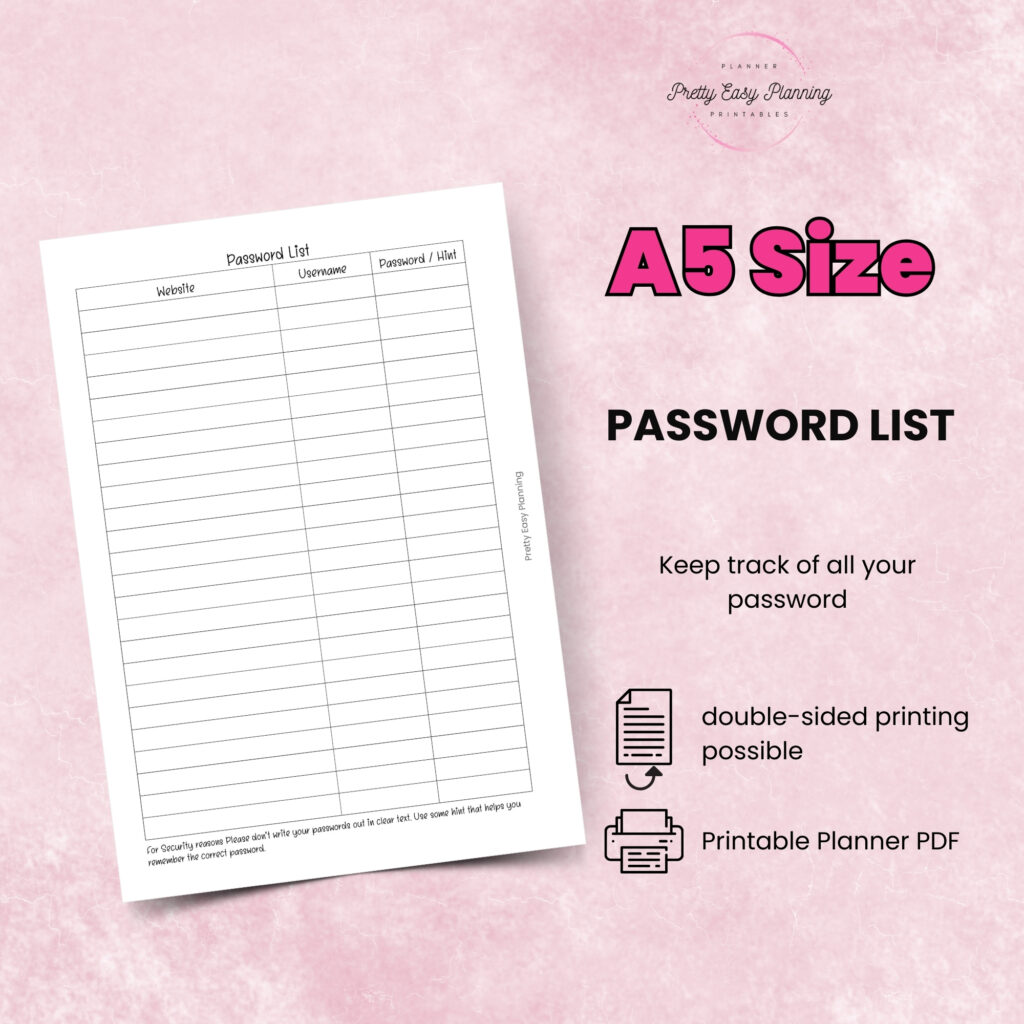
€4,24
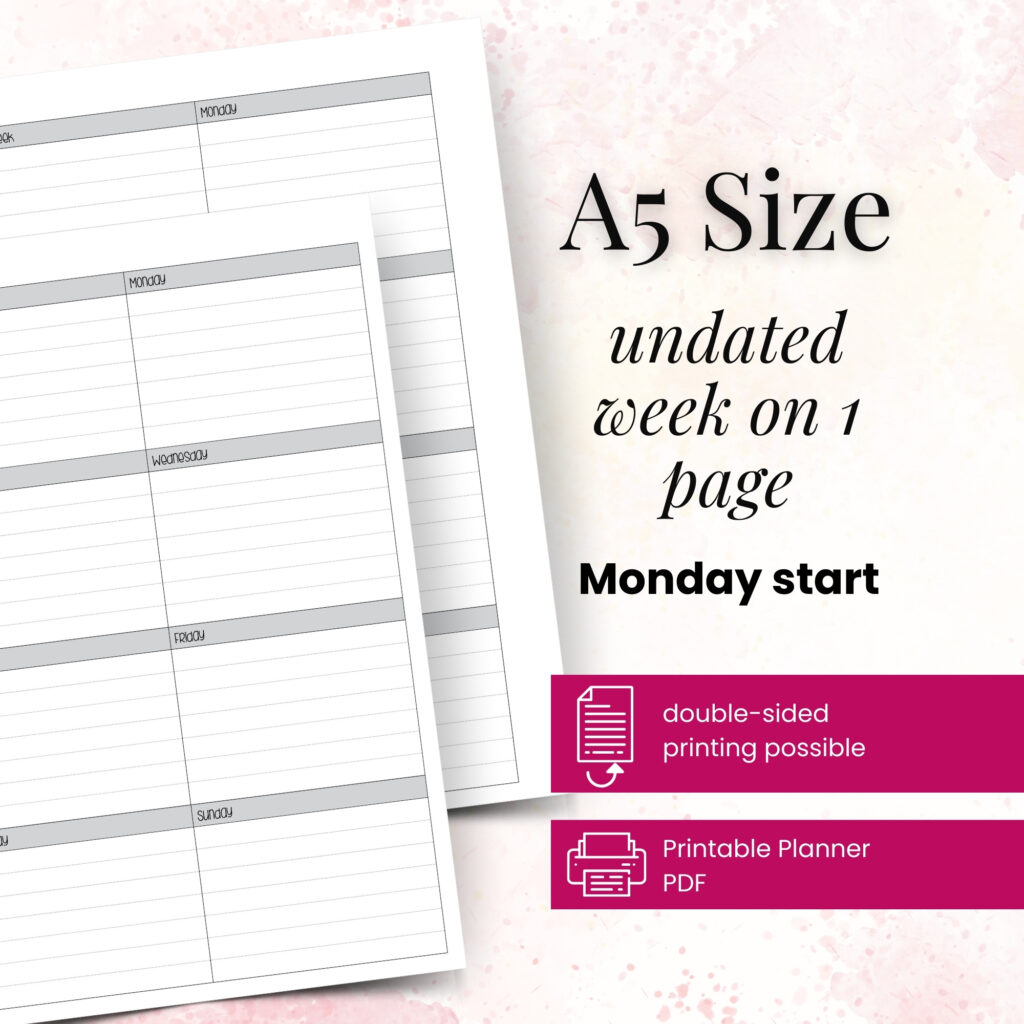
€4,24
Find the best planner accessories for organization, from sticky notes to dashboards, and build a paper planner that works with your real routine every day.
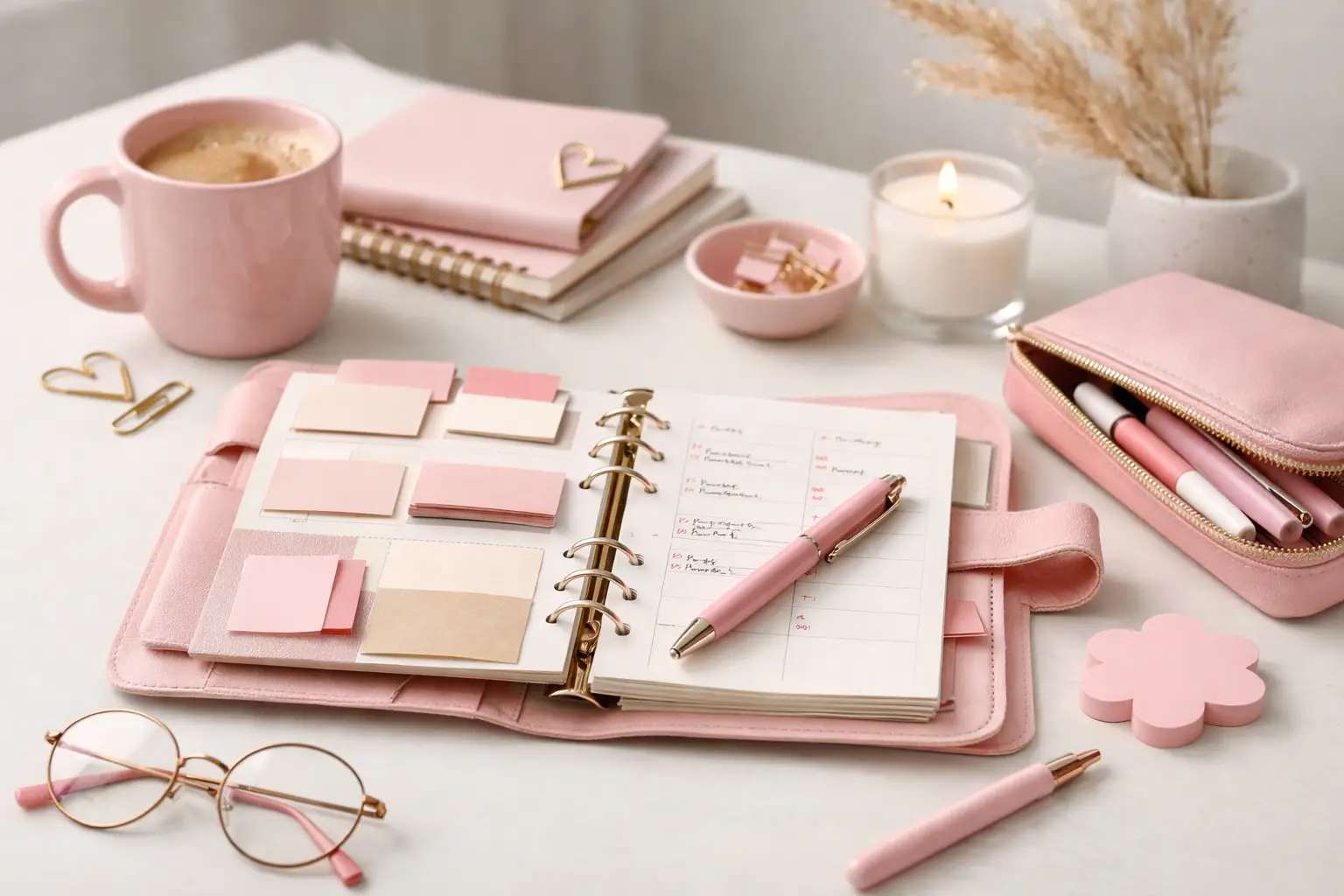
See a custom planner system example built for real life, from daily priorities to meal plans, household lists, goals, and creative notes when needed.
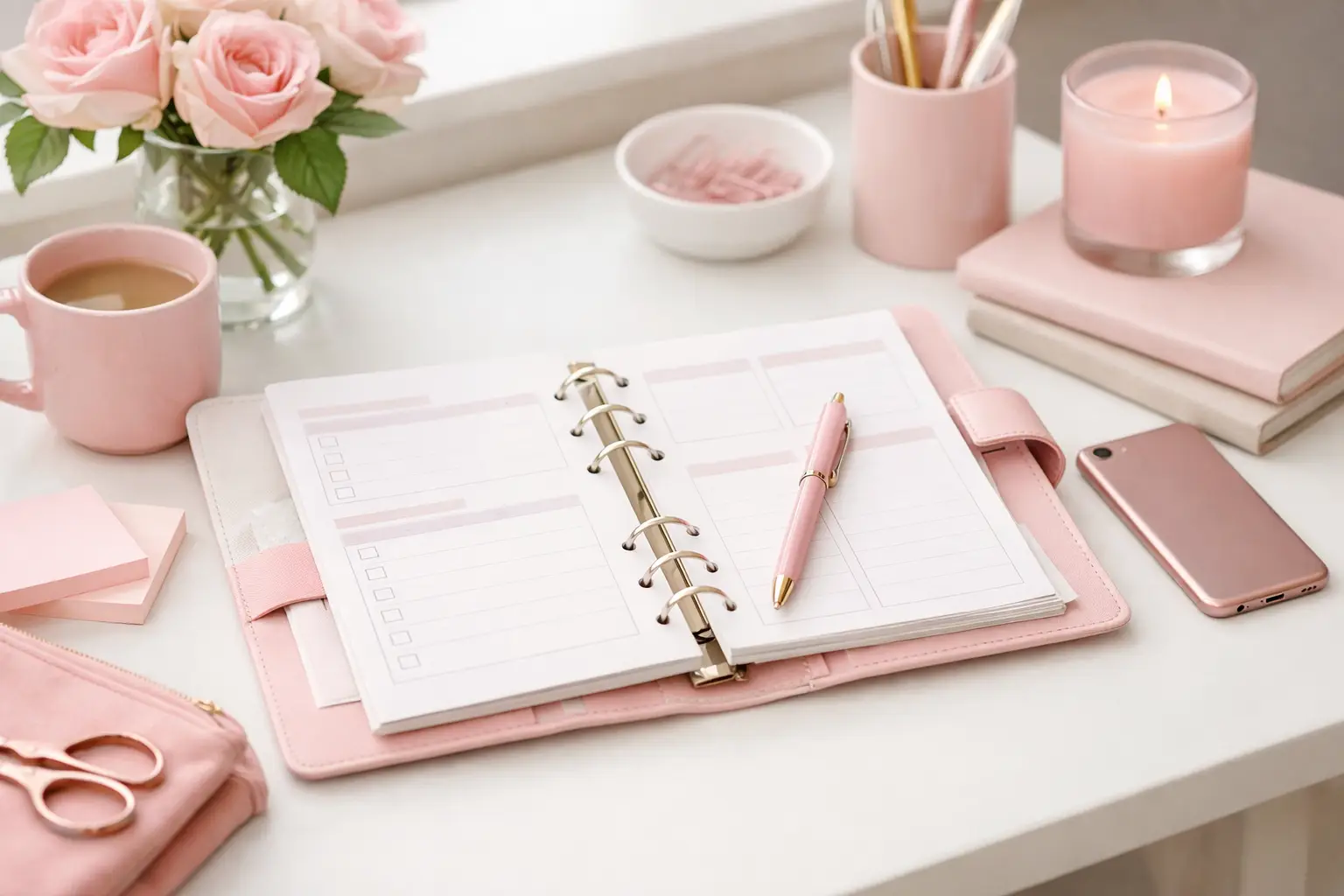
Try this household planner setup example to organize meals, chores, appointments, and family routines with printable pages that fit your real life better.