A6 vs Happy Planner: Which Fits Your Life?
A6 vs happy planner: compare size, space, portability, and page options to choose printable inserts that make your everyday planning feel easier with purpose.
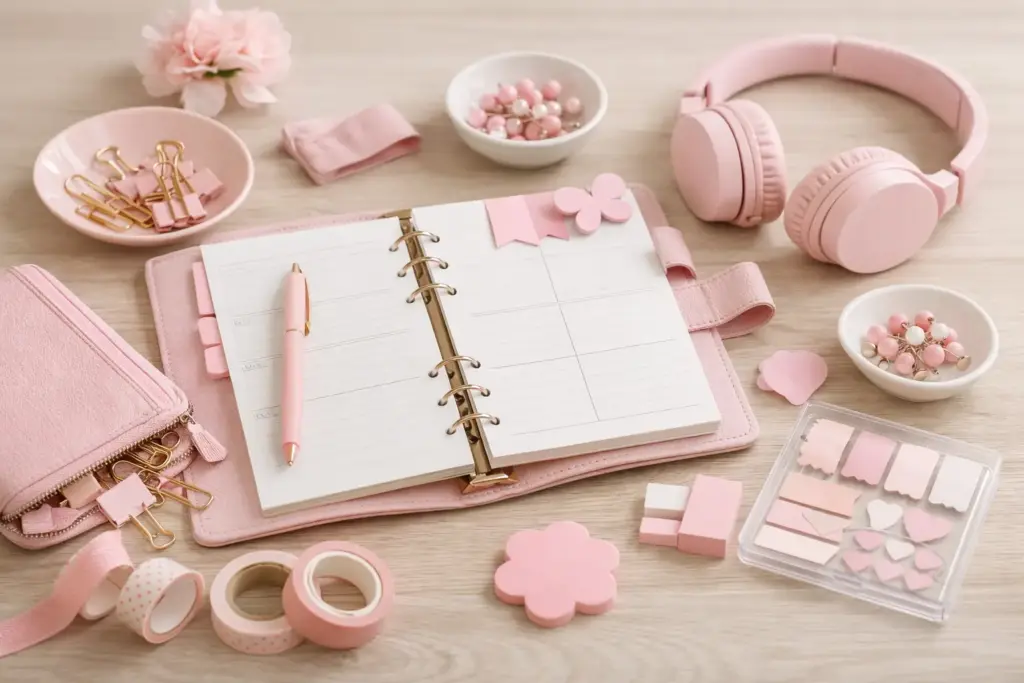
A planner can hold every appointment, goal, and grocery list you own, yet still feel messy when you cannot find the page you need. The best planner accessories for organization do more than make your pages pretty. They create visual shortcuts, protect your important information, and give recurring tasks a reliable home.
The goal is not to fill every ring, pocket, and margin with supplies. It is to choose a few hardworking pieces that make opening your planner feel calmer and faster. Whether you manage a busy household, track work projects, or plan your next creative goal, the right accessories help your system fit your real life.
Before adding anything to your cart or print queue, notice where your planning routine slows down. Do you flip through pages looking for this week? Do loose notes disappear? Do you rewrite the same household tasks every month? Your answers point directly to the accessories worth adding.
Size matters, too. An A6 planner needs slim tabs and compact notes, while an A5 or Happy Planner Classic can handle wider dashboards and larger pockets. Personal and Personal Wide planners often benefit from accessories that add structure without taking up too much writing space. Measure your rings, page width, and pockets before you print or buy.
Also think about frequency. An accessory for a daily task should sit where you see it every day. A reference page for annual goals can live farther back. This simple decision prevents your most useful tools from becoming extra bulk.
Dashboards create clean boundaries between the parts of your planner. Use one to separate personal plans from work pages, or place them before your monthly, weekly, notes, and lists sections. A sturdy dashboard also protects the first page of a section from worn edges.
Choose a simple design when you want a polished, minimal look. Try a vellum-style dashboard when you want a little visual softness without covering the pages beneath it. Add a label such as “Home,” “Goals,” or “Projects” so each section answers itself at a glance.
Tabs save time because they remove the page-flipping ritual. Monthly tabs work beautifully for date-based planning, while category tabs help if you keep several ongoing sections. For example, you might use tabs for meal planning, finances, routines, and notes.
Avoid adding a tab to every single page. Too many tabs can make your planner harder to handle and can hide the categories that matter most. Start with four to six major sections, then adjust after a few weeks of use.
A page marker belongs in nearly every paper planner. It keeps your current weekly spread or daily page instantly available, which makes a quick check-in far more likely. If you plan on the go, this accessory earns its space quickly.
A laminated marker gives you durability, while a clear ruler-style marker adds a useful straight edge for neat writing. You can also clip a small reminder card to it, such as a short list of weekly priorities or a simple “check the next action” prompt.
Sticky notes work best when they hold information that might change. Think errands, phone calls, a temporary project list, or a reminder you need only for the next few days. They let you keep a page tidy without committing every detail to permanent ink.
Keep two sizes on hand: a small flag or narrow note for tiny reminders, and a larger square for a short task list. Use one color for personal tasks and another for work, if color coding helps you process information faster. The key is restraint. A page covered in sticky notes can hide your actual plan.
Loose papers tend to multiply exactly when you need them most. A pocket or folder gives receipts, appointment cards, postage stamps, and reference notes a designated place. It is especially helpful for planners that travel from home to work or school.
Use the pocket for temporary items only. Clear it during your weekly reset so old receipts and expired notes do not turn it into a paper pile. For larger documents, keep a separate home file rather than forcing your planner to carry everything.
Repeated tasks deserve a repeatable format. A checklist insert can hold your morning routine, cleaning rhythm, packing list, weekly reset, or end-of-month money tasks. Instead of rewriting the same items, print the page again whenever you need it.
For a household example, create a Sunday checklist with meal planning, laundry, calendar review, and school prep. For work, use one for project handoffs or weekly reporting. A tested list reduces mental load because you do not have to remember every small step from scratch.
Random notes need a home, or they become clutter. A notes insert catches meeting details, ideas, phone messages, and information you want to keep before you decide where it belongs. Choose lined pages for writing-heavy planning, dot grid pages for flexible layouts, or blank pages for sketches and mind maps.
Place notes close to the front if you use them often. Add a tab if your planner includes several note categories. When a note becomes an action item, transfer it to your weekly or daily page so it does not get lost in a collection of ideas.
A monthly overview dashboard gives your big picture a dedicated place. Use it for important deadlines, birthdays, bills, major events, and the one or two outcomes that would make the month feel successful. It works alongside a monthly calendar, not instead of one.
This accessory helps when your weekly pages feel too detailed. Before you plan a new week, look at the dashboard first. You will spot upcoming deadlines early and avoid accidentally overbooking your time.
Washi tape can organize a page when you assign it a purpose. Use it to block off an unused section, mark the start of a new month, create a visual boundary between work and personal tasks, or flag a page you revisit often. A thin roll takes up less room than a bulky sticker book and gives you plenty of flexibility.
Pick a small color palette that supports your categories. For instance, use blue for work, green for home, and one neutral pattern for decoration. If every roll signals something different, you may spend more time decoding the page than using it.
Clips hold temporary pages together without punching more holes. Use them to group travel plans, keep a short project packet with its related notes, or mark forms you need to complete. Magnetic clips can work well as page markers, but test their strength before trusting one with a thick stack of paper.
Choose flatter clips for compact planners. Oversized shapes look charming, but they can create a lumpy planner if you carry several at once. Save statement clips for one current page rather than using them everywhere.
The best planning session ends quickly if your favorite pen is in another room. A pen loop keeps one reliable writing tool with your planner, while a slim pen case stores a few colors without stretching your cover or rings.
Limit yourself to pens you truly use. One black pen, one accent color, and a mild highlighter often cover the basics. A smaller selection makes it easier to maintain a consistent system and prevents pen testing from taking over your planning time.
Decorative inserts can support organization when they reinforce what matters right now. A goal-focused page can sit at the front of a quarter, while a seasonal vellum-style piece can signal a fresh chapter in your planner. These pages add personality and create a helpful pause when you move into a new month or project.
At Pretty Easy Planning, printable accessories make this especially flexible. You can choose the paper weight, print a piece in the size that fits your setup, and reprint a favorite design when a new season or fresh routine begins.
Start with the planner pages you already use. Then follow this simple process before adding more.
This approach keeps your planner light enough to use and personal enough to enjoy. It also helps you see whether you need a different layout rather than another accessory.
Your ideal setup may look different during a busy work season, a move, summer break, or a new goal cycle. That is not a failure of your system. It is proof that you pay attention to what you need.
Give yourself permission to move tabs, reprint a checklist, switch colors, or remove a pocket that no longer helps. Your planner should support your day, not ask you to work around it. Your successful planning story begins with a single print and one accessory that makes tomorrow easier to manage.

€4,24
€4,24
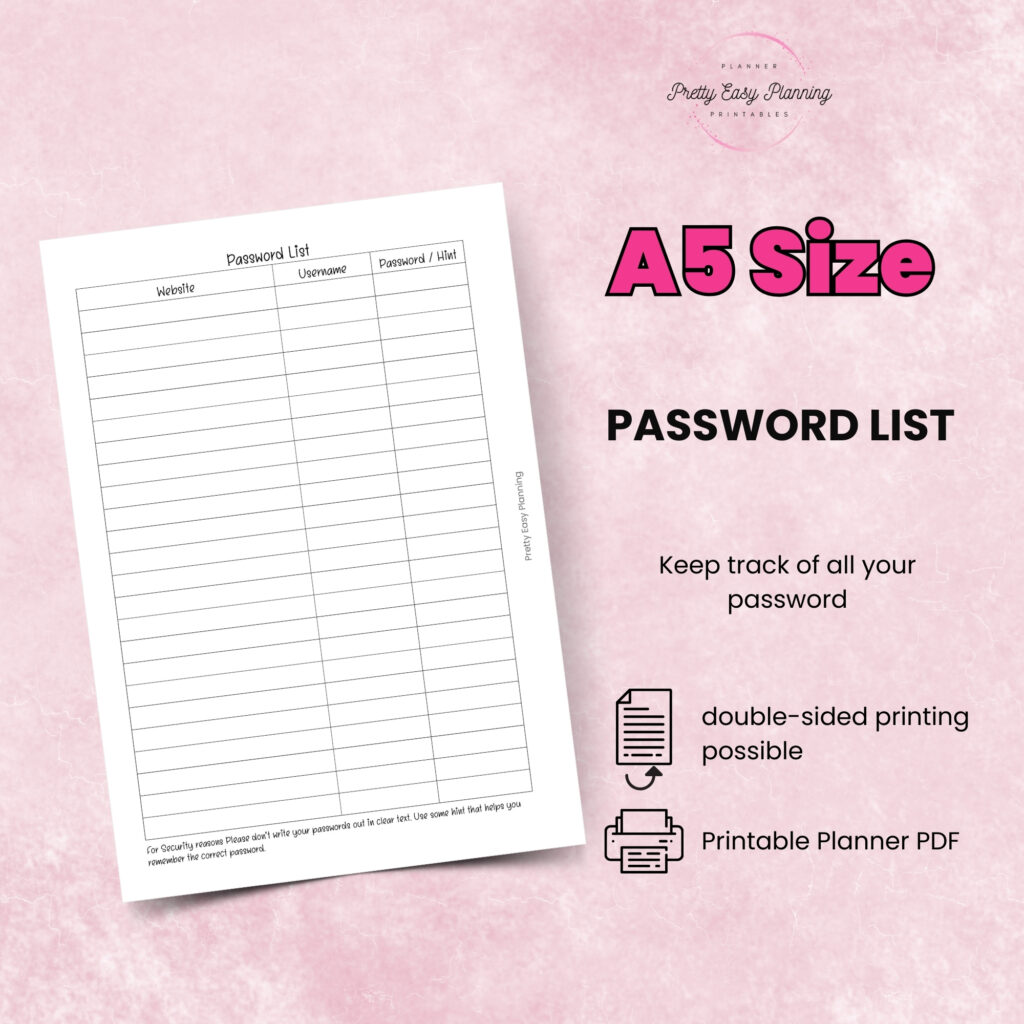
€4,24
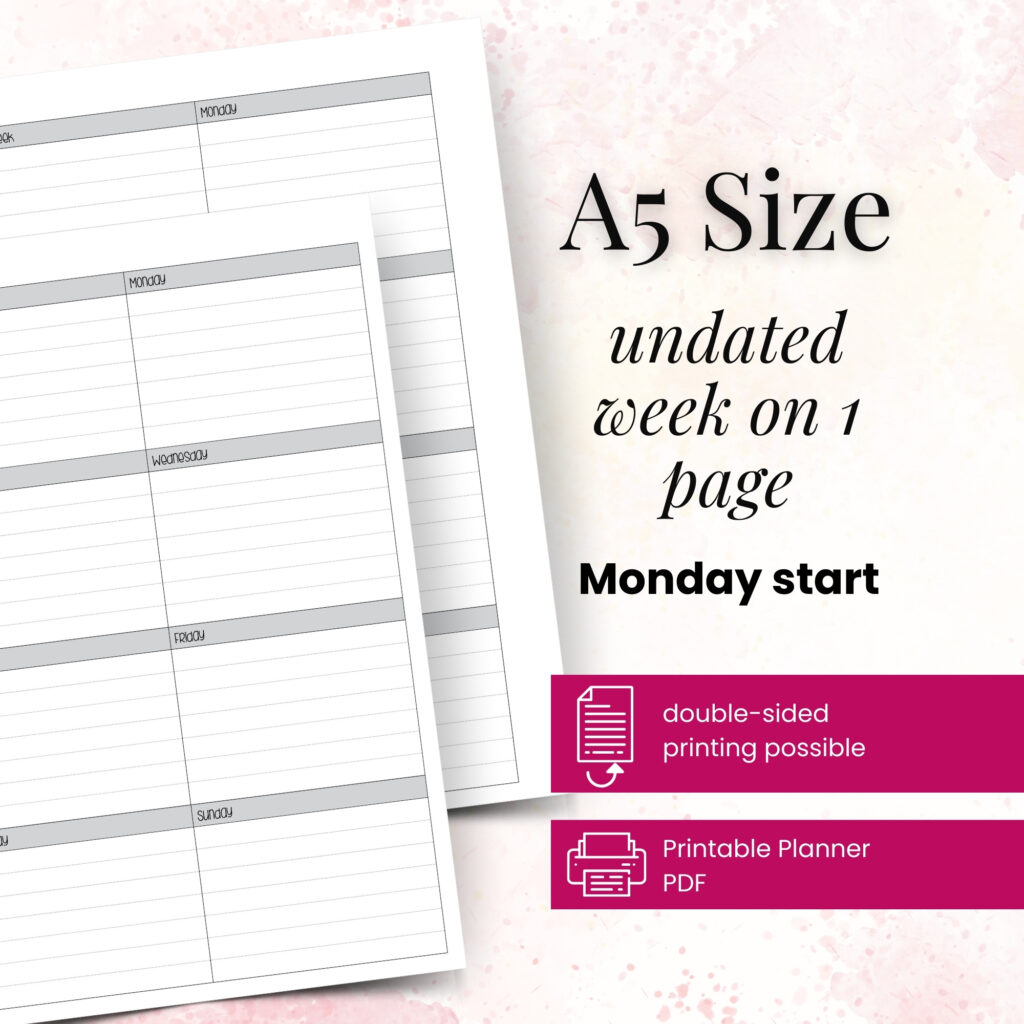
€4,24
A6 vs happy planner: compare size, space, portability, and page options to choose printable inserts that make your everyday planning feel easier with purpose.
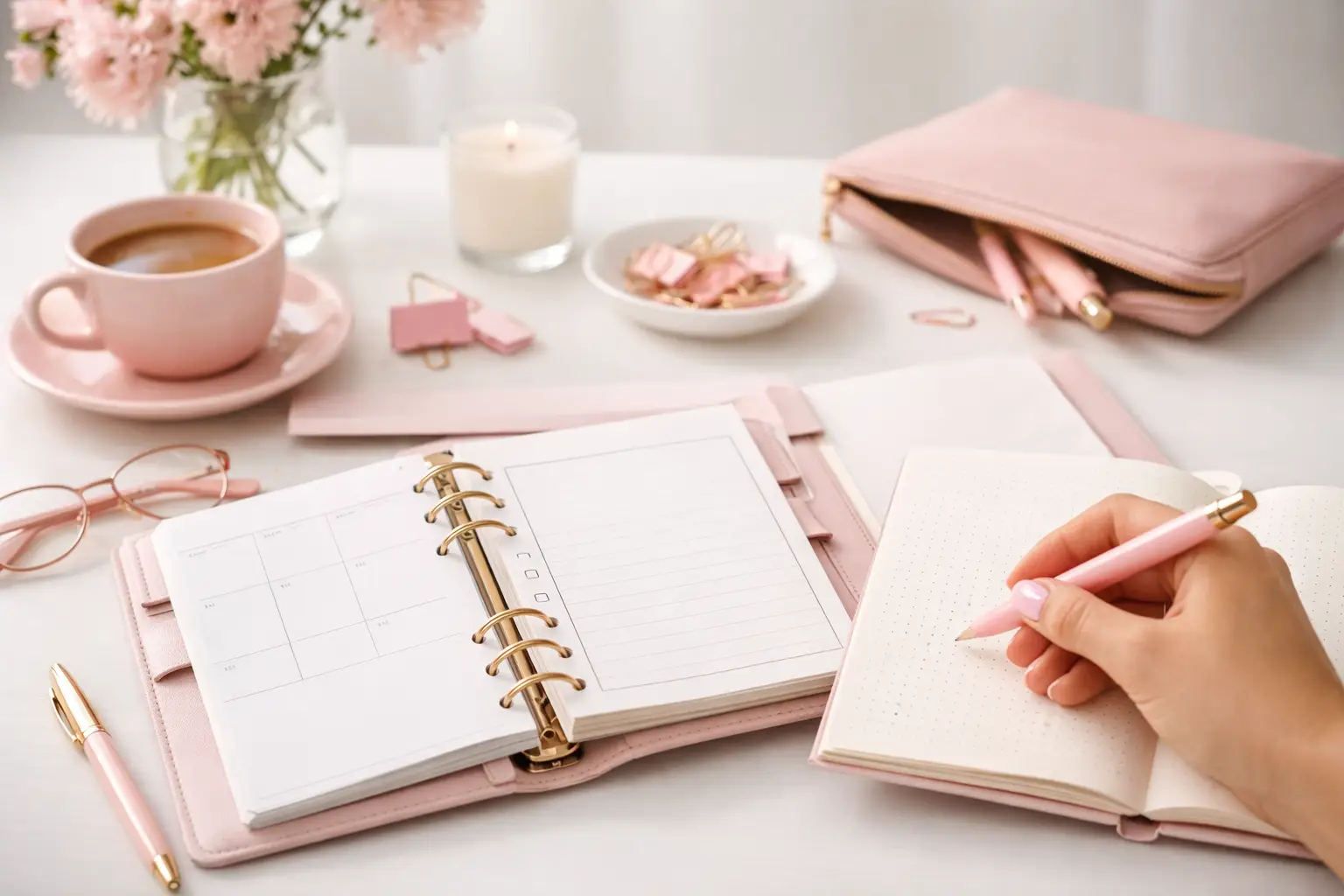
Wondering which planner pages do i need? Build a practical paper planner with only the inserts that support your real routines, goals, and plans daily.
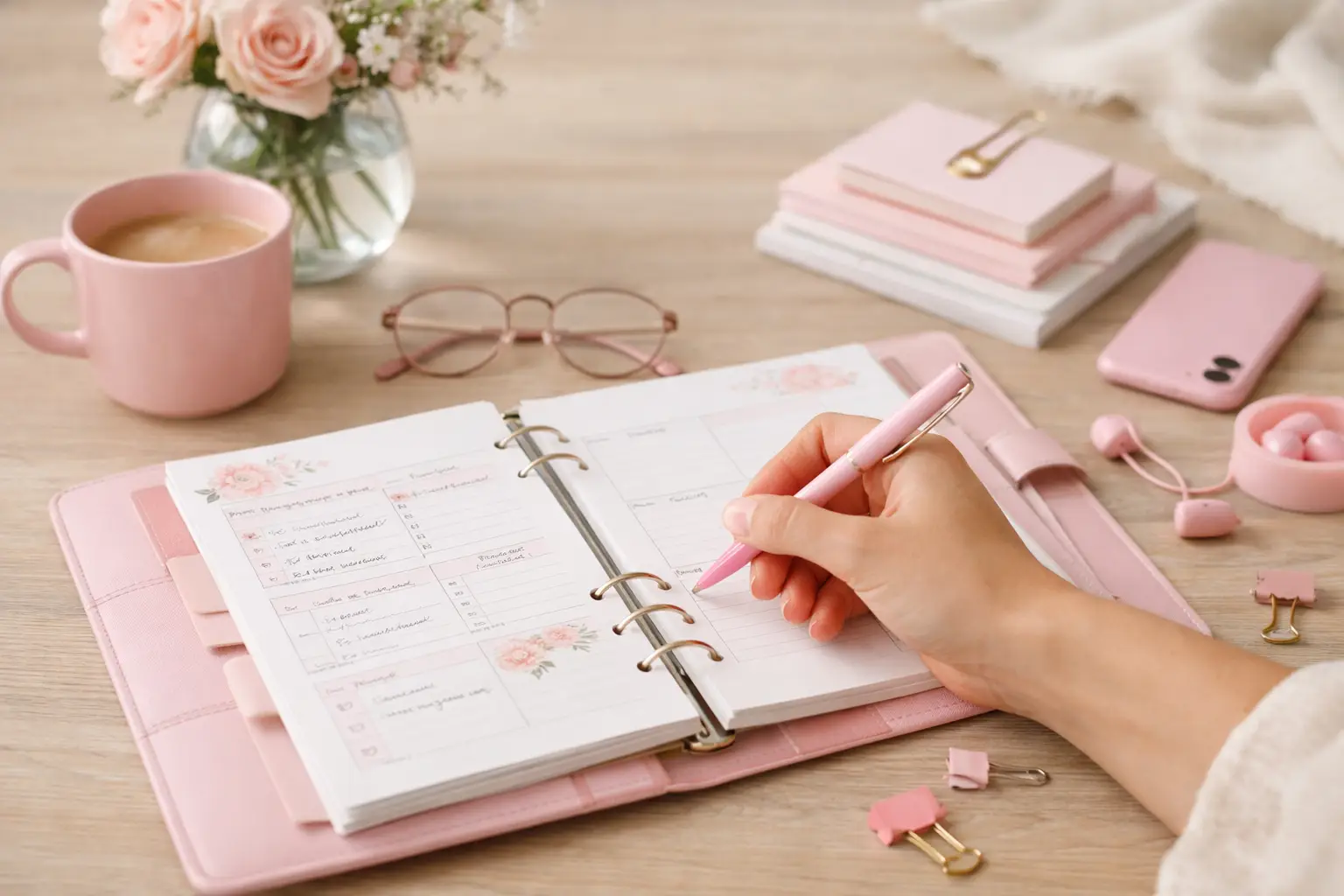
The future of printable planners favors flexible, beautiful systems: print what fits your week, refresh routines, and keep every page useful for life.