7 Best Planner Pages for Beginners to Start With
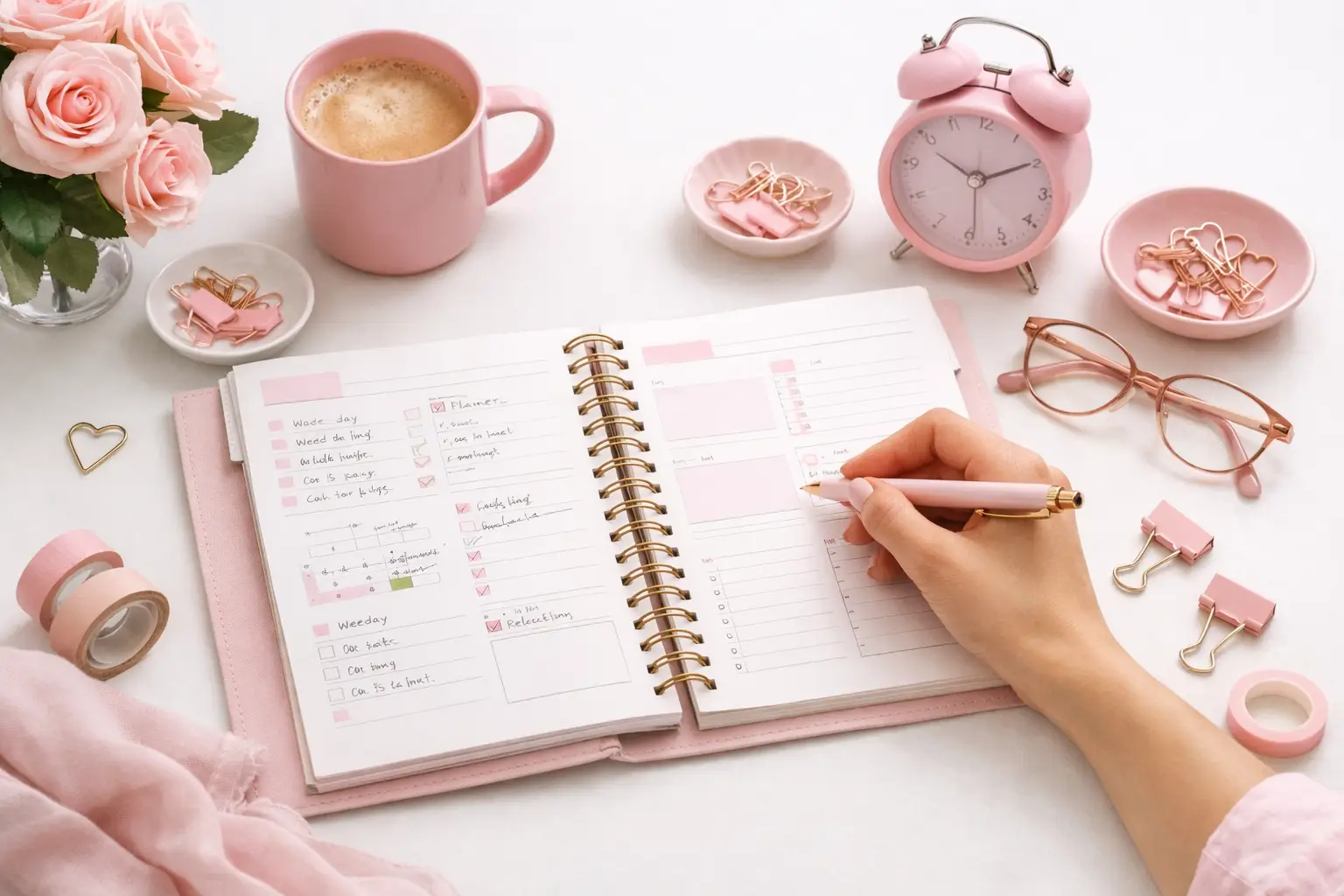
Find the best planner pages for beginners, learn what each page does, and build a simple paper planning routine you will actually keep using every week.
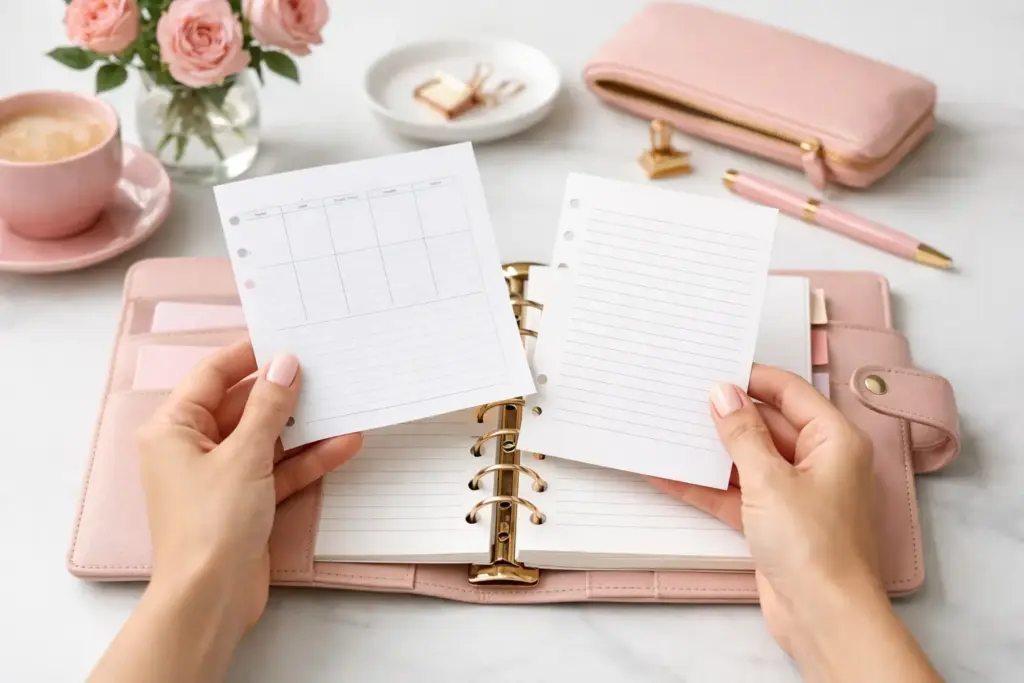
You can spot the wrong planner inserts fast. The weekly spread looks pretty, but there is nowhere to track meals. The daily page has room for every hour, yet your real life runs on task blocks, not appointments. Or the pages fit your planner rings, but not your routine. If you have ever stared at a stack of inserts and thought, this should be working better than it is, you are in exactly the right creative corner of planning possibilities. Learning how to choose planner inserts starts with one simple shift: stop picking pages by appearance alone and start picking them by how you actually plan.
A good insert should make planning easier the moment you print it. It should support your schedule, give your lists a home, and leave enough space for the things that matter most. When you choose well, your planner feels less like a scrapbook of compromises and more like a system built around your life.
The easiest mistake is buying or printing too much too soon. A full set can look exciting, but your planner only works if you can use it consistently. Start with the pages that carry the most weight in your week.
For most people, that means a monthly overview, a weekly layout, and a few note or list pages. Those three categories build the backbone of a practical planner. Your monthly pages give you the bigger picture. Your weekly inserts help you manage appointments, priorities, and tasks. Notes and lists catch the details that never fit neatly into a dated spread.
Once that foundation feels right, add specialty inserts based on real needs. If you meal plan every week, include a meal planning page. If you manage family schedules, try extra list or dashboard pages. If you track habits, goals, or projects, add those only after your main planning flow works. This order matters because a beautiful planner setup can still fail if the core pages do not support daily use.
Before you compare daily vs. weekly or minimal vs. decorative, confirm your planner size. This sounds obvious, but it solves a huge number of planning headaches.
An A5 planner gives you more writing space, which works well if you manage work, home, and personal plans in one place. A6 feels compact and portable, so it suits lighter planning or on-the-go use. Personal and Personal Wide sit in that useful middle ground. They feel flexible without taking over your bag. Happy Planner Classic offers a different page style and footprint, so it helps to choose inserts made specifically for that format.
Size affects more than fit. It changes how much detail you can comfortably write, how many sections you can carry, and how often you need to turn pages. If you love detailed to-do lists, a smaller page may feel cramped. If you prefer quick check-ins and simple plans, a larger insert might leave you with too much empty space.
When you feel stuck, ask yourself one practical question: where will I use this planner most? At your desk, in your kitchen, in your purse, or moving between all three? Your answer usually points you toward the right format faster than aesthetics ever will.
This is where honesty helps. Most planner frustration comes from choosing pages for your best imagined self instead of your real habits.
If you rarely schedule your day by the hour, an hourly daily page may look organized but feel exhausting to fill out. If you keep running task lists for work and home, a dashboard or week-on-two-pages layout might serve you better. If your weeks change constantly, open writing space often works better than tightly boxed layouts.
Think about the way you naturally process information. Some people plan in categories like work, errands, home, and personal. Others plan by time. Some need one top-priority box to stay focused. Others want open notes space for brain dumps, reminders, and last-minute ideas.
A simple way to figure this out is to look at your current planner pages, sticky notes, or even random scraps of paper. What do you write over and over? Appointments? Task lists? Habit trackers? Meal plans? Project notes? Those repeated patterns tell you what your inserts need to support.
Most planners need one primary layer and one supporting layer. That means you usually do not need every type of insert. You need the right combination.
Monthly inserts work best for big-picture planning. They help you map appointments, deadlines, birthdays, travel, and events. They do not usually hold enough detail for everyday task management, so most people pair them with something else.
Weekly inserts give many planner users the best balance. You can see the full week, track priorities, and manage your tasks without flipping too much. If you want structure but not overload, weekly pages often become the heart of your planner.
Daily inserts offer the most detail. They work beautifully for busy schedules, heavy task loads, or people who enjoy a fresh start each day. They also create more pages, more printing, and more bulk. That trade-off matters. If you do not need that level of detail every day, a weekly layout with extra notes pages may serve you better.
These supporting inserts often make the biggest difference. Notes pages catch ideas before they disappear. Lists help with groceries, errands, packing, or project steps. Dashboards give you flexible space for weekly priorities, reminders, and habit tracking.
If your weekly pages feel cramped, the answer may not be a new weekly layout. You may just need better support pages behind it.
The best inserts for a college student, a parent managing household routines, and a business owner planning launches will not look the same. Your planner should reflect your current season, not a fixed system you feel pressured to maintain forever.
During busy seasons, simpler layouts often win. Clean weekly inserts, monthly calendars, and practical lists help you move faster. In slower or more reflective seasons, you might enjoy adding goal pages, journaling space, reading logs, or decorative dashboards.
This is one of the biggest advantages of printable inserts. You can adjust as life changes instead of getting stuck with pages you no longer need. Print more of what works. Print less of what does not. Your successful planning story begins with a single print, but it grows through thoughtful adjustments.
A layout can be perfect on paper and still fail if it creates too much maintenance. That is why printing habits matter when you decide how to choose planner inserts.
If you love detailed daily pages but dislike printing often, you may end up falling behind. If you print thick stacks all at once, your planner can become bulky and hard to use. A better approach might be printing one month of weeklies at a time, or only printing daily pages for especially busy weeks.
Paper choice matters too. Some people want a smoother, brighter page for clean writing. Others prefer a paper weight that handles pens with less show-through. Since you choose your own paper, you can tailor the feel of your planner just as much as the layout itself. That control makes a real difference in daily use.
Pretty pages absolutely matter. Most planner lovers want inserts that feel enjoyable to use. A layout that looks polished can motivate you to come back to your planner again and again.
Still, beauty should support function. Decorative details, soft design elements, and coordinating pages work best when the page still gives you enough room to write and enough structure to stay clear. If a page looks lovely but makes planning harder, it is not the right fit for your system.
At Pretty Easy Planning, that balance between beautiful and functional sits at the center of the design process. The strongest inserts do both. They look good in your planner and help real life run better.
You do not need to decide your whole planner system in one sitting. In fact, you probably should not.
Pick one month or one week and test your chosen inserts in real life. Notice what feels easy and what feels forced. Did you use the note space? Did you need more room for tasks? Did you skip a section completely? Those answers will guide your next print far better than guesswork.
Planner systems get stronger through use, not perfection. You are not failing if you change layouts. You are refining your setup like an experienced planner should.
When you choose inserts with your real routine, your actual planner size, and your printing habits in mind, planning feels lighter. You stop fighting the page and start using it well. That is when your planner becomes more than a collection of sheets – it becomes a tool you trust every day.

€4,24
€4,24
€4,24
€4,24
Find the best planner pages for beginners, learn what each page does, and build a simple paper planning routine you will actually keep using every week.
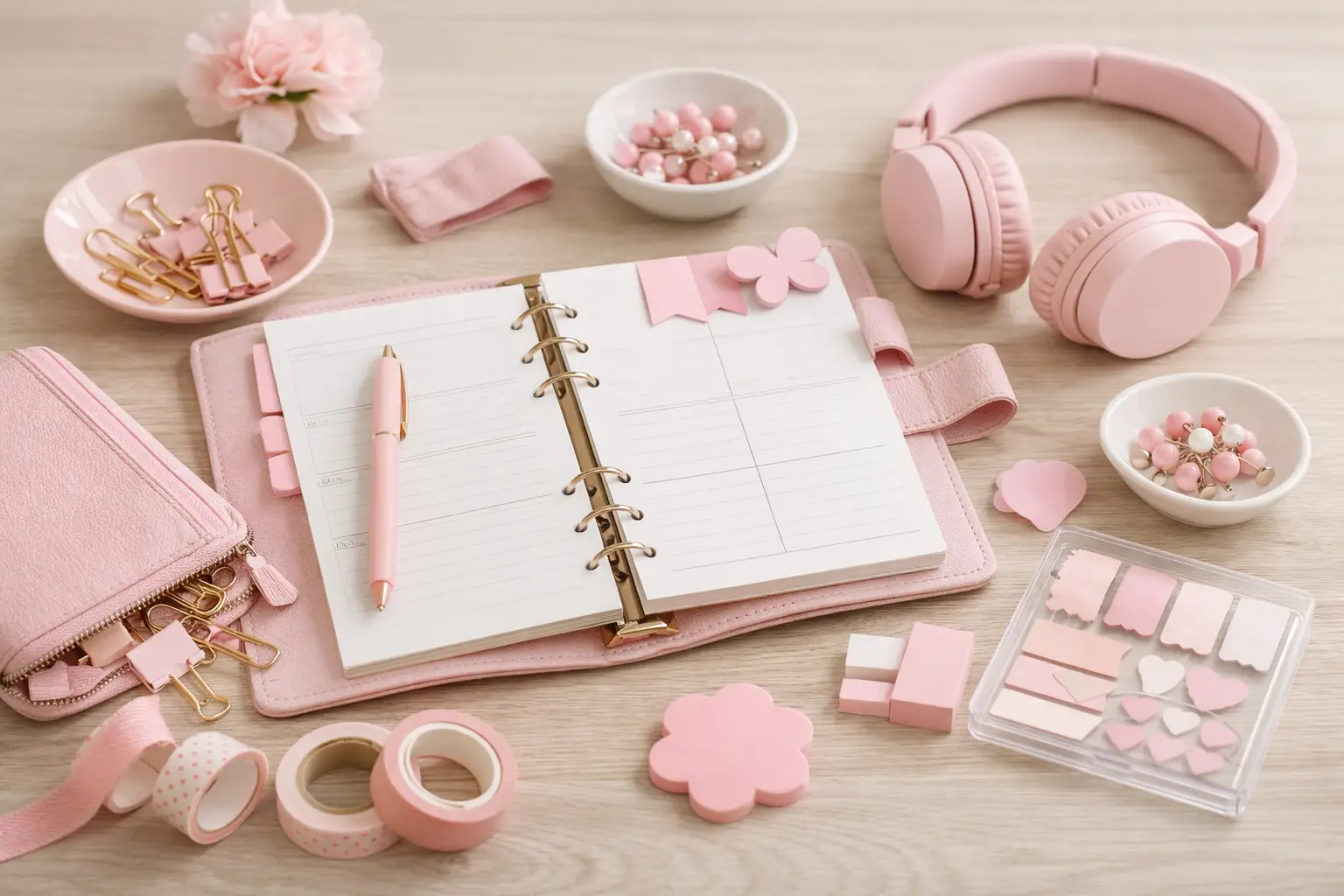
Find the best planner accessories for organization, from sticky notes to dashboards, and build a paper planner that works with your real routine every day.
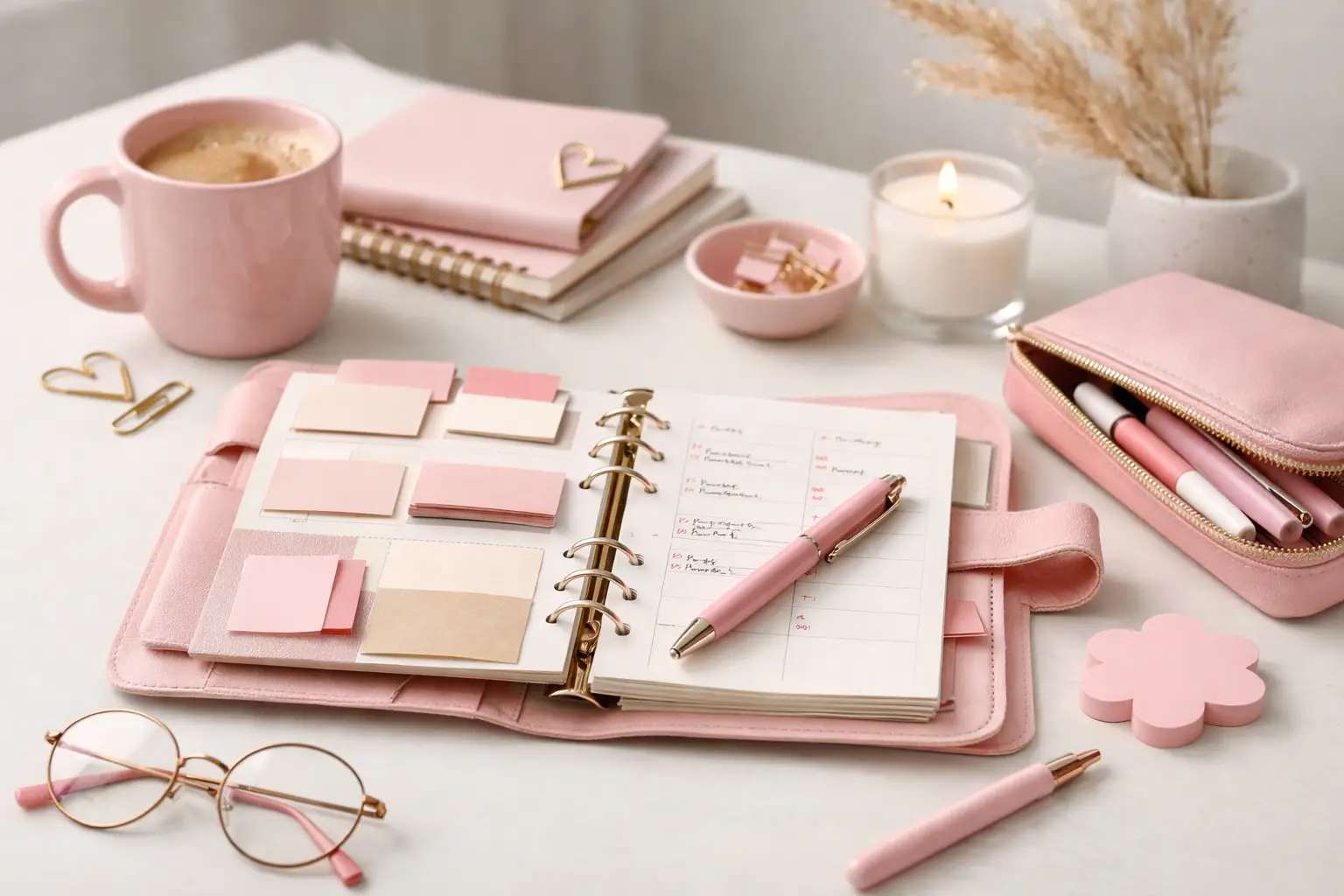
See a custom planner system example built for real life, from daily priorities to meal plans, household lists, goals, and creative notes when needed.