A6 vs Happy Planner: Which Fits Your Life?
A6 vs happy planner: compare size, space, portability, and page options to choose printable inserts that make your everyday planning feel easier with purpose.
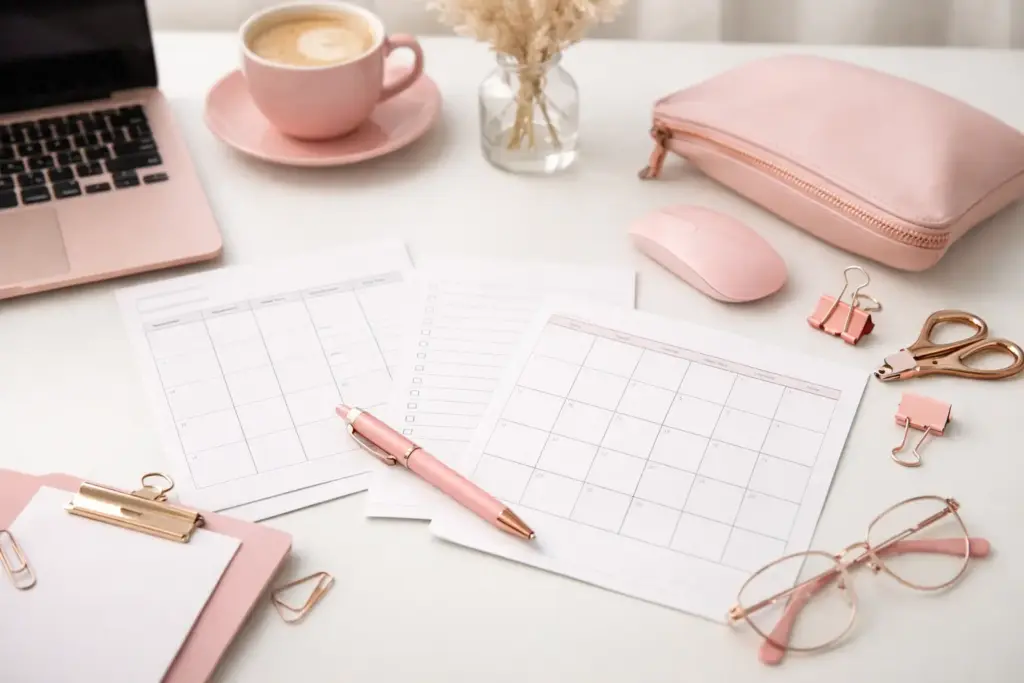
Some planners look beautiful on day one, then fall apart the moment real life gets busy. The weekly spread is too small, the notes pages run out, or the format forces you to plan in a way that simply does not match your routine. That is exactly why a printable planner inserts guide matters. When you can choose your own layouts, paper, and planner size, you stop trying to fit into someone else’s system and start building one that actually supports your life.
Printable inserts give you room to personalize without making planning complicated. You can print what you need, skip what you do not, and adjust as your schedule changes. If you are moving from pre-printed planners into a more flexible setup, this is where your successful planning story begins with a single print.
The biggest advantage is flexibility. With printable inserts, you are not stuck with twelve months of pages you may never use. You can print one week at a time, refresh worn pages, or add extra notes and lists during busier seasons.
That matters more than most people expect. A planner works best when it supports your habits, not when it asks you to change everything to fit the page. If you meal plan every week, track work projects, manage a household, and still want room for appointments, you need inserts that reflect that mix. A fixed planner often misses at least one of those needs.
Printables also reduce waste. Instead of buying another planner because one section fell short, you can simply print more of the pages you use most. If you love weekly pages but rarely touch yearly planning pages, your system can reflect that.
Any solid printable planner inserts guide should begin with size, because even the prettiest insert will frustrate you if it does not fit your binder or rings properly. The right size shapes everything from writing space to portability.
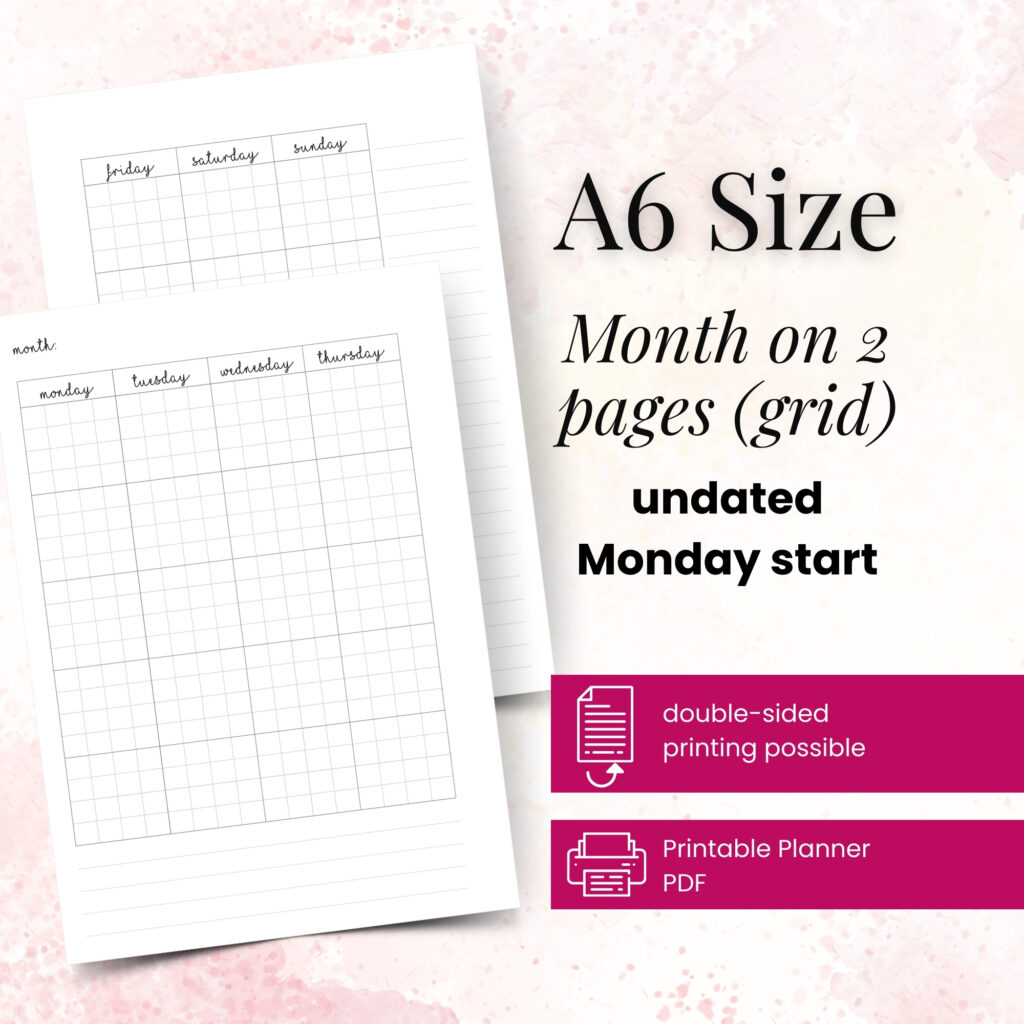
A6 works well if you want something compact and easy to carry. It feels manageable and portable, but the smaller page size means every box and writing line counts. If your handwriting runs large or you like detailed daily planning, it may feel cramped.
A5 gives you more room and tends to feel roomy without becoming bulky for most users. It is a favorite for good reason. You can fit appointments, lists, notes, and planning details comfortably, which makes it a strong choice for people who use their planners heavily.
Personal and Personal Wide sit in the middle in different ways. Personal offers that classic ring planner feel, while Personal Wide gives you more writing space without jumping all the way to A5. If you love portability but constantly wish for wider columns, Personal Wide can be a very satisfying compromise.
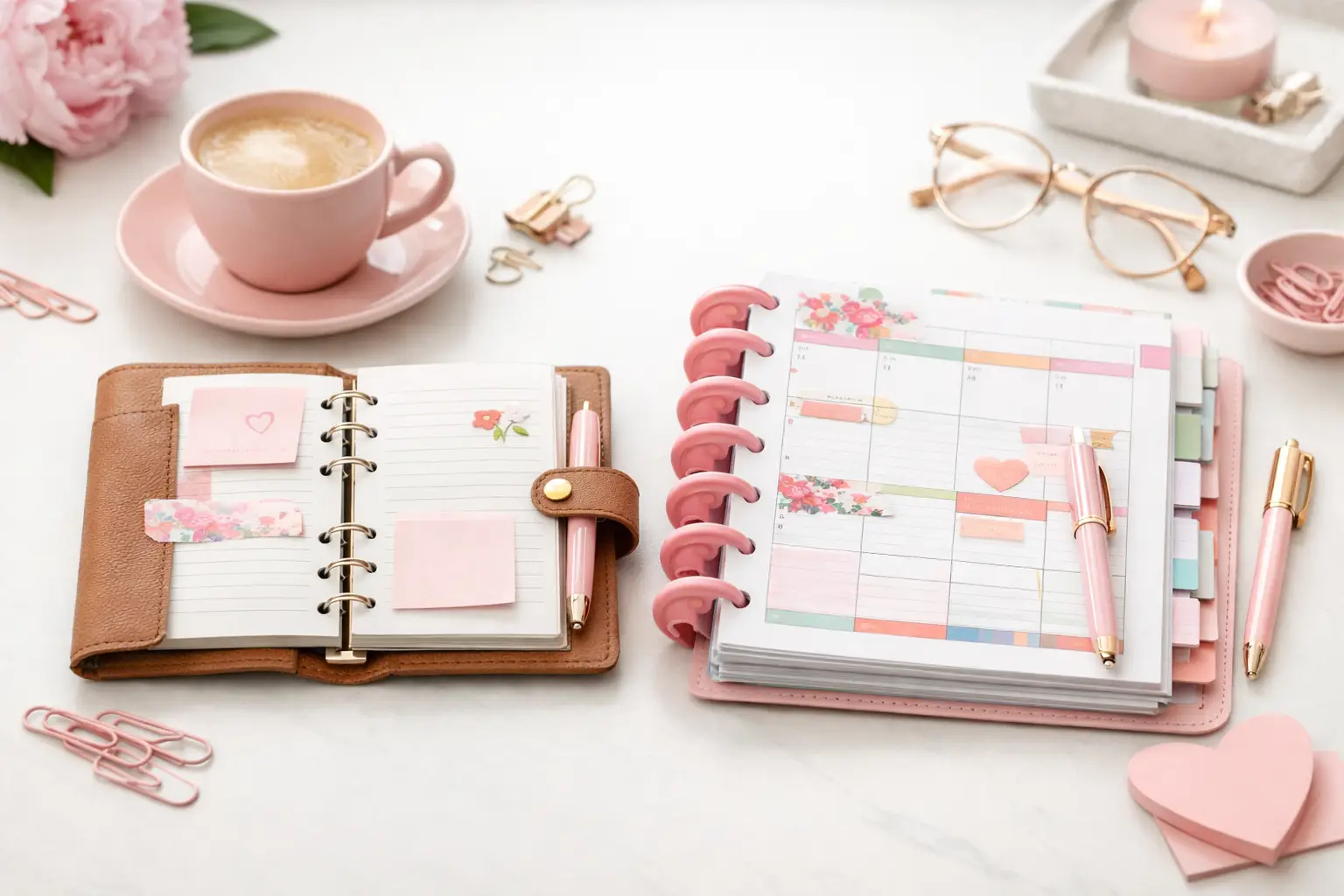
Happy Planner Classic appeals to users who want a familiar disc-bound format with generous page space. It works especially well for decorative planning, layered routines, and users who like to combine function with creativity.
Once size is settled, think about how you naturally plan. Not how you wish you planned on your most organized day, but how you actually plan when life is busy.
If you need structure every day, daily inserts usually make the most sense. They give you space for appointments, to-dos, top priorities, and often a little breathing room for notes. They are especially helpful for packed schedules, project work, or home management.
If you prefer to see the whole week at once, weekly inserts create a better balance. They help you map out tasks, compare busy days, and keep your schedule visible without flipping constantly. For many people, weekly pages become the backbone of the planner, with notes or list inserts filling the gaps.
Monthly inserts support long-range visibility. They are ideal for appointments, deadlines, events, and planning ahead, but they usually do not hold enough detail on their own. Think of them as the overview layer, not the whole system.
Then there are the support pages that often make a planner feel complete. Notes pages catch random thoughts. Lists help with shopping, household tasks, and project planning. Dashboards create space for priorities, habits, goals, or routines. These inserts may look simple, but they often become the pages you return to most.
The easiest mistake is trying to print everything at once. A better approach is to build your planner in layers.
Start with the pages you know you will use every week or every month. For most people, that means a monthly overview paired with either weekly or daily inserts. Add notes pages next, because every planner needs flexible space. After that, include lists or dashboards only if they solve a real planning need.
This keeps your system useful instead of overstuffed. A planner packed with too many sections can feel exciting at first, then tiring to maintain. A smaller, intentional setup usually gets used more consistently.
If you are unsure, test one month. Print enough pages for a short trial, use them honestly, and notice where you run out of room or skip sections. That feedback is far more valuable than choosing inserts based on trends alone.
Even the best insert design can feel disappointing if the print setup is off. Good printing is not about perfection. It is about making sure your pages feel clean, readable, and easy to use.
Paper matters more than many new users expect. Thinner paper keeps planners lighter and makes bulk printing easier, but very thin paper may show writing through the other side. Heavier paper feels more luxurious and often handles pens better, though it can create a fuller planner fast. The right choice depends on your binder size, pen preference, and how many pages you carry at once.
Print scaling is another common issue. If a page prints too large or too small, the holes, margins, and usable writing space can all feel wrong. Always check the print setting carefully and test a page before printing a full batch.
Cutting and punching also affect the finished look. Clean trimming and accurate hole placement help inserts turn smoothly and sit neatly in the planner. It takes a little practice, but once you find your process, it becomes part of the fun.
The heart of this printable planner inserts guide is not just choosing pages. It is understanding that customization gives you control. You can create a planner that feels minimal, detailed, structured, creative, or a mix of all four.
That freedom is especially helpful during changing seasons of life. A planner that works during a quiet month may not work during back-to-school season, a work deadline, or a move. Printable inserts let you shift with those changes instead of starting over from scratch.
You can also coordinate your planner in a way that feels visually satisfying without giving up function. Matching inserts, dashboards, sticky notes, and vellum-style pieces can make your setup feel more inviting, and that often makes you want to use it more. Pretty Easy Planning leans into that balance between beauty and function, which is exactly where many paper planners feel most at home.
This is where honesty helps. Sometimes a layout is attractive, well designed, and still not a match for your planning style. That is not a failure. It just means your needs are clearer now.
A highly structured page can feel comforting for one person and restrictive for another. A blank notes page can feel freeing or overwhelming depending on how you think. It depends on how much guidance you like and how repeatable your routine is.
Give yourself permission to adjust. Swap daily pages for weekly ones. Add more notes. Reduce sections you never use. The goal is not to create the most elaborate planner. The goal is to create one you trust enough to open every day.
There is no prize for choosing the most complex setup or printing the most pages. The best planner system is the one that supports your real life with the least friction. That usually means choosing the right size, starting with a few core inserts, and refining your system as you go.
Planning should feel supportive, not stiff. It should help you see your week clearly, catch important details, and create a little order when life feels full. If your pages do that, you are on the right track.
Your planner does not need to look like anyone else’s to work beautifully. It just needs to feel like yours the moment you turn the page.

€4,24
€4,24
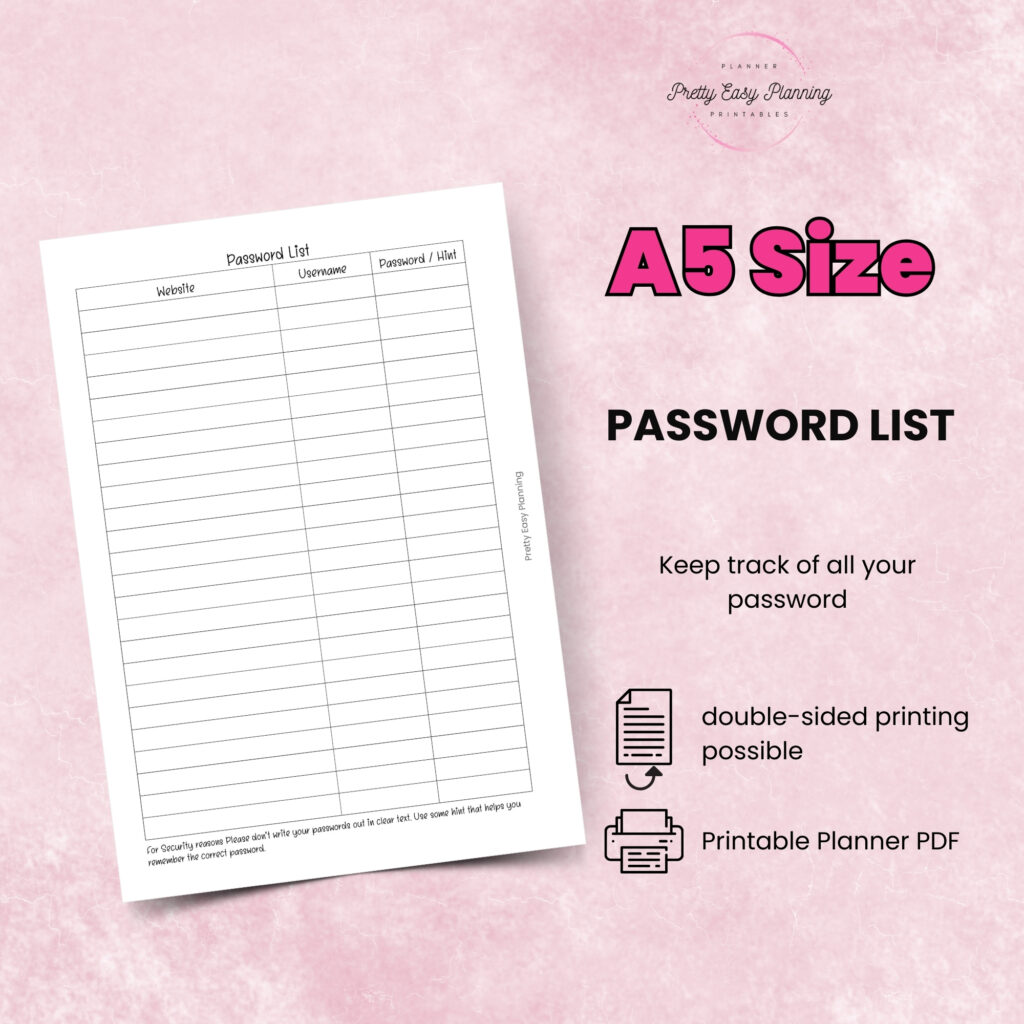
€4,24
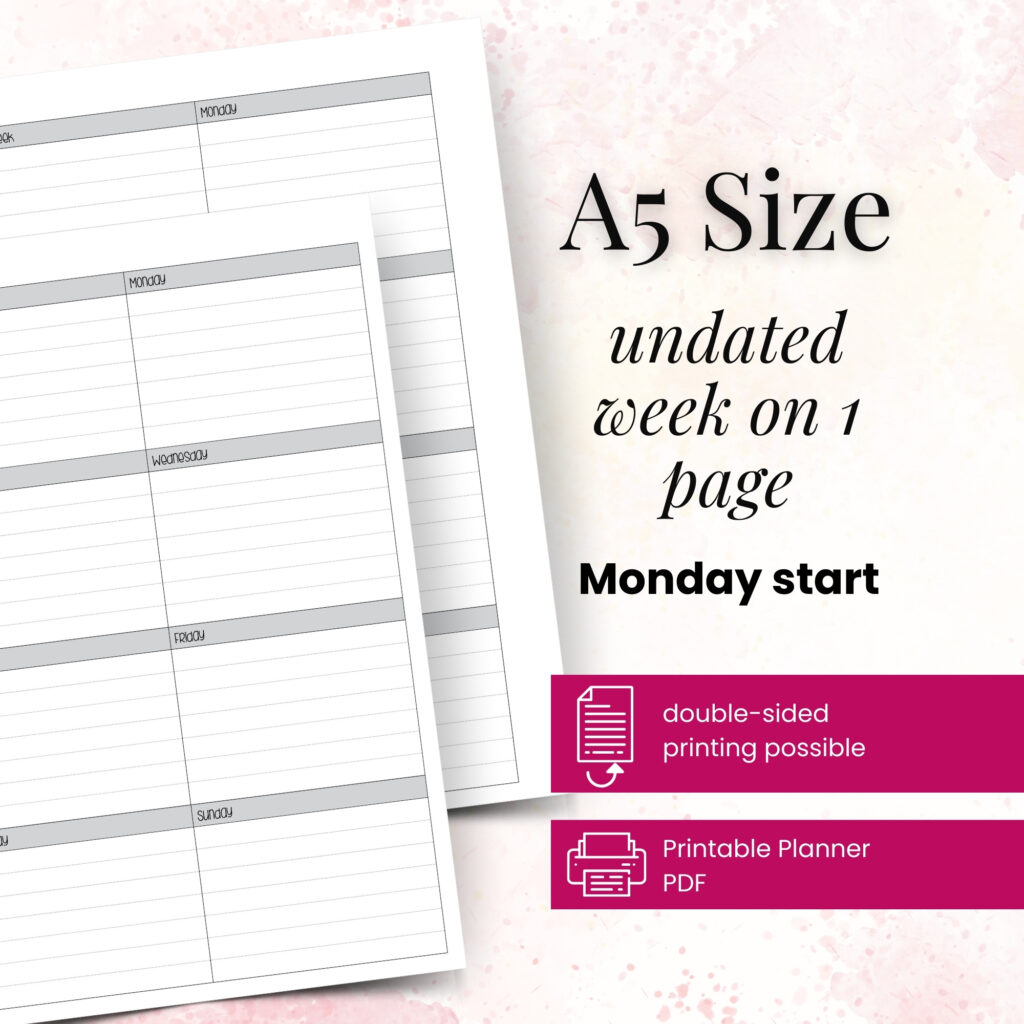
€4,24
A6 vs happy planner: compare size, space, portability, and page options to choose printable inserts that make your everyday planning feel easier with purpose.
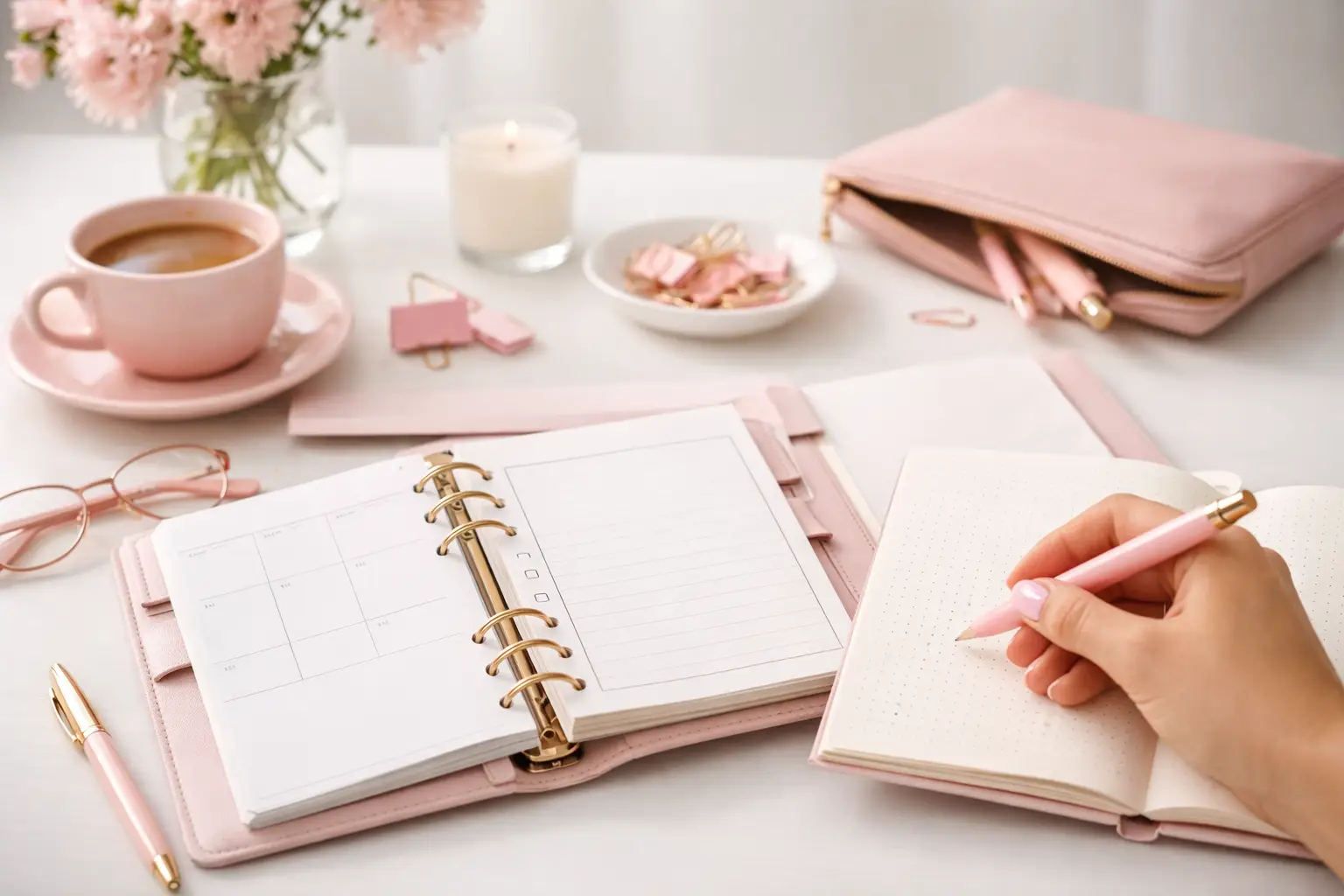
Wondering which planner pages do i need? Build a practical paper planner with only the inserts that support your real routines, goals, and plans daily.
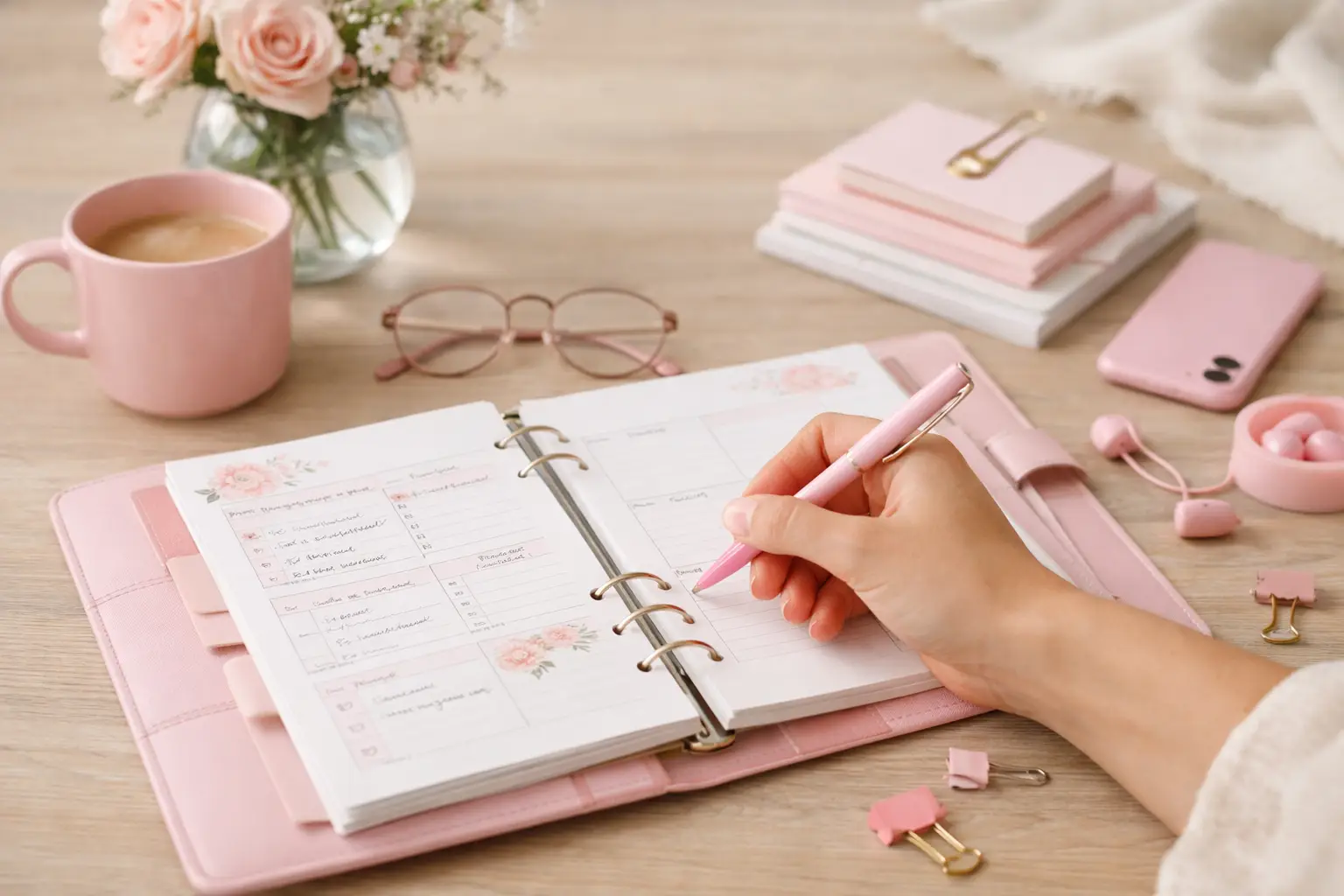
The future of printable planners favors flexible, beautiful systems: print what fits your week, refresh routines, and keep every page useful for life.